Listen up, kitchen operatives. We are moving beyond the era of soggy, uninspired health food. Forget the bland, gray mush of the past because today we are engineering a sensory explosion. We are talking about the Spicy Quinoa Bowl; a high-octane masterpiece of texture and heat that demands respect for the ancient grain. This is not just a meal; it is a structural assembly of protein-packed seeds, vibrant aromatics, and a piquant sauce that will set your palate on fire in the best way possible. We are looking for that perfect "pop" of the grain against the creamy resistance of a perfectly ripened avocado and the sharp bite of pickled radishes. Every component must be calibrated for maximum impact. If you are still treating quinoa like a secondary thought, you are failing the audit. We are here to optimize, to infuse every single millimeter of that seed with flavor, and to ensure that the final product is as aesthetically aggressive as it is delicious. Prepare your stations.
THE DATA MATRIX
| Metric | Specification |
|---|---|
| Prep Time | 15 Minutes |
| Execution Time | 25 Minutes |
| Yield | 4 Servings |
| Complexity | 4/10 |
| Estimated Cost per Serving | $3.75 USD |
THE GATHERS
Ingredient Protocol:
- 200g / 1 cup Pre-rinsed Tri-color Quinoa
- 480ml / 2 cups Low-sodium Vegetable Stock
- 30ml / 2 tbsp Extra Virgin Olive Oil
- 150g / 1 cup Sweet Potato, small dice
- 100g / 1 cup Black Beans, rinsed and drained
- 5g / 1 tsp Smoked Paprika
- 2g / 0.5 tsp Cayenne Pepper
- 1 large Avocado, sliced
- 60ml / 0.25 cup Tahini
- 15ml / 1 tbsp Sriracha or Chili Paste
- 10ml / 2 tsp Maple Syrup
- 15ml / 1 tbsp Fresh Lime Juice
- 5g / 1 bunch Fresh Cilantro, chopped
Section A: Ingredient Quality Audit:
The primary failure point in a Spicy Quinoa Bowl is the grain itself. If your quinoa smells like wet cardboard before it hits the heat, you have a saponin problem. Saponins are the natural, bitter coating on the seed. Even if the bag says "pre-rinsed," run it under cold water in a fine-mesh sieve until the water is crystal clear. Furthermore, check your spices. If your smoked paprika has been sitting in a cabinet since the last administration, it has lost its volatile oils. Rub a pinch between your fingers; if the aroma is faint, discard and replace. For the produce, the sweet potato must be firm with no soft spots. A mushy potato will fail to render its natural sugars during the roasting process, resulting in a dull, starchy texture rather than a caramelized bite.
THE MASTERCLASS
Step 1: The Toasting Phase
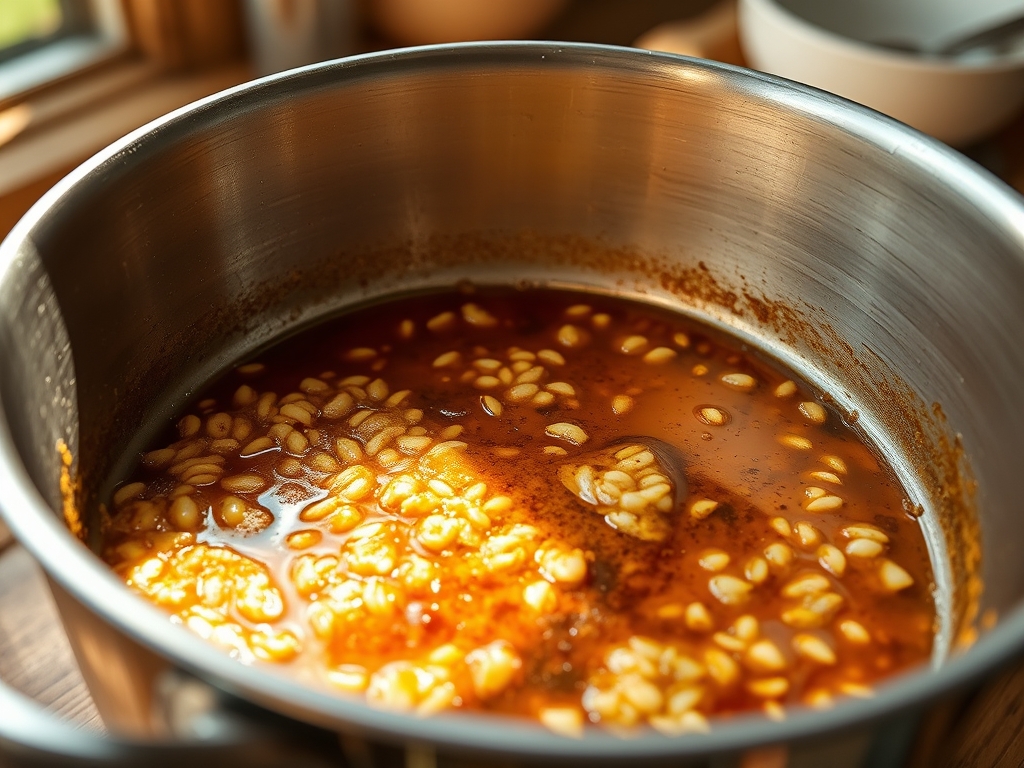
Before adding any liquid, place your dry, rinsed quinoa into a preheated saucier over medium heat. Stir constantly with a silicone spatula for three minutes. You are looking for a nutty aroma and a slight change in color.
Pro Tip: This is the Maillard reaction in action. Toasting the grain cracks the outer husk slightly, allowing the vegetable stock to infuse the core of the seed more effectively. Use your digital scale to ensure the water-to-grain ratio is precise; excess water leads to a blown-out, mushy texture.
Step 2: The Liquid Integration
Add your vegetable stock and a pinch of salt. Bring to a rapid boil, then immediately drop the heat to the lowest setting and cover with a tight-fitting lid. Simmer for 15 minutes.
Pro Tip: Do not lift the lid. Steam is the engine of this process. If you lose the steam, you lose the even hydration of the grain. Professional chefs use a heavy-bottomed pot to ensure heat distribution is uniform, preventing localized scorching at the base.
Step 3: The Vegetable Roasting
While the quinoa simmers, toss your diced sweet potatoes in olive oil, paprika, and cayenne. Spread them on a parchment-lined sheet tray and roast at 200C / 400F until the edges are charred and the centers are tender.
Pro Tip: Use a bench scraper to easily move your diced potatoes from the cutting board to the tray. The char provides a bitter counterpoint to the sweetness of the potato, creating a more complex flavor profile.
Step 4: The Emulsion Assembly
In a small stainless steel mixing bowl, whisk together the tahini, sriracha, maple syrup, and lime juice. If the mixture is too viscous, add a teaspoon of warm water at a time until it reaches a pourable consistency.
Pro Tip: Tahini is a natural emulsifier. By adding the acidic lime juice slowly while whisking, you aerate the sauce, creating a velvety mouthfeel that coats the quinoa without weighing it down.
Step 5: The Final Fluff
Once the quinoa has absorbed the liquid, remove from heat and let it sit, covered, for five minutes. Use a fork to gently fluff the grains.
Pro Tip: Letting the grain rest allows the moisture to redistribute evenly. If you serve it immediately, the bottom layer will be wetter than the top. A fork is superior to a spoon here as it separates the seeds without crushing them.
Section B: Prep & Timing Fault-Lines:
The most common error is timing the vegetables and the grain poorly. If your quinoa sits for twenty minutes while the potatoes roast, it will clump and lose its thermal integrity. Aim for "Just-in-Time" delivery. Start your oven preheating before you even touch the quinoa. If the sauce breaks or separates, it is likely due to a temperature shock. Ensure your lime juice is at room temperature before whisking it into the fatty tahini. If the quinoa is still crunchy after the timer goes off, add 30ml of boiling water, cover, and wait three more minutes. Never "stir" cooking quinoa; you will release too much starch and turn it into a paste.
THE VISUAL SPECTRUM
Section C: Thermal & Visual Troubleshooting:
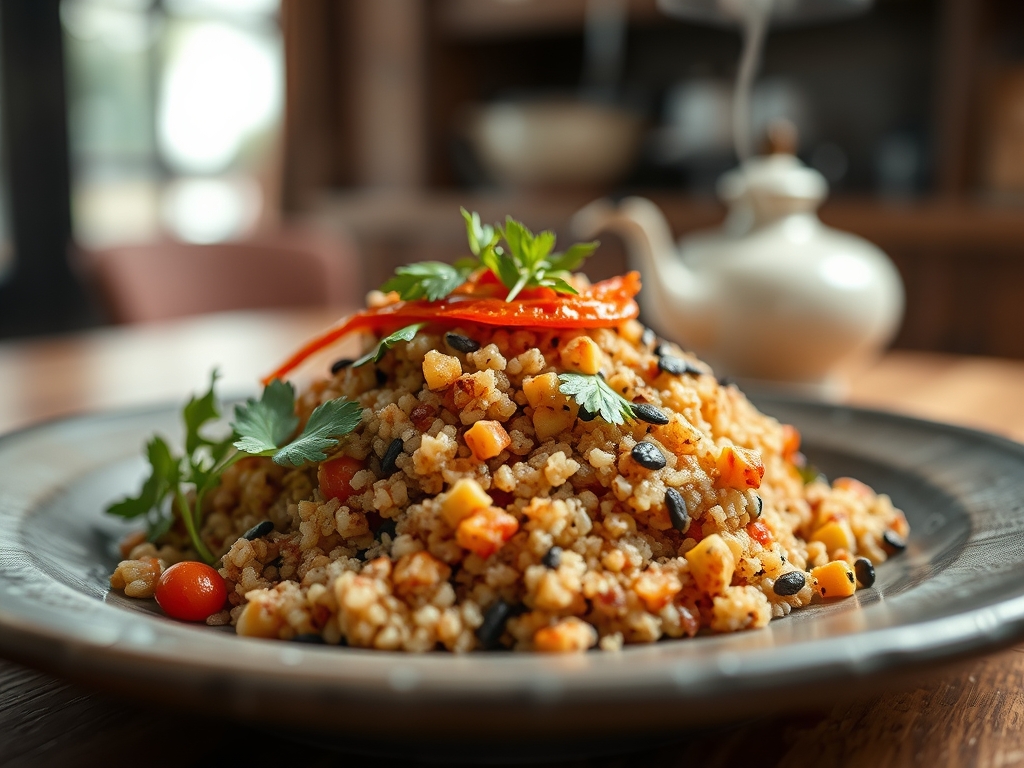
Referencing our Masterclass photo, notice the distinct separation of the quinoa grains. If your bowl looks like a solid mass, you have over-hydrated the seeds. The sweet potatoes should exhibit a deep, caramelized orange hue with blackened "beauty marks" on the corners. If they look pale, your oven temperature was too low, resulting in steaming rather than roasting. The avocado must be a vibrant, electric green. If you see brown oxidation, your lime juice application was insufficient or delayed. The sauce should be drizzled in a controlled, linear fashion. If it pools at the bottom, the viscosity was too low. The goal is a high-contrast visual palette where every ingredient maintains its structural identity.
THE DEEP DIVE
Macro Nutrition Profile:
This bowl is a powerhouse. Per serving, you are looking at approximately 450 calories, 15g of plant-based protein, 12g of healthy fats (primarily monounsaturated from the avocado and tahini), and 10g of dietary fiber. It is a low-glycemic index meal that provides sustained energy without the insulin spike associated with refined grains.
Dietary Swaps:
- Vegan: This recipe is natively vegan. Ensure your maple syrup is pure.
- Keto: Quinoa is too high in carbs for strict Keto. Swap the quinoa for riced cauliflower and increase the avocado portion.
- GF: Quinoa is naturally gluten-free; however, ensure your vegetable stock is certified GF to avoid cross-contamination.
Meal Prep & Reheating Science:
To maintain molecular structure during storage, under-cook the quinoa by two minutes. This prevents it from becoming mushy when reheated. Store the sauce and avocado separately. When reheating, add a teaspoon of water and cover with a damp paper towel to create a micro-steam environment in the microwave.
THE KITCHEN TABLE
Why is my quinoa bitter?
You skipped the audit. Saponins must be rinsed off thoroughly. Even "pre-washed" brands benefit from a secondary cold-water blast to ensure a clean, nutty flavor profile.
Can I use white quinoa instead of tri-color?
Yes, but you sacrifice texture. White quinoa is softer and loses its shape faster. Tri-color (red and black) has a sturdier bran coat that provides the essential "pop" required for this dish.
How do I keep my avocado from browning?
Oxidation is the enemy. Slice the avocado at the very last second and immediately coat the exposed surface with lime juice. The citric acid acts as a sacrificial antioxidant.
My tahini sauce is grainy. Help?
Quality matters. Use a premium, runny tahini. If it is "seizing," you likely added too little liquid. Continue whisking and add warm water drop by drop until the emulsion smooths out.