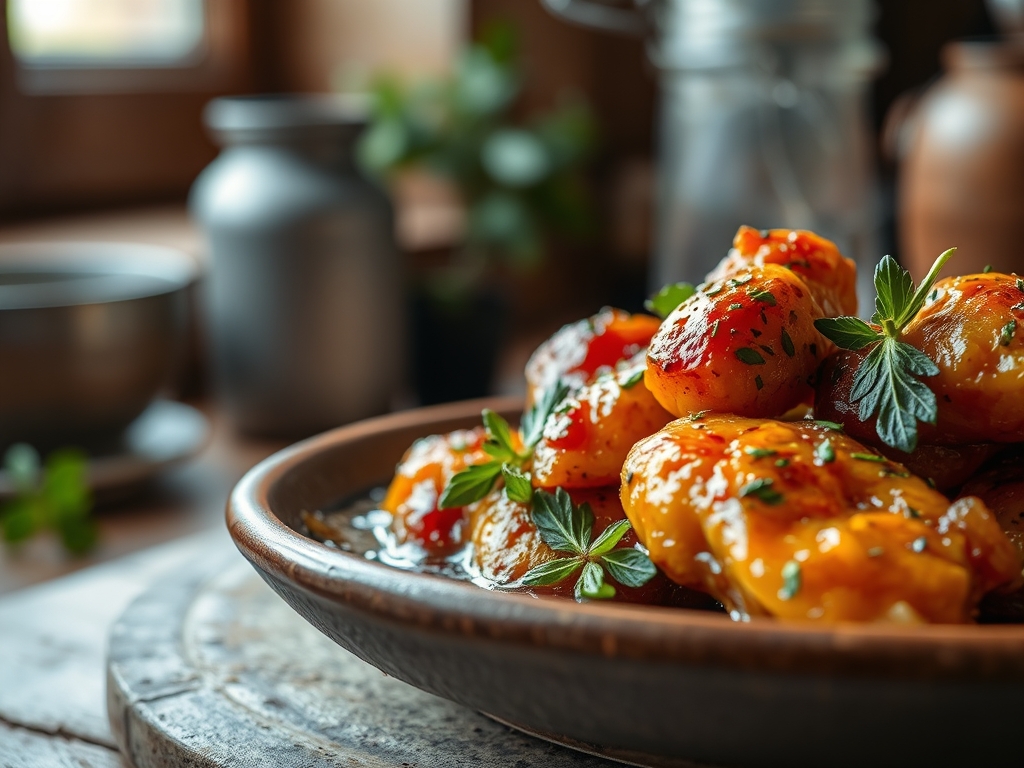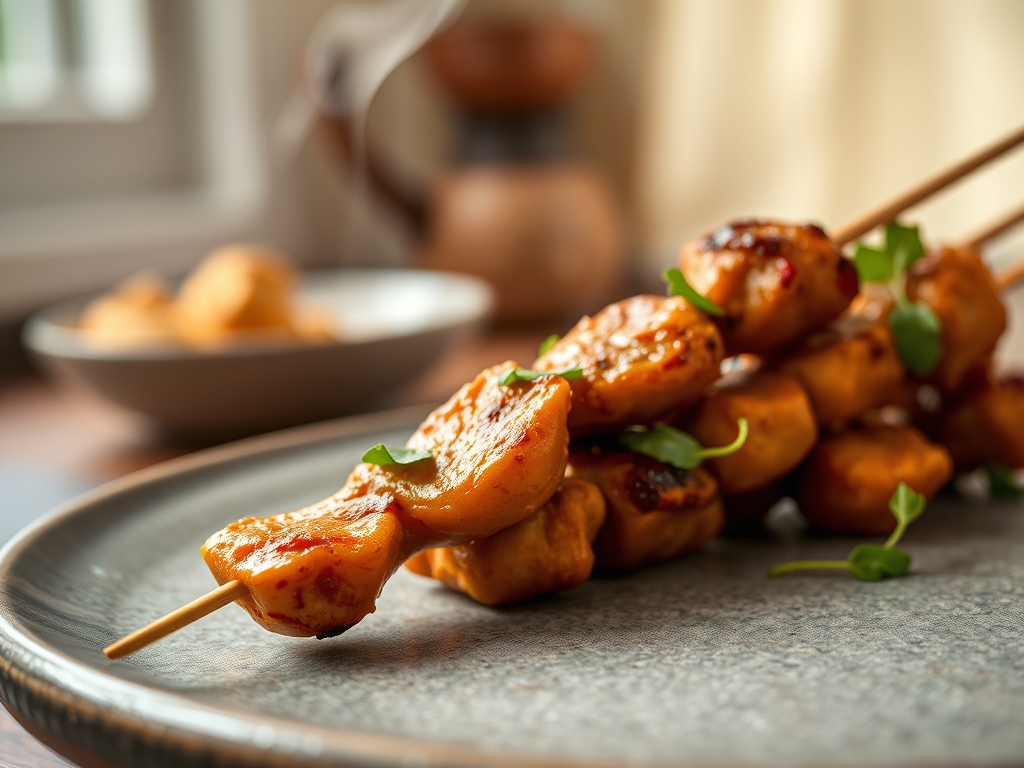
Listen to the sound of the mortar meeting the stone. It is not just a rhythmic thud; it is the systematic destruction of cellular walls. In the high-stakes world of Southeast Asian aromatics, Indonesian Sambal is the undisputed heavyweight champion of the condiment circuit. This is not a mere salsa or a passive hot sauce. It is a complex, lipid-bound emulsion of capsaicin, sulfurous alliums, and fermented umami that demands respect and a high-functioning ventilation system. To master the art of the sambal is to understand the precise moment when raw heat transforms into a deep, caramelized richness. We are talking about the extraction of raw fiber and the infusion of oils at temperatures that would make a standard vinaigrette weep. If you are looking for a mild garnish, you are in the wrong kitchen. We are here to audit the very infrastructure of spice, leveraging heat and friction to create a paste so viscous and piquant that it redefines your entire culinary baseline.
THE DATA MATRIX
| Metric | Specification |
|---|---|
| Prep Time | 25 Minutes |
| Execution Time | 40 Minutes |
| Yield | 500ml / 2 Cups |
| Complexity (1-10) | 7 |
| Estimated Cost per Serving | $0.45 USD |
THE GATHERS
Ingredient Protocol:
- 250g / 8.8oz Fresh Red Bird's Eye Chilies (Cabe Rawit)
- 150g / 5.3oz Red Shallots, peeled and halved
- 100g / 3.5oz Garlic Cloves, whole
- 200g / 7oz Roma Tomatoes, quartered
- 30g / 2 tbsp Terasi (Fermented Shrimp Paste)
- 15g / 1 tbsp Palm Sugar (Gula Jawa), shaved
- 10g / 2 tsp Sea Salt
- 120ml / 0.5 cup Neutral Oil (Rice Bran or Grapeseed)
- 15ml / 1 tbsp Lime Juice (Jeruk Limau)
Section A: Ingredient Quality Audit:
The primary failure point in most sambal builds is the moisture content of the aromatics. If your chilies are flaccid or showing signs of desiccation, the capsaicin concentration will be inconsistent. To fix this, shock your chilies in an ice bath for ten minutes to restore turgidity before processing. If your Terasi smells excessively ammoniated rather than toasted and savory, it has likely oxidized. The technical fix is a brief "dry-toast" in a stainless steel skillet until it darkens and becomes friable. Finally, if using standard brown sugar instead of authentic Gula Jawa, you will lack the complex molasses undertones; counteract this by adding a teaspoon of dark soy sauce to mimic the depth.
THE MASTERCLASS
Step-by-Step Execution:
1. The Thermal Softening Phase
Place your chilies, shallots, garlic, and tomatoes into a heavy-bottomed saucier with half the oil. Apply medium heat to soften the cellulose structures. You are not looking for a hard sear yet; you want to render the moisture out of the vegetables until they are translucent and fragrant.
Pro Tip: Use a digital thermometer to keep the oil between 120C and 140C. This temperature range ensures the aromatics soften without the sugars scorching, which would introduce a bitter profile to the base.
2. Mechanical Fiber Extraction
Transfer the softened mixture to a traditional stone mortar and pestle (Cobek) or a high-powered food processor. If using a processor, pulse in short bursts to maintain a coarse, fibrous texture. Do not over-process into a smooth puree; the goal is to aerate the paste while keeping the structural integrity of the chili skins.
Pro Tip: Use a bench scraper to efficiently move the ingredients from the cutting board or pan into the grinding vessel, ensuring no essential oils or juices are left behind on the workstation.
3. The Maillard Re-Fry (Tumis)
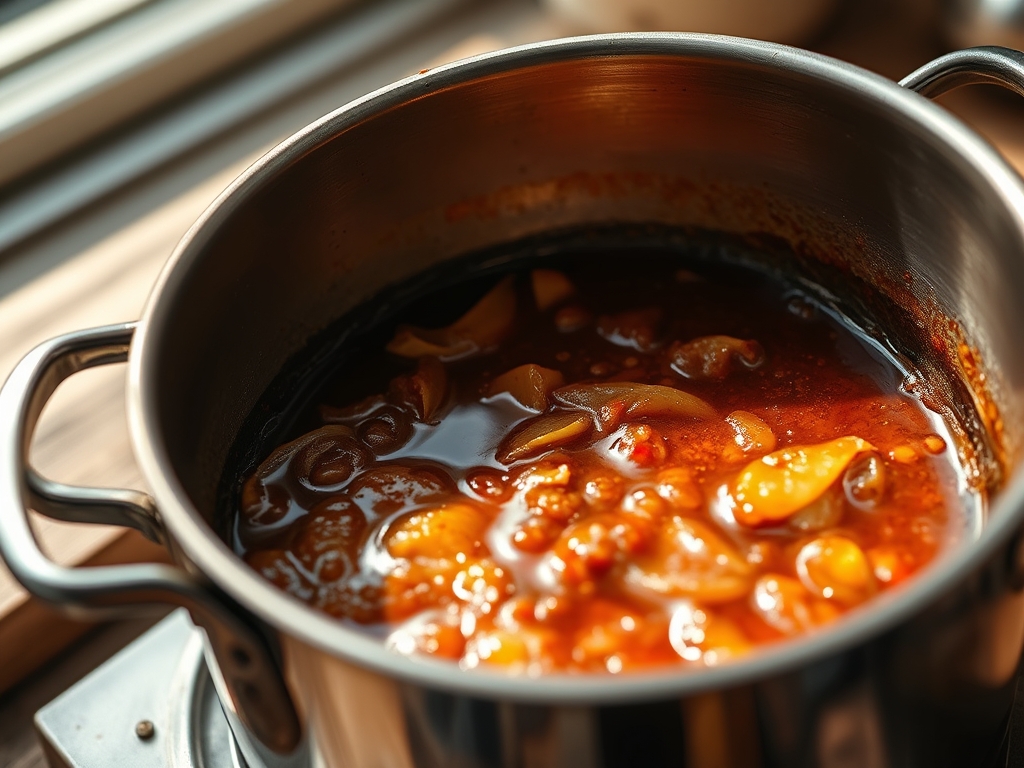
Return the ground paste to the saucier with the remaining oil and the Terasi. This is the "Tumis" phase where the magic happens. Fry the paste over medium-low heat, stirring constantly. You are waiting for the "oil separation" phase (Pecah Minyak), where the oil turns a deep red and separates from the solids.
Pro Tip: This is a chemical transition. As the water evaporates, the temperature of the paste rises above 100C, triggering the Maillard reaction in the shallots and garlic, which creates the signature savory depth of a professional Indonesian Sambal.
4. Stabilization and Seasoning
Once the oil has separated, incorporate the shaved palm sugar and sea salt. The sugar will melt and further darken the paste, creating a glossy, viscous finish. Remove from heat and stir in the lime juice to provide a bright, acidic counterpoint to the heavy lipids.
Pro Tip: Use a digital scale to measure your salt and sugar. In a high-intensity condiment, a variance of even five grams can throw the entire flavor profile out of equilibrium.
Section B: Prep & Timing Fault-Lines:
The most common human error is rushing the "Pecah Minyak" phase. If you pull the sambal off the heat before the oil separates, the flavor will remain "raw" and the shelf life will be significantly reduced because the water activity is too high. Conversely, if your heat is too high during the initial softening, you will create localized hot spots that burn the garlic. If you see black flecks in your garlic before the chilies have softened, immediately add a tablespoon of room-temperature oil to drop the pan's thermal energy and stir vigorously.
THE VISUAL SPECTRUM
Section C: Thermal & Visual Troubleshooting:
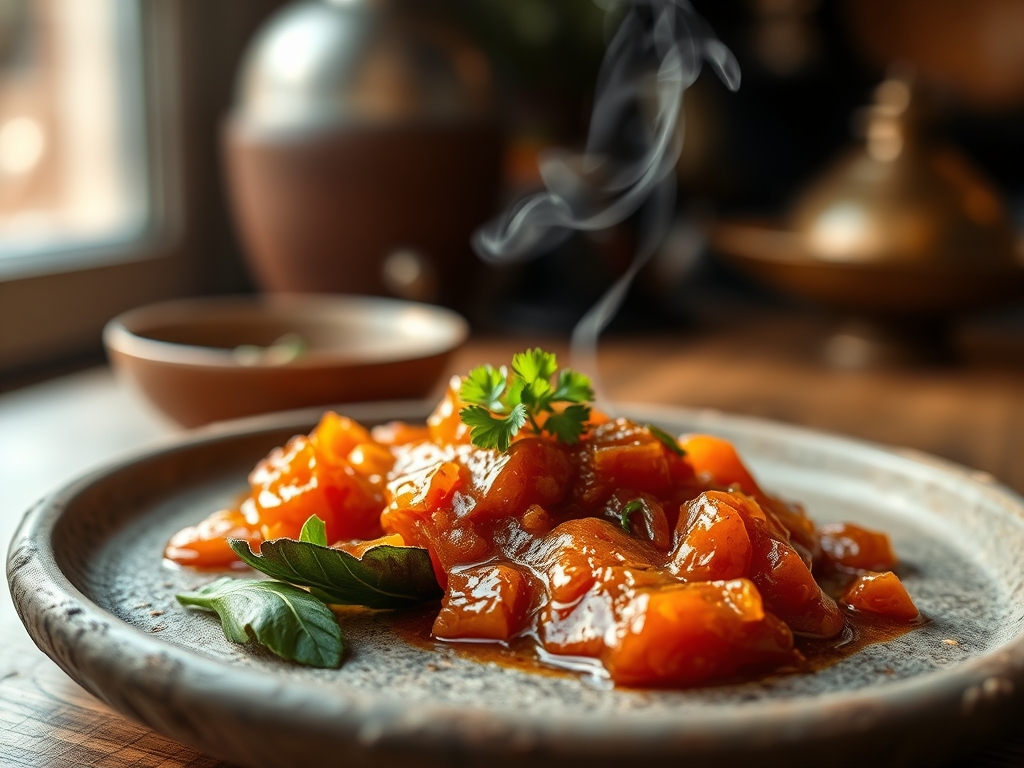
Referencing the Masterclass photo, your final product should exhibit a "crushed velvet" texture. If your sambal looks dull or orange rather than a vibrant, deep crimson, you likely under-cooked the tomatoes or used low-quality oil. The oil in the photo has a clear, ruby-tinted transparency; if yours is cloudy, you have an unstable emulsion caused by excess water. To fix a "muddy" appearance, continue simmering on the lowest possible setting until the steam ceases, indicating total moisture evaporation. If the texture is too chunky compared to the visual cue, return a portion of the sambal to the mortar and grind it further before folding it back into the main batch.
THE DEEP DIVE
Macro Nutrition Profile:
Per 30ml (2 tbsp) serving: 110 Calories, 9g Fat (mostly unsaturated from neutral oils), 6g Carbohydrates, 1g Protein. The high capsaicin content acts as a metabolic stimulant, though the primary value is the micronutrient density of the fresh chilies.
Dietary Swaps:
- Vegan: Replace Terasi with an equal amount of fermented red miso paste or a combination of nutritional yeast and finely minced shiitake mushrooms.
- Keto: Replace palm sugar with a monk fruit erythritol blend. The texture will remain consistent, though the caramelization profile will be slightly more subtle.
- Gluten-Free: Traditional sambal is naturally GF, but always audit your Terasi labels for wheat-based fillers.
Meal Prep & Reheating Science:
Sambal is a structural marvel. Because it is essentially a fat-preserved concentrate, it stores beautifully. In a sterilized glass jar, it will last for three weeks in the refrigerator. To reheat, do not microwave; the localized radiation will break the emulsion. Instead, place the desired portion in a small skillet over low heat to infuse the flavors once more. This gentle heating maintains the molecular structure of the oils and prevents the solids from becoming gritty.
THE KITCHEN TABLE
Why is my sambal incredibly bitter?
You likely scorched the garlic or the shrimp paste. Bitter compounds develop rapidly when alliums exceed 175C. Next time, monitor your thermal output more closely and ensure your aromatics are constantly in motion during the frying phase.
Can I use a blender instead of a mortar?
Yes, but be cautious. Blenders introduce too much air, which can oxidize the chilies and turn the paste pink. Use the lowest speed setting and pulse only until the desired fibrous texture is achieved.
How do I reduce the heat without losing flavor?
De-seed fifty percent of the chilies before processing. The "heat" is concentrated in the placenta and seeds; by removing them, you retain the floral, fruity notes of the chili flesh while significantly lowering the Scoville impact.
My oil is floating on top; is that bad?
Actually, that is the goal. In Indonesian culinary infrastructure, that layer of oil acts as a natural seal against oxygen, preventing spoilage. Stir it back in before serving to ensure a consistent mouthfeel and flavor distribution.