Imagine a street-side stall in the heart of Bangkok where the air vibrates with the rhythmic clanging of a heavy steel spatula against a seasoned wok. This is the theater of Thai Pad Thai; a dish that is less of a recipe and more of a high-stakes chemical reaction. You are not just cooking noodles. You are managing a volatile equilibrium between the piquant punch of tamarind, the saline depth of fermented fish sauce, and the high-velocity heat of a carbon steel surface. To the untrained eye, it looks like chaos. To the culinary auditor, it is a masterclass in the Maillard reaction and moisture management. If your noodles are clumping into a sad, beige mass of starch, you have failed the structural integrity test. We are here to ensure that every strand is coated in a viscous, amber glaze that shimmers under the kitchen lights. Prepare for a sensory overhaul where we strip away the fluff and focus on the thermal dynamics of the perfect stir-fry.
THE DATA MATRIX
| Metric | Specification |
|---|---|
| Prep Time | 25 mins |
| Execution Time | 8 mins |
| Yield | 2 Servings |
| Complexity | 7/10 |
| Estimated Cost per Serving | $4.50 USD |
THE GATHERS
Ingredient Protocol:
- 225g / 8oz Dried Rice Sticks (Medium width)
- 60ml / 4 tbsp Tamarind Concentrate (Seedless)
- 60ml / 4 tbsp Fish Sauce (High protein content)
- 50g / 1/4 cup Palm Sugar (Finely shaved)
- 100g / 3.5oz Extra Firm Tofu (Pressed and cubed)
- 150g / 5oz Large Shrimp (Peeled and deveined)
- 2 Large Eggs (Room temperature)
- 30g / 2 tbsp Preserved Radish (Finely minced)
- 20g / 1.5 tbsp Dried Shrimp (Rehydrated and chopped)
- 50g / 1 cup Fresh Bean Sprouts
- 30g / 1/2 cup Garlic Chives (Cut into 2-inch batons)
- 45ml / 3 tbsp Neutral Oil (High smoke point)
- 15g / 1 tbsp Roasted Peanuts (Crushed)
- 1 Lime (Cut into wedges)
Section A: Ingredient Quality Audit:
The most common failure point in Thai Pad Thai is the tamarind. If your concentrate is too watery, the noodles will over-hydrate and turn to mush before the flavor infuses. Audit your tamarind by checking its viscosity; it should mimic the thickness of cold maple syrup. If it is too thin, reduce it in a saucier over low heat until it coats the back of a spoon. Furthermore, palm sugar quality varies wildly. If yours is rock-hard, do not attempt to hack at it with a knife. Use a microplane or a heavy-duty bench scraper to create a fine powder that dissolves instantly. Sub-par fish sauce often lacks the "umami" backbone; look for brands that list only anchovies, salt, and water. Avoid those with added fructose or MSG, as they disrupt the delicate pH balance of the sauce.
THE MASTERCLASS
Step-by-Step Execution:
1. The Starch Hydration Protocol
Submerge your dried rice noodles in room-temperature water for exactly 45 to 60 minutes. Do not use boiling water. You are looking for a "flexible but firm" texture. If you can wrap a noodle around your finger without it snapping, but it still feels "al dente" to the bite, you have reached the optimal hydration state. Drain and set aside on a perforated tray.
Pro Tip: Use a digital scale to ensure your dry noodle weight is precise. Overloading the wok with starch leads to a temperature drop that prevents the Maillard reaction, resulting in steamed rather than seared noodles.
2. The Sauce Emulsification
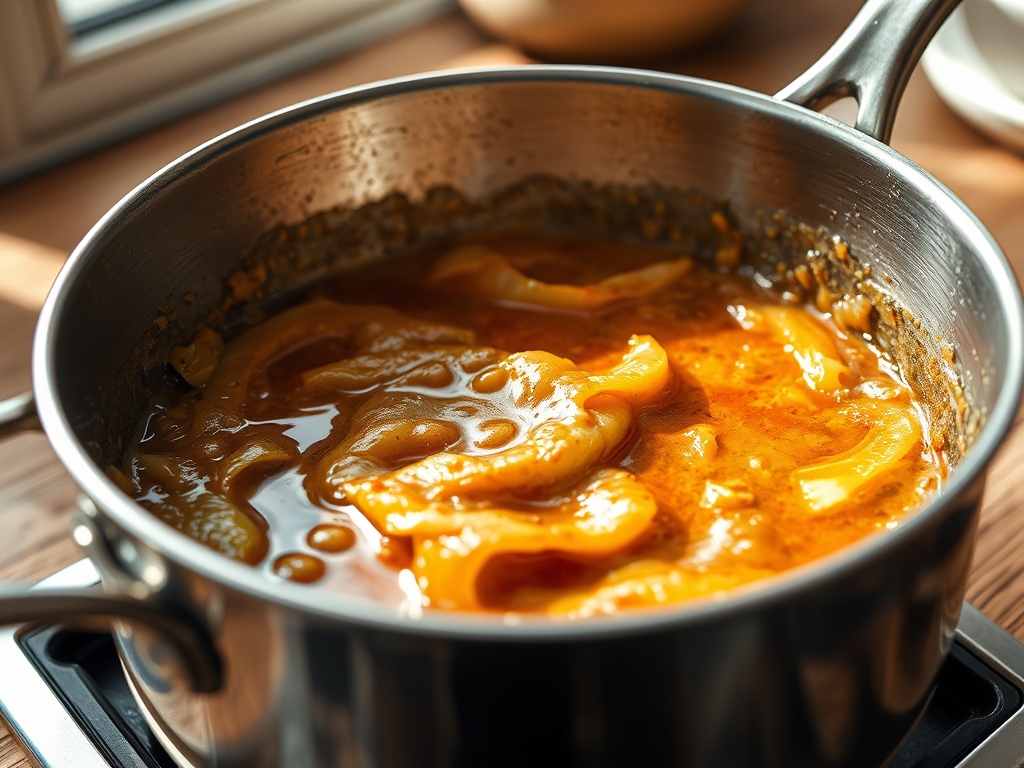
In a small saucier, combine the tamarind, fish sauce, and shaved palm sugar. Heat gently until the sugar dissolves. The goal is a perfect tripartite balance of sweet, sour, and salty. The liquid should be thick and dark.
Pro Tip: Use a silicone whisk to ensure the palm sugar is fully integrated. A well-emulsified sauce will coat the noodles evenly rather than pooling at the bottom of the wok.
3. The Protein Render
Heat your wok until it reaches the "breath of the wok" (Wok Hei) threshold. Add the oil and sear the shrimp and tofu. Remove the shrimp once they reach an internal temperature of 120F (49C) using an instant-read thermometer to prevent overcooking. Leave the tofu to continue browning.
Pro Tip: A heavy carbon steel wok is the essential tool here. It retains thermal mass better than stainless steel, allowing you to render the fat and sear the proteins without a significant temperature crash.
4. The Aromatics and Starch Integration
Add the preserved radish and dried shrimp to the wok. Stir for 30 seconds until the oil is fragrant. Toss in the hydrated noodles and the prepared sauce. Increase the heat to maximum and toss vigorously using a long-handled wok spatula.
Pro Tip: Use a bench scraper to keep your prep area clean as you work. Speed is critical here; the noodles will absorb the sauce in seconds, and you must keep them moving to prevent sticking.
5. The Egg Aeration
Push the noodle mass to one side of the wok. Add a tiny drop of oil to the empty space and crack the eggs directly onto the metal. Let the whites set for 10 seconds, then break the yolks and scramble lightly. Fold the noodles over the eggs.
Pro Tip: Aerate the eggs by lifting them with the spatula as they set. This creates light, fluffy ribbons of protein that provide a textural contrast to the dense, chewy noodles.
6. The Final Fold
Add the bean sprouts and garlic chives. Give the mixture one final, high-heat toss for no more than 30 seconds. The sprouts should be slightly wilted but still retain a structural "snap." Remove from heat immediately.
Pro Tip: Use precision plating tweezers to top the dish with crushed peanuts and lime wedges. This ensures the garnish is distributed for maximum visual and flavor impact.
Section B: Prep & Timing Fault-Lines:
The most frequent human error is "crowding the wok." If you attempt to cook four servings at once in a standard home wok, the temperature will plummet. This causes the noodles to release starch and stick together. Cook in batches of two. Another fault-line is the "soak time." If you forget the noodles and they over-soak, they will disintegrate. If they are under-soaked, they will remain brittle. Use a digital timer to monitor the hydration process. Finally, do not add water to the wok during the stir-fry phase. This creates steam, which destroys the "Wok Hei" and results in a soggy product.
THE VISUAL SPECTRUM
Section C: Thermal & Visual Troubleshooting:
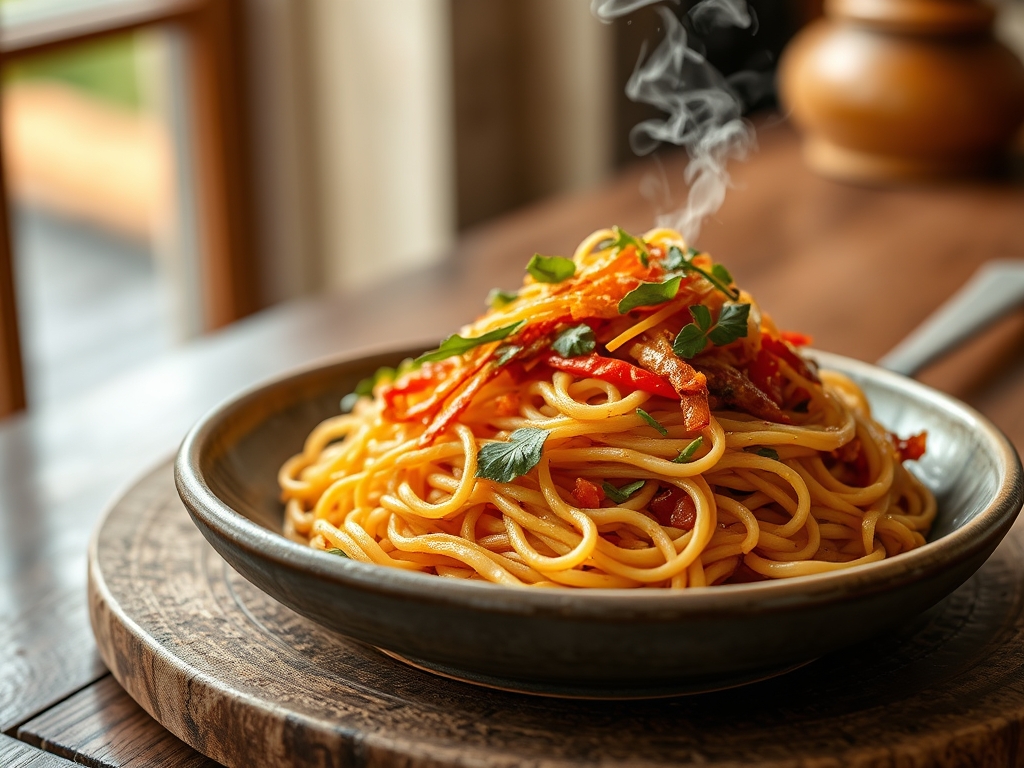
Referencing the Masterclass photo, your Thai Pad Thai should exhibit a deep, reddish-brown hue. If your noodles look pale, your tamarind-to-sugar ratio is off, or you didn't allow the sauce to caramelize. If the dish looks "wet," you either added too much sauce or didn't have the heat high enough to evaporate the excess moisture. The bean sprouts should look vibrant and translucent, not brown and limp. If your eggs are invisible, you folded them in too early; they should appear as distinct yellow and white flecks throughout the dark noodles. Use the lime wedge not just for flavor, but as a visual "pop" to signal freshness.
THE DEEP DIVE
Macro Nutrition Profile:
A standard serving of Thai Pad Thai contains approximately 600 to 800 calories. It is high in complex carbohydrates and protein (from shrimp, tofu, and eggs). However, it is also high in sodium due to the fish sauce and preserved radish.
Dietary Swaps:
- Vegan: Replace fish sauce with a "no-fish" sauce made from fermented soybeans and mushroom extract. Use extra tofu or seitan instead of shrimp.
- Keto: Replace rice noodles with shirataki (konjac) noodles or spiralized zucchini. Replace palm sugar with a monk fruit or erythritol sweetener.
- GF: Naturally gluten-free, but ensure your fish sauce and tamarind are certified to avoid cross-contamination.
Meal Prep & Reheating Science:
Rice noodles lose their molecular structure when refrigerated; the starch undergoes retrogradation, making them hard and brittle. To reheat, add a tablespoon of water and cover with a damp paper towel before microwaving for 60 seconds. This re-hydrates the starch molecules and restores the "chew."
THE KITCHEN TABLE
Why are my noodles sticking to the wok?
Your wok wasn't hot enough or you didn't use enough oil. Ensure the oil is shimmering before adding ingredients. Also, avoid moving the noodles too much until they have begun to sear.
Can I use tamarind paste instead of concentrate?
Paste often contains seeds and fibers. You must strain it and dilute it with warm water to reach a viscous consistency before adding it to your sauce base.
What is the best substitute for garlic chives?
Use the green tops of scallions mixed with a small amount of minced garlic. The flavor profile is similar, though you will lose the specific structural "snap" of the chive.
Why does my Pad Thai taste too fishy?
The balance of tamarind (acid) and palm sugar (sweet) is likely too low. Increase these components to mask the intensity of the fish sauce without losing the salty depth.