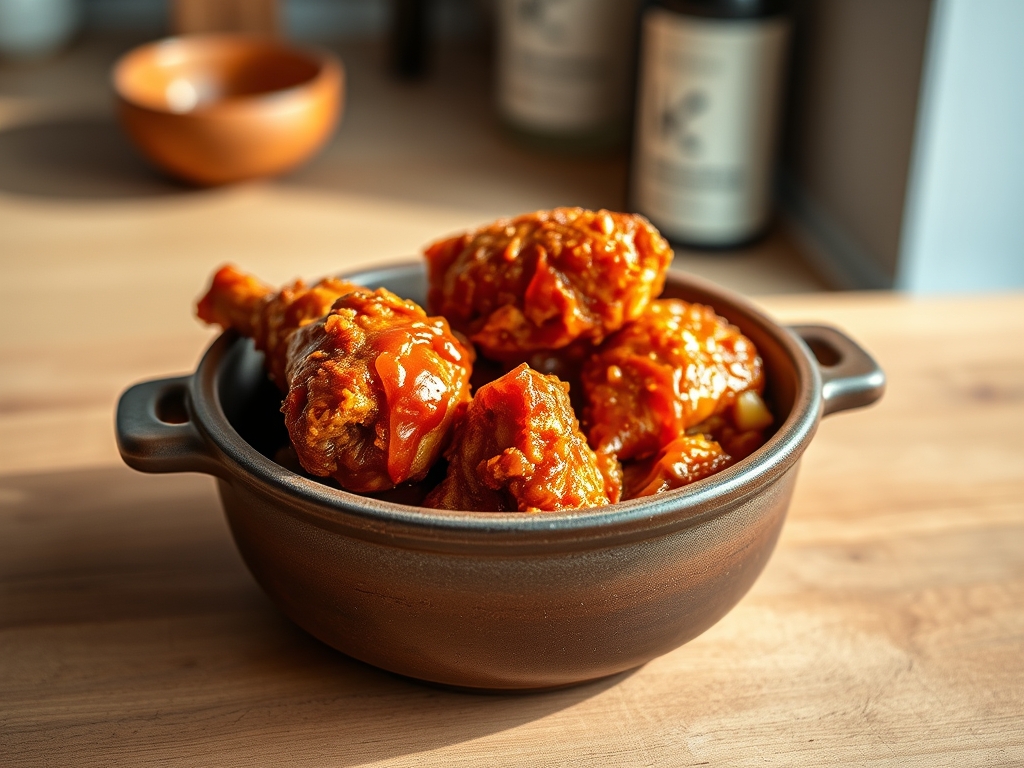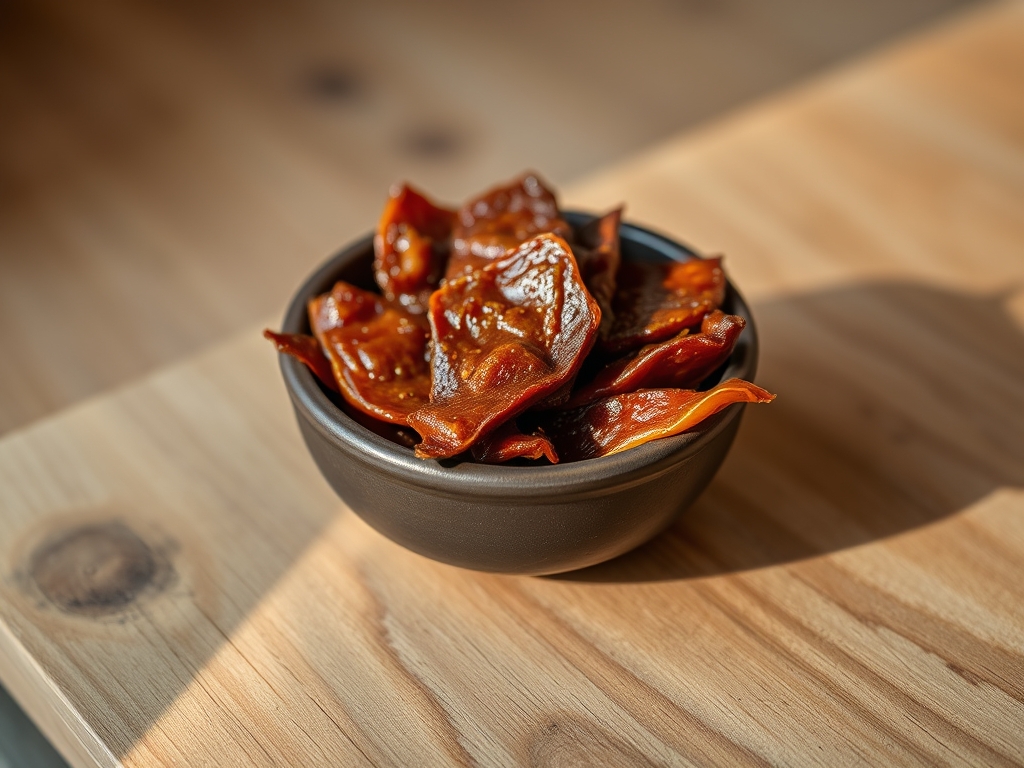
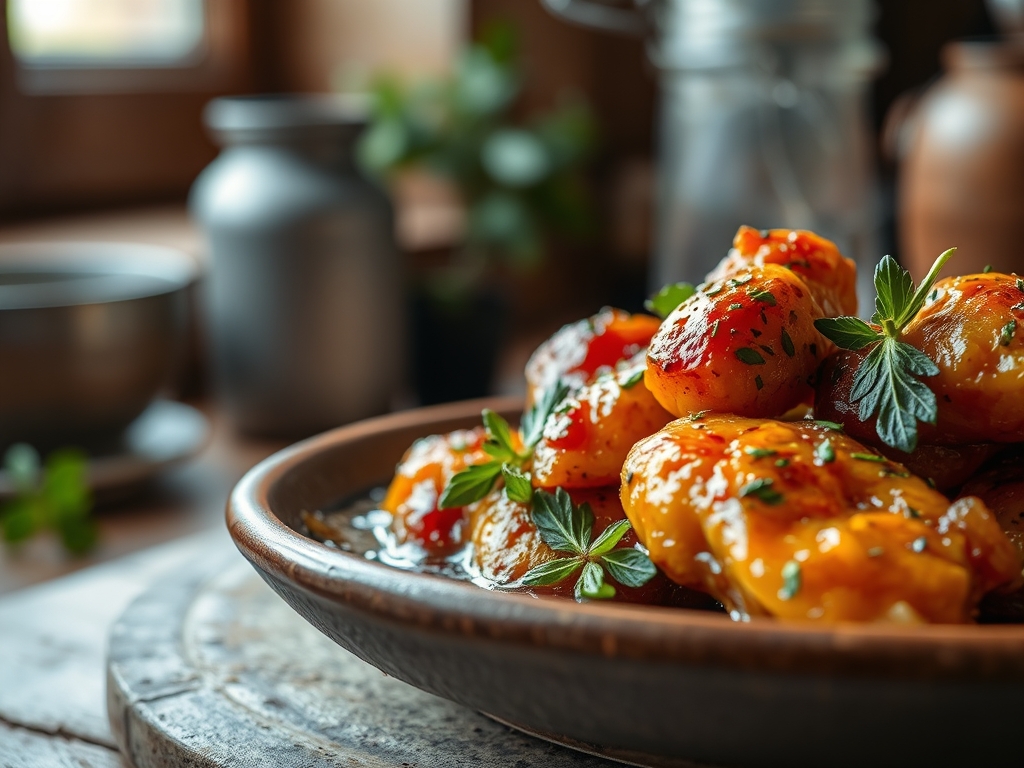
The scent of a high-performance kitchen during a service rush is a symphony of chemical warfare, but nothing pierces the humidity quite like the volatile oils of a Peri Peri Marinade hitting a 500-degree grate. We are not just talking about a sauce; we are discussing a structural blueprint for flavor delivery that relies on the aggressive synergy of African Bird's Eye chilies, acidic citrus, and lipid-based emulsification. When executed with precision, this marinade acts as a thermal shield, protecting delicate proteins while undergoing a violent Maillard reaction that creates a charred, umami-rich crust. It is piquant, it is unapologetic, and it requires a level of technical discipline that separates the home cook from the culinary architect. To master this, you must understand the molecular tension between the water-soluble acids and the oil-soluble capsaicin. We are here to audit your current process and upgrade your infrastructure to industrial standards. Strap in, calibrate your digital scales, and prepare to engineer the most potent, viscous, and vibrant marinade in your professional repertoire.
THE DATA MATRIX
| Metric | Specification |
|---|---|
| Prep Time | 15 Minutes |
| Execution Time | 5 Minutes (Blender Runtime) |
| Yield | 750ml / 3 Cups |
| Complexity | 4/10 |
| Estimated Cost per Serving | $0.85 USD |
THE GATHERS
Ingredient Protocol:
- 120g / 1 cup Bird's Eye Chilies (stems removed)
- 60g / 8 cloves Fresh Garlic (peeled)
- 250ml / 1 cup Neutral Oil (Grapeseed or Avocado)
- 125ml / 0.5 cup Red Wine Vinegar
- 60ml / 0.25 cup Fresh Lemon Juice
- 15g / 1 tbsp Smoked Paprika (Spanish Pimenton)
- 10g / 2 tsp Sea Salt (Fine grain)
- 5g / 1 tsp Dried Oregano
- 2 Large Red Bell Peppers (roasted and deseeded)
Section A: Ingredient Quality Audit:
If your chilies are shriveled or lack that snappy turgor pressure, the capsaicin concentration will be inconsistent. To fix this, rehydrate dried chilies in warm vinegar for ten minutes before processing to ensure a smooth texture. If your garlic has sprouted green "hearts," the flavor will be bitter and metallic; remove the germ manually or blanch the cloves for thirty seconds to neutralize the sulfurous bite. Using a low-quality oil with a low smoke point will result in a rancid aftertaste once the marinated protein hits the grill. Always opt for oils with high thermal stability to maintain the integrity of the infuse process.
THE MASTERCLASS
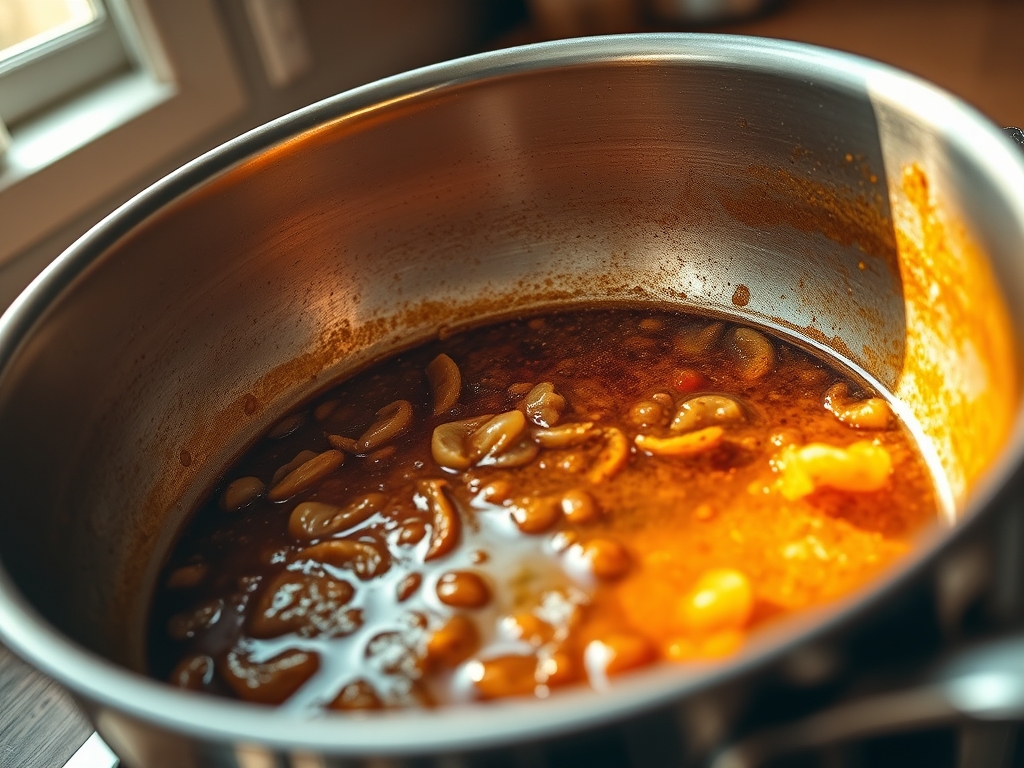
1. The Char and Deseed Phase
Begin by roasting your red bell peppers over an open flame or under a broiler until the skin is completely carbonized. Use a bench scraper to remove the blackened skin under cold running water. This step is vital because it introduces a smoky depth that balances the sharp acidity of the vinegar.
Pro Tip: Roasting the peppers creates caramelization of the natural sugars, which provides a structural counterbalance to the heat of the Bird's Eye chilies. This ensures the marinade has a complex profile rather than a one-dimensional burn.
2. Precision Weight and Measure
Place your high-speed blender carafe on a digital scale and tare it to zero. Add your solid aromatics first; the garlic, chilies, and roasted peppers. Following this with your dry spices ensures that they are trapped under the liquid weight, preventing them from sticking to the lid during the initial pulse.
Pro Tip: Measuring by weight rather than volume is the only way to ensure consistency in a commercial-grade Peri Peri Marinade. A 5-gram variance in salt can shift the entire flavor profile from savory to inedible.
3. The Emulsification Sequence
Start the blender on its lowest setting to break down the solids into a coarse paste. While the motor is running, slowly stream in the oil and vinegar. This creates a stable emulsion, where the oil droplets are suspended in the acidic liquid, resulting in a viscous coating that clings to meat without sliding off.
Pro Tip: Using a saucier to slightly warm the vinegar before adding it can help the spices bloom, releasing fat-soluble compounds that would otherwise remain dormant. This maximizes the "hit" of the smoked paprika.
4. Aeration and Finishing
Increase the blender speed to maximum for 60 seconds. This will aerate the mixture, turning it from a dark red to a vibrant, creamy orange. The high shear force breaks the chili skins into microscopic particles, ensuring a smooth mouthfeel and even heat distribution.
Pro Tip: High-speed blending introduces oxygen, which can dull the color over time. If you are not using the marinade immediately, store it in an airtight container with a layer of oil on top to prevent oxidation.
Section B: Prep & Timing Fault-Lines:
The most common failure in Peri Peri application is the "short-soak" error. Because of the high acid content, marinating chicken for more than 24 hours will begin to "cook" the protein chemically, resulting in a mealy texture. Aim for a 6 to 12-hour window. Conversely, if the marinade is too cold when applied to a hot pan, it will drop the surface temperature of the metal, preventing the protein from being able to render fat and develop a crust. Always bring your marinated protein to room temperature for 20 minutes before cooking.
THE VISUAL SPECTRUM
Section C: Thermal & Visual Troubleshooting:
Look at the Masterclass photo; notice the high-gloss finish and the way the sauce clings to the ridges of the chicken. If your marinade looks dull or "matte," you have a broken emulsion. To fix this, whisk in a teaspoon of mustard or a bit more oil while blending. If the color is brown rather than vibrant red, you likely over-roasted the peppers or used old paprika. To brighten the visual profile, add a tablespoon of tomato paste or a dash of fresh beet juice. If the sauce is too thin, it will pool at the bottom of the dish; increase the ratio of roasted peppers to provide more fiber and body to the suspension.
THE DEEP DIVE
Macro Nutrition Profile:
A standard 30ml serving contains approximately 120 calories, 12g of healthy fats (from the oil), 2g of carbohydrates, and zero cholesterol. It is a high-density flavor delivery system with minimal caloric impact compared to sugar-based BBQ sauces.
Dietary Swaps:
- Vegan: This recipe is naturally vegan. Ensure your red wine vinegar is processed without animal-derived fining agents.
- Keto: The recipe is perfectly keto-compliant as it avoids added sugars.
- GF: Naturally gluten-free. Always check your smoked paprika for anti-caking agents that may contain trace gluten.
Meal Prep & Reheating Science:
When reheating proteins coated in Peri Peri, avoid the microwave. The high heat of a microwave causes the oil in the marinade to separate and the vinegar to evaporate, leaving the meat dry and the flavor "broken." Use a low-temperature oven (300F) to gently warm the meat, which allows the lipids to re-liquefy and redistribute across the surface, maintaining the molecular structure of the crust.
THE KITCHEN TABLE
How long does the marinade last in the fridge?
Due to the high acidity and salt content, this marinade will remain shelf-stable in a refrigerator for up to three weeks. Always store in glass to avoid plastic leaching or staining from the potent chili oils.
Can I use this on seafood?
Yes, but reduce the marinating time to 30 minutes. The high acid content will denature the delicate proteins in shrimp or white fish very quickly, essentially turning your Peri Peri into a spicy ceviche if left too long.
Why is my marinade too spicy?
The heat lives in the pith and seeds of the Bird's Eye chilies. To calibrate the heat downward, remove the seeds before blending. You can also increase the volume of roasted bell peppers to dilute the capsaicin concentration.
What is the best way to apply it?
Use a silicone basting brush to apply a base layer before cooking. For the final two minutes of grilling, apply a "finish coat" to create that signature glossy, tacky texture seen in professional rotisseries.