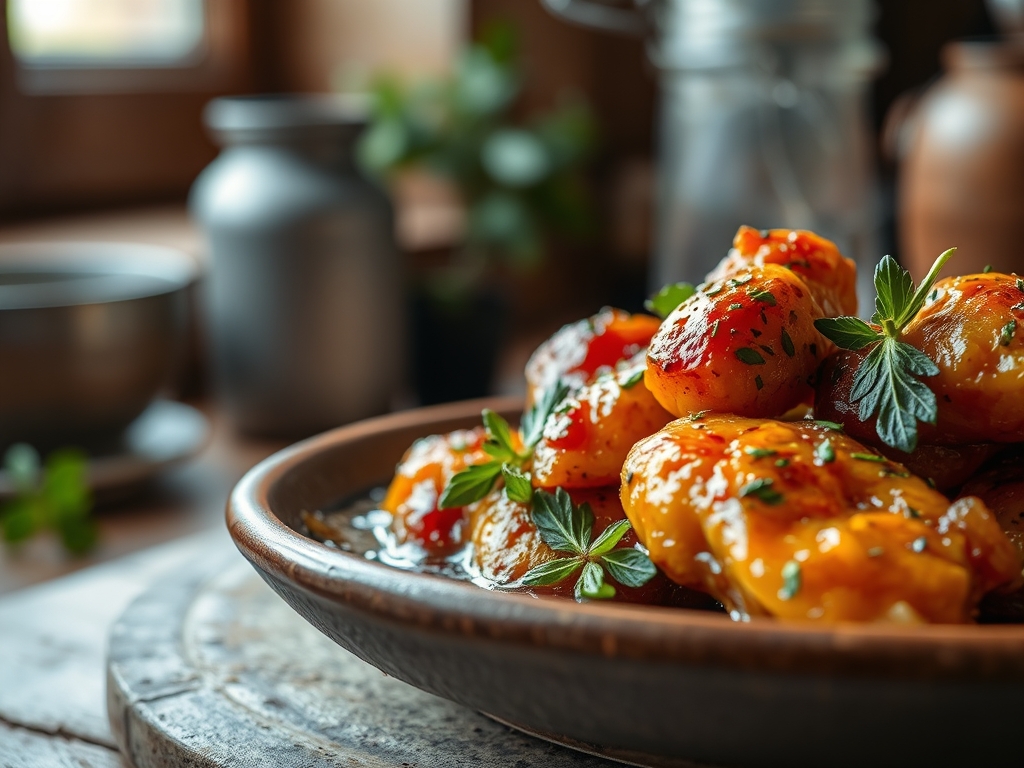
Listen up, culinary architects. We are moving beyond the realm of soggy, uninspired starches and entering the high-stakes world of structural integrity and thermal precision. We are talking about Spicy Polenta Cakes; a dish that requires the soul of an artist and the cold, calculating mind of a structural engineer. The goal is a crystalline, golden-brown exterior that shatters upon impact, revealing a creamy, piquant interior that flows like molten gold. Most home cooks fail because they treat cornmeal like a passive participant. In this kitchen, we treat it like a temperamental polymer. We are managing hydration levels, starch gelatinization, and the delicate dance of the Maillard reaction. If your polenta is currently a weeping, bland mass of disappointment, you have come to the right audit. We are going to strip back the fluff and focus on the technical heat required to turn humble grain into a high-performance gastronomic vehicle. Prepare to calibrate your sensors; we are building something substantial.
THE DATA MATRIX
| Metric | Specification |
|---|---|
| Prep Time | 20 Minutes |
| Execution Time | 45 Minutes (plus chilling) |
| Yield | 12 Cakes |
| Complexity (1-10) | 6.5 |
| Estimated Cost per Serving | $1.45 |
THE GATHERS
Ingredient Protocol:
- 250g / 1.5 cups Coarse-Ground Yellow Cornmeal (Stone-ground preferred)
- 1L / 4 cups Vegetable Stock or Filtered Water
- 60ml / 0.25 cup Heavy Cream (36% milkfat)
- 50g / 3.5 tbsp Unsalted Butter (High fat European style)
- 10g / 2 tsp Smoked Paprika
- 5g / 1 tsp Crushed Red Pepper Flakes
- 2g / 0.5 tsp Cayenne Pepper
- 100g / 1 cup Parmigiano Reggiano, finely grated
- 15ml / 1 tbsp Extra Virgin Olive Oil (for searing)
- 10g / 2 tsp Kosher Salt (adjust based on stock salinity)
Section A: Ingredient Quality Audit:
The primary failure point in Spicy Polenta Cakes is the cornmeal itself. If you are using "instant" or "precooked" polenta, you are inviting structural collapse. These products lack the necessary starch density to hold a sharp edge after frying. Technical Fix: Always source stone-ground, non-degerminated cornmeal. It retains the germ and oils, providing a superior mouthfeel and better crisping potential. If your spices lack vibrancy, they have likely oxidized. Technical Fix: Bloom your red pepper flakes and paprika in the butter before adding the liquid. This process uses heat to infuse the fat with fat-soluble flavor compounds, ensuring the heat is integrated into the matrix rather than sitting on top of it like an afterthought.
THE MASTERCLASS
1. The Hydration Phase
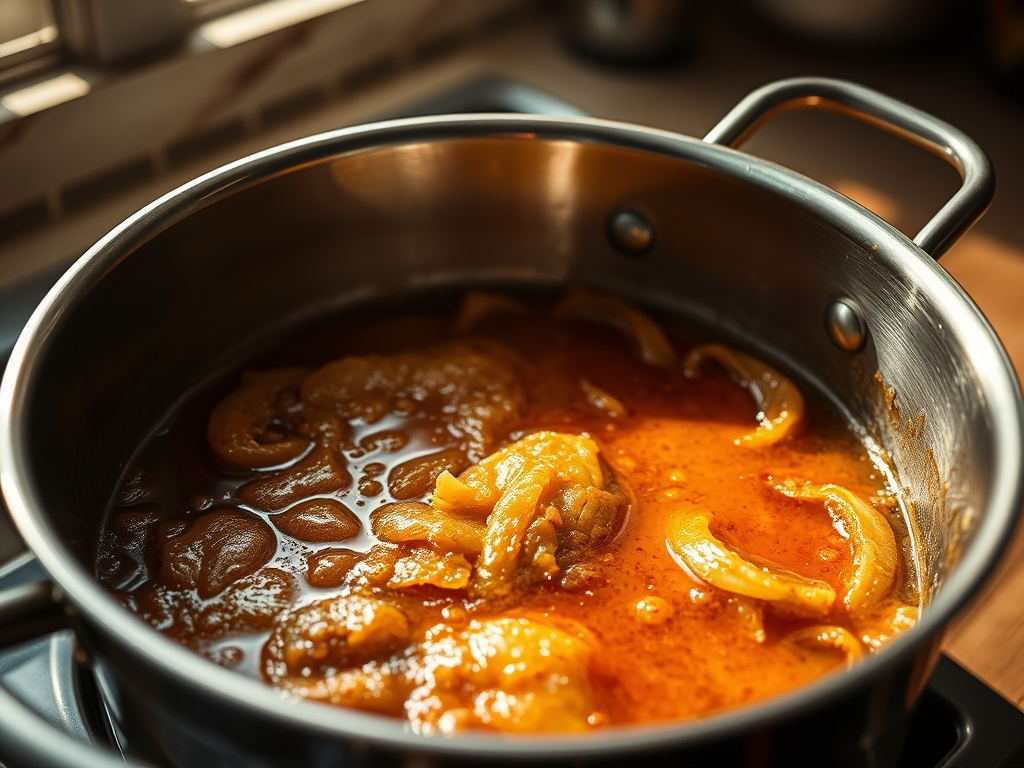
Bring your stock to a rolling boil in a heavy-bottomed saucier. Using a whisk, create a vortex and slowly rain in the cornmeal. This prevents clumping by ensuring each grain is individually hydrated before it can bond to its neighbor. Reduce heat to the lowest setting immediately.
Pro Tip: Use a digital scale to measure your cornmeal by weight rather than volume. Humidity affects how cornmeal settles in a cup; weight is the only way to ensure the water-to-starch ratio is perfect for structural setting.
2. The Starch Gelatinization
Cook the polenta for 30 to 40 minutes, stirring frequently with a wooden spoon or heat-resistant spatula. You are looking for the mixture to become viscous and pull away from the sides of the pan. This indicates the starches have fully swelled and burst, creating a cohesive gel.
Pro Tip: Constant agitation is not just for preventing scorching. It helps aerate the mixture slightly and ensures even heat distribution, which is vital for a uniform texture that won't crack during the cooling phase.
3. The Flavor Infusion
Once the polenta is thick, fold in the butter, heavy cream, grated cheese, and the bloomed spice mixture. Stir vigorously until the fat is fully emulsified. The mixture should look glossy and rich. Taste and adjust salt; remember that cold temperatures dull salt perception, so season slightly more than you think is necessary.
Pro Tip: Use a silicone spatula to ensure you are scraping the "fond" from the bottom of the pan. Those toasted bits of corn add a nutty depth that complements the piquant kick of the cayenne.
4. The Structural Setting
Line a baking sheet with parchment paper. Pour the hot polenta onto the sheet and use a bench scraper to level it to a uniform thickness of about 2 centimeters. Cover the surface directly with plastic wrap to prevent a skin from forming. Refrigerate for at least 3 hours, or until completely firm.
Pro Tip: A bench scraper is the superior tool here for creating perfectly flat surfaces and sharp 90-degree angles. Uniform thickness is the only way to ensure every cake hits the pan with the same surface area for even browning.
5. The Maillard Execution
Once chilled, cut the polenta into squares or circles. Heat olive oil in a cast-iron skillet over medium-high heat. Carefully place the cakes in the pan. Do not crowd them. Sear for 4 to 5 minutes per side until a deep, mahogany crust forms.
Pro Tip: Resist the urge to move the cakes. The Maillard reaction requires uninterrupted contact with the heat source to develop that crunch. If the cake sticks, it is not ready to be flipped. The starch will naturally release once the crust has formed.
Section B: Prep & Timing Fault-Lines:
The most common human error is rushing the cooling process. If the internal temperature of the polenta is still above 40 degrees Fahrenheit when you slice it, the internal steam will compromise the structural integrity, leading to a "blowout" in the frying pan. Technical Fix: If you are short on time, use a metal tray and place it in the freezer for 20 minutes to jump-start the heat transfer, but always finish in the fridge. Another fault-line is oil temperature. If the oil isn't shimmering, the polenta will absorb the fat instead of searing, resulting in a greasy, heavy product. Use an infrared thermometer to verify the pan is at 375 degrees Fahrenheit before proceeding.
THE VISUAL SPECTRUM
Section C: Thermal & Visual Troubleshooting:
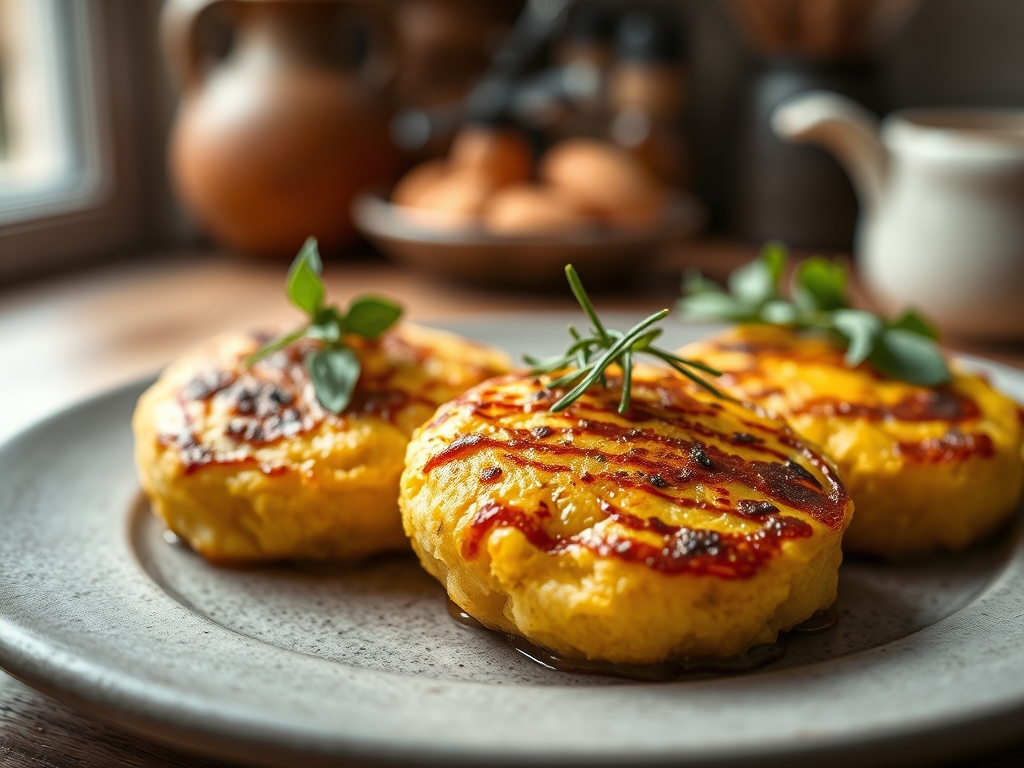
Referencing the Masterclass photo, your Spicy Polenta Cakes should exhibit a high-contrast color palette. The exterior must be a "Tiger-eye" brown; a variegated mix of deep gold and charred amber. If your cakes look pale or "blond," your pan temperature was too low or your fat content was insufficient to conduct heat. If the edges are jagged or crumbling, your knife was likely dull or the polenta was not fully set. Technical Fix: Use a hot, wet knife to slice the chilled polenta for surgical precision. If the cheese wasn't fully incorporated, you might see white flecks on the surface. While aesthetically interesting, this indicates an incomplete emulsion. Ensure the cheese is finely microplaned so it melts instantly into the hot starch matrix.
THE DEEP DIVE
Macro Nutrition Profile:
Each serving (2 cakes) typically contains 240 calories, 14g of fat, 22g of carbohydrates, and 6g of protein. The high fat content comes from the dairy and butter, which is necessary to balance the capsaicin heat.
Dietary Swaps:
- Vegan: Replace butter with a high-quality vegan block and use coconut cream or cashew cream instead of heavy dairy. Substitute nutritional yeast for the Parmigiano Reggiano to maintain the umami profile.
- Keto: Polenta is inherently high-carb. For a keto-friendly "grit" alternative, use riced cauliflower cooked down with heavy cream and xanthan gum to mimic the viscosity.
- GF: Cornmeal is naturally gluten-free, but cross-contamination is common. Ensure your brand is certified.
Meal Prep & Reheating Science:
To maintain the molecular structure, do not microwave these cakes. Microwaving vibrates water molecules, which will turn your crisp crust into a soggy mess. Instead, reheat in an air fryer at 400 degrees Fahrenheit for 5 minutes or in a dry skillet. This flashes the surface moisture away and re-crisps the exterior fats.
THE KITCHEN TABLE
Why does my polenta feel gritty even after 40 minutes?
You likely used a "flint" corn variety with a thicker pericarp. Add 100ml more liquid and continue to render the starch over low heat. Patience is the only fix for stubborn cellulose.
Can I add fresh herbs to the mix?
Absolutely. Fold in chopped rosemary or thyme during the final emulsification. Do not add them at the start, as prolonged boiling will destroy the volatile oils and turn the herbs gray and bitter.
My cakes are falling apart in the pan. Help!
This is a hydration failure. Either the water-to-cornmeal ratio was too high, or you didn't cook it long enough to achieve full gelatinization. Next time, cook until the spoon stands upright in the center of the pot.
How do I get that perfectly spicy "kick"?
The secret is the cayenne and red pepper flake combo. The flakes provide localized "heat spikes," while the cayenne provides a consistent, underlying glow. Always bloom them in fat to maximize their reach.