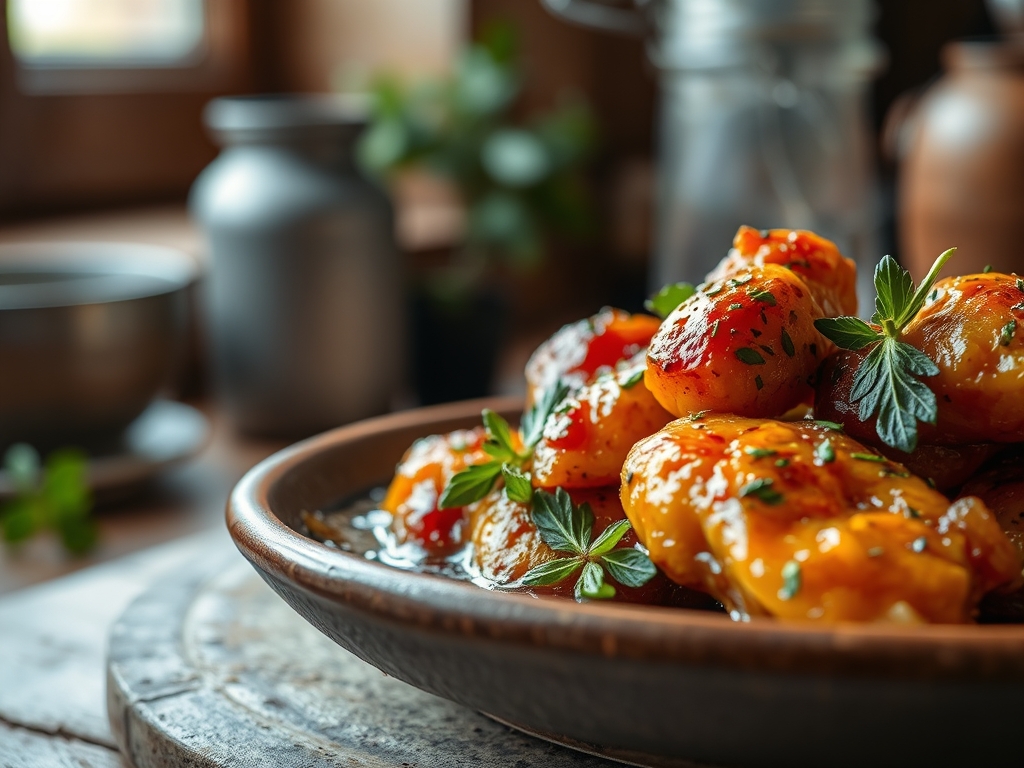
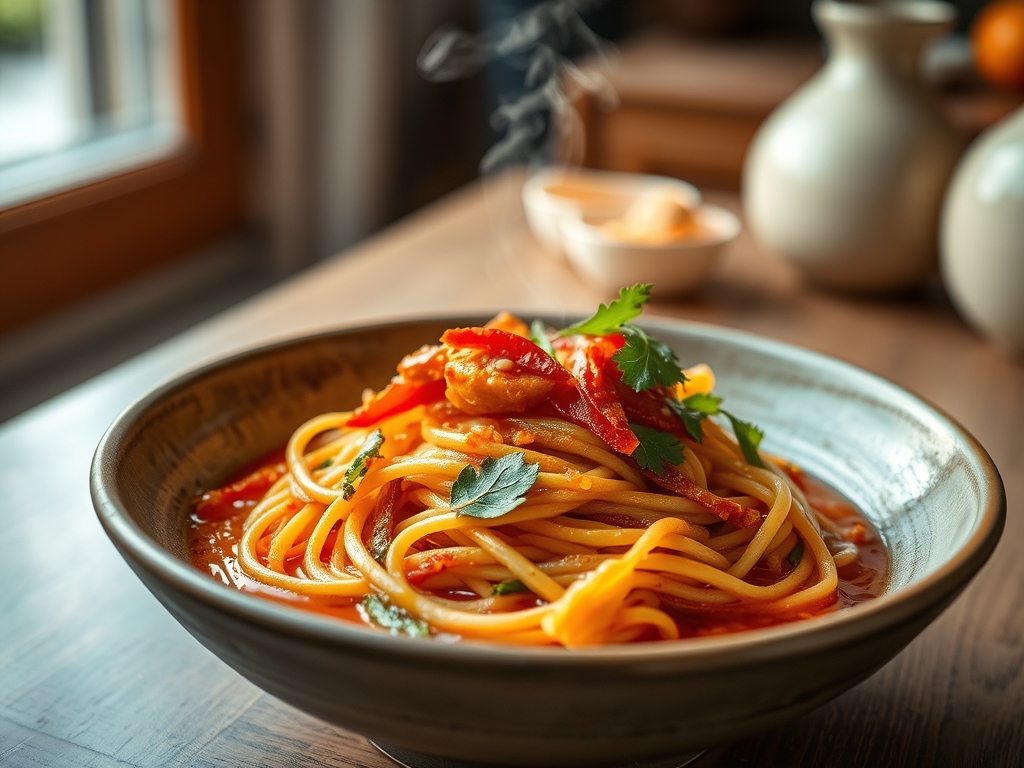
Listen up, kitchen operatives. We are moving beyond the watery, translucent broths of the uninitiated and entering the realm of high-viscosity poultry extraction. We are here to talk about the technical architecture of Spicy Ramen Noodles, specifically the Tori Paitan variant. This is not just soup; it is a pressurized emulsion of collagen, marrow, and liquefied fat that demands absolute thermal discipline. Imagine a liquid that coats the tongue like velvet while simultaneously delivering a piquant strike of capsaicin that vibrates through your sinuses. The goal is a broth so thick it borders on a sauce, achieved through the violent agitation of chicken proteins until they surrender into a creamy, opaque suspension. If your broth looks like tea, you have failed the audit. If it looks like molten gold and clings to every strand of alkaline dough, you have achieved operational excellence. We are going to render, aerate, and infuse our way to a bowl that defies the standard laws of fluid dynamics.
THE DATA MATRIX
| Metric | Specification |
|---|---|
| Prep Time | 45 Minutes |
| Execution Time | 8 Hours |
| Yield | 4 Standard Servings |
| Complexity (1-10) | 8.5 (High Thermal Management) |
| Estimated Cost per Serving | $4.25 USD |
THE GATHERS
Ingredient Protocol:
- 2kg / 4.4 lbs Chicken Carcasses and Backs (High Collagen)
- 500g / 1.1 lbs Chicken Feet (Cleaned and Talons Removed)
- 3 Liters / 12.6 Cups Filtered Water
- 100g / 3.5 oz Aromatics (Ginger, Garlic, Negi)
- 60ml / 4 tbsp Spicy Chili Oil (Rayu)
- 30ml / 2 tbsp Doubanjiang (Fermented Bean Paste)
- 400g / 14 oz Fresh Alkaline Ramen Noodles
- 4 Large Eggs (6.5-minute soft boil)
- 200g / 7 oz Chashu Pork or Braised Chicken Thigh
Section A: Ingredient Quality Audit:
The primary failure point in Spicy Ramen Noodles is the quality of the "bones." If you are using supermarket pre-cut breasts, stop immediately. You require the connective tissue found in joints and feet to achieve the necessary viscous mouthfeel. If your broth refuses to turn opaque, your water-to-bone ratio is likely too high. Technical fix: Reduce the liquid by 30% via a rapid rolling boil to force the emulsification of fats. If your chili oil tastes "dusty," the spices were scorched during the infusion process. Always hydrate your chili flakes with a splash of room-temperature oil before hitting them with the 190 degree Celsius fat to prevent bitterness.
THE MASTERCLASS
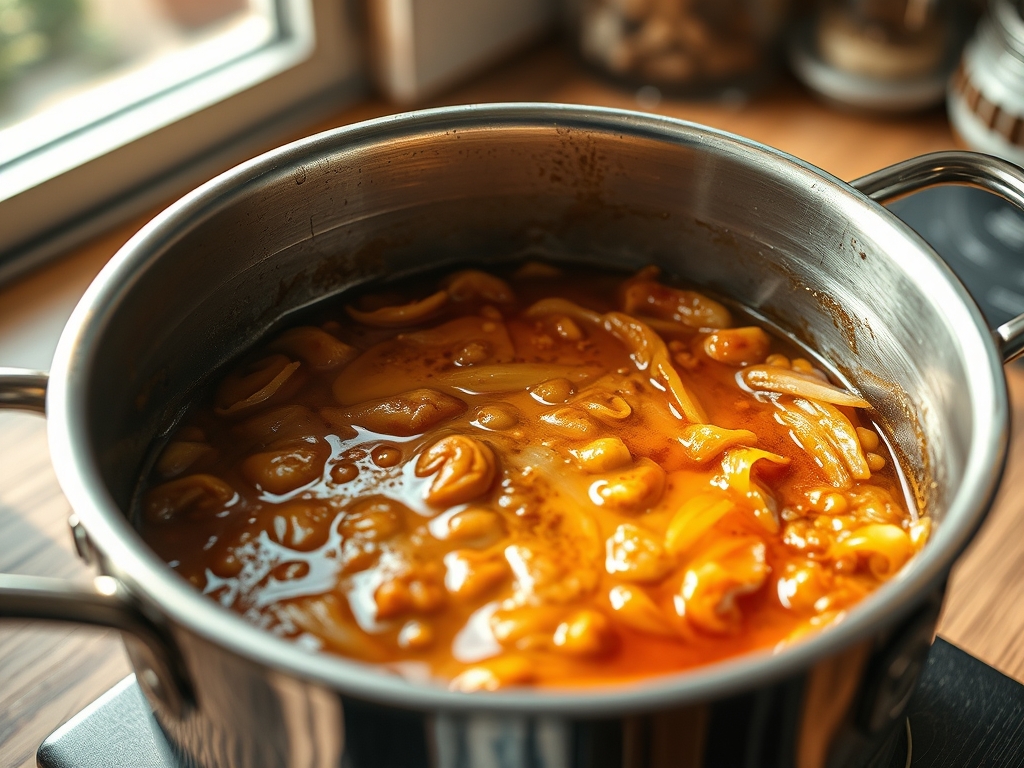
Step 1: The Blanch and Purge
Place your chicken components into a large stockpot and cover with cold water. Bring to a hard boil for 10 minutes. You will see a grey, foamy "scum" rise to the surface. This is denatured protein and residual blood that will muddy your final product. Drain the pot and scrub every bone under cold running water.
Pro Tip: Use a stiff-bristled kitchen brush or a bench scraper to remove any dark marrow or organ remnants from the spine. This ensures the final broth is ivory-white rather than a dull, muddy brown. Clean bones are the foundation of aesthetic purity.
Step 2: High-Velocity Extraction
Return the cleaned bones to the pot and add 3 liters of fresh filtered water. Bring to a violent, rolling boil. Do not simmer. We need the kinetic energy of the boiling water to physically break down the fat globules and integrate them with the gelatin.
Pro Tip: Use a digital scale to track water loss. You want to maintain a consistent volume for the first six hours; add boiling water as needed to keep the bones submerged. The science here is simple: turbulence equals emulsification.
Step 3: The Aromatic Infusion
In the final 90 minutes of the boil, add your ginger, garlic, and negi. This prevents the delicate volatile oils in the aromatics from evaporating during the long haul. At this stage, the liquid should be thick and opaque.
Pro Tip: Use a heavy saucier or small skillet to lightly char the aromatics before adding them to the pot. This triggers the Maillard reaction, adding a smoky complexity that bridges the gap between the creamy chicken and the heat of the Spicy Ramen Noodles.
Step 4: Mechanical Aeration
Once the broth is finished, strain it through a fine-mesh chinois. To take the texture to the professional level, use a high-powered immersion blender to aerate the liquid for 60 seconds. This creates a micro-foam that lightens the density while enhancing the "creamy" perception on the palate.
Pro Tip: Check the temperature with an infrared thermometer before blending. The ideal temperature for a stable emulsion is between 80 and 90 degrees Celsius. If it is too cold, the fat will separate rather than suspend.
Step 5: The Spicy Tare Integration
Combine your Doubanjiang, soy sauce, and chili oil in the bottom of each serving bowl. This is your flavor "engine." Slowly pour the hot, aerated broth over the spicy base, whisking vigorously to ensure a seamless transition of flavors.
Pro Tip: Use a silicone whisk to prevent scratching your ceramic bowls while ensuring the fermented bean paste is fully dissolved into the broth matrix.
Section B: Prep & Timing Fault-Lines:
The most common human error is the "Noodle Stall." If your noodles are ready but your broth is not at the optimal 85 degree Celsius serving temperature, the starch in the noodles will begin to swell and degrade. This ruins the "bite." Technical fix: Always pre-heat your serving bowls with boiling water. This thermal reservoir keeps the Spicy Ramen Noodles at the "Goldilocks" temperature even if your plating takes an extra 45 seconds. Furthermore, never salt your broth during the reduction phase; salt it at the end to avoid an over-concentrated, saline disaster.
THE VISUAL SPECTRUM
Section C: Thermal & Visual Troubleshooting:
Referencing the Masterclass photo, your Spicy Ramen Noodles should exhibit a distinct "fat-slick" of red chili oil floating atop a pale, frothy broth. If your broth looks "broken" or oily, the emulsion has failed. You can fix this by blending in a small amount of soy milk or xanthan gum to act as a stabilizer. If the noodles look limp, they were likely overcrowded in the boiling pot; use at least 2 liters of water per serving of noodles to ensure they dance and cook evenly. The visual cue for a perfect egg is a set white with a jam-like, translucent yolk; any grey ring around the yolk indicates overcooking and a failure of timing.
THE DEEP DIVE
Macro Nutrition Profile:
A standard bowl of these Spicy Ramen Noodles packs approximately 850 calories. You are looking at 45g of protein, 35g of fat (mostly monounsaturated and collagen-based), and 85g of carbohydrates. The sodium content is high, typically exceeding 2,000mg, so hydrate accordingly.
Dietary Swaps:
- Vegan: Replace the chicken broth with a blend of cashew cream and charred vegetable stock. Use miso for depth.
- Keto: Swap the alkaline noodles for shirataki or zucchini strands. The broth itself is naturally keto-friendly.
- GF: Use brown rice ramen or glass noodles. Ensure your Doubanjiang and soy sauce (Tamari) are certified gluten-free.
Meal Prep & Reheating Science:
To maintain the molecular structure of Tori Paitan, store the broth and noodles separately. When reheating the broth, do not use a microwave; it creates hot spots that break the emulsion. Use a small saucepan over medium heat and give it a quick whisk or a 10-second burst with a milk frother to re-establish the creamy texture before adding your fresh noodles.
THE KITCHEN TABLE
Why is my ramen broth brown instead of white?
You likely skipped the blanching step or failed to scrub the bones. Residual blood and marrow oxidize during the long boil, turning the liquid brown. Always purge your proteins to maintain that pristine, creamy aesthetic.
Can I make Spicy Ramen Noodles in a pressure cooker?
Yes, but you must perform a "manual emulsification" afterward. A pressure cooker prevents the rolling boil needed to mix fat and water. After the cycle, boil the liquid vigorously for 15 minutes to finish the process.
What makes the noodles "alkaline"?
The addition of Kansui (potassium carbonate and sodium bicarbonate) shifts the pH level. This creates the signature yellow hue, slippery texture, and specific "snap" that distinguishes ramen from standard wheat pasta or Italian spaghetti.
How do I make the chili oil more vibrant?
Use high-quality gochugaru or Sichuan flakes and avoid overheating. If the oil turns dark maroon or black, you have scorched the solids. Target a bright, translucent crimson for the best visual contrast against the pale broth.