Stop treating cauliflower like the neglected stepchild of the vegetable drawer. When executed with precision, Spicy Cauliflower Wings are not a consolation prize for the meatless; they are a masterclass in thermal dynamics and moisture management. We are aiming for a specific architectural achievement: a shatteringly crisp exterior that protects a tender, steamed interior without succumbing to the dreaded structural collapse of a soggy floret. The secret lies in the viscosity of your batter and the aggressive application of heat. Most home cooks fail because they underestimate the water content of the Brassica family. If you do not respect the steam, the steam will destroy your crunch. We are here to engineer a coating that acts as a heat shield; a piquant, golden armor that traps flavor while resisting the softening effects of the sauce. Prepare to overhaul your technique. We are moving beyond basic roasting and into the realm of high-performance culinary infrastructure. If your kitchen smells like a sports bar and looks like a laboratory, you are doing it right.
THE DATA MATRIX
| Metric | Specification |
|---|---|
| Prep Time | 20 Minutes |
| Execution Time | 30 Minutes |
| Yield | 4 Servings |
| Complexity (1-10) | 4 |
| Estimated Cost per Serving | $1.85 USD |
THE GATHERS
Ingredient Protocol:
- 1 Large Head Cauliflower (approx. 800g / 1.75 lbs)
- 125g / 1 cup All-Purpose Flour (or Chickpea Flour for GF)
- 30g / 0.25 cup Cornstarch or Arrowroot
- 240ml / 1 cup Unsweetened Almond Milk or Water
- 10g / 2 tsp Garlic Powder
- 5g / 1 tsp Smoked Paprika
- 120ml / 0.5 cup Buffalo-style Hot Sauce
- 30g / 2 tbsp Unsalted Butter or Vegan Alternative (melted)
- 2g / 0.5 tsp Fine Sea Salt
Section A: Ingredient Quality Audit:
The primary failure point in Spicy Cauliflower Wings is the age of the produce. If your cauliflower exhibits brown spots or a soft, rubbery texture, the cellular structure has already begun to degrade. This leads to a mealy mouthfeel regardless of your batter quality. Fix this by trimming any oxidation with a paring knife and soaking florets in ice water for ten minutes to restore turgor pressure. Furthermore, ensure your spices are not expired. If your paprika lacks a vibrant red hue, it will fail to provide the necessary visual depth. If your batter is too thin, it will not cling; if it is too thick, it will result in a bready, doughy mess. Use a digital scale to ensure the flour-to-liquid ratio creates a consistency similar to heavy cream.
THE MASTERCLASS
Step-by-Step Execution:
1. Precision Dissection
Break the cauliflower into uniform florets using a sharp chef's knife or a bench scraper to clear the debris. Aim for bite-sized pieces that maximize surface area. Uniformity is the key to synchronized cooking times.
Pro Tip: Smaller florets increase the surface-area-to-volume ratio. This allows for more Maillard reaction (browning) per bite, which is the primary source of savory flavor. Use your digital scale to ensure floret batches are weighted equally for even heat distribution.
2. The Viscous Barrier
In a large stainless steel bowl, whisk the flour, cornstarch, garlic powder, paprika, and salt. Gradually pour in the liquid while whisking constantly to aerate the mixture and prevent clumping. The goal is a batter that coats the back of a spoon without immediately running off.
Pro Tip: The addition of cornstarch interferes with gluten development. This creates a more brittle, crispier shell that stays crunchy longer under the weight of a viscous sauce. Professional chefs often use a whisk to ensure no dry pockets remain.
3. The First Thermal Blast
Preheat your oven to 220C / 425F. Dip each floret into the batter, shake off the excess, and arrange them on a parchment-lined baking sheet. Ensure there is at least 2cm of space between each piece to allow for proper airflow.
Pro Tip: Crowding the pan causes the vegetables to steam rather than roast. This drops the surface temperature and prevents the batter from setting into a crisp crust. Use a heavy-gauge rimmed baking sheet for superior heat retention.
4. The Piquant Emulsification
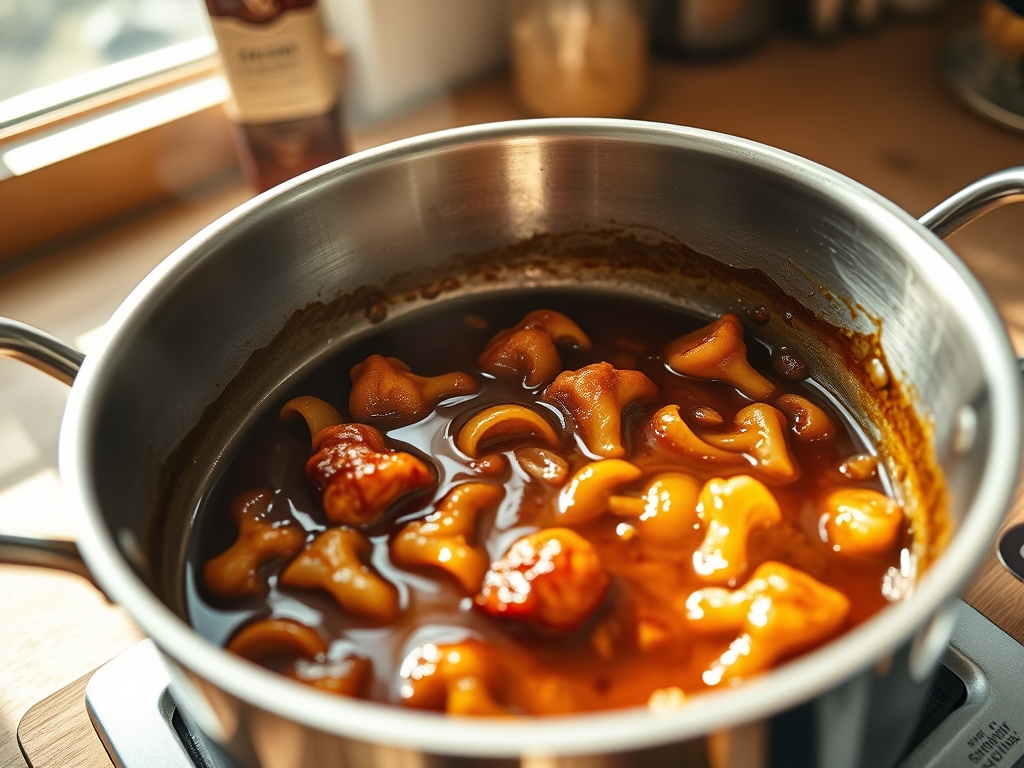
While the cauliflower roasts for 20 minutes, combine the hot sauce and melted butter in a small saucier. Whisk over low heat until the fats and acids emulsify into a smooth, glossy glaze.
Pro Tip: Emulsification is critical. If the fat separates from the vinegar in the hot sauce, the coating will become greasy rather than clingy. A saucier with rounded bottom edges allows your whisk to reach every corner, ensuring a perfect suspension.
5. The Final Infusion
Remove the florets from the oven and toss them in a bowl with the sauce. Return them to the tray and bake for an additional 8 to 10 minutes. This second blast "sets" the sauce into the crust, creating a tacky, intense flavor profile.
Pro Tip: This double-bake method mimics the double-fry technique used in traditional wings. It dehydrates the outer layer further, allowing the sauce to infuse into the coating without making it soggy.
Section B: Prep & Timing Fault-Lines:
The most common human error is pulling the cauliflower too early. If the batter looks pale, it will taste raw. You are looking for darkened edges and a firm "snap" when touched with a spatula. If your oven temperature is inaccurate, use an oven thermometer to verify you are hitting 220C. A lower temperature will result in "oil-soaking" where the batter absorbs moisture instead of expelling it. If you find the coating is sliding off, you likely didn't shake off enough excess batter before the first bake; gravity will always win against a heavy, wet coating.
THE VISUAL SPECTRUM
Section C: Thermal & Visual Troubleshooting:
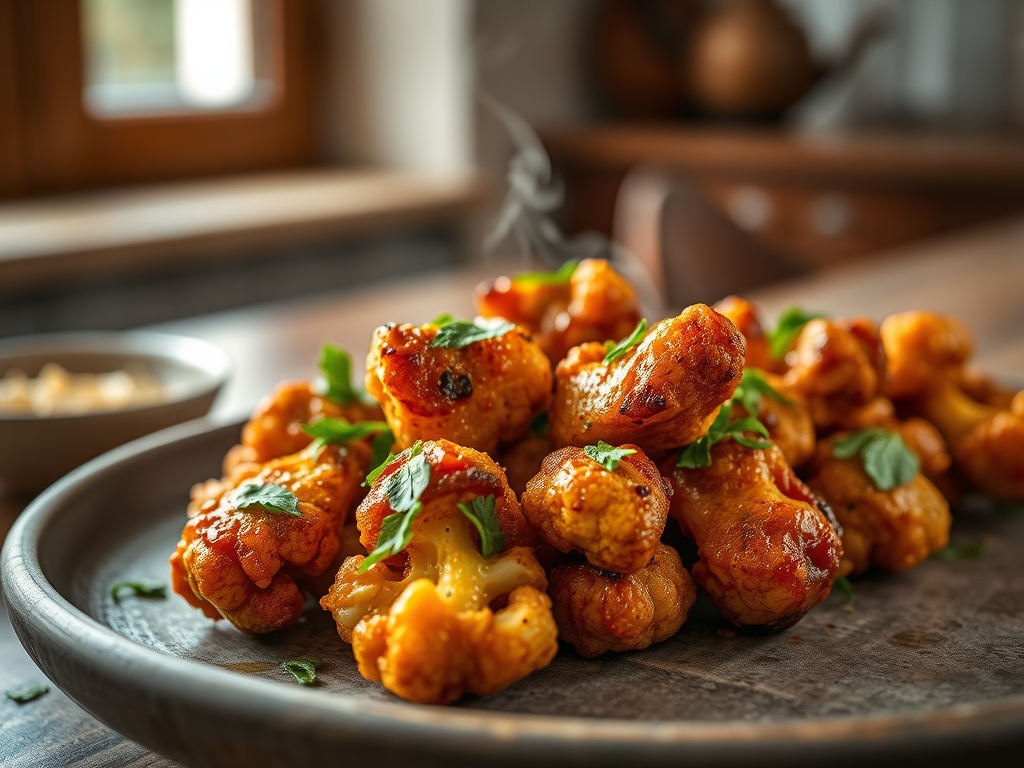
Look closely at the reference image. Notice the deep mahogany char on the edges and the way the sauce appears "matte" rather than "wet." If your wings look translucent or pale yellow, your oven was too cold or your paprika was old. If the sauce is pooling on the tray, the emulsion broke or you over-sauced the florets. The ideal aesthetic is a rugged, craggy surface with visible spice flecks. If the texture is smooth and "cake-like," you likely over-mixed the batter, developing too much gluten. To fix a dull appearance, finish the dish with a micro-sprinkle of fresh parsley or scallions; the green contrast makes the piquant reds pop.
THE DEEP DIVE
Macro Nutrition Profile:
A standard serving of these Spicy Cauliflower Wings contains approximately 180 calories, 4g of protein, 22g of carbohydrates, and 9g of fat. This is a significant reduction in caloric density compared to traditional chicken wings, which often exceed 400 calories for a similar portion.
Dietary Swaps:
- Vegan: Use vegan butter or coconut oil in the sauce.
- Keto: Replace flour with almond flour and crushed pork rinds (if non-vegan) or a parmesan crust. Use Xanthan gum as a thickener.
- GF: Chickpea flour (besan) is an excellent substitute as it adds a nutty flavor and holds its structure well under heat.
Meal Prep & Reheating Science:
Cauliflower is notorious for releasing water over time. To maintain the molecular integrity of the crust when reheating, avoid the microwave at all costs. The microwave excites water molecules, turning your crisp wing into a soggy sponge. Instead, use an air fryer or a convection oven at 200C / 400F for 5 minutes. This flash-heats the exterior and re-crisps the starches.
THE KITCHEN TABLE
Why is my cauliflower mushy?
You likely overcrowded the pan or cut the florets too small. Crowding creates a steam tent, which softens the vegetable before the batter can crisp. Ensure plenty of "breathing room" on your baking sheet for moisture to escape.
Can I make these in an air fryer?
Absolutely. Set the air fryer to 200C / 400F. Cook in a single layer for 12 to 15 minutes, tossing halfway through. The high-velocity air is actually superior for achieving a shatter-crisp texture.
My batter isn't sticking to the cauliflower. Help!
The cauliflower must be completely dry before dipping. If you washed it right before prepping, the surface moisture will repel the batter. Pat the florets dry with a lint-free kitchen towel before you begin the coating process.
How do I make them extra spicy?
The heat lives in the sauce. Infuse your buffalo mixture with a teaspoon of cayenne pepper or a splash of habanero extract. Remember to balance the heat with extra butter to maintain the viscous cling of the glaze.