The air in a high-performance kitchen does not just sit; it vibrates. When you drop fermented broad bean paste into a shimmering pool of ginger-infused oil, you are not just cooking; you are initiating a chemical cascade. Szechuan Mapo Tofu is the ultimate litmus test for a chef's ability to manage heat, texture, and the aggressive numbing power of hydroxy-alpha-sanshool. This is not a gentle stew. It is a high-velocity collision of silken protein and jagged spice. We are looking for the perfect suspension of minced meat in a bright red, translucent oil. The tofu must tremble on the verge of structural failure without ever collapsing. To achieve this, you must master the art of the emulsified sauce and the precise timing of the wok. If your kitchen smells like toasted peppercorns and ambition, you are in the right place. Let us audit your technique and turn this classic dish into a masterpiece of culinary engineering.
THE DATA MATRIX
| Metric | Specification |
|---|---|
| Prep Time | 20 Minutes |
| Execution Time | 15 Minutes |
| Yield | 4 Servings |
| Complexity | 7 / 10 |
| Estimated Cost per Serving | $3.50 USD |
THE GATHERS
Ingredient Protocol:
- 450g / 1 lb Soft or Silken Tofu
- 150g / 5.3 oz Ground Beef (80/20 lean-to-fat ratio)
- 60ml / 4 tbsp Neutral Oil (Grapeseed or Vegetable)
- 45g / 3 tbsp Pixian Doubanjiang (Fermented Broad Bean Paste)
- 15g / 1 tbsp Douchi (Fermented Black Beans), rinsed and minced
- 10g / 2 tsp Szechuan Peppercorns, toasted and finely ground
- 15ml / 1 tbsp Light Soy Sauce
- 5g / 1 tsp Sugar
- 250ml / 1 cup Unsalted Chicken Stock or Water
- 30ml / 2 tbsp Cornstarch Slurry (1:1 ratio with water)
- 3 stalks Green Onions, whites and greens separated
- 10g / 2 tsp Fresh Ginger, minced
- 10g / 2 tsp Garlic, minced
Section A: Ingredient Quality Audit:
Sub-par materials result in a flat, one-dimensional profile. If your Doubanjiang lacks depth, it is likely too young; look for paste aged at least three years for a dark, umami-rich foundation. If the paste is overly salty, soak your Douchi for five minutes to leach out excess sodium before hitting the pan. For tofu that tastes "beany" or metallic, a pre-cook blanching step in salted water is non-negotiable. This seasons the curd internally and firms the exterior proteins. Finally, if your peppercorns lack that signature electric buzz, they are stale. Discard them and toast fresh whole husks in a dry pan until fragrant before pulverizing them in a spice grinder.
THE MASTERCLASS
Step-by-Step Execution:
1. The Tofu Pre-Conditioning
Cut the tofu into 2cm cubes using a sharp chef's knife or a bench scraper for clean edges. Submerge the cubes in a pot of simmering, salted water for three minutes. Drain gently.
Pro Tip: This process, known as "tempering," stabilizes the calcium-sulfate cross-links in the tofu. It prevents the cubes from weeping water into your finished sauce, which would otherwise break your emulsion.
2. Rendering the Protein
Heat your wok or a heavy-bottomed saucier over high heat. Add a tablespoon of oil and the ground beef. Cook until the moisture evaporates and the meat begins to render its fat and brown deeply.
Pro Tip: Use a digital scale to ensure your meat-to-tofu ratio is exact. Achieving the Maillard reaction here provides the essential savory counterpoint to the heat of the peppers.
3. The Aromatics Infusion
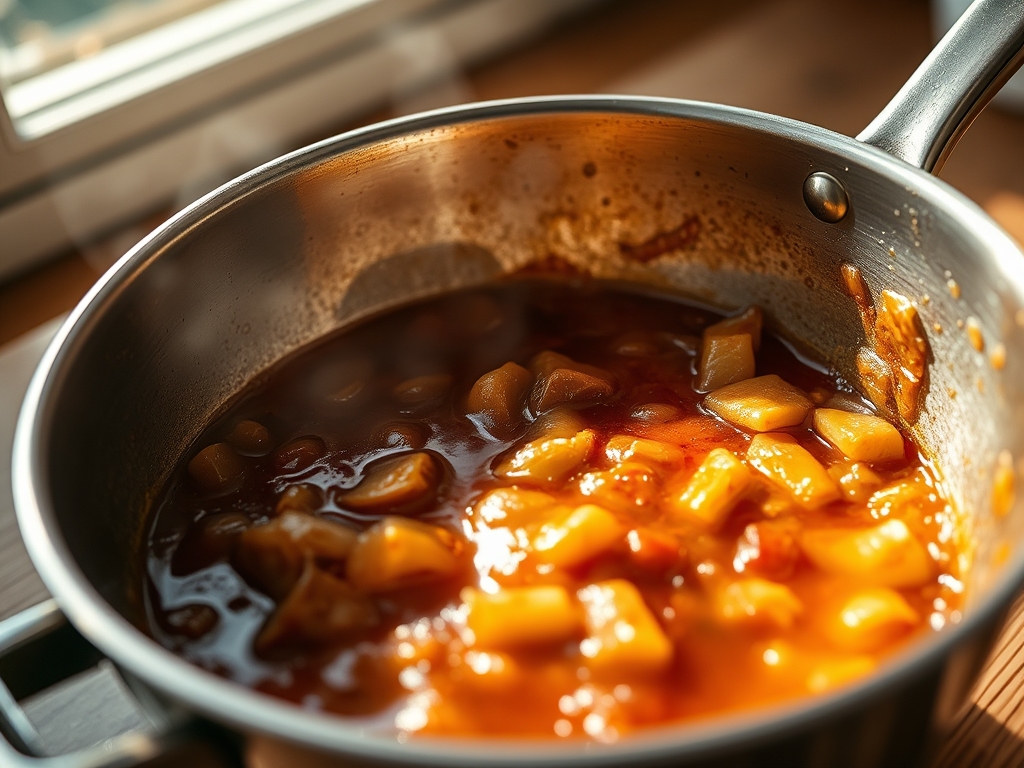
Lower the heat to medium. Add the remaining oil, Doubanjiang, garlic, ginger, and the whites of the green onions. Stir-fry until the oil turns a vibrant, translucent red.
Pro Tip: This is where you infuse the lipid phase of the dish. The capsaicin and color compounds in the bean paste are fat-soluble; rushing this step results in a pale, greasy sauce rather than a rich, integrated lacquer.
4. Liquid Integration and Simmer
Pour in the chicken stock, soy sauce, and sugar. Bring to a gentle boil, then slide the tofu cubes into the liquid. Simmer for five minutes to allow the flavors to penetrate the curd.
Pro Tip: Avoid aggressive stirring. Use a silicone spatula to gently push the tofu through the liquid. Excessive agitation will compromise the structural integrity of the silken protein.
5. The Triple-Stage Thickening
Stir your cornstarch slurry. Pour one-third of it into the wok, swirling gently. Wait 30 seconds, then repeat twice more until the sauce reaches a viscous, glossy consistency that coats the back of a spoon.
Pro Tip: Adding the slurry in stages allows the starch granules to hydrate and swell evenly. This prevents "clumping" and ensures the sauce remains stable even as the temperature fluctuates during plating.
6. The Final Volatile Bloom
Turn off the heat. Stir in the green onion tops and half of the ground Szechuan peppercorns. Transfer to a warm bowl and dust the surface with the remaining peppercorns.
Pro Tip: Szechuan peppercorns contain volatile oils that dissipate rapidly under high heat. Adding them at the very end ensures the piquant aroma hits the diner's nose before the first bite.
Section B: Prep & Timing Fault-Lines:
The most common failure in Mapo Tofu is "broken" sauce where the oil separates from the water phase. This usually happens if the heat is too high during the thickening stage or if the slurry is added all at once. If your sauce looks watery, your tofu was likely not drained well enough. If the meat is chewy rather than crispy, you likely crowded the pan, causing the beef to steam in its own juices rather than fry. Use a high-BTU burner and work in small batches if necessary to maintain thermal momentum.
THE VISUAL SPECTRUM
Section C: Thermal & Visual Troubleshooting:
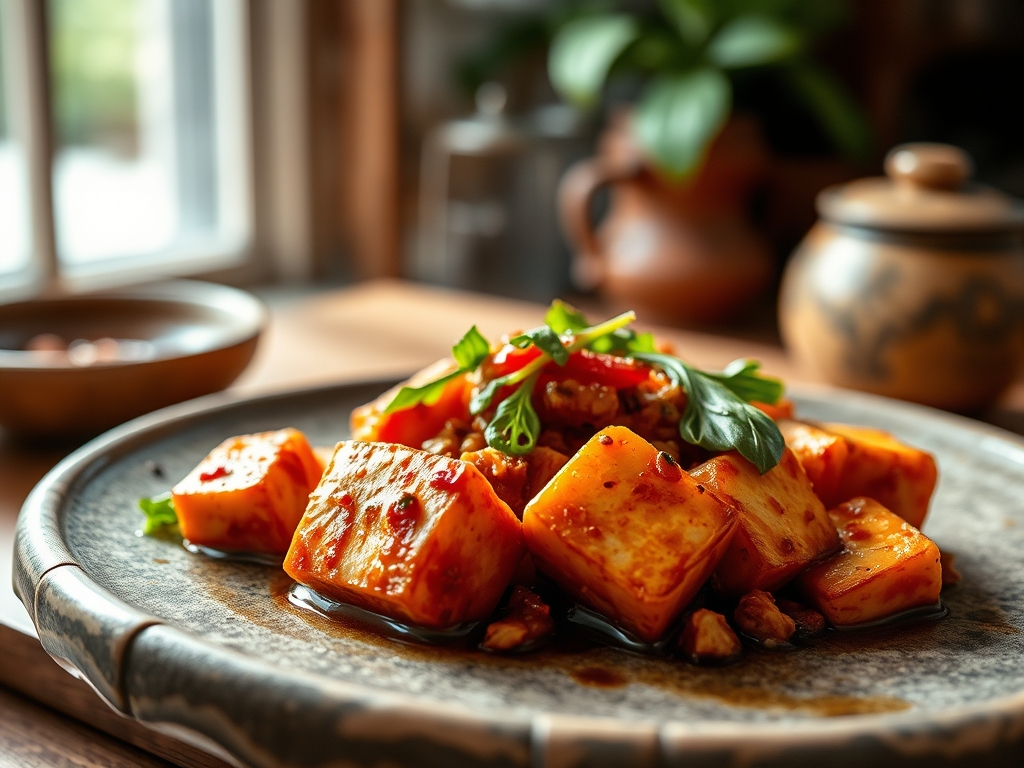
Observe the Masterclass photo: notice the "Red Oil" floating on top of a thickened, mahogany-colored base. This is the hallmark of a successful Mapo Tofu. If your dish looks orange or dull, you did not fry the Doubanjiang long enough. If the tofu cubes have rounded, crumbled edges, your "toss" was too violent; use a folding motion instead. A "muddy" appearance suggests over-thickening with starch. The sauce should be translucent enough to see the texture of the minced beef clinging to the tofu. If the green onions look yellow, they were added too early; they should provide a sharp, neon-green contrast to the deep reds of the sauce.
THE DEEP DIVE
Macro Nutrition Profile:
A standard serving contains approximately 280 calories, 18g of protein, 12g of carbohydrates, and 18g of fat. The high protein content comes from both the beef and the soy, while the fat content is essential for carrying the fat-soluble spice compounds.
Dietary Swaps:
- Vegan: Replace ground beef with finely chopped shiitake mushrooms or rehydrated soy crumbles. Use vegetable broth instead of chicken stock.
- Keto: Omit the sugar and replace the cornstarch slurry with a pinch of xanthan gum (use sparingly to avoid a "slimy" texture).
- GF: Ensure your Doubanjiang and soy sauce are certified gluten-free, as many fermented pastes use wheat flour as a thickener.
Meal Prep & Reheating Science:
Mapo Tofu actually improves after 24 hours as the flavors continue to marry. However, the starch in the sauce may "retrograde" in the fridge, becoming jelly-like. To reheat, add a splash of water and heat gently in a pan over medium-low. Do not use a microwave on high power, as it will cause the tofu to expand and explode, ruining the delicate texture.
THE KITCHEN TABLE
Why is my Mapo Tofu too salty?
Fermented bean pastes vary wildly in sodium content. Always taste your Doubanjiang before adding extra soy sauce. If it is already salty, omit the soy sauce and add a pinch more sugar to balance the profile.
Can I use firm tofu instead of silken?
Yes, but the mouthfeel will change. Firm tofu offers more resistance and is easier for beginners to handle. However, the contrast between the "meat" and the creamy silken tofu is the traditional gold standard for this dish.
My mouth is too numb! How do I fix it?
The numbing sensation comes from Szechuan peppercorns. If it is overwhelming, reduce the amount of ground peppercorns used for the final garnish. The sensation is temporary and is actually intended to "reset" the palate between bites.
What is the best oil for this dish?
Use a neutral oil with a high smoke point like grapeseed or peanut oil. Avoid olive oil, as its distinct flavor profile clashes with the fermented beans and toasted peppercorns. Efficiency depends on clean, unadulterated heat.