Forget the limp, gray pucks of frozen disappointment that have haunted the plant-based sector for decades. We are here to conduct a full-scale structural audit on the Spicy Black Bean Burger; a dish that, when executed with precision, offers a tectonic shift in meatless gastronomy. Imagine a crust so crisp it shatters under the tooth, yielding to a core that is dense, savory, and humming with a controlled, piquant heat. This is not a compromise. This is an exercise in moisture management and protein binding. We are targeting a specific textural profile: the exterior must undergo a rigorous Maillard reaction while the interior retains enough moisture to avoid the dreaded "desert-palate" effect. By leveraging the natural starches of the legume and the fibrous integrity of roasted aromatics, we will build a patty that stands up to the heaviest brioche bun without collapsing into a mushy heap. This is culinary engineering at its finest. Prepare your workspace; we are about to redefine what a bean-based protein can achieve in a high-heat environment.
THE DATA MATRIX
| Metric | Specification |
|---|---|
| Prep Time | 25 Minutes |
| Execution Time | 15 Minutes |
| Yield | 6 Substantial Patties |
| Complexity | 4 / 10 |
| Estimated Cost per Serving | $1.15 USD |
THE GATHERS
Ingredient Protocol:
- 850g / 2 cans (15 oz) Black beans, rinsed and thoroughly dried.
- 150g / 1 cup Yellow onion, finely minced.
- 120g / 1 cup Bell pepper, finely diced.
- 15g / 3 cloves Garlic, pulverized.
- 10g / 1 tbsp Cumin, toasted and ground.
- 5g / 1 tsp Smoked paprika.
- 2g / 0.5 tsp Cayenne pepper (adjust for piquant intensity).
- 100g / 1 cup Panko breadcrumbs (or GF alternative).
- 2 Large eggs (or 100ml aquafaba for vegan protocol).
- 15ml / 1 tbsp Worcestershire sauce (ensure vegan-certified if necessary).
- 30g / 2 tbsp Chili sauce or Sriracha.
- 5g / 1 tsp Kosher salt.
Section A: Ingredient Quality Audit:
The primary failure point in this assembly is excess moisture. If your black beans are straight from the can and still slick with canning liquid, your structural integrity will fail. Technical Fix: Spread the rinsed beans on a baking sheet and dehydrate them in a 160C / 325F oven for 15 minutes before mashing. This concentrates the flavor and ensures the binder can actually do its job. If your aromatics (onions and peppers) are releasing too much water, they must be rendered in a pan to evaporate their internal stores before they enter the mix. Sub-par spices that have sat in a cupboard for two years will result in a dull, dusty flavor profile; always toast whole seeds and grind them fresh to infuse the patty with volatile oils.
THE MASTERCLASS
Step-by-Step Execution:
1. The Dehydration Phase
After rinsing your beans, use a digital scale to ensure you have the correct mass. Spread them on a parchment-lined sheet. Roast at 160C / 325F for 15 minutes until the skins begin to crack.
Pro Tip: This step alters the molecular structure of the starch, turning the bean from a soft sphere into a concentrated protein base that prevents the burger from feeling "mushy."
2. Aromatic Reduction
While the beans roast, finely mince your vegetables using a sharp chef's knife. Sauté them in a saucier over medium heat until translucent and the liquid has evaporated.
Pro Tip: Removing the water from the vegetables prevents the steam from softening the patty from the inside out during the final sear.
3. The Structural Mash
Place the roasted beans in a large bowl. Use a fork or a potato masher to break them down, but leave about 25 percent of the beans whole for textural contrast.
Pro Tip: Over-processing in a food blender will aerate the mixture too much, resulting in a paste rather than a burger. You want jagged edges for better surface area.
4. Integration of Binders
Add the sautéed aromatics, spices, breadcrumbs, and liquid binders (eggs and sauces). Use a bench scraper or stiff spatula to fold the ingredients together until a cohesive mass forms.
Pro Tip: The breadcrumbs act as a secondary moisture sink, absorbing any remaining liquid to create a viscous dough that holds its shape.
5. Thermal Setting
Form the mixture into 6 equal patties. Place them on a tray and refrigerate for at least 30 minutes.
Pro Tip: Cold temperatures allow the proteins and starches to set, ensuring the patty does not fracture when it hits the hot surface of the pan.
6. The Maillard Sear
Heat a cast-iron skillet over medium-high heat with a thin layer of neutral oil. Sear each patty for 4 to 5 minutes per side.
Pro Tip: Do not flip the burger prematurely. You are waiting for a dark, caramelized crust to form; this is the Maillard reaction, which provides the savory "umami" depth required for a meat-mimicking experience.
Section B: Prep & Timing Fault-Lines:
The most common human error is the "Rush-and-Mush." If you skip the refrigeration phase, the heat of the pan will cause the binders to relax before they can solidify, leading to a burger that falls through the grill grates or disintegrates in the pan. Another timing hazard is the "Cold Core." If your patties are too thick, the exterior will burn before the interior reaches the 71C / 160F safety threshold for the egg binder. Use your digital scale to ensure each patty is exactly 150g and no more than 2cm thick for optimal thermal distribution.
THE VISUAL SPECTRUM
Section C: Thermal & Visual Troubleshooting:
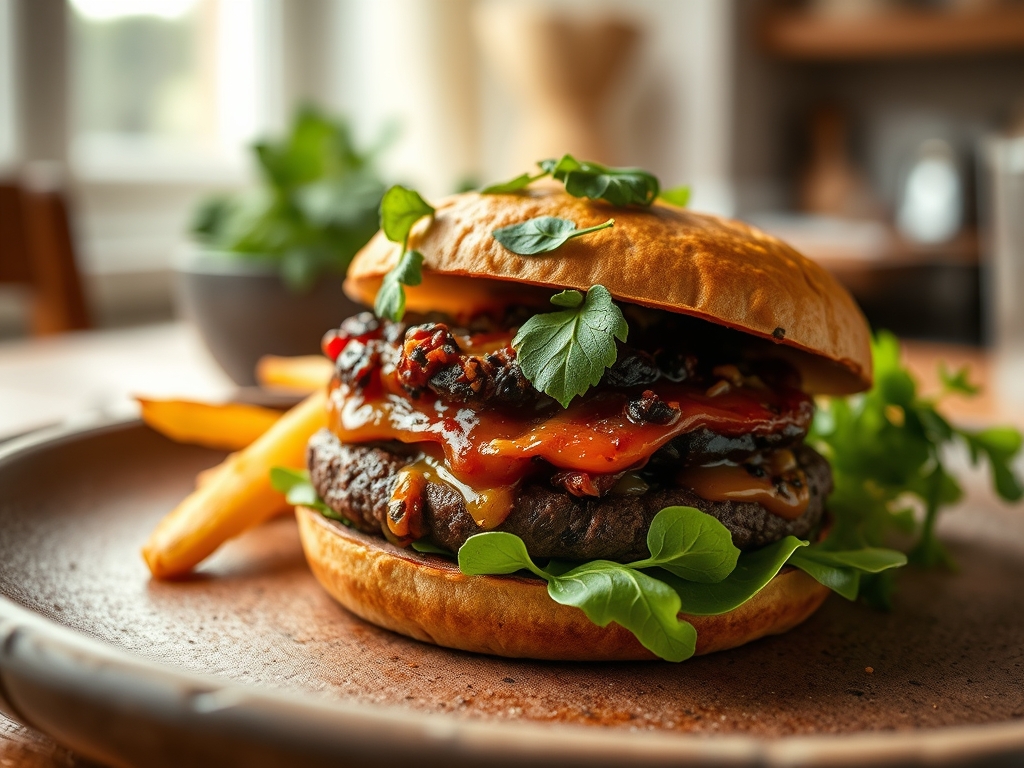
Referencing the Masterclass photo, observe the deep mahogany crust and the visible chunks of black bean and colorful pepper. If your burgers look pale or "blonde," your pan temperature was insufficient; you failed to trigger the chemical browning. If the edges are fraying or look "hairy," your bind was too dry; add a teaspoon of water or extra chili sauce to the next batch. A "dull" or matte finish on the patty usually indicates a lack of fat. Deglaze your pan with a tiny bit of butter or oil between batches to keep the surface shimmering and the heat transfer consistent. The ideal visual cue is a slight swelling of the patty as the internal moisture turns to steam, trapped by the hardened exterior crust.
THE DEEP DIVE
Macro Nutrition Profile
Each patty (excluding bun and toppings) provides approximately 220 calories, 12g of protein, 30g of complex carbohydrates, and 8g of fiber. It is a low-fat, high-satiety option that outperforms beef in micronutrient density, specifically in folate and magnesium.
Dietary Swaps
- Vegan: Swap the eggs for 100ml of reduced aquafaba (chickpea liquid) or a flax-egg slurry (2 tbsp ground flax + 6 tbsp water).
- Gluten-Free: Replace panko with certified GF breadcrumbs or toasted almond flour for a nuttier profile.
- Keto: This is difficult given the carb-heavy nature of beans, but you can increase the ratio of walnuts and mushrooms while decreasing the bean count to lower the net carb load.
Meal Prep & Reheating Science
These patties are structurally sound enough for freezing. To maintain the molecular structure, flash-freeze them on a tray before bagging. When reheating, avoid the microwave at all costs; it will turn the starches rubbery. Use a toaster oven or a dry skillet to re-crisp the exterior, ensuring the heat penetrates to the center without steaming the crust.
THE KITCHEN TABLE
Why is my burger falling apart in the pan?
Usually, this indicates excess moisture or a weak binder. Ensure you roast the beans to remove water and let the patties chill in the fridge for 30 minutes. This allows the starches to hydrate and "glue" the components together.
Can I cook these on an outdoor grill?
Yes, but only if you have followed the dehydration and chilling steps perfectly. For extra security, use a fine-mesh grill grate or a cast-iron griddle to prevent any structural fractures from falling into the coals.
What is the best way to add more "meatiness"?
Incorporate 50g of finely minced, sautéed mushrooms or 15ml of soy sauce. These ingredients are rich in glutamates, which trigger the "umami" sensors on your palate, making the Spicy Black Bean Burger taste more savory and substantial.
How do I adjust the spice level without ruining the texture?
Use dry spices like chipotle powder or cayenne for heat. If using wet ingredients like fresh habaneros or extra hot sauce, you must increase the breadcrumb count slightly to offset the additional liquid and maintain the patty's density.