Forget the soggy, uninspired legumes of your past. We are entering the realm of high-performance culinary engineering where texture is king and capsaicin is the fuel. A Spicy Chickpea Salad is not merely a side dish; it is a structural marvel of fiber-dense architecture and volatile aromatic compounds. We are looking for that precise moment where the exterior of the legume undergoes a rapid dehydration to create a crisp veneer while the interior remains a creamy, nutrient-dense core. This is about the friction between the piquant heat of bird's eye chilies and the cooling, viscous embrace of a high-quality tahini or yogurt-based binder. We are auditing your kitchen for efficiency and your palate for bravery. If you are still using pre-ground, dusty spices from the back of the cabinet, consider this your formal eviction notice from the world of flavor. We are here to aerate the heavy, infuse the bland, and render every single bite into a masterpiece of nutritional infrastructure. Let us begin the audit.
THE DATA MATRIX
| Metric | Data Point |
|---|---|
| Prep Time | 15 Minutes |
| Execution Time | 10 Minutes |
| Yield | 4 Servings |
| Complexity (1-10) | 3 |
| Estimated Cost per Serving | $1.85 USD |
THE GATHERS
Ingredient Protocol:
- 425g / 15 oz Canned Chickpeas (rinsed and bone-dry)
- 15ml / 1 tbsp Extra Virgin Olive Oil
- 5g / 1 tsp Smoked Paprika (Pimenton)
- 2g / 0.5 tsp Cayenne Pepper
- 60ml / 0.25 cup Fresh Lemon Juice
- 30g / 2 tbsp Tahini (high-fluidity grade)
- 120g / 1 cup English Cucumber (small dice)
- 150g / 1 cup Cherry Tomatoes (halved)
- 15g / 0.5 cup Fresh Flat-Leaf Parsley (rough chop)
- 3g / 0.5 tsp Flaky Sea Salt
Section A: Ingredient Quality Audit:
The primary failure point in a Spicy Chickpea Salad is moisture management. If your chickpeas arrive in the bowl with a film of viscous aquafaba, your dressing will slide right off the surface like rain on a waxed car. Use a clean kitchen towel to aggressively dry the legumes until the skins are matte. If your tahini has separated into a concrete-like block at the bottom of the jar, do not attempt to use it as-is. You must use a high-speed immersion blender to re-emulsify the fats and solids. Finally, check the "pop" of your tomatoes. If they are mealy, they lack the acidity needed to cut through the capsaicin. A quick fix is to macerate subpar tomatoes in a splash of red wine vinegar for five minutes before assembly to artificially boost their bright profile.
THE MASTERCLASS
Step-by-Step Execution:
1. The Surface Dehydration Phase
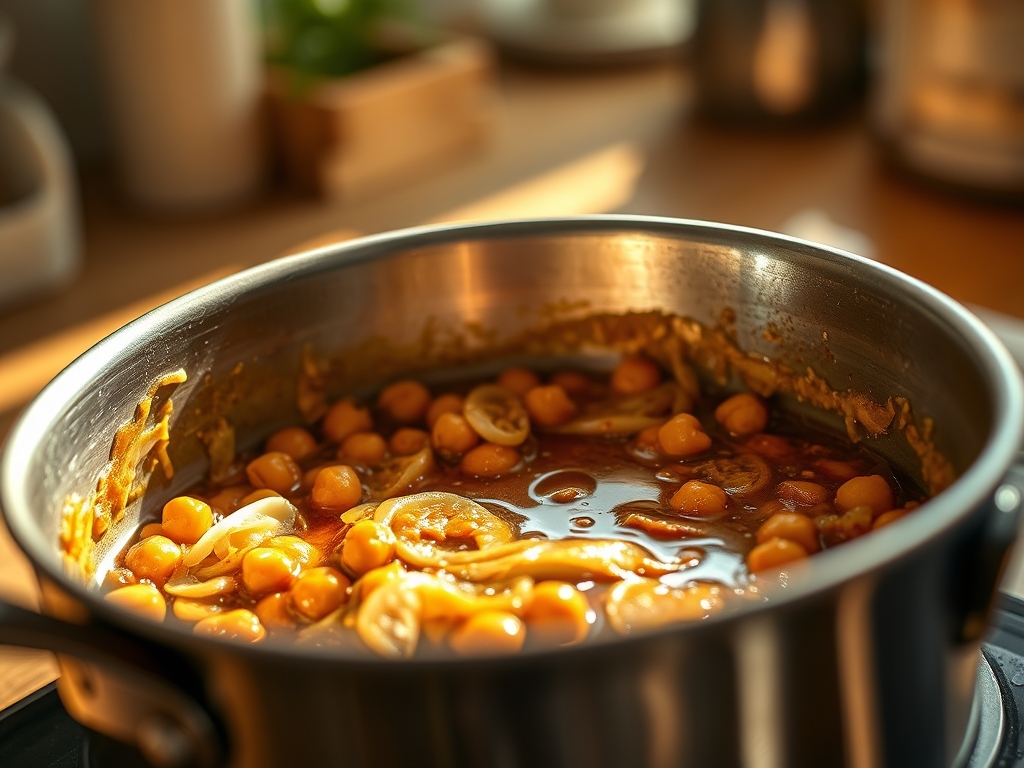
Place your dried chickpeas on a clean workstation. Use a bench scraper to move them into a stainless steel mixing bowl. Toss with olive oil, paprika, and cayenne until every sphere is coated.
Pro Tip: The science here is about lipid-soluble flavor. Many of the aromatic compounds in spices are fat-soluble; by coating the chickpeas in oil before adding the spices, you ensure the heat "sticks" to the fiber wall rather than falling to the bottom of the bowl.
2. The Aromatic Infusion
In a small saucier or glass bowl, whisk the tahini and lemon juice. Add water one teaspoon at a time until the mixture reaches a ribbon-stage consistency.
Pro Tip: This is a classic emulsification. The lemon juice provides the aqueous phase while the tahini provides the fats. Use a digital scale to ensure your ratios are exact, as too much lemon will split the sauce, making it look curdled rather than creamy.
3. The Structural Integration
Combine the diced cucumbers, halved tomatoes, and parsley in a large chilled bowl. Add the spiced chickpeas. Pour the dressing over the top and fold gently with a silicone spatula to avoid bruising the herbs.
Pro Tip: Use a bench scraper to transfer your finely diced vegetables. This prevents the loss of juice on the cutting board, keeping those essential electrolytes inside the salad where they belong.
4. The Final Calibration
Season with flaky sea salt and a final zest of lemon. Serve immediately or allow to sit for ten minutes for the flavors to marry.
Pro Tip: Salt is a desiccant. If you salt the salad too early, it will draw water out of the cucumbers and tomatoes, turning your structural masterpiece into a soup. Always salt at the final second before service.
Section B: Prep & Timing Fault-Lines:
The most common human error is the "Temperature Conflict." If you choose to roast your chickpeas for extra crunch, you must let them return to room temperature before tossing them with the fresh greens and cucumbers. Adding hot legumes to cold vegetables causes immediate cellular collapse in the produce, leading to a limp, unappealing texture. Use an infrared thermometer to ensure the chickpeas are below 30 degrees Celsius before the final mix. If you are in a rush, spread the roasted chickpeas on a chilled sheet pan to accelerate heat dissipation.
THE VISUAL SPECTRUM
Section C: Thermal & Visual Troubleshooting:
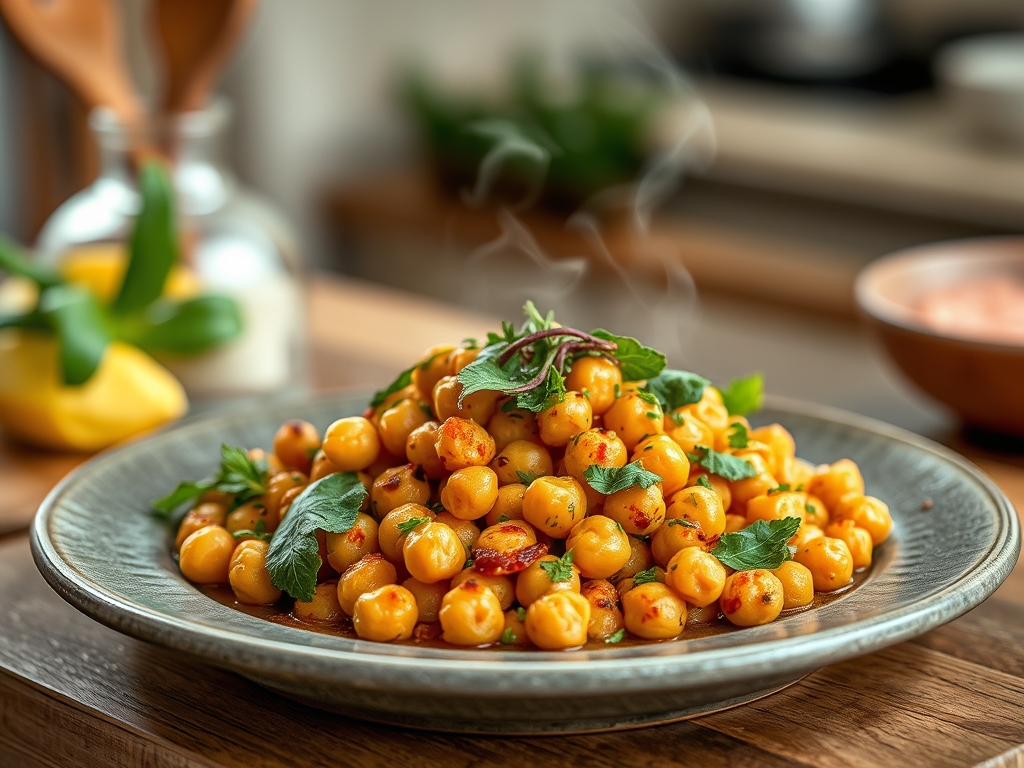
Referencing the Masterclass photo, your Spicy Chickpea Salad should exhibit a vibrant contrast between the deep ochre of the spiced chickpeas and the electric green of the parsley. If your dish looks "muddy," you have likely over-mixed it, causing the tomato seeds and tahini to create an opaque film.
If the chickpeas appear dull rather than glistening, you have insufficient lipid coverage; add a teaspoon of oil and toss again. Uneven browning usually stems from crowding the pan or bowl. Ensure every chickpea has its own "personal space" during the coating process. If the parsley looks wilted, it was likely chopped with a dull knife, which crushes the cell walls instead of slicing them. Use a freshly honed chef knife to maintain that crisp, structural integrity.
THE DEEP DIVE
Macro Nutrition Profile:
This dish is a powerhouse of slow-burning carbohydrates and plant-based protein. A single serving provides approximately 12g of protein, 9g of fiber, and a significant dose of iron and magnesium. The healthy fats from the tahini and olive oil ensure the fat-soluble vitamins (A, D, E, and K) from the vegetables are actually absorbed by your system.
Dietary Swaps:
- Vegan: Already compliant. Ensure your tahini is pure sesame.
- Keto: Swap the chickpeas for roasted cauliflower florets or hemp hearts to drastically reduce the net carb count while maintaining the spicy profile.
- GF: Naturally gluten-free. Just audit your spice blends for hidden anti-caking agents that may contain wheat starch.
Meal Prep & Reheating Science:
To maintain molecular structure for meal prep, store the "wet" ingredients (dressing and tomatoes) separately from the "dry" ingredients (chickpeas and cucumbers). If you reheat roasted chickpeas, use an air fryer at 180 degrees Celsius for three minutes to restore the crisp exterior. Never microwave the entire salad; the radiation will turn the cucumbers into translucent mush.
THE KITCHEN TABLE
How do I make the chickpeas extra crispy?
Air fry them at 200C for 12 minutes before adding to the salad. Ensure they are completely dry before oiling. Moisture is the enemy of the crunch.
Can I substitute the tahini?
Yes. A high-protein Greek yogurt or a sunflower seed butter works well. If using yogurt, reduce the lemon juice slightly to balance the existing lactic acidity.
Why is my dressing bitter?
Over-processing tahini or using low-quality oil can trigger bitterness. Add a drop of maple syrup or honey to neutralize the alkaline notes of the sesame.
How long does this stay fresh?
Once dressed, the salad has a shelf life of approximately four hours before the vegetables lose turgor pressure. Undressed, the components last three days in the refrigerator.