Stop treating your kitchen like a hobbyist playground and start treating it like a high-output laboratory. We are not just making dinner; we are conducting a Spicy Falafel Audit to determine if your legume-to-binder ratio can survive the violent thermal transition of a deep fryer. The falafel is a marvel of ancient engineering that relies entirely on the structural integrity of the humble chickpea. If your hydration levels are off by even five percent, you are not serving a meal; you are serving a structural failure that will disintegrate the moment it hits the oil. We are looking for a specific textural paradox here. The exterior must be a rugged, piquant crust that shatters upon impact, while the interior remains a vibrant, aerated emerald cloud of herbs and aromatics. If your result is a leaden ball of doughy sadness, you have failed the audit. Strap in and calibrate your digital scales. We are about to optimize your legume density for maximum crunch and flavor delivery.
THE DATA MATRIX
| Metric | Specification |
|---|---|
| Prep Time | 24 Hours (Soaking Required) |
| Execution Time | 45 Minutes |
| Yield | 20 to 24 Spheres |
| Complexity | 7/10 |
| Estimated Cost per Serving | $1.15 USD |
THE GATHERS
Ingredient Protocol:
- 500g / 2 cups Dried Chickpeas (Never canned; the starch profile is ruined).
- 100g / 1 cup Fresh Parsley, packed.
- 75g / 0.75 cup Fresh Cilantro, packed.
- 50g / 0.5 cup Scallions, roughly chopped.
- 4 cloves Garlic, smashed.
- 15ml / 1 tbsp Lemon Juice.
- 10g / 2 tsp Cumin seeds, toasted and ground.
- 10g / 2 tsp Coriander seeds, toasted and ground.
- 5g / 1 tsp Cayenne Pepper (The piquant catalyst).
- 8g / 1.5 tsp Sea Salt.
- 3g / 0.5 tsp Baking Soda (For aeration).
- 1L / 4 cups Grapeseed or Neutral High-Smoke Point Oil.
Section A: Ingredient Quality Audit:
The most common point of failure is the chickpea itself. If you use canned chickpeas, the moisture content is too high and the starch is already gelatinized. This results in a mushy interior that will not hold its shape without excessive flour, which ruins the flavor profile. Fix: Use dried chickpeas and perform a cold-water soak for at least 18 hours. If the chickpeas still feel "woody" after soaking, your legumes are likely past their shelf life. Another failure point is "wet" greens. If your parsley and cilantro are damp, they will turn your falafel mix into a swampy mess. Fix: Use a salad spinner to ensure every leaf is bone-dry before processing to maintain the correct viscous consistency of the paste.
THE MASTERCLASS
1. The Hydration Phase
Drain your soaked chickpeas and pat them dry with lint-free towels. Place them into a heavy-duty food processor. Do not overfill the bowl; work in batches if necessary to ensure an even grind.
Pro Tip: Use a digital scale to ensure your chickpea weight is precise after soaking. The goal is a coarse, sandy texture, not a puree. Over-processing will cause the chickpeas to release too much moisture, destroying the crumbly structure needed for aeration.
2. The Aromatic Infusion
Add the parsley, cilantro, scallions, garlic, and spices to the processor. Pulse until the mixture is finely minced and the greens are evenly distributed, giving the mix a bright, neon-green hue.
Pro Tip: Use a bench scraper to move the mixture from the processor to a stainless steel mixing bowl. This tool allows you to recover every gram of the herb-dense paste without bruising the delicate cell walls of the aromatics.
3. The Aeration and Rest
Fold in the baking soda and lemon juice. The acidity of the lemon will react with the soda to produce carbon dioxide, which will aerate the dense legume paste. Cover and refrigerate for 30 to 60 minutes.
Pro Tip: Resting the mixture allows the starches to hydrate fully and the flavors to infuse. Skipping this step is a cardinal sin; a cold mix holds its shape significantly better during the high-heat immersion phase.
4. Precision Geometry
Using a specialized falafel scoop or two spoons, form the mixture into small discs or spheres. Do not compress them too tightly; you want the oil to be able to penetrate the outer layers for maximum Maillard reaction.
Pro Tip: Place each formed ball on a parchment-lined tray. If the mixture sticks to your hands, lightly dampen your palms. Professional kitchens use a mechanical portion scoop to ensure every unit has the same thermal mass for consistent cooking times.
5. The Thermal Execution
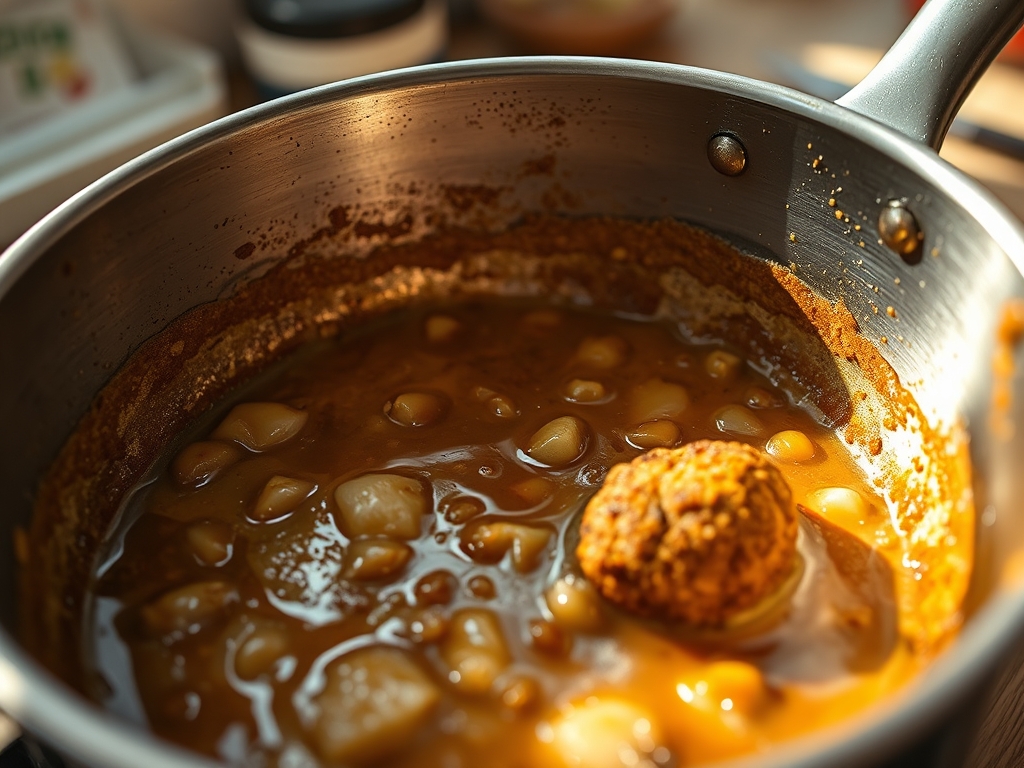
Heat your oil in a deep saucier or heavy-bottomed pot to exactly 175C (350F). Fry the falafel in small batches for 3 to 4 minutes until the exterior is a deep, mahogany brown.
Pro Tip: Use an infrared thermometer to monitor oil temperature. If the temperature drops below 160C, the falafel will absorb oil and become greasy. If it exceeds 190C, the exterior will burn before the interior can render its raw chickpea flavor.
Section B: Prep & Timing Fault-Lines:
Timing is the silent killer of the Spicy Falafel Audit. If you fry the balls straight from the processor without the refrigeration rest, they will likely shatter. This is a "thermal shock" failure. Conversely, if you leave the raw mixture in the fridge for more than 24 hours, the greens will oxidize and turn a muddy brown, and the baking soda will lose its potency. Fix: Always time your fry-up to occur within 2 hours of the final mix. If your oil isn't coming up to temp fast enough, you are likely using a pot with insufficient thermal mass. Use cast iron or heavy tri-ply steel to maintain heat stability.
THE VISUAL SPECTRUM
Section C: Thermal & Visual Troubleshooting:
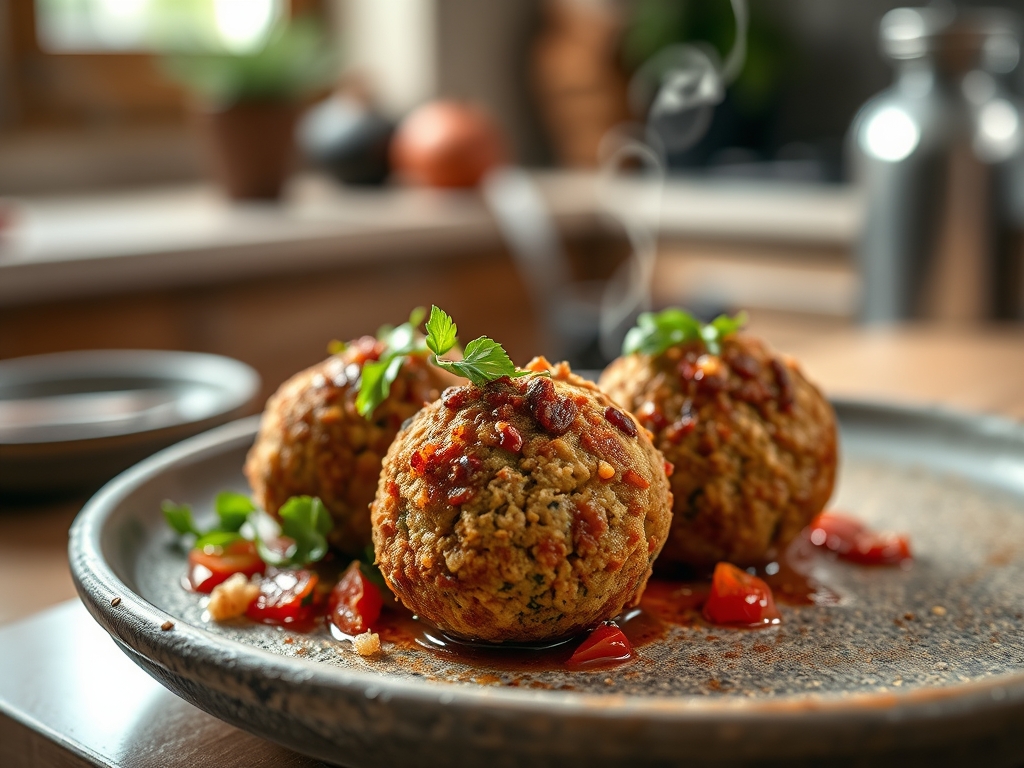
Look at the Masterclass photo. Notice the specific "cragged" surface of the falafel. This is not a smooth sphere; it is a textured landscape designed to trap sauce. If your falafel looks smooth like a golf ball, you have over-processed the mix into a paste. If the color is pale yellow rather than golden-brown, your oil temperature was too low, or you crowded the pan, causing a temperature crash. If the interior is not vibrant green, you likely used too many stems or old herbs. Fix: Ensure a 2:1 ratio of leaves to stems. If you see black spots on the exterior, your oil is contaminated with burnt bits from previous batches. Fix: Use a fine-mesh skimmer to clean the oil between every single batch.
THE DEEP DIVE
Macro Nutrition Profile
Per 4-ball serving: 320 Calories, 12g Protein, 34g Carbohydrates, 16g Fat (mostly unsaturated from the frying oil). Falafel is a high-fiber powerhouse, providing roughly 8g of dietary fiber per serving, which aids in slowing the glucose response.
Dietary Swaps
- Vegan: This recipe is naturally vegan. Ensure your frying oil is not cross-contaminated with animal fats.
- Keto: Replace chickpeas with a mix of ground cauliflower and almond flour (Note: this will drastically change the structural integrity; use an egg binder).
- GF: This recipe is naturally gluten-free as long as you avoid adding flour as a "cheat" binder.
Meal Prep & Reheating Science
To maintain the molecular structure, never microwave leftover falafel. Microwaves excite water molecules, turning the crisp exterior into a soggy, rubbery mess. Instead, use an air fryer or toaster oven at 190C for 4 minutes. This flashes the surface moisture away and re-crisps the oil-impregnated crust without drying out the interior.
THE KITCHEN TABLE
Why did my falafel fall apart in the oil?
You likely used canned chickpeas or didn't rest the dough. Canned beans lack the raw starch necessary to bind the ball. Ensure you use dried, soaked beans and chill the mixture for 30 minutes before frying.
Can I bake these instead of frying?
You can, but the audit will fail on texture. Baking produces a dry, dense puck rather than a crisp, aerated ball. If you must bake, brush them generously with oil and use a high-convection setting.
What is the best oil for this audit?
Grapeseed or Avocado oil. You need a high smoke point (above 200C) and a neutral flavor profile. Avoid extra virgin olive oil; its low smoke point will create acrid flavors at frying temperatures.
How do I get that bright green interior?
The secret is a massive volume of fresh herbs and a splash of lemon juice added at the very end. The lemon juice brightens the chlorophyll, while the sheer quantity of parsley ensures the color remains intense.