Imagine a sensory overload where the atmosphere itself becomes a medium for chemical warfare. You step into the kitchen and the air is thick with the scent of charred alliums and a creeping, invisible heat that prickles the back of your throat. This is the reality of processing Ghost Pepper Salsa; a high-stakes engineering project where the objective is to harness the Bhut Jolokia. This pepper does not merely provide flavor. It delivers a sustained, capsaicin-heavy assault that registers over one million Scoville Heat Units. To manage this volatile organic compound, you cannot simply cook; you must orchestrate a series of chemical reactions that stabilize the heat while elevating the underlying fruity notes of the pepper. We are looking for a balance between the searing intensity and a complex, acidic backbone. If you fail to respect the architecture of this salsa, you end up with a one-dimensional burn that ruins the palate. If you succeed, you create a masterpiece of culinary infrastructure that is both terrifying and addictive.
THE DATA MATRIX
| Metric | Specification |
|---|---|
| Prep Time | 25 Minutes |
| Execution Time | 15 Minutes |
| Yield | 1.5 Liters / 6 Cups |
| Complexity (1-10) | 8 |
| Estimated Cost per Serving | $0.85 |
THE GATHERS
Ingredient Protocol:
- 6 units / 6 units: Ghost Peppers (Bhut Jolokia), stems removed.
- 900g / 2 lbs: Roma Tomatoes, halved lengthwise.
- 2 medium / 2 medium: White Onions, quartered.
- 6 cloves / 6 cloves: Garlic, unpeeled.
- 125ml / 0.5 cup: Fresh Lime Juice.
- 60ml / 4 tbsp: Apple Cider Vinegar.
- 15g / 1 tbsp: Sea Salt (Fine Grain).
- 10g / 2 tsp: Smoked Paprika.
- 1 bunch / 1 cup: Fresh Cilantro, tightly packed.
- 15ml / 1 tbsp: Agave Nectar (to balance pH).
Section A: Ingredient Quality Audit:
The primary failure point in a Ghost Pepper Salsa is the moisture content of the tomatoes. If your Romas are mealy or overripe, the salsa will become a watery, structural mess. To fix this, roast the tomatoes longer to render out excess liquid and concentrate the sugars. If your Ghost Peppers lack that signature floral aroma, they may be aged. You can infuse a bit of vitality back into the profile by adding a pinch of dried habanero powder to bridge the gap. Finally, if the lime juice tastes metallic, it is likely bottled; always use fresh citrus to ensure the citric acid provides the necessary brightness to cut through the heavy capsaicin oils.
THE MASTERCLASS
Step 1: Thermal Blistering and Charring
Arrange the tomatoes, onions, and garlic on a heavy-duty baking sheet. Place them under a broiler until the skins are blackened and the flesh is soft. Use a saucier to catch any runoff juices from the tray; these liquids contain concentrated umami.
Pro Tip: This step utilizes the Maillard reaction to create complex flavor compounds that act as a counterweight to the pepper's heat. Use a bench scraper to efficiently transfer the charred vegetables to your processing station without losing the flavored oils.
Step 2: Ghost Pepper Integration
Wearing nitrile gloves is a non-negotiable safety protocol. Finely mince the Ghost Peppers. If you desire a lower viscosity, remove the seeds and internal membranes. Place the peppers into a high-speed blender or food processor.
Pro Tip: Capsaicin is an oil-based alkaloid. By finely mincing the peppers before blending, you increase the surface area, allowing the heat to infuse more evenly throughout the tomato base rather than leaving "hot spots" that can overwhelm the consumer.
Step 3: Emulsification and Acid Balancing
Add the roasted vegetables (peel the garlic first), lime juice, vinegar, salt, and paprika into the blender. Pulse the mixture to your desired texture. Once the texture is achieved, stream in the agave nectar while the blades are moving to aerate the mixture slightly.
Pro Tip: Use a digital scale to ensure your salt and agave ratios are exact. The vinegar and lime juice provide the acidic environment necessary to keep the capsaicin molecules in suspension, preventing the salsa from separating over time.
Step 4: The Cilantro Finish
Add the cilantro at the very end and pulse only twice. You want visible flecks of green, not a green-tinted puree. This preserves the volatile oils in the cilantro which provide the necessary aromatic top notes.
Pro Tip: Over-processing cilantro can lead to a "soapy" flavor profile due to the breakdown of aldehydes. Using a sharp blade and minimal pulses ensures these compounds remain intact within the leaf structure.
Section B: Prep & Timing Fault-Lines:
Timing is the silent killer of flavor. If you roast the garlic as long as the tomatoes, you will end up with a bitter, acrid mess. Remove the garlic cloves early once they are soft to the touch. Additionally, temperature control during storage is vital. If you serve this salsa while it is still warm from the blender, the heat of the peppers will feel 20 percent more intense. Allow the salsa to rest in the refrigerator for at least four hours to let the flavors marry and the molecular structure stabilize.
THE VISUAL SPECTRUM
Section C: Thermal & Visual Troubleshooting:
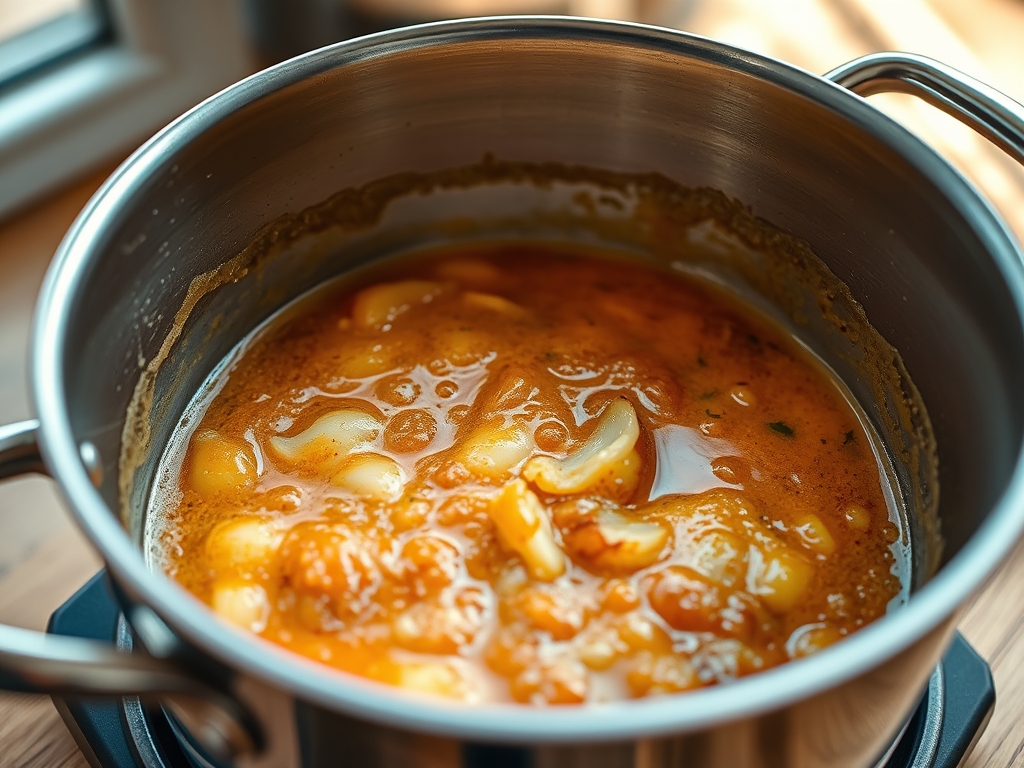
Referencing the Masterclass photo, your salsa should exhibit a deep, rustic red hue with distinct blackened flecks from the charring process. If your salsa appears pale or pink, you have likely incorporated too much air during the blending process; let it sit to deglaze the air bubbles. If the texture looks "soupy" rather than viscous, you failed to roast the tomatoes long enough. You can correct this by simmering the finished salsa in a saucier over medium heat for ten minutes to reduce the liquid volume. The visual goal is a chunky, glistening matrix where the oil from the peppers creates a slight sheen on the surface.
THE DEEP DIVE
Macro Nutrition Profile:
Per 100g serving:
- Calories: 35
- Fat: 0.2g
- Carbohydrates: 7g
- Fiber: 1.5g
- Protein: 1.1g
- Vitamin C: 45% DV
Dietary Swaps:
- Vegan: Naturally vegan. Ensure your agave nectar is pure.
- Keto: Replace agave nectar with a drop of liquid monk fruit or simply omit the sweetener entirely.
- GF: Naturally gluten-free. Ensure your apple cider vinegar is certified GF to avoid cross-contamination.
Meal Prep & Reheating Science:
To maintain the molecular structure, do not freeze this salsa; the ice crystals will rupture the tomato cell walls and result in a grainy texture upon thawing. For reheating (if using as a base for a warm sauce), use a low, indirect heat. Rapid boiling can cause the capsaicin to become airborne, essentially creating pepper spray in your kitchen. Store in glass jars to prevent the volatile oils from staining plastic containers.
THE KITCHEN TABLE
How do I reduce the heat if it is too intense?
Increase the volume of roasted tomatoes or add more agave nectar. Sugars and acids are the primary neutralizing agents for capsaicin. Adding a dollop of Greek yogurt or sour cream when serving will also provide fat to bind the heat.
Why does my salsa taste bitter?
Bitterness usually stems from over-charred garlic or burnt pepper seeds. Ensure you peel the garlic after roasting and remove any excessively blackened skins from the onions. A small pinch of extra salt can often mask minor bitter notes.
Can I use canned tomatoes for this recipe?
Yes; however, you must drain them thoroughly. Use fire-roasted canned tomatoes to mimic the depth of flavor provided by the broiler. The texture will be smoother and less rustic than using fresh Roma tomatoes.
How long will this salsa remain shelf-stable?
In a sealed glass container, the high acidity from the lime and vinegar will keep the salsa fresh for 7 to 10 days. Always check for off-smells or mold growth before consumption; the heat can sometimes mask early spoilage.