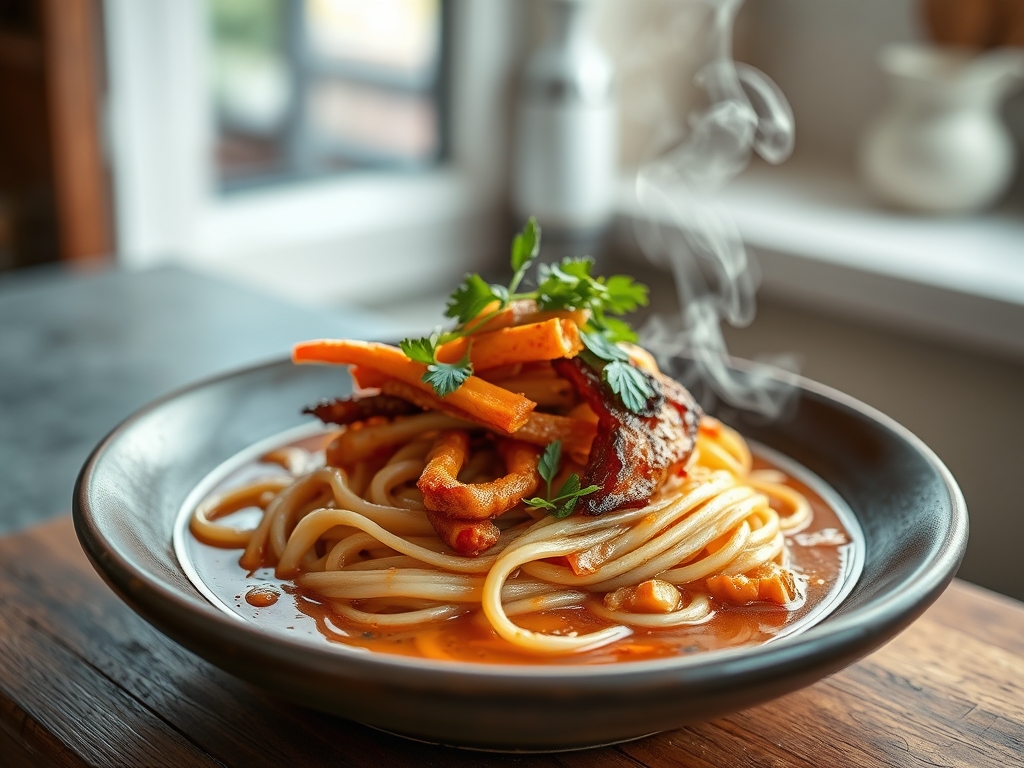
Listen up, kitchen operatives. We are not here to boil water and hope for the best; we are here to engineer a masterpiece of high-velocity culinary physics. When you commit to a Spicy Sausage Pasta, you are engaging in a high-stakes race against the clock where fat, heat, and starch must collide in perfect synchronicity. This is the 15 minute sprint. It is a visceral experience defined by the sound of pork fat hitting a searing stainless steel surface and the piquant aroma of crushed red pepper flakes blooming in hot oil. We are looking for a sauce that is thick, glossy, and impossibly rich. It must cling to the pasta with the tenacity of a structural adhesive. If your sauce is watery, you have failed the mission. If your sausage is grey and flaccid, you have ignored the laws of thermodynamics. We are aiming for maximum Maillard reaction and a silky emulsion that coats every ridge of your rigatoni. Strap in. The clock is ticking, and the data does not lie.
THE DATA MATRIX
| Metric | Specification |
|---|---|
| Prep Time | 5 Minutes |
| Execution Time | 10 Minutes |
| Yield | 4 Operatives |
| Complexity | 4/10 |
| Estimated Cost per Serving | $3.25 USD |
THE GATHERS
Ingredient Protocol:
- 450g / 1 lb Spicy Italian Sausage (Bulk or casings removed)
- 500g / 1.1 lbs Dried Rigatoni or Penne
- 475ml / 2 cups Heavy Cream
- 60ml / 0.25 cup Dry White Wine (Pinot Grigio or Sauvignon Blanc)
- 15g / 3 cloves Garlic (Microplaned)
- 5g / 1 tsp Red Pepper Flakes (Adjust for heat tolerance)
- 50g / 0.5 cup Freshly Grated Parmigiano-Reggiano
- 30g / 2 tbsp Tomato Paste
- 10g / 1 bunch Fresh Parsley (Finely minced)
Section A: Ingredient Quality Audit:
Sub-par raw materials are the primary cause of system failure. If your sausage is "leaking" water rather than fat, it contains excessive fillers. To fix this, increase your initial pan temperature to evaporate the moisture rapidly before the meat boils in its own juices. If your cream breaks or curdles, it is likely a low-fat imitation; ensure you are using 36 percent milkfat heavy cream to maintain a stable viscous state. Finally, if your Parmigiano smells like a gym locker rather than nutty fruit, it is pre-shredded cellulose-coated trash. Grate it yourself to ensure it melts into the emulsion rather than clumping into plastic-like nodules.
THE MASTERCLASS
1. Thermal Priming and Rendering
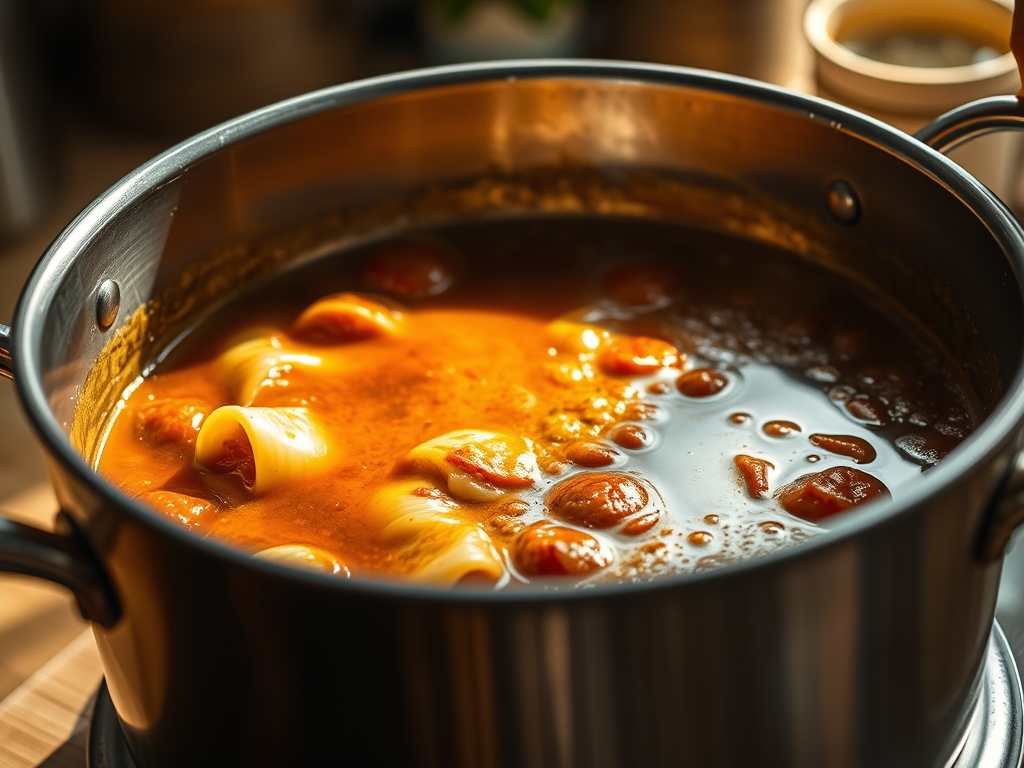
Place your heavy-bottomed saucier over medium-high heat. Add a teaspoon of neutral oil just to prime the surface, then drop in the crumbled sausage. Use a bench scraper or a stiff wooden spoon to break the protein into small, uniform nodules. You are looking for a deep, mahogany crust.
Pro Tip: The science here is the Maillard reaction. By keeping the pan temperature high and the meat surface dry, you create complex flavor compounds that cannot exist in a crowded, steaming pan. Do not stir constantly; let the crust form.
2. Aromatics and Deglazing
Once the fat has rendered and the meat is browned, push the sausage to the perimeter. Add the tomato paste to the center and "fry" it for 60 seconds until it turns brick red. Add the garlic and red pepper flakes. Before the garlic scorches, pour in the white wine to deglaze the pan.
Pro Tip: Deglazing uses the acidity and moisture of the wine to lift the "fond" (the brown bits) off the bottom of the pan. This integrates all that concentrated flavor back into the liquid phase of the sauce.
3. Emulsion Development
Reduce the heat to medium and pour in the heavy cream. Bring the mixture to a low simmer. While the sauce reduces, drop your pasta into a pot of heavily salted boiling water. Use a digital scale to ensure you are cooking exactly the amount of pasta the sauce can support.
Pro Tip: As the cream simmers, water evaporates and the fat globules concentrate. This increases the viscosity. Aim for a sauce that coats the back of a spoon without immediately running off.
4. The Final Integration
Two minutes before the pasta reaches al dente, use a spider strainer to transfer it directly into the sauce. Do not discard the pasta water. Add a splash of that starchy liquid to the pan along with the cheese. Toss violently over high heat to aerate and emulsify.
Pro Tip: Pasta water contains released starches that act as a bridge between the fats in the cream/cheese and the water-based sauce components. This creates a "creamy" texture without adding extra fat.
Section B: Prep & Timing Fault-Lines:
The most common human error is the "Starch Lag." If your pasta finishes before your sauce is reduced, the noodles will continue to cook in their own residual heat, turning into mush. If you fall behind, pull the pasta 3 minutes early and shock it in cold water to halt the process. Conversely, if the sauce reduces too far and becomes oily, "break" it back into an emulsion by whisking in 30ml of cold pasta water. Precision timing is the difference between a professional audit and a kitchen catastrophe.
THE VISUAL SPECTRUM
Section C: Thermal & Visual Troubleshooting:
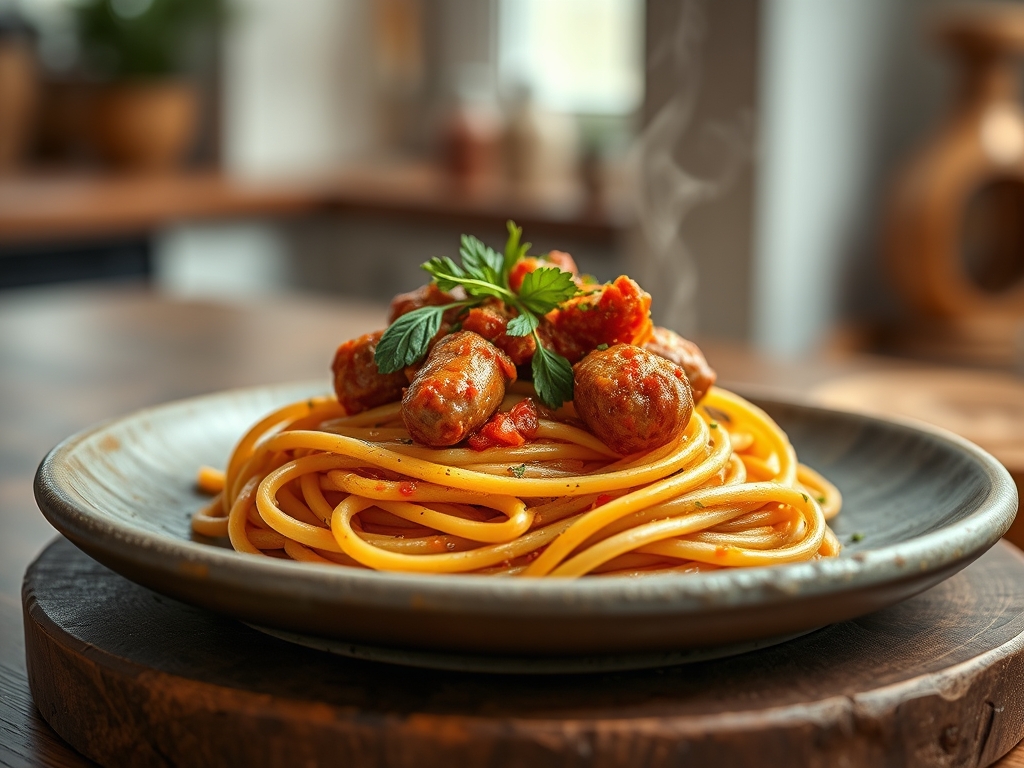
Observe the Masterclass photo above. Notice the "High-Gloss Sheen" on the rigatoni; this indicates a successful emulsion. If your dish looks dull or matte, you lack sufficient fat or starchy water. The "Char-Specks" on the sausage are non-negotiable; if your meat looks grey, you failed to reach the necessary thermal threshold. If the sauce is "breaking" (visible oil pools), the heat was too high when the cheese was added. The cheese should be folded in off-set from direct flame to prevent the proteins from tightening and squeezing out the fat.
THE DEEP DIVE
Macro Nutrition Profile:
This is a high-octane fuel source. Per serving, expect approximately 850 calories, 45g of fat, 65g of carbohydrates, and 35g of protein. It is designed for recovery or high-output days. The sodium content is significant due to the cured nature of the sausage and the hard cheese; adjust your pasta water salt accordingly.
Dietary Swaps:
- Vegan: Swap sausage for crumbled tempeh seasoned with fennel and smoked paprika. Use cashew cream and nutritional yeast for the base.
- Keto: Eliminate the pasta and serve the sauce over roasted cauliflower or zucchini ribbons. The sauce itself is naturally keto-compliant.
- GF: Use high-quality brown rice or corn-based pasta. Warning: GF pasta water has less structural starch, so you may need a pinch of xanthan gum to assist the emulsion.
Meal Prep & Reheating Science:
To maintain molecular structure during reheating, do not use a microwave on high power. This causes the fat to separate from the solids, resulting in a greasy mess. Instead, add a splash of milk or water to a pan, add the cold pasta, and heat gently while stirring. This re-hydrates the starch and re-emulsifies the fats.
THE KITCHEN TABLE
Why is my sauce so salty?
Sausage and Parmigiano are salt-bombs. If you over-salted your pasta water, the cumulative effect is overwhelming. Next time, taste the sauce before adding any additional salt. You can mitigate current saltiness with a squeeze of fresh lemon juice.
Can I use half-and-half instead of heavy cream?
Negative. Half-and-half lacks the fat content to withstand the acidity of the wine and the high heat of the reduction. It will likely curdle, destroying the visual and textural integrity of the Spicy Sausage Pasta. Stick to the specs.
What if I don't have white wine?
Substitute with a splash of chicken stock and a teaspoon of apple cider vinegar. You need the acidity to cut through the heavy fats of the pork and cream. Without it, the dish will feel heavy and one-dimensional on the palate.
My sausage is sticking to the pan too much!
This means you tried to move it too early. Protein bonds to the metal initially; as the Maillard reaction completes, the meat will naturally release from the surface. Be patient. Let the physics work before you intervene with your spoon.