The structural integrity of a slider is not a suggestion; it is a mathematical necessity. When we discuss Hot Chicken Sliders, we are navigating the volatile intersection of high-heat capsaicin delivery and structural bread engineering. A standard burger allows for error, but the slider is a compressed format where every millimeter of height affects the bite-down pressure. We are looking for a specific textural hierarchy: the initial resistance of a toasted brioche crown, the crunch of a double-dredged crust, and the molten interior of a perfectly brined thigh. If your ratio is off, the slider becomes a catastrophic mess of sliding slaw and soggy bottoms. We demand a vertical stack that defies gravity while maintaining a piquant profile that challenges the palate. This is culinary infrastructure at its most aggressive. We are not just making sandwiches; we are calibrating a delivery system for heat, fat, and acid. Strap in, calibrate your digital scales, and prepare to audit your process from the protein up.
THE DATA MATRIX
| Metric | Specification |
|---|---|
| Prep Time | 45 Minutes |
| Execution Time | 20 Minutes |
| Yield | 12 Sliders |
| Complexity | 7/10 |
| Estimated Cost per Serving | $2.25 |
THE GATHERS
Ingredient Protocol:
The Protein Foundation
- 1.36 kg / 3 lbs Boneless Skinless Chicken Thighs (Trimmed)
- 475 ml / 2 cups Whole Buttermilk
- 30 ml / 2 tbsp Pickle Brine
- 15 ml / 1 tbsp Hot Sauce (Vinegar-based)
The Dredge Architecture
- 375 g / 3 cups All-Purpose Flour
- 60 g / 0.5 cup Cornstarch (For crispness)
- 15 g / 1 tbsp Smoked Paprika
- 10 g / 2 tsp Cayenne Pepper
- 10 g / 2 tsp Garlic Powder
The Nashville Glaze
- 120 ml / 0.5 cup Neutral Frying Oil (Reserved from fry)
- 45 g / 3 tbsp Cayenne Pepper
- 20 g / 1.5 tbsp Brown Sugar
- 5 g / 1 tsp Chili Powder
The Vessel & Garnish
- 12 count Brioche Slider Buns
- 250 ml / 1 cup Creamy Coleslaw (High acidity)
- 36 count Dill Pickle Chips
Section A: Ingredient Quality Audit:
The most common failure point in Hot Chicken Sliders is the moisture content of the chicken. If your poultry is "enhanced" with a saline solution from the factory, it will purge water during the fry, detaching the breading. Seek out air-chilled chicken to ensure the protein fibers remain tight. If your flour feels heavy or clumped, you must aerate it using a fine-mesh sieve; compacted flour creates a leaden, doughy crust rather than a shattered-glass texture. For the oil, avoid low-smoke point fats. Use peanut or grapeseed oil to ensure you can reach 175 C (350 F) without the oil breaking down into bitter compounds. If your cayenne lacks a vibrant red hue, it has oxidized. Toss it. Freshness is the only way to achieve that deep, mahogany glow in the final glaze.
THE MASTERCLASS
Step 1: The Molecular Brine
Submerge your trimmed chicken thighs in the buttermilk and pickle brine mixture for at least four hours. Use a digital scale to ensure your salt ratios are exact. This process uses osmosis to draw moisture into the protein cells while the lactic acid in the buttermilk begins to denature the tougher connective tissues.
Pro Tip: The acidity in the buttermilk acts as a pre-cook tenderizer. By the time the chicken hits the oil, the proteins are already primed to remain juicy even under high thermal stress.
Step 2: The Double-Dredge Engineering
Whisk your flour, cornstarch, and spices in a large stainless steel bowl. Remove chicken from the brine, let the excess drip, and press firmly into the flour. Return the chicken to the brine for a split second, then back into the flour for a second coating. Use a bench scraper to keep your workstation clean of "club hand" flour buildup.
Pro Tip: The cornstarch interferes with gluten development. This ensures the crust remains brittle and crunchy rather than chewy, providing the necessary resistance against the soft bun.
Step 3: Thermal Execution
Heat your oil in a heavy-bottomed saucier or cast-iron Dutch oven to 175 C (350 F). Fry the chicken in small batches to prevent the temperature from plummeting. Fry for 5 to 7 minutes until the internal temperature reaches 74 C (165 F).
Pro Tip: Use an instant-read thermometer to monitor the oil. If the temperature drops below 160 C, the breading will absorb oil rather than searing, leading to a greasy, failed audit.
Step 4: The Glaze Infusion
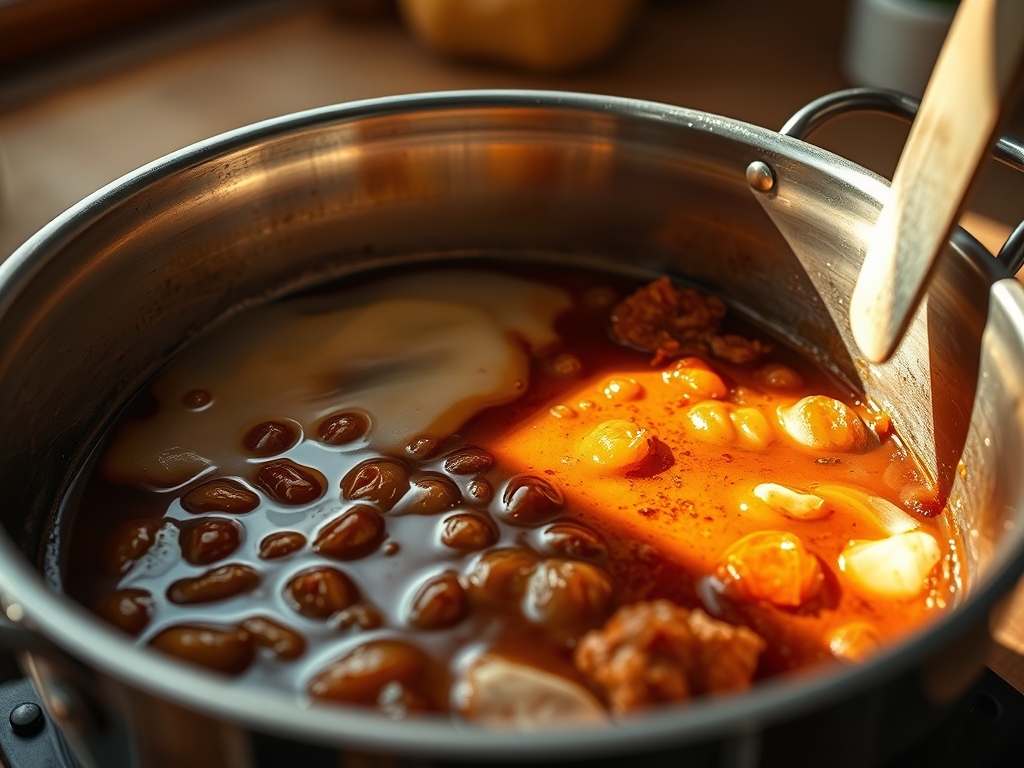
Whisk the cayenne, brown sugar, and spices into the hot frying oil. This is a fat-soluble flavor extraction. Use a silicone pastry brush to coat each piece of fried chicken thoroughly. The sugar will slightly caramelize against the residual heat of the chicken.
Pro Tip: The oil must be hot when mixing the glaze to infuse the spices fully. If the oil is cool, the spices will taste raw and gritty rather than smooth and piquant.
Step 5: The Compression Assembly
Toast your brioche buns until the interior is golden brown. Place three pickles on the bottom bun, followed by the glazed chicken, and a heap of acidic slaw. Place the top bun and apply gentle pressure to "set" the slider.
Pro Tip: Toasting the bun creates a hydrophobic barrier. This prevents the juices from the chicken and the moisture from the slaw from migrating into the bread and causing structural collapse.
Section B: Prep & Timing Fault-Lines:
Timing is the silent killer of the Hot Chicken Slider. If you glaze the chicken too early, the steam from the meat will soften the crust from the inside out. You have a three-minute window between frying and assembly to maintain peak crunch. Furthermore, if your slaw is too viscous (watery), it will act as a lubricant, causing the chicken to slide out of the bun during the first bite. Drain your slaw in a colander for ten minutes before assembly to remove excess liquid. Finally, ensure your buns are toasted to order; a cold bun against hot chicken creates condensation, which is the enemy of the compressed slider.
THE VISUAL SPECTRUM
Section C: Thermal & Visual Troubleshooting:
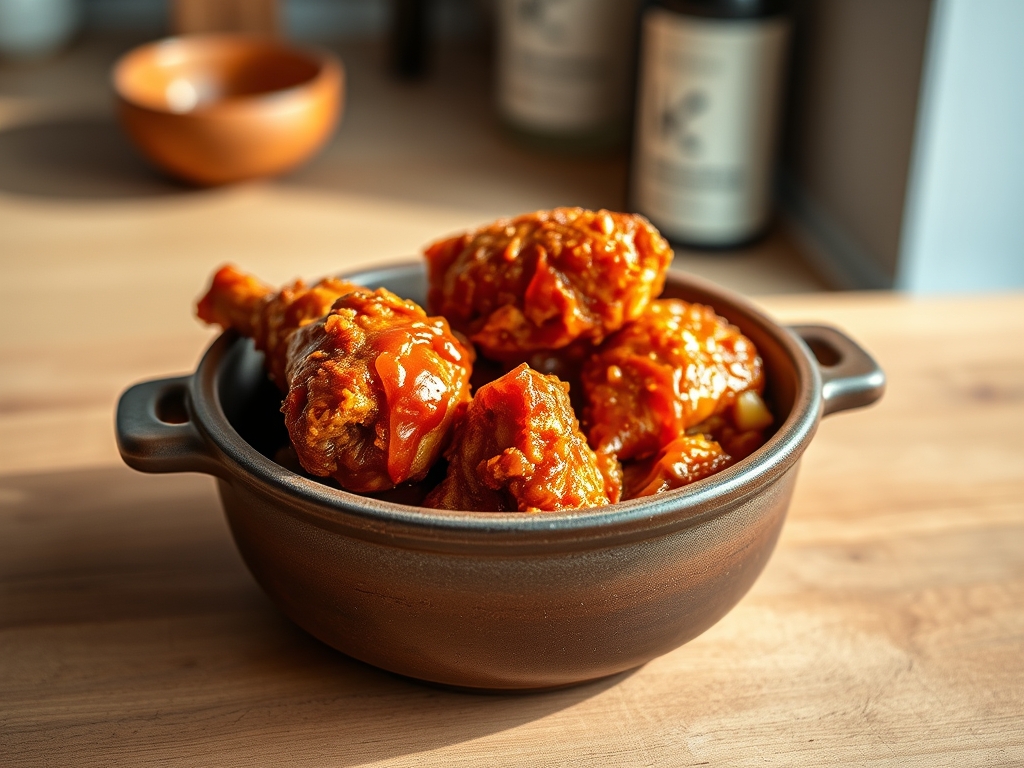
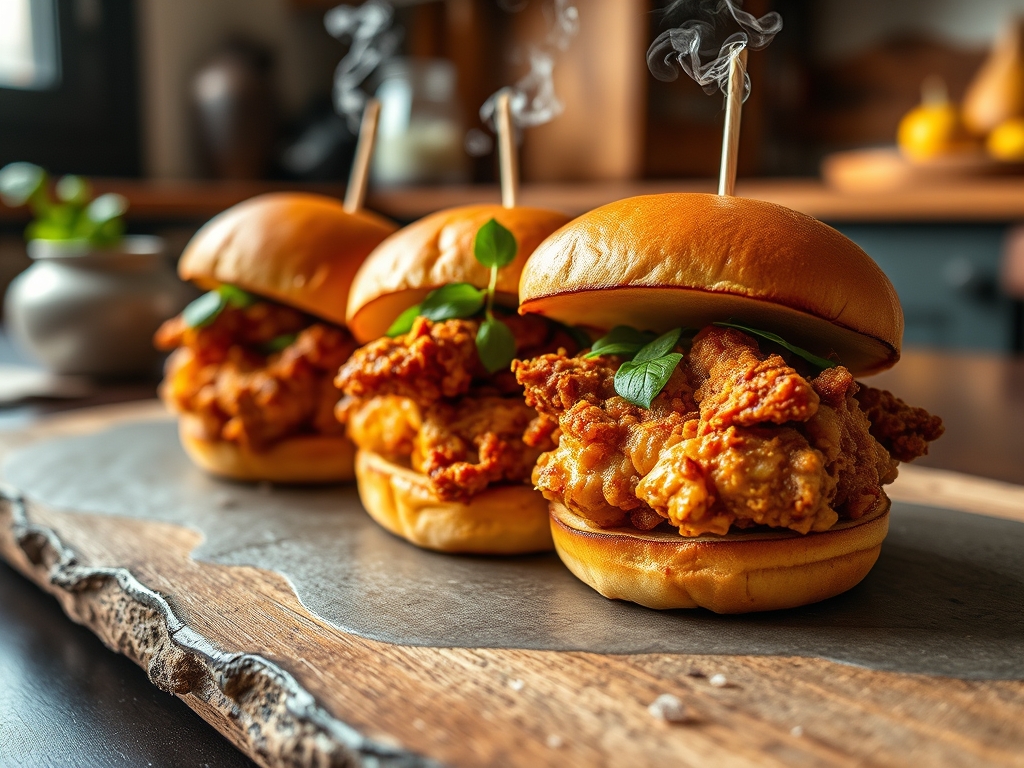
Referencing the Masterclass photo, your sliders should exhibit a high-contrast color palette. The glaze must be a deep, saturated crimson, not a pale orange. If your chicken looks dull, you likely skimped on the paprika or used old oil. The "crags" in the breading should be prominent; these are created by drizzling a few tablespoons of buttermilk into your flour dredge before coating, creating small clumps that fry into extra-crunchy nodules. If the bun looks smashed rather than toasted, you applied too much pressure during the heating phase. The slaw should provide a bright, white, and green contrast to the dark meat. If the slaw looks grey, your cabbage has oxidized or your vinegar content is too low to maintain the pigment.
THE DEEP DIVE
Macro Nutrition Profile:
A single Hot Chicken Slider typically contains 380 to 450 calories. The primary drivers are the fats from the deep-frying process and the simple carbohydrates in the brioche bun. Expect 22g of Protein, 45g of Carbs, and 18g of Fat.
Dietary Swaps:
- Vegan: Replace chicken with thick-cut oyster mushrooms or seitan. Use soy milk and apple cider vinegar for the "buttermilk" and a vegan brioche alternative.
- Keto: Eliminate the bun and use large butter lettuce cups. Replace the flour dredge with unflavored whey protein isolate and crushed pork rinds.
- GF: Utilize a 1:1 gluten-free flour blend with an increased cornstarch ratio for the dredge. Ensure the slider bun is a dedicated GF product.
Meal Prep & Reheating Science:
To maintain molecular structure when reheating, avoid the microwave at all costs. The microwave agitates water molecules, which turns the crust into a soggy sponge. Instead, use an air fryer at 190 C (375 F) for 3 to 4 minutes. This will render any residual fats and re-crisp the exterior while keeping the interior moist. Store the glaze, slaw, and chicken in separate containers to prevent moisture migration.
THE KITCHEN TABLE
Why is my breading falling off the chicken?
This is usually caused by "wet" chicken. Ensure the meat is patted dry before the initial flour dip. Also, avoid moving the chicken too much in the oil during the first 60 seconds of frying while the crust sets.
Can I use chicken breast instead of thighs?
You can, but the audit will likely fail on juiciness. Breasts lack the intramuscular fat to withstand the high-heat glaze process. If you must use breast meat, slice it thin and reduce the frying time by two minutes.
How do I make the glaze even hotter?
To increase the piquant level, incorporate ghost pepper flakes or a drop of capsaicin extract into the oil. However, be careful not to burn the peppers, as this creates a bitter, acrid smoke that ruins the flavor profile.
What is the best way to toast the buns?
Use a flat-top griddle or a large skillet with a thin layer of clarified butter. This creates an even, golden-brown sear that acts as a structural foundation for the heavy chicken and slaw.
Why does my glaze look oily rather than thick?
The glaze is an oil-based suspension. If it is too thin, add more brown sugar or a teaspoon of honey. The sugar acts as a binder, helping the spices cling to the chicken's surface.