Listen to the sound of the timer. Fifteen minutes is the difference between a soggy disappointment and a structural masterpiece. The Spicy Shrimp Po Boy is not just a sandwich; it is a high-velocity engineering project where crustacean proteins meet the aggressive heat of a seasoned skillet. You are looking for a specific textural contrast. The exterior of the shrimp must be snappy and piquant, while the crumb of the French bread must act as a porous shock absorber for the remoulade.
We are bypassing the traditional deep fryer to save time without sacrificing the Maillard reaction. By utilizing high-heat searing and a precision-engineered spice blend, we achieve a blackened crust that locks in moisture. This is culinary infrastructure at its most efficient. Every second counts. If your mise en place is not staged, you have already lost the battle against the clock. Prepare for a sensory assault where the heat of cayenne meets the cooling crunch of shredded lettuce. This is the audit of the perfect bite.
THE DATA MATRIX
| Metric | Specification |
|---|---|
| Prep Time | 7 Minutes |
| Execution Time | 8 Minutes |
| Yield | 2 Servings |
| Complexity (1-10) | 4 |
| Estimated Cost per Serving | $6.50 USD |
THE GATHERS
Ingredient Protocol:
- Proteins: 450g / 1 lb Large Shrimp (peeled, deveined, tail-off).
- The Vessel: 2 French Baguette Rolls (approx. 15cm / 6 inches each).
- The Spice Matrix: 15g / 1 tbsp Smoked Paprika; 5g / 1 tsp Cayenne; 5g / 1 tsp Garlic Powder; 5g / 1 tsp Dried Oregano.
- The Emulsion: 120ml / 0.5 cup Mayonnaise; 15ml / 1 tbsp Hot Sauce; 10ml / 2 tsp Dijon Mustard; 5ml / 1 tsp Lemon Juice.
- Produce: 100g / 2 cups Shredded Iceberg Lettuce; 1 Large Tomato (sliced thin).
- Lipids: 30g / 2 tbsp Unsalted Butter; 15ml / 1 tbsp Neutral Oil (Avocado or Grapeseed).
Section A: Ingredient Quality Audit:
The primary failure point in a Spicy Shrimp Po Boy is excess moisture. If your shrimp are frozen, they must be thawed and aggressively dried with paper towels. Residual water will cause the shrimp to steam rather than sear, resulting in a rubbery texture and a pale appearance. If your bread is too soft, it will collapse under the weight of the remoulade. A quick toast in a dry pan or oven is the technical fix to reinforce the structural integrity of the crumb. Finally, ensure your spices are fresh. Old paprika loses its vibrant red hue and becomes a dull, bitter dust that fails to infuse the oil with color.
THE MASTERCLASS
1. The Spice Integration
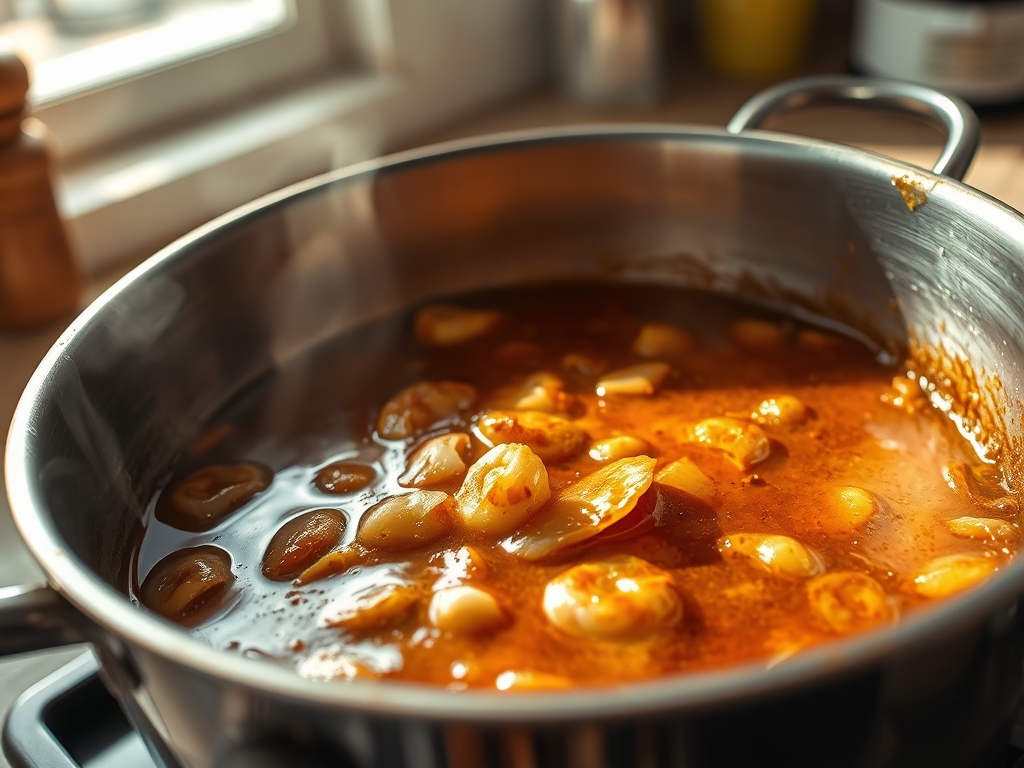
In a stainless steel mixing bowl, combine the shrimp with the neutral oil and the entire spice matrix. Use a silicone spatula to ensure every millimeter of the shrimp is coated. The oil acts as a carrier for the fat-soluble compounds in the paprika and cayenne.
Pro Tip: Use a digital scale to measure your spices by weight rather than volume. This ensures consistent heat levels across every batch and prevents the cayenne from overpowering the delicate sweetness of the shrimp.
2. The Remoulade Emulsification
Whisk the mayonnaise, hot sauce, mustard, and lemon juice in a small saucier or bowl until the mixture is viscous and uniform. The acidity in the lemon juice and mustard will help aerate the fat in the mayo, creating a lighter mouthfeel that cuts through the heat.
Pro Tip: Allow the sauce to sit for at least five minutes. This allows the dry components of the mustard and the vinegar in the hot sauce to marry, stabilizing the emulsion before it hits the warm bread.
3. The High-Heat Sear
Place a heavy cast-iron skillet over high heat. Once the pan begins to wisps smoke, add the seasoned shrimp in a single layer. Do not crowd the pan. Sear for 90 seconds per side until a dark, mahogany crust forms.
Pro Tip: Use an infrared thermometer to ensure your pan surface has reached at least 200C (400F). If the temperature is too low, the shrimp will release their juices, and you will lose the snap of the protein.
4. The Bread Fortification
While the shrimp rest, slice your baguettes lengthwise. Use a bench scraper to clear your station of any stray crumbs. Spread a thin layer of butter on the cut sides and toast them in the skillet used for the shrimp to deglaze any remaining spice remnants into the bread.
Pro Tip: Toasting the bread creates a hydrophobic barrier. This prevents the remoulade from soaking into the bread and turning it into a soggy mess before the sandwich reaches the table.
5. The Structural Assembly
Apply a generous layer of remoulade to both sides of the toasted bread. Layer the shredded lettuce on the bottom to act as a thermal buffer, followed by the tomato slices and the seared shrimp. Close the sandwich and press down slightly to set the internal architecture.
Pro Tip: The lettuce must be bone-dry. Any water clinging to the greens will dilute the remoulade and ruin the viscous texture of the sauce.
Section B: Prep & Timing Fault-Lines:
The most common timing error is overcooking the shrimp while waiting for the bread to toast. Shrimp are small and have very little thermal mass; they will continue to cook even after being removed from the heat. Always pull them when they are slightly under-done in the center. Another fault-line is the "cold-center" syndrome. If your tomatoes and lettuce are straight from a 2C (35F) refrigerator, they will rapidly cool the shrimp, destroying the contrast between the hot protein and the room-temperature bread. Temper your produce for ten minutes before assembly.
THE VISUAL SPECTRUM
Section C: Thermal & Visual Troubleshooting:
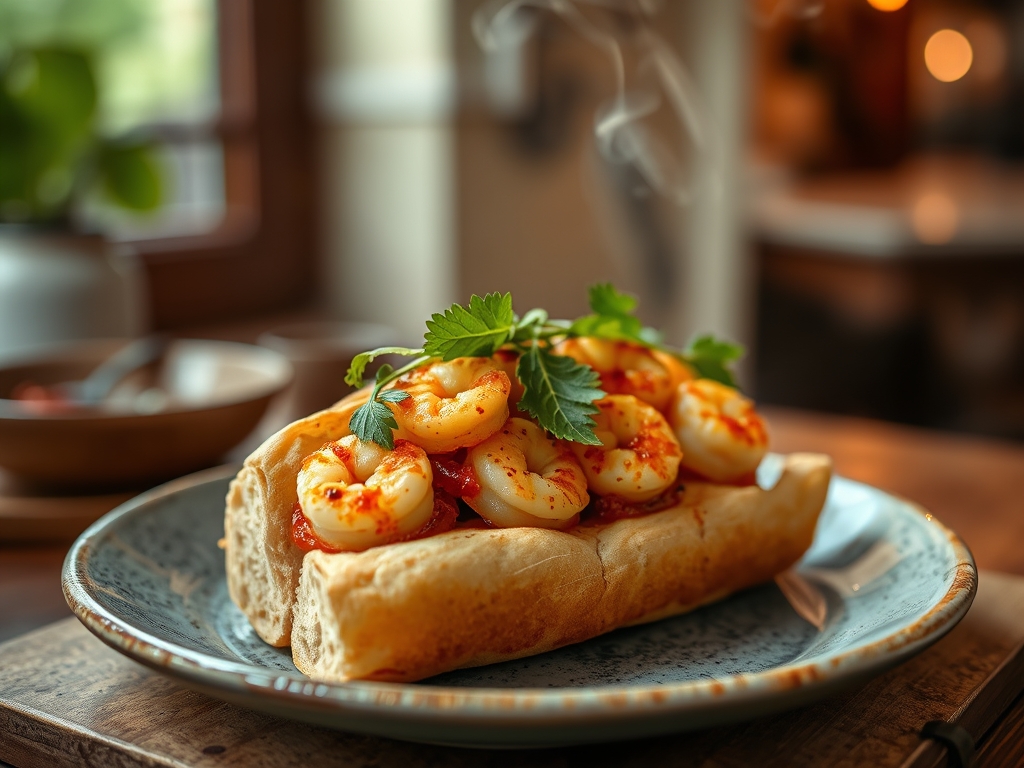
Referencing the Masterclass photo, the shrimp should exhibit a deep, rust-colored exterior with visible flecks of charred spice. If your shrimp look pale or orange, your pan temperature was insufficient to trigger the Maillard reaction. If the remoulade is "breaking" or looking oily, the heat from the shrimp is melting the emulsion; ensure the shrimp have rested for 60 seconds before assembly. The lettuce should remain vibrant green and crisp. If it looks wilted or translucent, the shrimp were placed directly onto the greens without the protective barrier of the tomato or a slight cooling period.
THE DEEP DIVE
Macro Nutrition Profile:
A standard serving provides approximately 45g of protein, 38g of carbohydrates, and 22g of fats. The caloric density sits around 530 calories. To reduce the caloric load, swap the mayonnaise for a Greek yogurt base, which maintains the acidity while significantly lowering the lipid count.
Dietary Swaps:
- Vegan: Replace shrimp with oyster mushrooms torn into bite-sized pieces and seared with the same spice matrix. Use a vegan aquafaba-based mayo.
- Keto: Eliminate the baguette. Serve the spicy shrimp and remoulade over a bed of shredded cabbage and kale for a "Po Boy Bowl."
- GF: Utilize a high-quality gluten-free baguette or a sturdy lettuce wrap. Ensure your spices do not contain anti-caking agents derived from wheat.
Meal Prep & Reheating Science:
To maintain molecular structure during reheating, store the shrimp and sauce separately. Reheat the shrimp in a dry skillet over medium-high heat for only 60 seconds. Do not use a microwave; the radiation will agitate the water molecules inside the shrimp, turning the protein into a rubbery, inedible polymer.
THE KITCHEN TABLE
Can I use pre-cooked shrimp for this?
Technically yes, but it is not recommended. Re-heating pre-cooked shrimp to achieve a sear will inevitably result in an overcooked, rubbery texture. Raw shrimp are essential for the 15-minute infrastructure.
What is the best hot sauce for the remoulade?
A vinegar-forward Louisiana-style hot sauce is traditional. It provides the necessary acidity to cut through the heavy mayonnaise and balances the smoky notes of the paprika.
Why is my bread falling apart?
You likely skipped the toasting phase or used too much sauce. The toast creates a structural crust that resists moisture. Always toast the interior of the roll.
Can I use a different protein?
Absolutely. Scallops or thin strips of white fish like catfish work perfectly with this spice matrix. Just adjust the sear time based on the thickness of the protein.