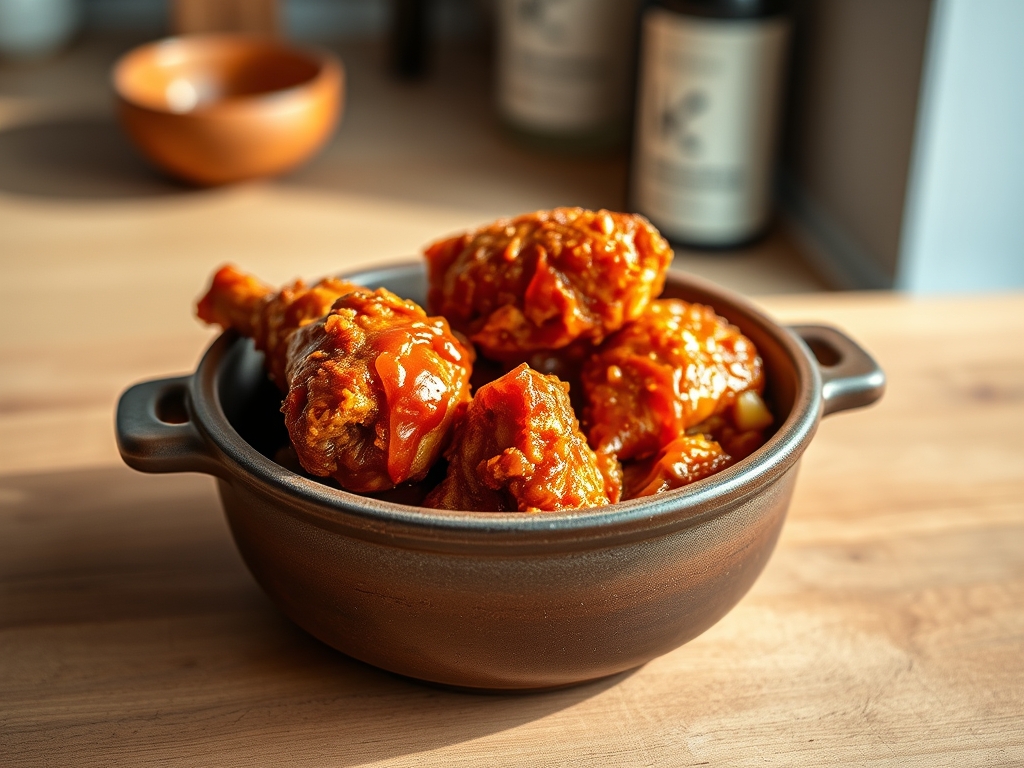
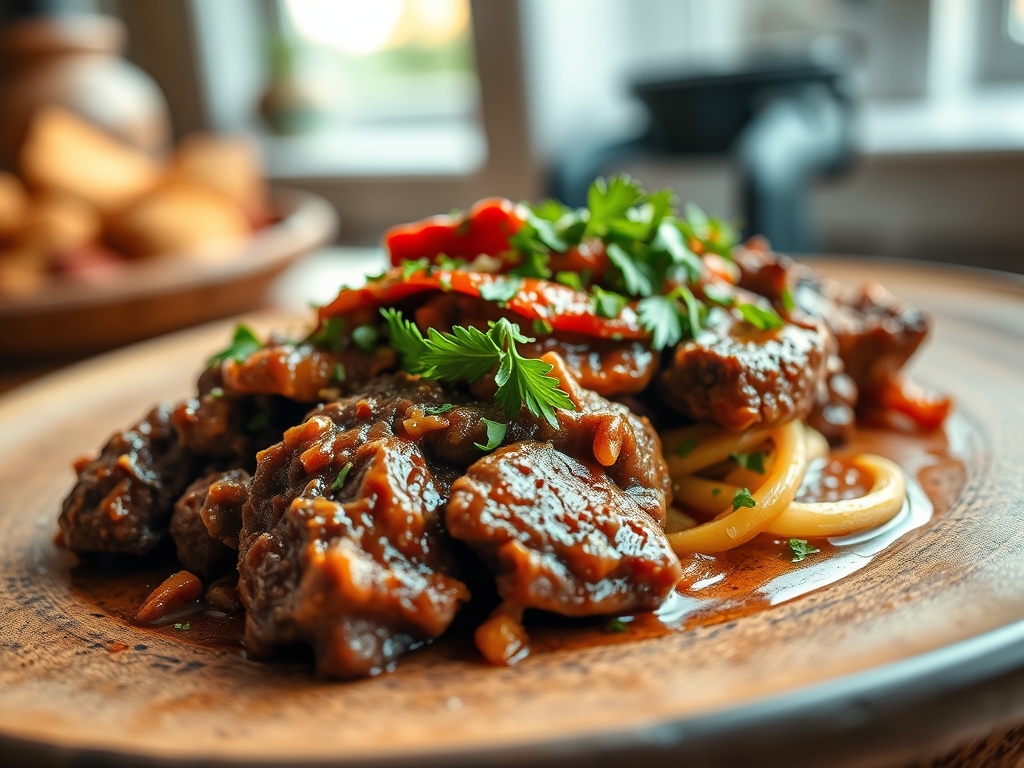
Forget the limp, soggy sandwiches of your childhood. We are here to discuss the structural engineering of the Spicy Italian Beef; a dish that demands respect for its hydraulic pressure and its piquant soul. Imagine a tectonic shift of flavor where thin ribbons of slow roasted chuck are submerged in a liquid gold of rendered fat and concentrated aromatics. This is not just lunch. This is an audit of your culinary capabilities. The goal is a sandwich that maintains its architectural dignity even after a full immersion in the jus. We are looking for that perfect intersection of a crusty baguette and a viscous, spicy gravy that clings to the fibers of the meat like a savory velvet cloak. If your beef lacks the necessary tension or your giardiniera fails to provide the required acidic counter-punch, you have failed the audit. Strap in. We are about to deconstruct the most aggressive sandwich in the Midwestern canon and rebuild it with scientific precision.
THE DATA MATRIX
| Metric | Specification |
|---|---|
| Prep Time | 45 Minutes |
| Execution Time | 8 to 10 Hours (Slow Braise) |
| Yield | 8 Servings |
| Complexity | 6 / 10 |
| Estimated Cost per Serving | $4.50 USD |
THE GATHERS
Ingredient Protocol:
- 1.8kg / 4 lbs Beef Chuck Roast (High Marbling)
- 1L / 4 cups Low-Sodium Beef Stock
- 120ml / 0.5 cup Extra Virgin Olive Oil
- 60ml / 4 tbsp Dried Oregano
- 30g / 2 tbsp Garlic Powder
- 15g / 1 tbsp Crushed Red Pepper Flakes
- 10g / 2 tsp Black Peppercorns (Freshly Cracked)
- 15ml / 1 tbsp Worcestershire Sauce
- 500g / 1 jar Spicy Chicago-Style Giardiniera (Oil-packed)
- 8 Large French Rolls (High-gluten crust)
Section A: Ingredient Quality Audit:
The primary failure point in a Spicy Italian Beef is the selection of the protein. If you choose a lean cut like eye of round, the result will be a dry, fibrous disaster that resists the jus. You must select a highly marbled chuck roast to ensure the connective tissues collagen break down into gelatin during the long braise. If your beef stock tastes like salted water, you must infuse it. Simmer the store-bought stock with charred onion skins and a splash of soy sauce for twenty minutes before using. This adds depth and a darker hue. Finally, if your dried herbs smell like dust, they are dead. Toast them in a dry saucier for sixty seconds to release the volatile oils before they hit the liquid.
THE MASTERCLASS
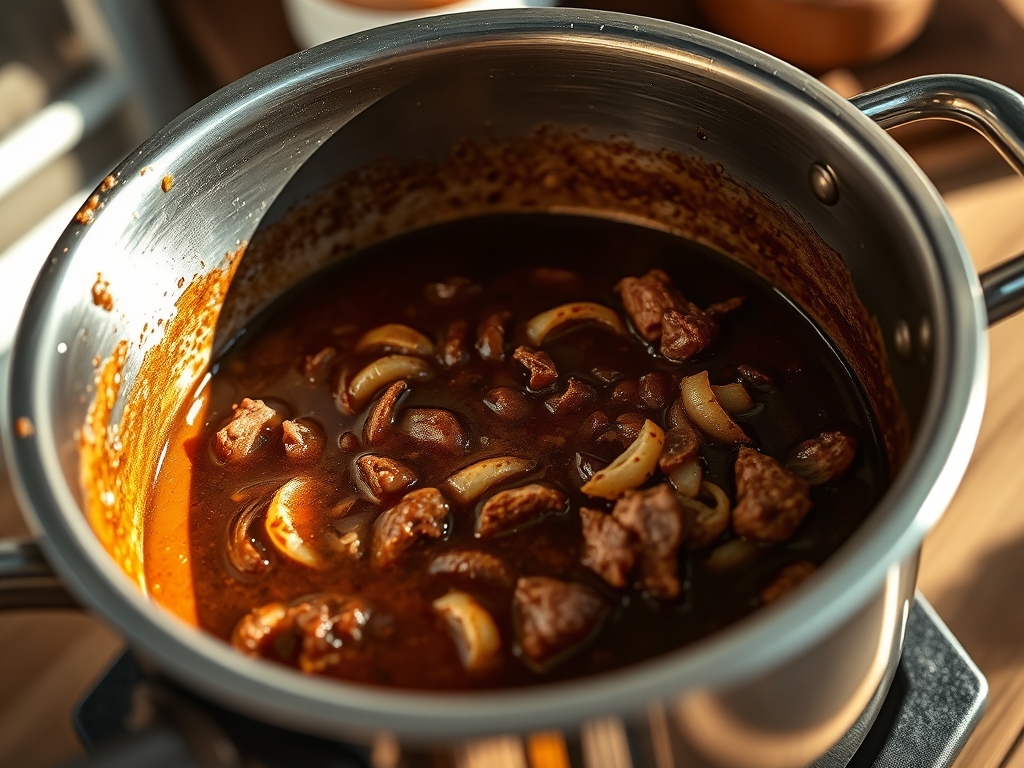
1. The Sear and Maillard Initiation
Pat the beef completely dry with paper towels. Season aggressively with salt. Heat a heavy bottomed Dutch oven over high heat with a splash of high-smoke-point oil. Sear the roast on all sides until a deep, mahogany crust forms.
Pro Tip: This is the Maillard Reaction in action. Use a bench scraper to clear any stubborn bits from the bottom of the pot to prevent burning. This crust is the foundation of your flavor profile.
2. The Spice Emulsion and Infusion
In a separate saucier, combine the olive oil, oregano, garlic powder, and red pepper flakes. Heat gently until fragrant. Slowly whisk in the beef stock and Worcestershire sauce to create a temporary emulsion.
Pro Tip: Using a digital scale to measure your spices ensures consistency across batches. Heating the spices in oil first (blooming) allows the fat-soluble flavor compounds to distribute evenly throughout the braising liquid.
3. The Long-Format Thermal Breakdown
Place the seared beef into a slow cooker or a heavy pot. Pour the spice-infused stock over the meat until it is two-thirds submerged. Cover tightly and cook at 95 degrees Celsius (200 degrees Fahrenheit) for 8 to 10 hours.
Pro Tip: Low and slow is a requirement, not a suggestion. This temperature range allows the collagen to transform into gelatin without tightening the muscle fibers into leather. Use a digital probe thermometer to ensure the internal temp reaches 90 degrees Celsius for optimal shredding.
4. The Structural Slicing Protocol
Remove the beef from the liquid and let it chill completely in the refrigerator. Once cold, use a very sharp carving knife or a deli slicer to create paper-thin ribbons against the grain.
Pro Tip: Cold meat is structurally sound; warm meat shreds into mush. Slicing against the grain shortens the muscle fibers, resulting in a "melt-in-your-mouth" texture once it is reheated in the hot jus.
5. The Final Assembly and Dip
Reheat the sliced beef in the simmering jus for only 60 seconds. Load the meat into a sliced French roll. For a "wet" sandwich, use tongs to dunk the entire assembly into the jus for three seconds. Top with a massive heap of spicy giardiniera.
Pro Tip: The bread must have a high protein content to survive the dip. A soft brioche will disintegrate; a crusty baguette acts as a structural reservoir for the viscous gravy.
Section B: Prep & Timing Fault-Lines:
The most common human error is the "Rushed Reheat." If you boil the sliced beef in the jus for too long, you will render out all the remaining moisture, leaving the meat tough. The beef should only spend enough time in the liquid to reach serving temperature. Another fault-line is the "Temperature Gap." If your jus is lukewarm when you dip the bread, the fat will congeal on the crust instead of soaking in. Keep your jus at a consistent 85 degrees Celsius for the perfect dip.
THE VISUAL SPECTRUM
Section C: Thermal & Visual Troubleshooting:
Referencing the Masterclass photo, your beef should exhibit a variegated color palette; deep browns on the edges with a tender, pale pink to light tan interior. If your meat looks grey and monochromatic, you skipped the sear or overcooked the protein. The jus should be translucent but dark, with visible droplets of orange-tinted oil from the red pepper and giardiniera. If the liquid looks cloudy, you likely boiled it too hard, causing the fats to emulsify with the water. The giardiniera should provide a vibrant visual contrast; bright greens and reds against the rich browns of the meat. If the vegetables look dull, they have been sitting in the heat too long. Add them only at the very end to maintain their crunch and color.
THE DEEP DIVE
Macro Nutrition Profile:
A standard serving (one sandwich) contains approximately 650 calories. This breaks down into 45g of protein, 35g of fats (primarily monounsaturated from the olive oil and beef tallow), and 40g of carbohydrates. The sodium content is high; consider this a "recovery meal" rather than a daily staple.
Dietary Swaps:
- Vegan: Replace the beef with thinly sliced, seared King Oyster mushrooms and use a mushroom-based "umami" stock.
- Keto: Eliminate the bread and serve the beef and giardiniera in a bowl, topped with extra jus and provolone cheese.
- GF: Use a high-density gluten-free baguette and ensure your Worcestershire sauce is certified gluten-free.
Meal Prep & Reheating Science:
Store the beef and the jus separately in airtight containers. To reheat, bring the jus to a simmer first, then drop the cold beef in for 30 seconds. This prevents the meat from overcooking and maintains the molecular structure of the fats.
THE KITCHEN TABLE
Why is my beef falling apart instead of slicing thin?
You likely tried to slice it while it was still warm. The fats and gelatin are liquid at high temperatures. Chill the beef overnight to solidify the structure before attempting to slice it.
Can I use a different cut of meat?
You can use bottom round, but you must increase the olive oil in the jus to compensate for the lack of internal fat. Without that fat, the sandwich loses its signature mouthfeel.
What makes the "Chicago Style" spicy?
It is the combination of the red pepper flakes in the braise and the vinegar-pickled peppers in the giardiniera. The acidity of the vinegar cuts through the heavy fat of the beef.
How do I fix a salty jus?
Do not add water; it dilutes the flavor. Instead, add a peeled, halved potato to the simmering liquid for 20 minutes. The potato will absorb excess salt without compromising the viscosity of the jus.