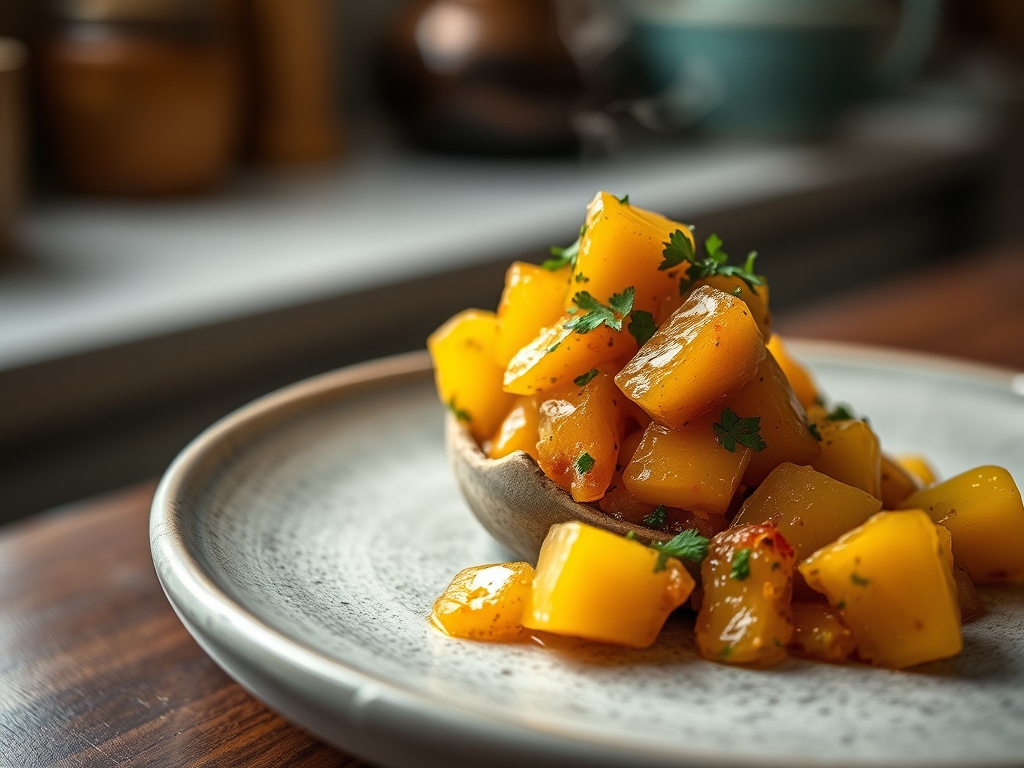
Listen to the sound of a knife slicing through the fibrous skin of a perfectly ripe fruit. It is the sound of structural integrity meeting culinary intent. We are not just making a side dish; we are engineering a high-performance Spicy Mango Salsa that functions as a thermodynamic bridge between fructose and capsaicin. Imagine the initial hit of tropical sweetness hitting your tongue, only to be immediately countered by the sharp, needle-like prick of fresh chili oil. This is a sensory audit of the highest order. The mango must be firm enough to maintain its cubic geometry yet soft enough to yield its nectar under the pressure of a chip. The acidity of the lime juice acts as a chemical catalyst, breaking down cell walls just enough to release the aromatics of cilantro and red onion. If your salsa is a soggy, weeping mess of neon mush, you have failed the audit. We demand precision. We demand vibrancy. We demand a snack that bites back with professional authority.
THE DATA MATRIX
| Metric | Specification |
|---|---|
| Prep Time | 15 Minutes |
| Execution Time | 5 Minutes (Maceration) |
| Yield | 750ml / 3 Cups |
| Complexity (1-10) | 3 |
| Estimated Cost per Serving | $0.85 USD |
THE GATHERS
Ingredient Protocol:
- 2 Large Firm-Ripe Mangoes (approx. 600g / 4 cups diced)
- 1 Large Red Onion (150g / 1 cup finely minced)
- 2 Fresh Jalapenos or Habaneros (30g / 2 tbsp minced)
- 1 Bunch Fresh Cilantro (40g / 1 cup packed leaves)
- 2 Large Limes (60ml / 4 tbsp fresh juice)
- 5g / 1 tsp Flaky Sea Salt
- 2g / 0.5 tsp Ground Cumin
Section A: Ingredient Quality Audit:
Sub-par materials are the primary cause of salsa failure. If your mangoes are overripe and mushy, they will emulsify into a jam rather than staying distinct. To fix this, chill the fruit to 4 degrees Celsius before cutting to firm up the sugars. If your red onion is overly pungent, it will dominate the piquant profile. The technical fix is to soak the minced onion in ice water for ten minutes; this leaches out the sulfurous compounds while maintaining the structural crunch. Finally, if your limes are dry, microwave them for 15 seconds to rupture the internal juice vesicles before pressing.
THE MASTERCLASS
Step 1: The Geometric Dice
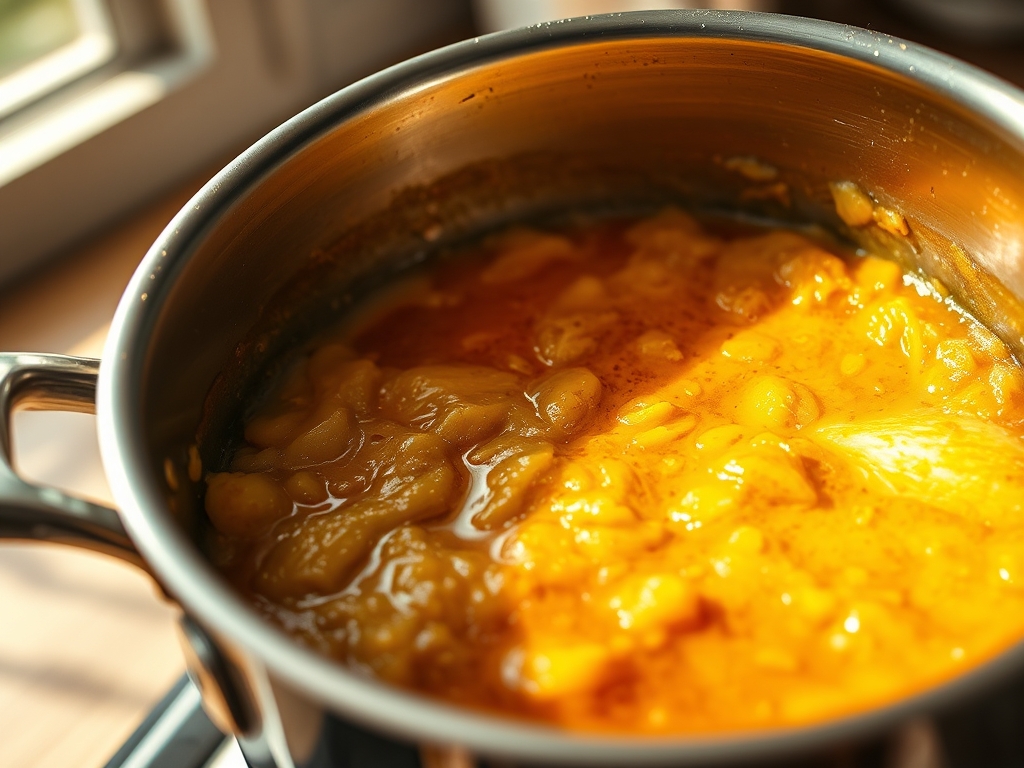
Peel the mangoes and use a sharp chef knife to slice the flesh away from the flat central pit. Lay the slabs flat and create a grid of 1cm cubes. Ensure every piece is uniform.
Pro Tip: Use a bench scraper to move your diced fruit from the cutting board to the mixing bowl. This prevents bruising the delicate flesh and maintains the sharp edges of the fruit cubes which are essential for the visual audit.
Step 2: The Aromatic Infusion
Finely mince the red onion and the peppers. If you desire a higher heat index, retain the seeds and white placental ribs of the peppers where the capsaicin concentration is highest.
Pro Tip: Use a digital scale to measure your aromatics. A Spicy Mango Salsa requires a specific ratio of 4 parts fruit to 1 part onion to ensure the fructose properly buffers the heat without the onion becoming the primary flavor note.
Step 3: The Chemical Maceration
Combine the mango, onion, and peppers in a stainless steel bowl. Add the lime juice, salt, and cumin. Toss gently using a silicone spatula to avoid crushing the fruit.
Pro Tip: The salt acts as a dehydrator, drawing moisture out of the fruit to create a viscous natural syrup. Let the mixture sit for five minutes; this allows the flavors to infuse at a molecular level before the final garnish is added.
Step 4: The Herbaceous Finish
Roughly chop the cilantro leaves just before serving. Fold them into the salsa until they are evenly distributed.
Pro Tip: Never use a food processor for cilantro. The high-speed blades will render the leaves into a green paste and oxidize the chlorophyll. Hand-chopping ensures the oils remain trapped within the leaf until the moment of consumption.
Section B: Prep & Timing Fault-Lines:
The most common human error is the "Early Garnish Syndrome." If you add the cilantro and salt three hours before serving, the salt will pull so much water from the mango that the salsa will become a soup. The cilantro will turn a dull, swampy brown due to the acidic lime juice. For peak performance, perform the "Dry Prep" (chopping) up to four hours in advance, but do not perform the "Wet Mix" (adding salt and lime) until 15 minutes before the audit begins.
THE VISUAL SPECTRUM
Section C: Thermal & Visual Troubleshooting:
Look at the Masterclass photo above. Notice the high-contrast color palette. If your salsa looks dull, your pH balance is likely off. A splash of extra lime juice can brighten the colors by preventing oxidation. If you see "weeping" (a puddle of liquid at the bottom of the bowl), your mangoes were likely too ripe or your salt was added too early. To fix a watery salsa, use a slotted spoon to transfer the solids to a new bowl, leaving the excess liquid behind. If the colors are not popping, ensure you are using a red onion rather than a white one; the anthocyanins in the red onion provide the necessary visual contrast against the yellow mango.
THE DEEP DIVE
Macro Nutrition Profile (Per 100g):
- Calories: 65 kcal
- Carbohydrates: 15g
- Fiber: 2g
- Protein: 1g
- Fat: 0.2g
Dietary Swaps:
- Vegan: Naturally compliant.
- Keto: Replace 50 percent of the mango with diced jicama or cucumber to lower the glycemic load while maintaining the crunch.
- GF: Naturally compliant. Serve with corn-based chips or cucumber rounds.
Meal Prep & Reheating Science:
Do not reheat this dish. Heat will cause the fructose to caramelize and the fruit to lose its cellular structure, resulting in a compote. For meal prep, store the diced ingredients in separate airtight containers. This prevents the "osmotic bleed" where the onion flavor migrates into the mango. Combine and dress the salsa immediately before the snack window opens.
THE KITCHEN TABLE
Can I use frozen mango for this audit?
Frozen mango is structurally compromised due to ice crystal formation. When thawed, it becomes mushy. Only use frozen mango if you intend to blend the salsa into a smooth, viscous sauce rather than a chunky salsa.
How do I make it spicier without adding more peppers?
Add a pinch of cayenne pepper or a dash of high-quality hot sauce. These concentrated capsaicin sources will infuse the lime juice liquid, ensuring every bite carries a consistent heat profile across the palate.
Why is my salsa bitter?
Bitterness usually stems from the white pith of the lime or over-chopped cilantro stems. When juicing, do not squeeze the lime so hard that the oils from the skin enter the mix. Use only the leaves of the cilantro.
How long will this stay fresh in the fridge?
The structural integrity will hold for approximately 24 hours. Beyond that, the acid will turn the mango into a soft puree. For the best sensory experience, consume within 4 hours of assembly.