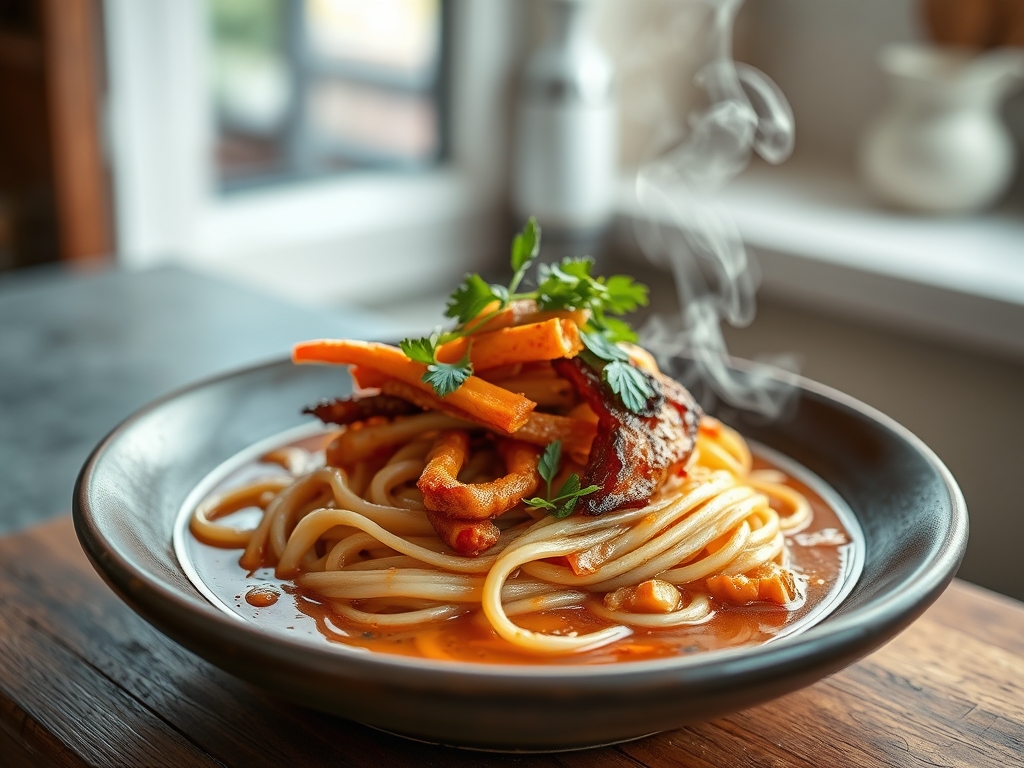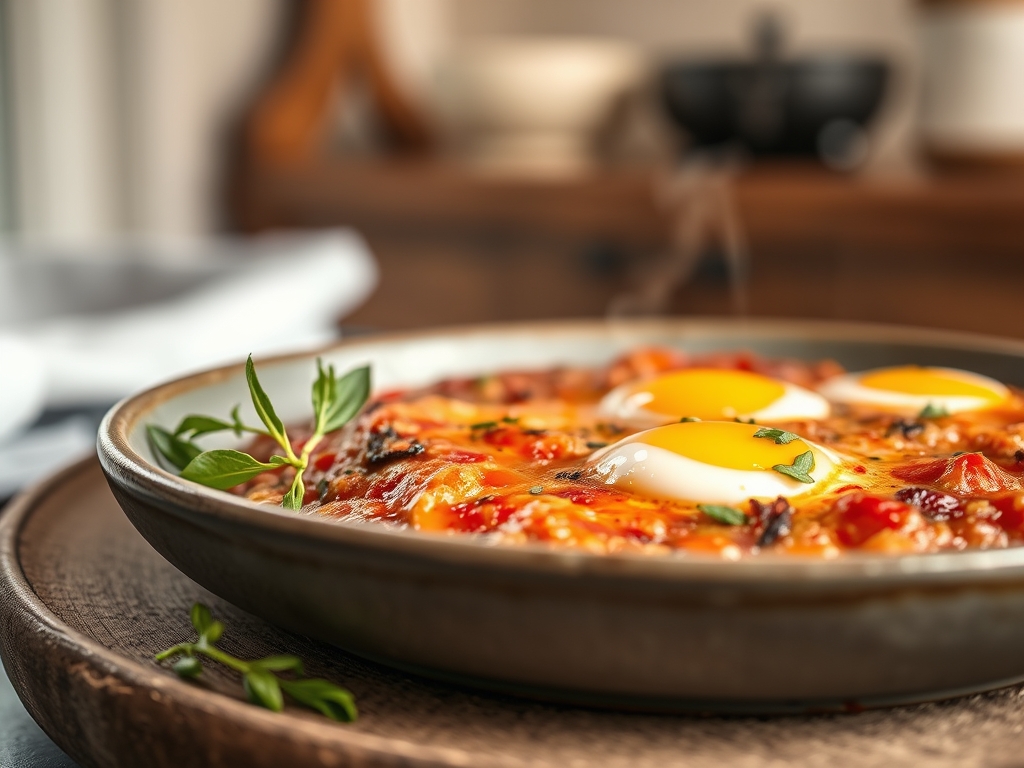
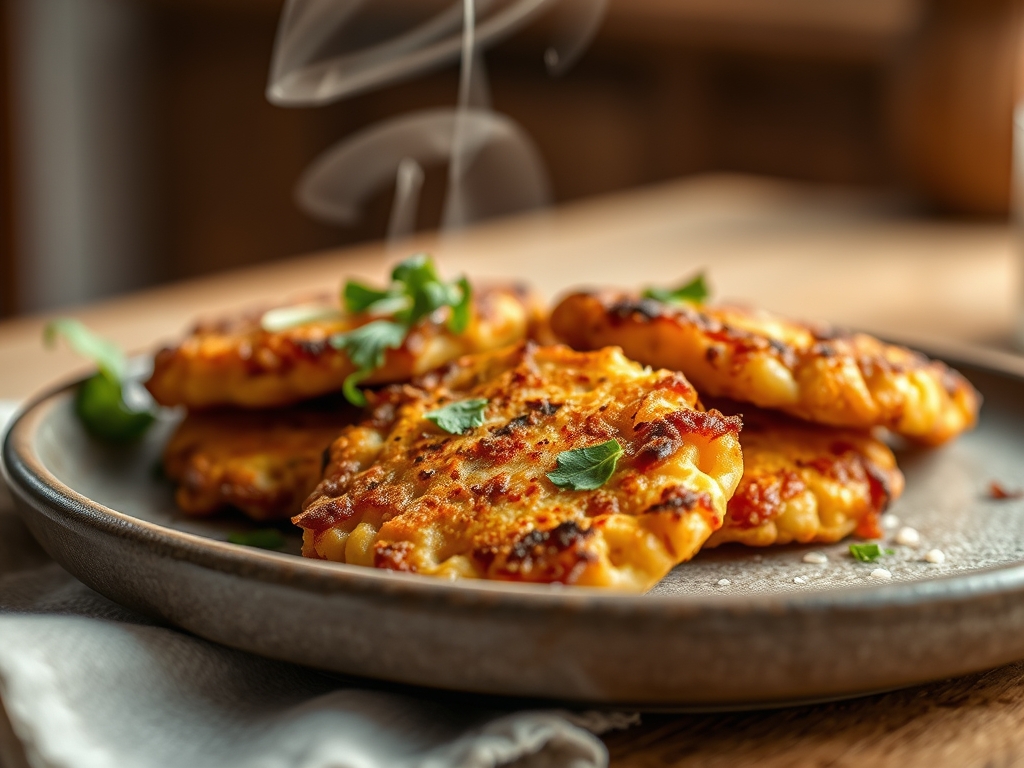
Listen to the sound of a structural failure that tastes like heaven. It is the high-pitched shatter of a golden crust yielding to a pressurized, steam-filled interior. We are not just cooking; we are engineering the perfect Spicy Corn Fritters. This is a high-stakes game of moisture management and thermal kinetics. When that batter hits the shimmering oil, you are initiating a violent phase change. The water in the corn kernels flashes into steam, while the exterior undergoes a rapid-fire Maillard reaction to create a piquant, structural cage. If your fritters are limp, sodden, or lack that aggressive crunch, your infrastructure has failed. We are here to audit your process and recalibrate your technique. We want a crumb that is light enough to aerate the palate but sturdy enough to carry a heavy hit of chili heat. Forget the soggy, oil-logged pucks of your past. We are building a crisp-to-center ratio that defies the laws of standard domestic frying. It is time to get technical.
THE DATA MATRIX
| Metric | Specification |
|---|---|
| Prep Time | 15 Minutes |
| Execution Time | 12 Minutes |
| Yield | 12-14 Fritters |
| Complexity | 4/10 (Technical Precision Required) |
| Estimated Cost per Serving | $0.85 USD |
THE GATHERS
Ingredient Protocol:
- 340g / 2 cups Fresh Sweet Corn Kernels (Sub-frozen if thawed and patted dry)
- 125g / 1 cup All-Purpose Flour (High protein content preferred)
- 50g / 0.5 cup Cornmeal (Fine grind for structural integrity)
- 5g / 1 tsp Baking Powder (The primary leavening agent)
- 2 Large Eggs (Room temperature for better emulsification)
- 60ml / 0.25 cup Whole Milk (Or heavy cream for increased fat solids)
- 10g / 2 tsp Smoked Paprika (For depth and color)
- 5g / 1 tsp Cayenne Pepper (The piquant catalyst)
- 30g / 2 Scallions (Finely biased-cut)
- 5g / 1 tsp Sea Salt (Fine grain for rapid dissolution)
- 500ml / 2 cups Neutral Oil (Grapeseed or Peanut for high smoke point)
Section A: Ingredient Quality Audit:
Sub-par materials are the silent killers of the Spicy Corn Fritter. If your corn is "starchy" rather than sweet, it is likely old; the sugars have converted to starch, leading to a gummy interior. Fix: Add 2g of granulated sugar to the batter to mimic the missing sweetness and aid browning. If your flour is clumping, it has absorbed ambient humidity. Fix: Sift the dry goods twice through a fine-mesh sieve to ensure maximum aeration. Finally, if your spices lack an aromatic punch, they are oxidized. Fix: Briefly "bloom" your dry spices in a dry saucier over low heat for 30 seconds before integrating them into the dry mix to release dormant essential oils.
THE MASTERCLASS
1. The Dry Foundation
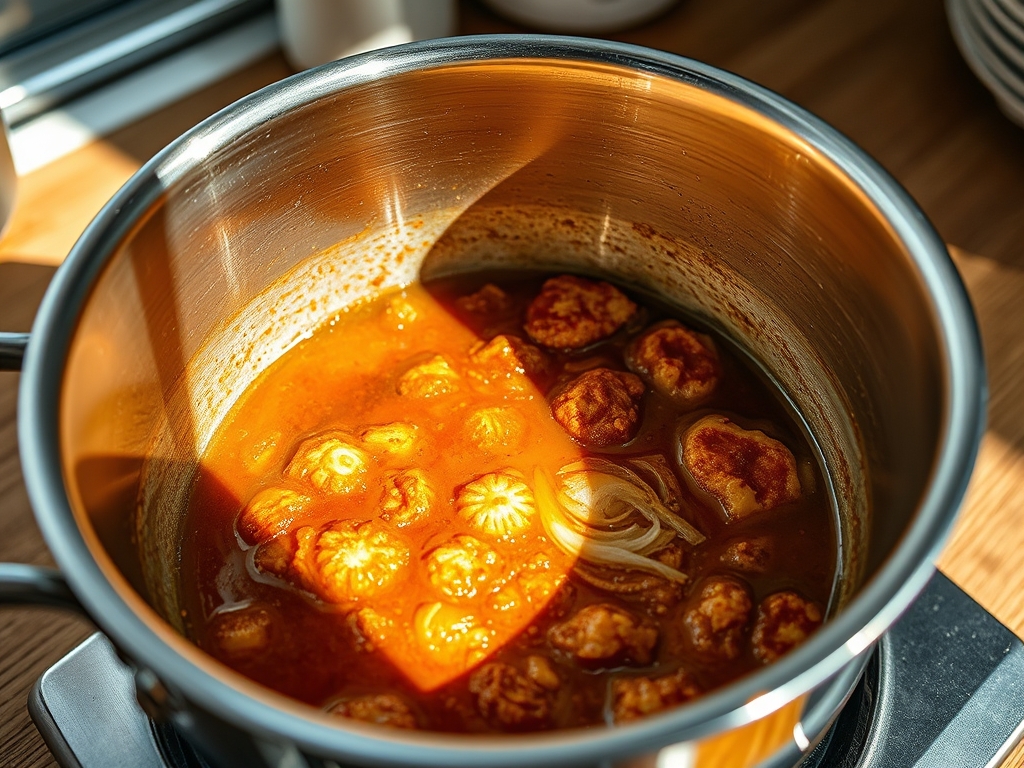
Whisk the flour, cornmeal, baking powder, and spices in a large stainless steel bowl. Ensure the distribution is perfectly homogenous. Use a digital scale for these measurements; volumetric cups are the enemies of consistency.
Pro Tip: The cornmeal provides "structural scaffolding." While flour provides the soft crumb, the grit of the cornmeal prevents the fritter from collapsing under its own weight once it leaves the oil.
2. The Liquid Emulsion
In a separate saucier or glass bowl, whisk the eggs and milk until the mixture is a pale, uniform yellow. There should be no visible streaks of egg white. This ensures the protein network is evenly distributed.
Pro Tip: Use a digital thermometer to ensure your milk is at 21 degrees Celsius (70 degrees Fahrenheit). Cold liquids will seize the fats in the batter and prevent a smooth viscous flow.
3. The Integration Phase
Fold the wet ingredients into the dry using a bench scraper or a silicone spatula. Stop the moment the flour streaks disappear. Over-mixing will develop gluten, turning your crispy fritter into a tough, rubbery disk. Fold in the corn and scallions last.
Pro Tip: The "folding" motion preserves the air bubbles created during the whisking of the dry goods. These micro-pockets of air are what expand during frying to create that sought-after lightness.
4. Thermal Calibration
Heat your oil in a heavy-bottomed cast iron skillet until it reaches 180 degrees Celsius (355 degrees Fahrenheit). Use an infrared thermometer to verify the surface temperature across the entire pan.
Pro Tip: Professional kitchens use heavy cast iron because of its thermal mass. When you drop cold batter into the oil, the temperature will plummet. Cast iron minimizes this "thermal shock," ensuring the crust sets instantly.
5. The Fry Cycle
Using a mechanical spring-loaded scoop, drop 30ml (2 tbsp) portions of batter into the oil. Do not crowd the pan; leave at least 3cm of space between each unit. Fry for 2 to 3 minutes per side until the exterior is a deep, burnished mahogany.
Pro Tip: Use a bench scraper to clean any stray bits of batter from the oil between batches. These "floaters" will burn and impart a bitter carbon flavor to your subsequent fritters.
6. The Recovery Period
Transfer the fritters to a wire cooling rack set over a baking sheet. Do not use paper towels. Paper towels trap steam against the bottom of the fritter, which will render your hard-earned crust soggy within seconds.
Pro Tip: Season with a final dusting of fine salt immediately upon removal. The residual surface oil will act as an adhesive, ensuring the seasoning sticks to the "nooks and crannies" of the crust.
Section B: Prep & Timing Fault-Lines:
Timing is the most common point of failure. If you mix the batter too far in advance, the baking powder will exhaust its chemical reaction before it hits the heat. This results in a dense, leaden texture. Fix: Only combine wet and dry components once your oil is at 150 degrees Celsius and climbing. Another fault is "oil-logging," caused by frying at too low a temperature. If the oil is under 170 degrees Celsius, it will penetrate the batter instead of searing the exterior. Fix: Always wait for the oil to return to 180 degrees Celsius between batches.
THE VISUAL SPECTRUM
Section C: Thermal & Visual Troubleshooting:
Look at the Masterclass photo. Notice the "craggy" exterior and the uneven, jagged edges. This is a sign of a high-moisture batter reacting with high-heat oil. If your fritters look like smooth, perfect spheres, your batter is too thick; add 10ml of milk to loosen the viscous tension. If the color is pale and sickly, your oil was too cold or you lacked enough sugar/cornmeal to trigger the Maillard reaction. If the edges are black but the center is raw, your oil is too hot. The visual cue for success is a "shattered glass" texture on the surface with vibrant yellow corn kernels peeking through a golden-brown matrix.
THE DEEP DIVE
Macro Nutrition Profile:
Per serving (2 fritters): 210 Calories, 9g Fat, 28g Carbohydrates, 6g Protein. The cornmeal adds a significant fiber boost, while the eggs provide high-quality protein. To reduce fat, these can be air-fried at 200 degrees Celsius, though you will sacrifice approximately 40 percent of the structural crunch.
Dietary Swaps:
- Vegan: Replace eggs with a "flax egg" (1 tbsp ground flax + 3 tbsp water) and use oat milk. The flax provides the necessary binding mucilage.
- Gluten-Free: Substitute all-purpose flour with a 1:1 GF blend containing xanthan gum. The cornmeal is naturally GF, so the structural integrity remains high.
- Keto: This is difficult due to the corn; however, you can use a base of almond flour and crushed pork rinds, though the "Corn Fritter" identity will be compromised.
Meal Prep & Reheating Science:
To maintain the molecular structure, never microwave a fritter. Microwaves vibrate water molecules, which will steam the crust from the inside out, resulting in a rubbery mess. To reheat, place them in a 200 degree Celsius oven for 5 minutes on a wire rack. This re-activates the fats in the crust and drives off any surface moisture absorbed during refrigeration.
THE KITCHEN TABLE
Why are my fritters falling apart in the oil?
Your binding ratio is off. This usually happens if the corn is too wet. Ensure you pat your corn dry before adding it to the batter. If the problem persists, add 15g of additional flour to increase the "glue" factor.
Can I use canned corn for this recipe?
Yes, but you must rinse it thoroughly to remove the metallic brine taste and then dry it aggressively. Canned corn has a higher moisture content, so you may need to increase the frying time by 30 seconds per side.
What is the best oil for frying these?
Peanut oil is the gold standard for its high smoke point and neutral profile. If allergies are a concern, grapeseed oil or refined avocado oil are excellent high-performance alternatives that won't smoke out your kitchen.
How do I make them extra spicy without ruining the batter?
Do not add more liquid hot sauce; it throws off the hydration levels. Instead, infuse the dry mix with high-Scoville powders like Habanero or Ghost Pepper. This adds heat without compromising the structural integrity of the fry.