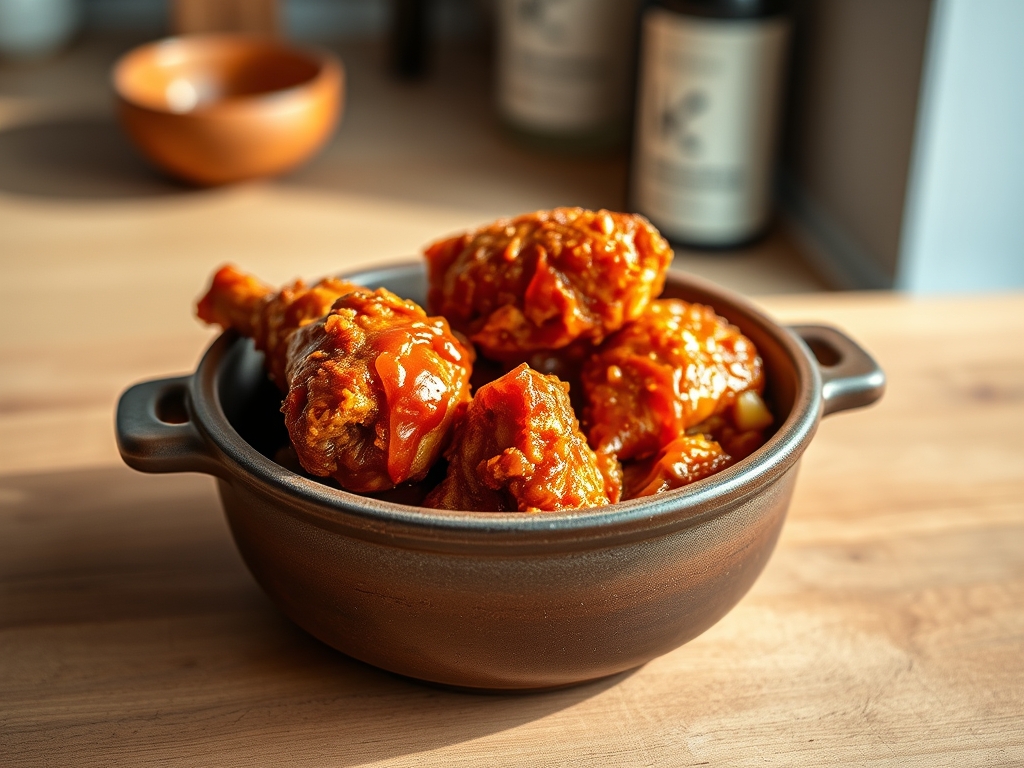
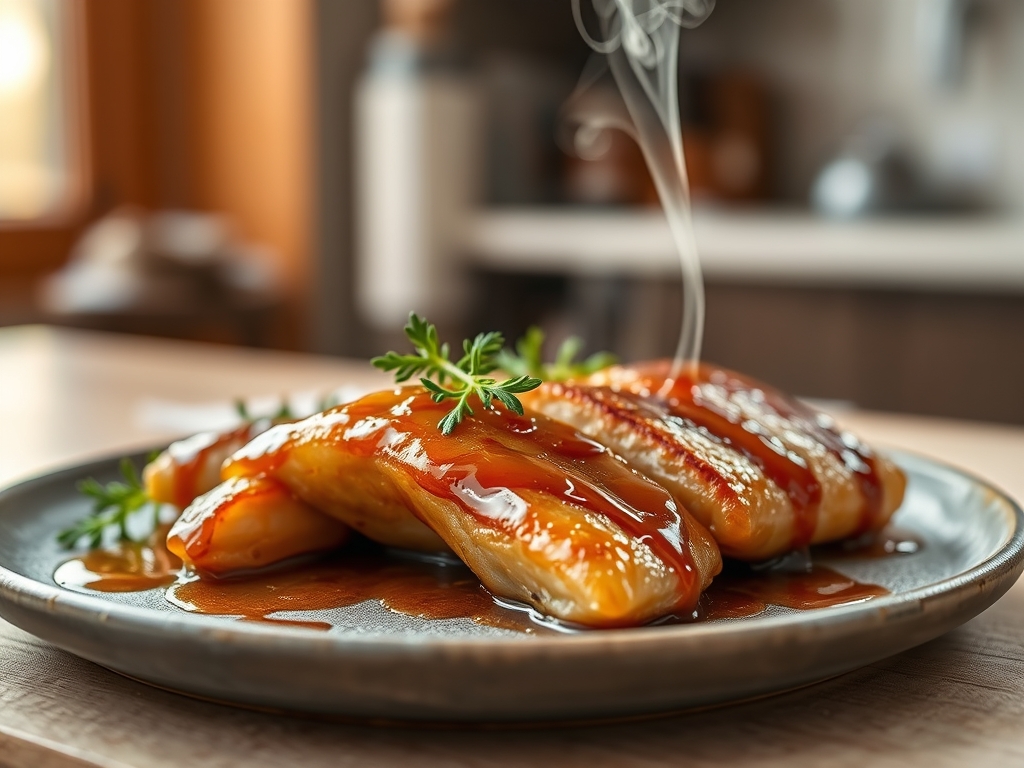
Imagine a liquid gold that bites back. We are not talking about a mere condiment; we are talking about a structural masterpiece that bridges the gap between floral sweetness and capsaicin-induced euphoria. The Hot Honey Glaze is the undisputed heavyweight champion of the modern pantry. It is a high-viscosity solution designed to cling to the craggy landscapes of fried proteins or the porous surfaces of charred vegetables. When you drizzle this elixir, you are engaging in a sophisticated play of surface tension. The honey provides the body while the chili infusion provides the soul. This glaze does not just sit on top of your food; it integrates with the lipid layer to create a shimmering, piquant finish that demands immediate attention. We are auditing the very chemistry of flavor here. If your glaze is running off the plate like a coward, your emulsion has failed. If it is too thick to pour, your thermal management is amateur. Prepare to recalibrate your culinary sensors as we dissect the mechanics of the perfect Hot Honey Glaze.
THE DATA MATRIX
| Metric | Specification |
|---|---|
| Prep Time | 5 Minutes |
| Execution Time | 10 Minutes |
| Yield | 300ml / 1.25 Cups |
| Complexity (1-10) | 3 |
| Estimated Cost per Serving | $0.45 |
THE GATHERS
Ingredient Protocol:
- 240ml / 1 cup Wildflower or Clover Honey
- 30ml / 2 tbsp Apple Cider Vinegar
- 15g / 1 tbsp Crushed Red Pepper Flakes (High-heat variant)
- 5ml / 1 tsp Hot Sauce (Vinegar-based)
- 2g / 0.5 tsp Smoked Paprika
- 1 pinch Sea Salt (Flaky)
Section A: Ingredient Quality Audit:
The primary failure point in a Hot Honey Glaze is the honey's crystallization state. If you start with honey that has already begun to precipitate glucose crystals, your final glaze will feel gritty on the tongue. To fix this, gently warm the honey container in a 40C / 105F water bath before starting the process. Secondly, check your red pepper flakes for vibrancy. If they look brown and dusty, they have lost their volatile oils. Infuse fresh flakes to ensure the capsaicin delivers a sharp, clean heat rather than a muted, earthy bitterness. If your vinegar is too harsh, it will break the floral notes of the honey; always opt for a high-quality, aged cider vinegar to maintain a balanced pH level.
THE MASTERCLASS
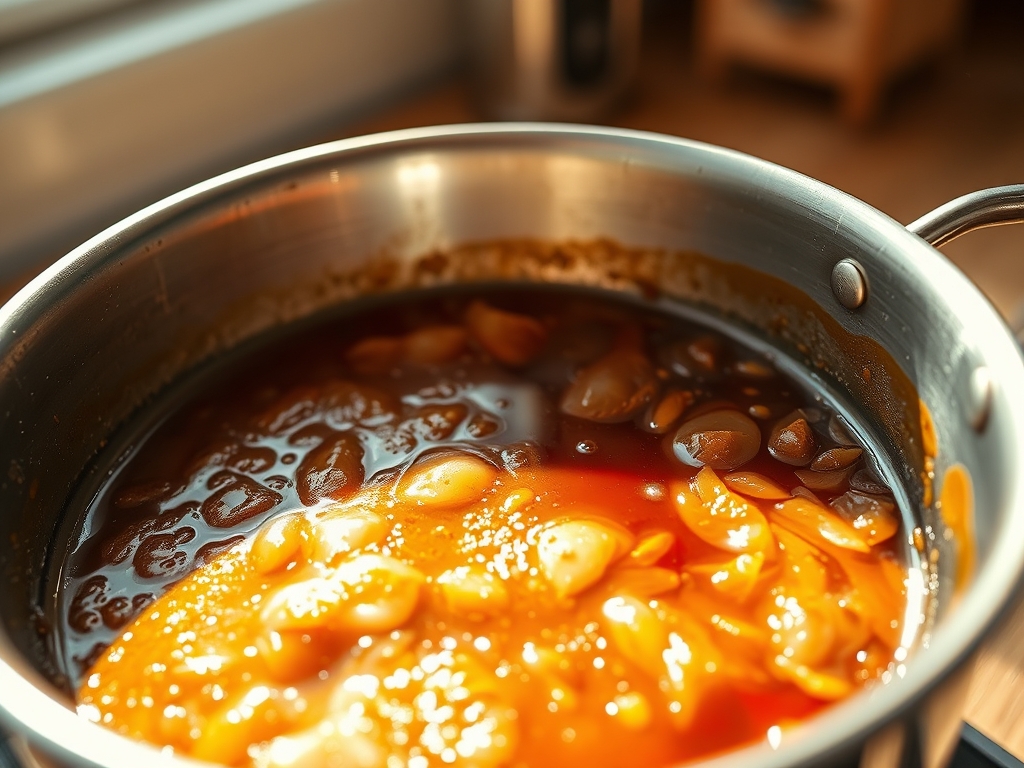
1. Thermal Loading
Place your honey into a stainless steel saucier over low heat. The rounded bottom of the saucier is essential for preventing sugar scorching in the corners. Use a digital scale to measure your ingredients by weight for absolute precision. Bring the honey to a gentle simmer, just until you see small bubbles forming at the edges.
Pro Tip: This stage is about reducing viscosity. As the temperature rises, the intermolecular forces in the honey weaken, allowing it to flow more freely and better absorb the secondary flavors you are about to introduce.
2. The Capsaicin Infusion
Add the crushed red pepper flakes and the smoked paprika to the warmed honey. Stir constantly with a silicone spatula to ensure the flakes do not clump. You want to infuse the honey with the oils from the peppers without burning the solids. Maintain this low simmer for approximately five minutes.
Pro Tip: The heat from the honey acts as a solvent, drawing out the fat-soluble capsaicin from the pepper seeds. Using a thermometer to keep the mixture below 70C / 160F prevents the honey from developing a burnt, bitter aftertaste.
3. Acidic Integration and Aeration
Whisk in the apple cider vinegar and the hot sauce. This introduces acidity, which cuts through the cloying sweetness and stabilizes the glaze. Remove the saucier from the heat source immediately after the vinegar is fully incorporated.
Pro Tip: The vinegar acts as a surfactant, lowering the surface tension of the glaze. This allows it to coat lipid-heavy surfaces (like fried chicken skin) more evenly rather than beading up and rolling off.
4. Filtration and Final Polish
If you prefer a smooth glaze, pour the mixture through a fine-mesh sieve into a glass jar. If you want the rustic look seen in professional photography, leave the flakes in. Add the pinch of flaky sea salt at the very end to provide tiny bursts of contrast.
Pro Tip: Using a bench scraper to clean your workspace ensures no sticky residue remains, but more importantly, the cooling process should be gradual. Rapid cooling can lead to premature crystallization, ruining the silky texture.
Section B: Prep & Timing Fault-Lines:
Timing is the silent killer of glazes. If you boil the honey for too long, you are essentially making candy. Once the water content evaporates past a certain point, your glaze will turn into a hard caramel as it cools. If you find your glaze has become too thick, do not panic. Simply deglaze the mixture with a teaspoon of hot water or extra vinegar over low heat to restore the desired flow rate. Conversely, if it is too thin, it likely means your vinegar-to-honey ratio was skewed. Add a tablespoon of raw honey to the warm mixture to increase the density.
THE VISUAL SPECTRUM
Section C: Thermal & Visual Troubleshooting:
Look at the Masterclass photo; notice the deep amber hue and the way the light refracts through the liquid. If your glaze looks cloudy, you likely overheated the honey, causing the proteins and enzymes to denature and clump. To fix a dull appearance, a drop of lemon juice can sometimes clarify the mixture. If you see uneven browning, it indicates "hot spots" in your pan; next time, use a heavy-bottomed saucier for even heat distribution. The presence of the red pepper flakes should be suspended evenly throughout the liquid; if they all sink to the bottom, your glaze is too thin and lacks the structural integrity to hold the solids in suspension.
THE DEEP DIVE
Macro Nutrition Profile:
A single serving (15ml / 1 tbsp) contains approximately 60 calories, 17g of carbohydrates (mostly sugars), and 0g of fat. While it is sugar-dense, the capsaicin provides a metabolic spike that enthusiasts swear by.
Dietary Swaps:
For a Vegan alternative, substitute the honey with agave nectar or maple syrup, though you will need to reduce the syrup longer to achieve the same viscous quality. For Keto adherents, use a fiber-based syrup (like allulose), though the flavor profile will shift toward a more synthetic sweetness. This recipe is naturally Gluten-Free.
Meal Prep & Reheating Science:
Store your Hot Honey Glaze in a pressurized glass jar at room temperature. Do not refrigerate, as cold temperatures accelerate crystallization. To reheat, use a double boiler method. Never microwave the glaze on high power; the uneven electromagnetic waves create "sugar plumes" that can burn and ruin the molecular structure of the honey.
THE KITCHEN TABLE
Why is my honey glaze grainy?
This is caused by glucose crystallization. You likely started with older honey or overheated it. Gently warm the jar in a bowl of hot water to dissolve the crystals and restore the smooth, viscous texture you desire.
Can I use fresh habaneros instead of flakes?
Absolutely. Fresh peppers provide a brighter, more floral heat. However, you must strain them out after the infusion process to prevent the moisture from the fresh peppers from causing the glaze to spoil prematurely or ferment.
How do I make the glaze stick to wings?
The secret is the vinegar. It breaks the surface tension of the fats on the wing skin. Ensure your wings are bone-dry before frying; the glaze will then bond to the protein fibers rather than sliding off on a layer of steam.
How long does this glaze stay shelf-stable?
Because honey is a natural preservative with low water activity, this glaze will last for several months at room temperature. Keep it in a cool, dark pantry to prevent the chili flakes from oxidizing and losing their piquant punch.