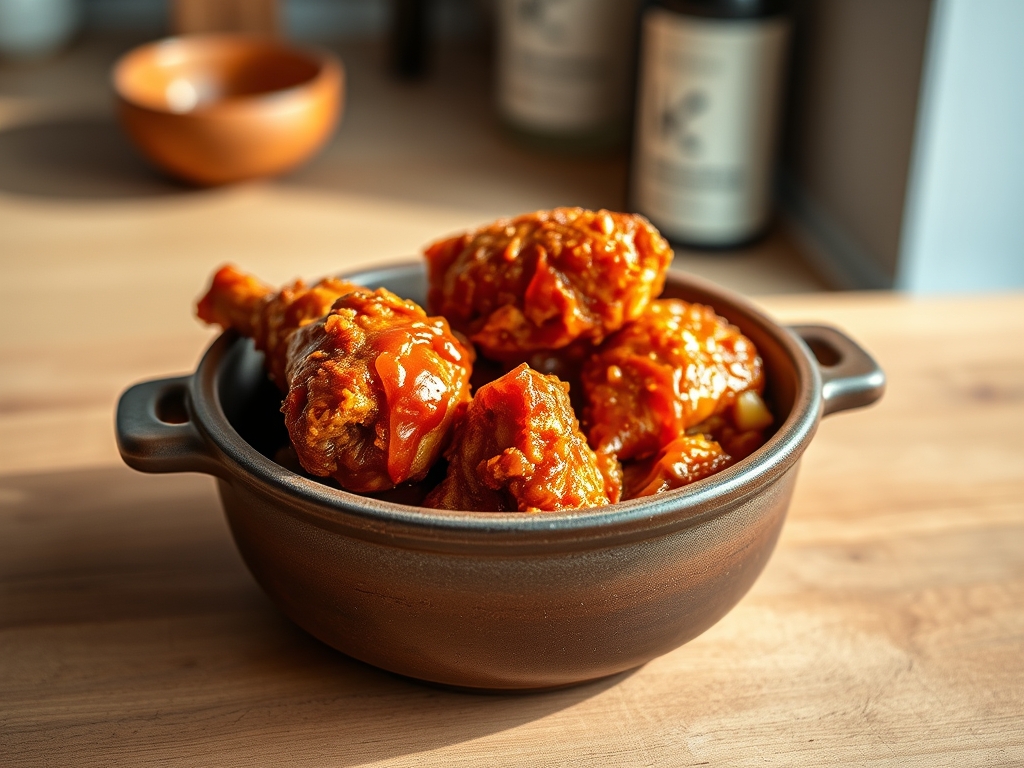
Your kitchen is a laboratory of thermal dynamics and the subject of today's audit is the ultimate sticky catalyst: Gochujang Wing Sauce. We are moving beyond the pedestrian realm of bottled buffalo and entering the sophisticated world of fermented heat. Gochujang is not merely a condiment; it is a complex biological matrix of glutinous rice, fermented soybeans, and red chili powder. When applied to high-protein poultry, it undergoes a transformative Maillard reaction that creates a glossy, lacquered finish capable of defying gravity. The goal is a glaze that possesses enough surface tension to cling to the wing without turning into a sodden mess. We are looking for a piquant profile that balances the deep umami of the paste with the sharp acidity of rice vinegar. If your current wings are weeping moisture or sliding off the bone, your emulsion has failed. It is time to recalibrate your process, tighten your ratios, and master the viscosity of the world's most aggressive pepper paste.
THE DATA MATRIX
| Metric | Specification |
|---|---|
| Prep Time | 15 Minutes |
| Execution Time | 25 Minutes |
| Yield | 1.5 Liters / 6 Cups |
| Complexity (1-10) | 4 |
| Estimated Cost per Serving | $0.85 USD |
THE GATHERS
Ingredient Protocol:
- 250g / 1 cup Gochujang (Korean fermented chili paste)
- 120ml / 0.5 cup Soy Sauce (low sodium preferred)
- 100g / 0.5 cup Brown Sugar (packed)
- 60ml / 0.25 cup Rice Vinegar
- 30ml / 2 tbsp Toasted Sesame Oil
- 15g / 3 cloves Garlic (microplaned)
- 10g / 1 tbsp Fresh Ginger (grated)
- 5g / 1 tsp Gochugaru (Korean chili flakes) for texture
- 15ml / 1 tbsp Honey (for the final gloss)
Section A: Ingredient Quality Audit:
The primary failure point in a Gochujang Wing Sauce is the age of the paste. If your Gochujang has oxidized to a dark, muddy brown, the sugars have likely crystallized, leading to a gritty mouthfeel. Technical Fix: Hydrate the paste with a small amount of warm dashi or water before whisking to restore its plasticity. If your ginger is fibrous and woody, do not mince it; use a microplane to create a paste that will infuse the sauce without creating particulate friction. Finally, ensure your sesame oil is toasted but not rancid. Give it a sensory check; it should smell like a nutty hearth, not old paint.
THE MASTERCLASS
Step-by-Step Execution:
1. The Base Homogenization
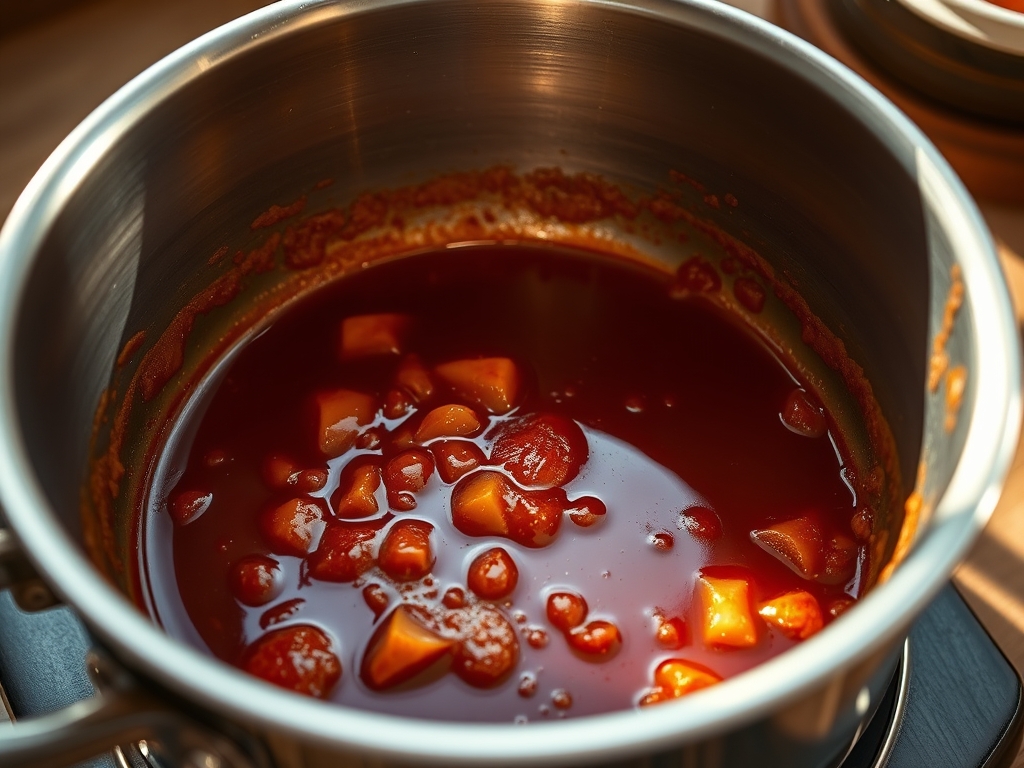
Place your Gochujang, soy sauce, and brown sugar into a heavy-bottomed saucier. Use a silicone whisk to combine the ingredients over medium-low heat until the sugar crystals have completely dissolved and the mixture is uniform.
Pro Tip: Using a digital scale to measure by weight rather than volume ensures consistency in the sugar-to-acid ratio. This prevents the sauce from becoming cloyingly sweet or overly thin.
2. Infusing the Aromatics
Add the microplaned garlic and ginger to the mixture. Increase the heat slightly to encourage the release of essential oils without scorching the sugars. You should see small bubbles forming at the perimeter of the pan.
Pro Tip: This stage is about the infusion of volatile compounds. By keeping the temperature below 190 degrees Fahrenheit, you prevent the garlic from turning bitter, which would compromise the entire flavor profile.
3. Acid and Lipid Integration
Whisk in the rice vinegar and toasted sesame oil. The vinegar acts as a surfactant, breaking down the density of the paste, while the oil adds a luxurious sheen. Continue to stir until the sauce coats the back of a spoon.
Pro Tip: Use a bench scraper to clean the sides of the pan as you go. This prevents the sauce from caramelizing unevenly on the edges, which can lead to burnt "flecks" in your final glaze.
4. The Final Reduction and Gloss
Add the honey and Gochugaru. Reduce the heat to the lowest setting and allow the sauce to simmer for 3 to 5 minutes. The sauce is ready when it reaches a viscous consistency that leaves a clear trail when a spatula is drawn through it.
Pro Tip: The honey provides a "mirror finish" through a process of high-sheen sugar suspension. This is what creates the vibrant, light-reflective quality seen in professional culinary photography.
Section B: Prep & Timing Fault-Lines:
The most common human error is the "flash-boil." If you apply high heat to Gochujang, the high starch content from the glutinous rice will scorch almost instantly. This creates a carbonized flavor that is impossible to mask. Always use a saucier with a curved base to ensure no sauce is trapped in the corners. If the sauce becomes too thick too quickly, do not add water; add a splash of rice wine or mirin to maintain the flavor density while adjusting the viscosity.
THE VISUAL SPECTRUM
Section C: Thermal & Visual Troubleshooting:
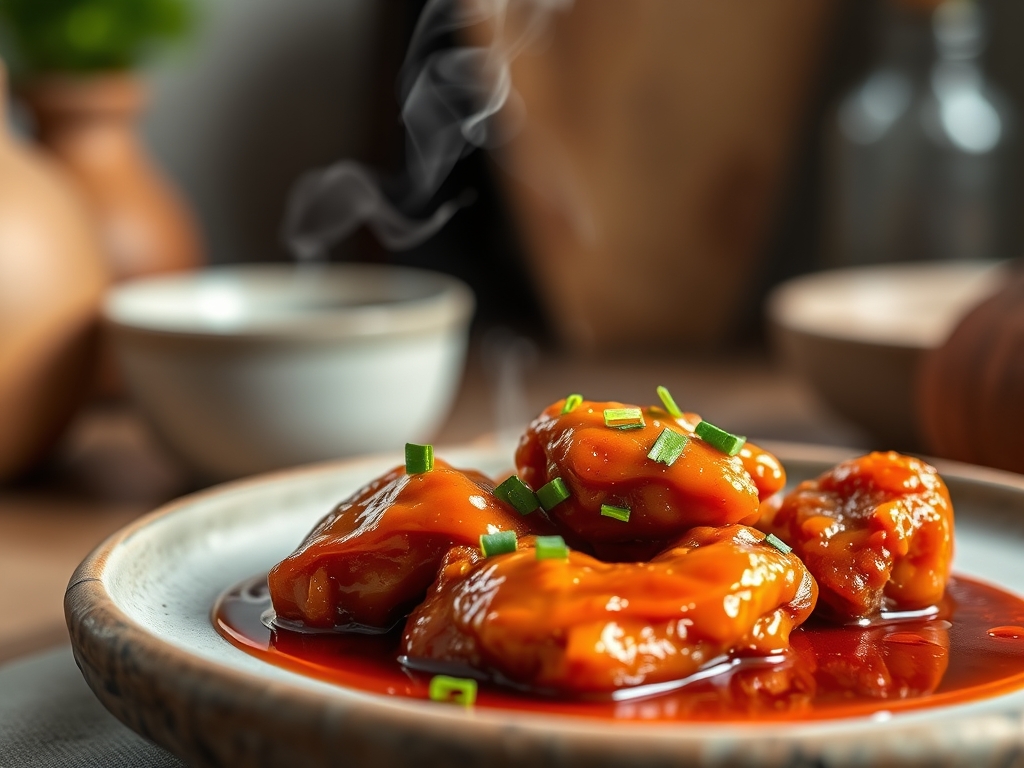
Look at the Masterclass photo above. Notice the deep, ruby-red saturation and the way the sauce creates a thick, opaque blanket over the poultry. If your sauce looks translucent or watery, you have not reduced it sufficiently to achieve proper molecular bonding. If the color is dull, you likely overheated the sauce, causing the pigments in the chili to degrade.
To fix uneven browning on the wings themselves, ensure they are dry before frying or baking. Moisture is the enemy of the glaze. If the wings are damp, the sauce will simply steam off the skin rather than adhering. Aim for a "lacquered" look where the sauce appears to be a structural part of the wing rather than a liquid topping.
THE DEEP DIVE
Macro Nutrition Profile
Per 2-tablespoon serving: 95 Calories, 2g Protein, 18g Carbohydrates, 3g Fat. The high sodium content (approx. 450mg) is a byproduct of the fermentation process; adjust your seasoning of the poultry accordingly.
Dietary Swaps (Vegan/Keto/GF)
- Vegan: This recipe is naturally vegan provided your sugar is bone-char free.
- Keto: Replace brown sugar with a monk fruit gold blend and use a sugar-free maple syrup substitute for the honey. Note that the viscosity will be thinner.
- GF: Ensure your Gochujang is labeled gluten-free (some use barley) and swap soy sauce for Tamari.
Meal Prep & Reheating Science
Gochujang sauce is incredibly stable due to its high salt and sugar content. It can be stored in an airtight container for up to 3 weeks. When reheating, do not use a microwave; the uneven radiation will break the emulsion. Instead, gently warm it in a pan with a teaspoon of water to aerate and loosen the starches.
THE KITCHEN TABLE
Why is my sauce sliding off the wings?
Your wings likely have too much surface moisture or residual oil. Pat the wings dry with paper towels after cooking and before tossing. The sauce needs a dry, textured surface to achieve maximum adhesion and grip.
Can I make this sauce less spicy?
Gochujang has a fixed heat level, but you can dilute the capsaicin by increasing the ratio of brown sugar and rice vinegar. Adding a tablespoon of tomato paste can also provide bulk and color while softening the chili's punch.
How do I get that professional "mirror" shine?
The secret is the final addition of honey or corn syrup at low heat. These invert sugars do not crystallize easily and create a smooth, reflective surface that catches the light and enhances the visual appeal of the dish.
Is it safe to use Gochujang past its date?
Since it is a fermented product, it has a long shelf life. However, if you see mold or a sour, "fizzy" smell that deviates from its usual pungent aroma, discard it. Always store your paste in the refrigerator after opening.