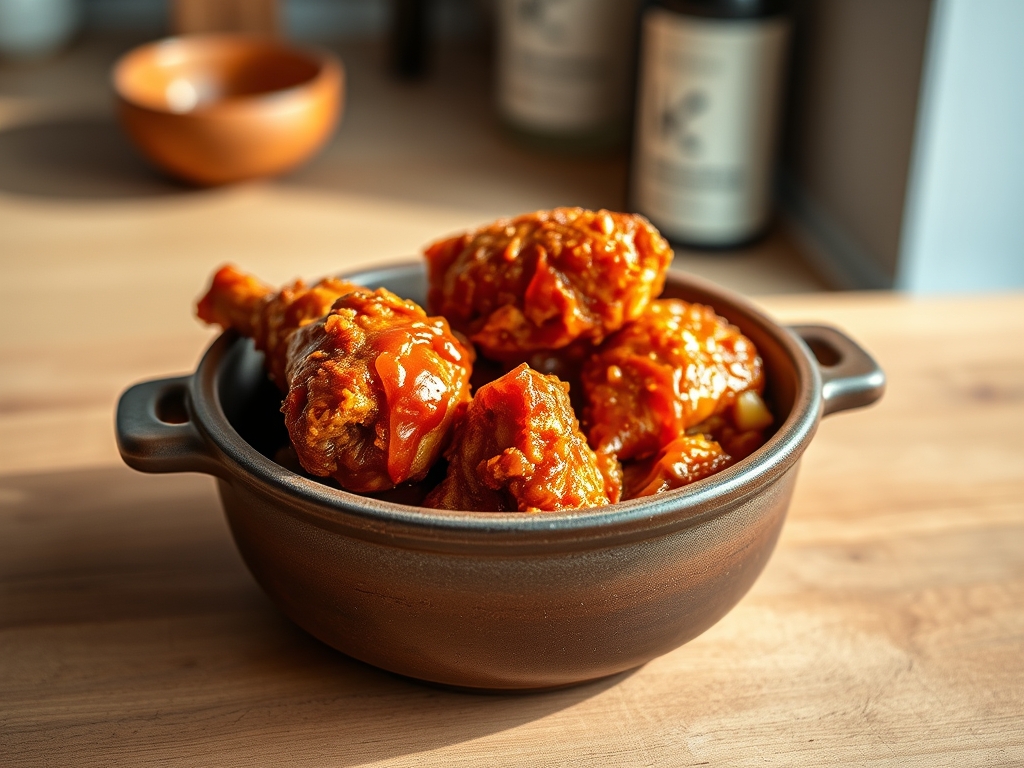
Welcome to the high-stakes theater of protein preservation where the stakes are measured in Scoville units and tensile strength. We are not just making a snack; we are engineering a shelf-stable masterpiece of capsaicin-infused architecture. Imagine the sensory assault of opening a vacuum-sealed vault to find Habanero Beef Jerky that vibrates with a neon-orange intensity. The aroma hits first; it is a volatile mix of fruity chinense peppers and the deep, umami-rich scent of lean bovine muscle. As your teeth meet the grain, the resistance is calculated. It is a snap, not a crumble. Then, the heat blooms. It starts as a slow, rhythmic thrum on the back of the tongue before escalating into a full-scale thermal event that demands respect. This is the pinnacle of high-heat dehydration. We are optimizing the Maillard reaction at a molecular level while simultaneously evacuating moisture to ensure a texture that is both pliable and defiant. Prepare your palate for a piquant journey into the heart of the flame.
THE DATA MATRIX
| Metric | Specification |
|---|---|
| Prep Time | 45 Minutes |
| Execution Time | 6 to 8 Hours |
| Yield | 450g / 1 lb Finished Product |
| Complexity | 7 / 10 |
| Estimated Cost per Serving | $2.75 USD |
THE GATHERS
Ingredient Protocol:
- 1.36kg / 3 lbs Eye of Round or Top Round Beef (Trimmed of all exterior adipose tissue).
- 177ml / 0.75 cup Low-Sodium Soy Sauce (The primary salt-bridge).
- 60ml / 4 tbsp Worcestershire Sauce (For the fermented anchovy backbone).
- 45g / 3 tbsp Brown Sugar (To balance the high-decibel acidity).
- 6 to 8 Fresh Habanero Peppers (De-seeded and finely minced).
- 10g / 2 tsp Liquid Smoke (Hickory or Mesquite profile).
- 5g / 1 tsp Onion Powder (To infuse savory depth).
- 5g / 1 tsp Garlic Powder (For aromatic complexity).
- 3g / 0.5 tsp Black Pepper (Freshly cracked for a secondary heat layer).
Section A: Ingredient Quality Audit:
The integrity of your Habanero Beef Jerky depends entirely on the lean-to-fat ratio of your raw material. If you select a cut with significant intramuscular marbling, such as a ribeye, the lipids will go rancid within days of dehydration. This creates a viscous, unpleasant mouthfeel and a soapy aftertaste. Technical Fix: Always utilize a sharp boning knife to strip away every millimeter of white fat. If your peppers lack that signature floral aroma, they are likely aged and losing their volatile oils. Revive a dull marinade by adding a teaspoon of apple cider vinegar to aerate the flavors and sharpen the capsaicin delivery.
THE MASTERCLASS
Step-by-Step Execution:
1. The Cryogenic Slice
Place your beef in the freezer for 60 to 90 minutes until it is firm but not solid. Using a sharp chef knife or a professional meat slicer, cut the beef into 5mm strips against the grain for a tender chew or with the grain for maximum structural resistance.
Pro Tip: Precision is paramount. Use a digital scale to weigh your portions, ensuring uniform thickness. This consistency prevents smaller pieces from over-drying while larger ones remain dangerously moist.
2. The Capsaicin Infusion
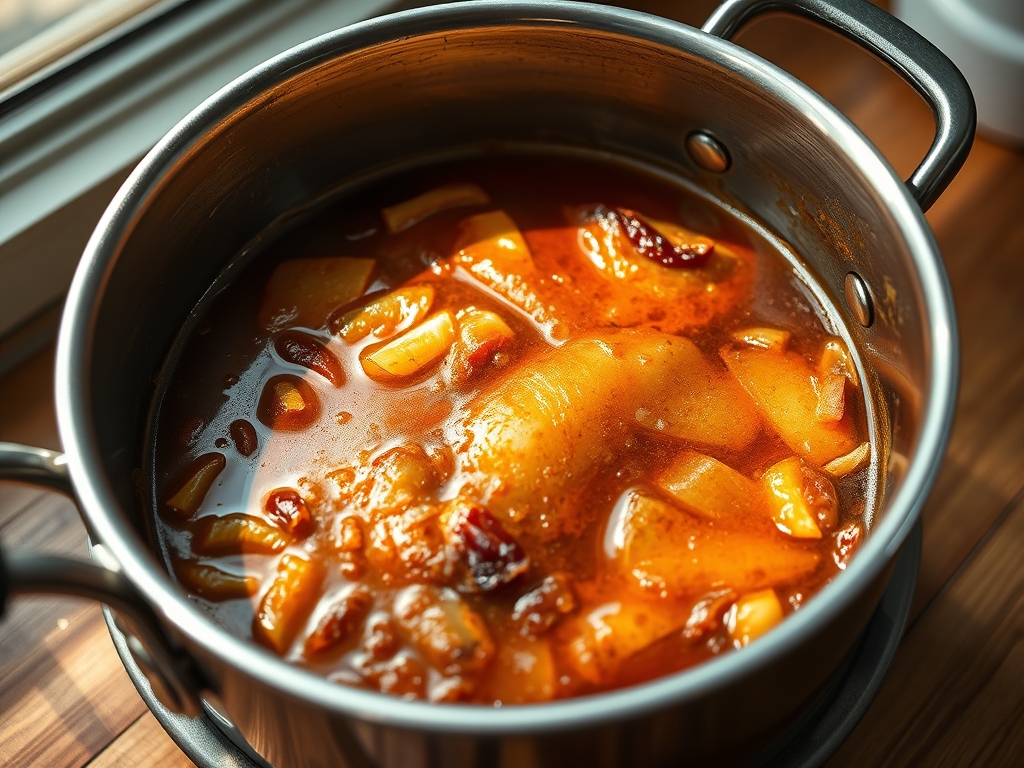
In a large stainless steel saucier, whisk together the soy sauce, Worcestershire, brown sugar, liquid smoke, and spices. Add the minced habaneros. Submerge the beef strips in this brine, ensuring every fiber is coated. Seal in a vacuum bag or airtight container for 12 to 24 hours.
Pro Tip: The salt in the soy sauce acts as a denaturant, breaking down protein structures to allow the habanero's heat to infuse deeply into the core of the muscle fibers.
3. The Thermal Loading
Arrange the marinated strips on dehydration racks, ensuring they do not overlap. Overlapping creates "cold spots" where moisture can linger. Set your dehydrator or convection oven to 71 degrees Celsius (160 degrees Fahrenheit).
Pro Tip: At this specific temperature, you kill potential pathogens like E. coli while the render of any remaining microscopic fats occurs slowly enough to avoid "case hardening," where the outside dries too fast and traps moisture inside.
4. The Tactile Audit
After 6 hours, begin checking for the "white fiber" break. Bend a piece of jerky; it should crack and reveal white interior fibers without snapping completely in half. If it feels spongy, it requires more time.
Pro Tip: Use a bench scraper to easily lift any stubborn pieces from the racks without tearing the delicate, dehydrated surface.
Section B: Prep & Timing Fault-Lines:
The most common failure in jerky production is the "Soggy Center" syndrome. This occurs when the ambient humidity is too high or the airflow is restricted. If your dehydrator lacks a powerful fan, rotate the trays every 90 minutes to ensure even exposure. Another critical error is the "Sugar Scorched" finish. If your marinade is too heavy on sweeteners, the exterior can caramelize and burn before the interior reaches safe water activity levels. Always monitor the internal temperature of the thickest piece using a high-accuracy probe thermometer.
THE VISUAL SPECTRUM
Section C: Thermal & Visual Troubleshooting:
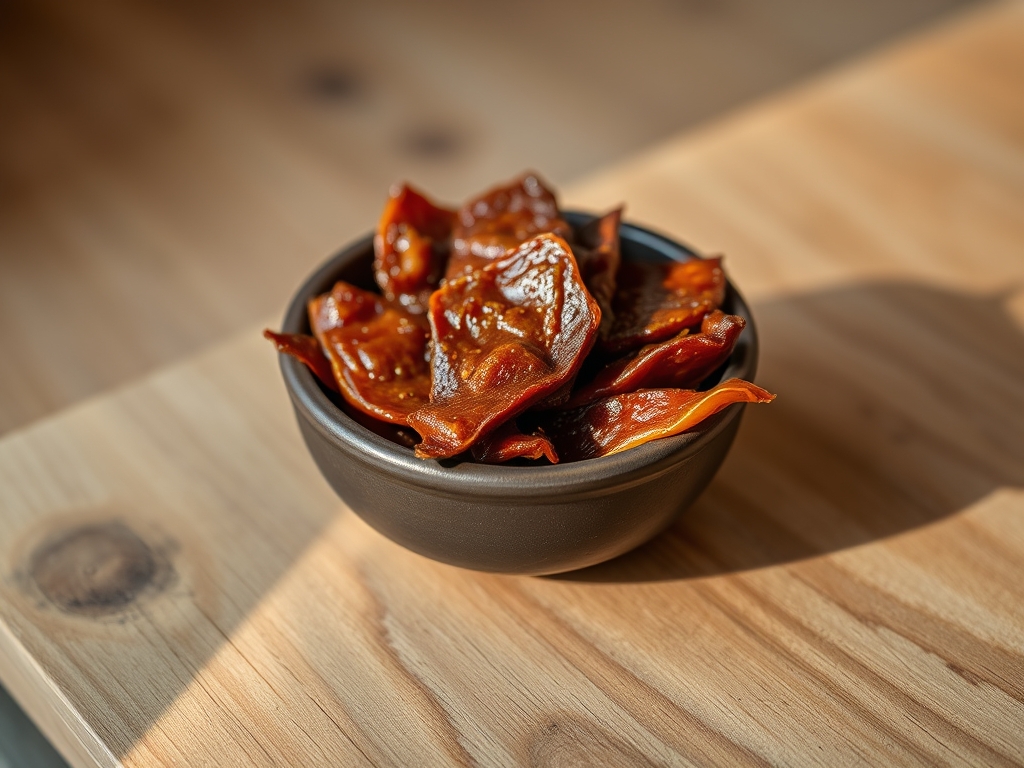
Referencing the Masterclass photo above, notice the deep mahogany hue and the visible flecks of orange habanero skin. If your jerky looks dull or grey, you likely skipped the sugar or the curing salt, which helps maintain the red color of the heme. If the surface looks "sweaty" or oily, you did not trim enough fat, or the temperature was too low to properly render the lipids. The ideal visual cue is a matte finish with a slight translucence when held up to the light. If you see white crystalline structures on the surface, do not panic; this is often just salt or amino acids migrating to the surface, not mold.
THE DEEP DIVE
Macro Nutrition Profile
Habanero Beef Jerky is a macronutrient powerhouse. Per 28g serving, expect approximately 80 to 100 calories, 12g to 15g of protein, 1g of fat, and 3g of carbohydrates. The capsaicin from the habaneros provides a metabolic boost and acts as a natural preservative.
Dietary Swaps (Vegan/Keto/GF)
- Vegan: Substitute the beef with extra-firm tofu or king oyster mushrooms. Use liquid aminos instead of soy sauce.
- Keto: Eliminate the brown sugar and replace it with a monk fruit sweetener or erythritol to keep the net carbs near zero.
- GF: Ensure your soy sauce is replaced with Tamari or coconut aminos to avoid gluten contamination.
Meal Prep & Reheating Science
Jerky is the ultimate meal prep tool. For long-term storage, use oxygen absorbers in a vacuum-sealed bag. While jerky is typically eaten cold, you can "flash-revive" it by placing it in a warm oven for 2 minutes to soften the fibers. This slightly melts the residual fats and re-activates the aromatic compounds of the peppers.
THE KITCHEN TABLE
How long does this jerky stay shelf-stable?
When properly dehydrated and stored in a cool, dark place, Habanero Beef Jerky lasts for 2 to 3 weeks. For extended storage, vacuum seal and freeze for up to 6 months without compromising the molecular structure or flavor profile.
Can I make this in a standard oven?
Yes, provided your oven can maintain a low temperature of 160 degrees Fahrenheit. Prop the door open slightly with a wooden spoon to allow moisture to escape; otherwise, you are essentially steaming the meat rather than dehydrating it.
Why is my jerky so tough to chew?
You likely sliced the meat with the grain. This preserves long muscle fibers, requiring significant mechanical force to break down. For a "commercial" texture, always slice against the grain to create shorter, more manageable protein strands.
Is the habanero heat too intense for most?
The dehydration process concentrates the capsaicin, making it significantly hotter than fresh peppers. If you prefer a milder experience, remove the pith and seeds from the habaneros before mincing, as that is where the highest concentration of heat resides.