Listen to the sound of the deep fryer; it is the percussion section of a high stakes culinary orchestra. Nashville Hot Chicken is not merely a meal; it is a chemical warfare exercise conducted within the confines of a cast iron skillet. We are talking about a sensory assault that begins with the audible shatter of a double dredged crust and ends with a capsaicin induced endorphin rush that resets your entire nervous system. The magic is not in the heat alone. It is in the suspension. We are manipulating lipids to carry a payload of cayenne and paprika directly to your pain receptors with surgical precision. If your oil is broken, your chicken is just greasy. If your spice ratio is off, you are eating sand. We are here to audit the infrastructure of the crunch, the viscosity of the glaze, and the thermal stability of the bird. Strap in, chef. We are about to turn the volume up to eleven and the temperature to three hundred and fifty degrees.
THE DATA MATRIX
| Metric | Specification |
|---|---|
| Prep Time | 45 Minutes (Excluding Brine) |
| Execution Time | 25 Minutes |
| Yield | 4 Servings |
| Complexity | 7/10 |
| Estimated Cost per Serving | $4.25 USD |
THE GATHERS
Ingredient Protocol:
- 1.4 kg / 3 lbs Bone-in, skin-on chicken thighs and drumsticks
- 500 ml / 2 cups Whole buttermilk
- 30 ml / 2 tbsp Hot sauce (vinegar based)
- 375 g / 3 cups All-purpose flour
- 10 g / 2 tsp Cornstarch
- 15 g / 1 tbsp Kosher salt
- 120 ml / 0.5 cup Neutral frying oil (for the glaze)
- 45 g / 6 tbsp Cayenne pepper
- 15 g / 1 tbsp Dark brown sugar
- 5 g / 1 tsp Smoked paprika
- 5 g / 1 tsp Garlic powder
Section A: Ingredient Quality Audit:
The primary failure point in Nashville Hot Chicken is the moisture content of the flour. If your flour has sat in a humid pantry, it will clump rather than aerate, leading to a leaden crust. Fix this by sifting your flour through a fine mesh strainer before dredging. Furthermore, if your cayenne smells like dusty cardboard, your glaze will lack the piquant punch required for authenticity. Always use fresh, high heat Scoville-rated spices. If your buttermilk is too thin, it will not hold the flour; whisk in a tablespoon of Greek yogurt to increase the protein density and improve the "cling" factor.
THE MASTERCLASS
Step 1: The Acidic Immersion
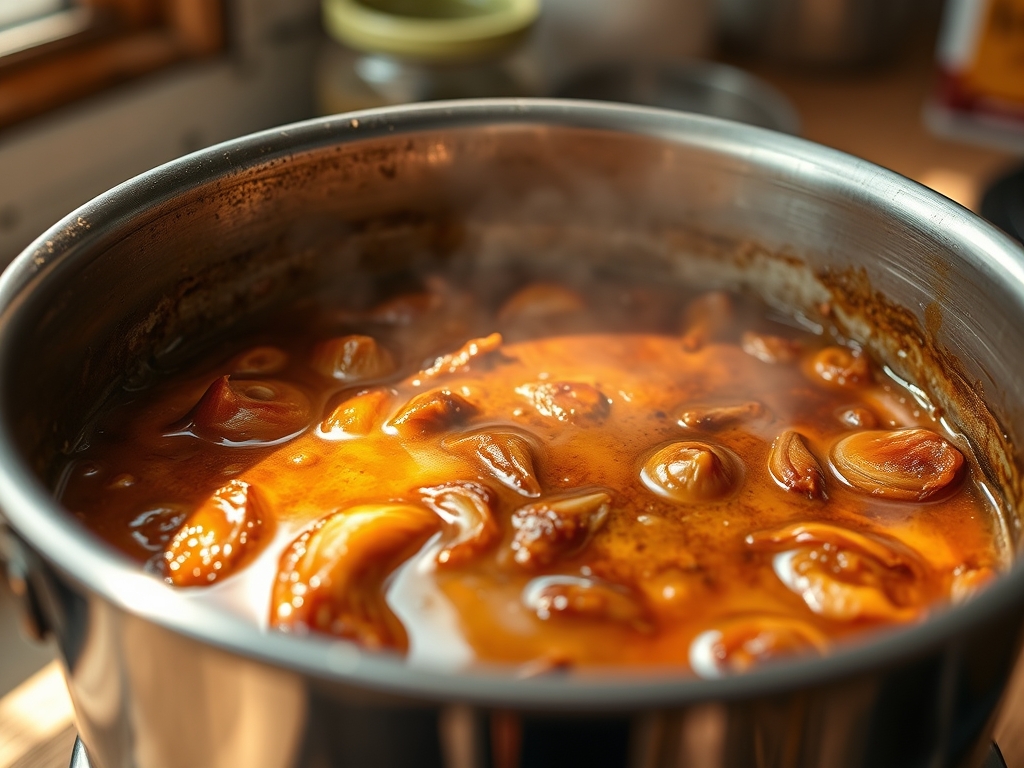
Submerge your chicken in the buttermilk and hot sauce mixture for at least four hours. This is not just for flavor; the lactic acid works to denature the protein strands, ensuring the meat remains succulent during the high heat fry. Use a digital scale to ensure your salt ratios are exact, as salt is the primary vehicle for cellular hydration.
Pro Tip: Use a stainless steel bowl or a vacuum sealer to maximize surface area contact. The acid bath prepares the skin to render more efficiently once it hits the oil.
Step 2: The Double Dredge Infrastructure
Whisk your flour, cornstarch, and salt in a large shallow pan. Take the chicken from the buttermilk, drop it into the flour, return it to the buttermilk, and dredge it a second time. This creates the craggy, topographical map of crunch that defines the Nashville style. Use a bench scraper to keep your workstation clean and manage the flour buildup.
Pro Tip: Let the dredged chicken rest on a wire rack for ten minutes before frying. This allows the flour to hydrate, creating a "glue" that prevents the breading from falling off in the fryer.
Step 3: Thermal Execution
Heat your neutral oil in a heavy bottomed saucier or Dutch oven to 175 C / 350 F. Fry the chicken in batches to avoid a catastrophic temperature drop. Monitor the internal temperature with a digital probe until it reaches 74 C / 165 F. The crust should be a deep golden brown, indicating the Maillard reaction has reached its peak.
Pro Tip: Use a long handled spider strainer to rotate the chicken. Constant movement ensures even heat distribution and prevents "hot spots" from scorching the delicate flour coating.
Step 4: The Lipid Spice Suspension
This is the critical phase. Ladle 120 ml of the shimmering hot frying oil into a heatproof bowl containing your cayenne, brown sugar, and spices. Whisk vigorously. The heat of the oil will infuse the spices, blooming the oils within the pepper and creating a thick, viscous glaze.
Pro Tip: Use a small whisk to ensure the sugar is fully dissolved. If the oil is too cool, the spices will remain gritty; if it is too hot, the paprika will burn and turn bitter.
Step 5: The Final Application
Paint the spicy oil onto the fried chicken immediately using a silicone basting brush. Do not submerge the chicken, as this will compromise the structural integrity of the crust. The goal is a glistening, crimson coating that clings to every crevice of the breading.
Pro Tip: Serve immediately on white bread with pickles. The bread acts as a structural sponge to catch the spicy runoff, which is arguably the best part of the experience.
Section B: Prep & Timing Fault-Lines:
The most common human error is "crowding the pan." When too much cold chicken enters the oil, the temperature plummets, and the breading begins to soak up grease rather than crisping. This results in a soggy, oily mess. Always wait for the oil to return to 350 F between batches. Another timing error is glazing the chicken too late. The glaze must be applied while the chicken is still screaming hot so the oil can penetrate the outermost layer of the crust without softening the entire structure.
THE VISUAL SPECTRUM
Section C: Thermal & Visual Troubleshooting:
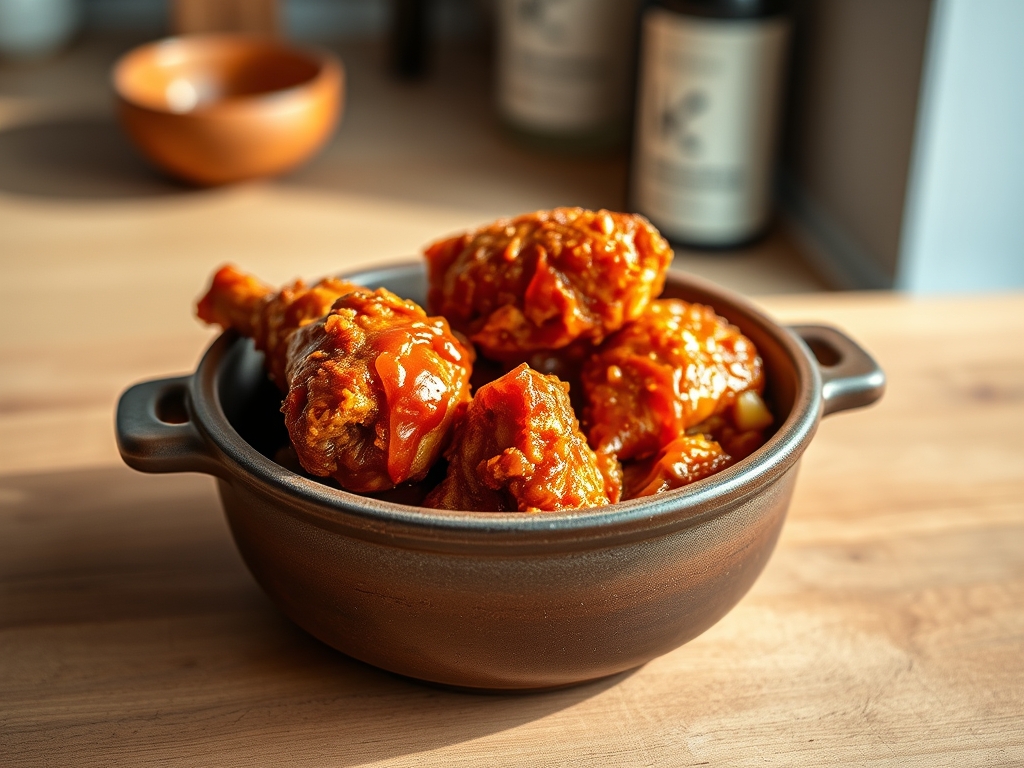
Referencing the Masterclass photo, your chicken should exhibit a "lava rock" texture. If the color is dull or orange rather than deep red, your oil was likely too cool when you bloomed the spices, or your paprika lacks quality. If the breading is smooth rather than craggy, you skipped the double dredge or did not "flick" extra buttermilk into the flour to create those signature clumps. Uneven browning usually points to a lack of oil volume; the chicken must be at least halfway submerged to ensure the heat wraps around the geometry of the bird.
THE DEEP DIVE
Macro Nutrition Profile:
A standard serving of Nashville Hot Chicken is a caloric powerhouse. You are looking at approximately 850 calories, 55g of fat, 40g of protein, and 45g of carbohydrates. It is high in sodium, so plan your hydration accordingly.
Dietary Swaps:
- Vegan: Use cauliflower florets or oyster mushrooms. Replace buttermilk with soy milk and apple cider vinegar.
- Keto: Swap the flour for a mixture of crushed pork rinds and parmesan cheese. Use an air fryer to reduce the lipid load.
- GF: Utilize a 1:1 gluten free flour blend with extra cornstarch for crunch.
Meal Prep & Reheating Science:
To maintain the molecular structure of the crust, never use a microwave. Reheat in a 200 C / 400 F oven on a wire rack for 8 minutes. This allows the air to circulate, re-crisping the oils without overcooking the interior meat.
THE KITCHEN TABLE
Why is my chicken breading falling off?
This usually happens because the chicken skin was too wet or you did not let the dredge rest. The ten minute rest period is vital for the flour to bond to the protein.
How do I make it hotter without ruining the flavor?
Incorporate Ghost Pepper or Carolina Reaper powder into your glaze. However, do so sparingly; these peppers have a different chemical profile and can easily overwhelm the smoky notes of the paprika.
Can I use an air fryer?
You can, but you will lose the authentic "Nashville" texture. The oil is a necessary component for blooming the spices and creating the signature mouthfeel of the glaze.
What is the best oil for frying?
Peanut oil is the gold standard due to its high smoke point and neutral flavor. If allergies are a concern, canola or grapeseed oil are excellent secondary options for thermal stability.