The kitchen is a battlefield of thermal dynamics where the stakes are measured in millimeters of pasta diameter and the precise viscosity of a red sea. When you commit to a Spicy Seafood Linguine, you are not merely boiling noodles; you are orchestrating a high-stakes chemical merger between the saline depths of the ocean and the piquant heat of the earth. The air should crackle with the scent of garlic undergoing Maillard browning while the sharp, acidic sting of deglazing wine cuts through the heavy scent of simmering shellfish. This is a dish of high-speed execution and unforgiving timing. One minute too long and your shrimp become rubberized pellets; ten seconds too short and your sauce fails to emulsify into that glorious, silk-like sheen that clings to every strand. We are looking for a structural masterpiece where the heat is not a blunt instrument but a precision tool that elevates the natural sweetness of the sea. Grab your apron and calibrate your senses. It is time to audit your culinary infrastructure.
THE DATA MATRIX
| Metric | Specification |
|---|---|
| Prep Time | 25 minutes |
| Execution Time | 15 minutes |
| Yield | 4 Servings |
| Complexity | 7/10 |
| Estimated Cost per Serving | $12.50 – $18.00 |
THE GATHERS
Ingredient Protocol:
- 450g / 1 lb Linguine Fini (Bronze-cut for surface area).
- 450g / 1 lb Large Shrimp (Peeled and deveined; tails on).
- 450g / 1 lb Manila Clams or Mussels (Scrubbed and purged).
- 225g / 8 oz Calamari rings (Fresh, never frozen).
- 60ml / 4 tbsp Extra Virgin Olive Oil (High polyphenol count).
- 6 cloves Garlic (Thinly sliced via mandoline).
- 5g / 1 tsp Red Pepper Flakes (Adjust for piquant intensity).
- 120ml / 0.5 cup Dry White Wine (Pinot Grigio or Sauvignon Blanc).
- 800g / 28 oz San Marzano Tomatoes (Hand-crushed).
- 15g / 1 tbsp Tomato Paste (Triple concentrated).
- Fresh Parsley and Lemon Zest for the final infuse stage.
Section A: Ingredient Quality Audit:
The primary failure point in Spicy Seafood Linguine is the "Frozen Water Log" effect. If your shrimp or calamari are weeping excess moisture, they will boil in the pan rather than sear. Fix: Pat all proteins bone-dry with lint-free towels and allow them to reach room temperature for 10 minutes before hitting the heat. If your clams refuse to open, do not force them; they are biological indicators of spoilage. Ensure your tomatoes are San Marzano D.O.P. certified. Sub-par tomatoes lack the necessary sugar-to-acid ratio, resulting in a thin, metallic sauce that requires excessive sugar to correct. If the sauce feels "flat," a micro-dose of anchovy paste or high-quality fish sauce can bridge the gap in umami depth without adding a fishy profile.
THE MASTERCLASS
Step-by-Step Execution:
1. The Aromatics Foundation
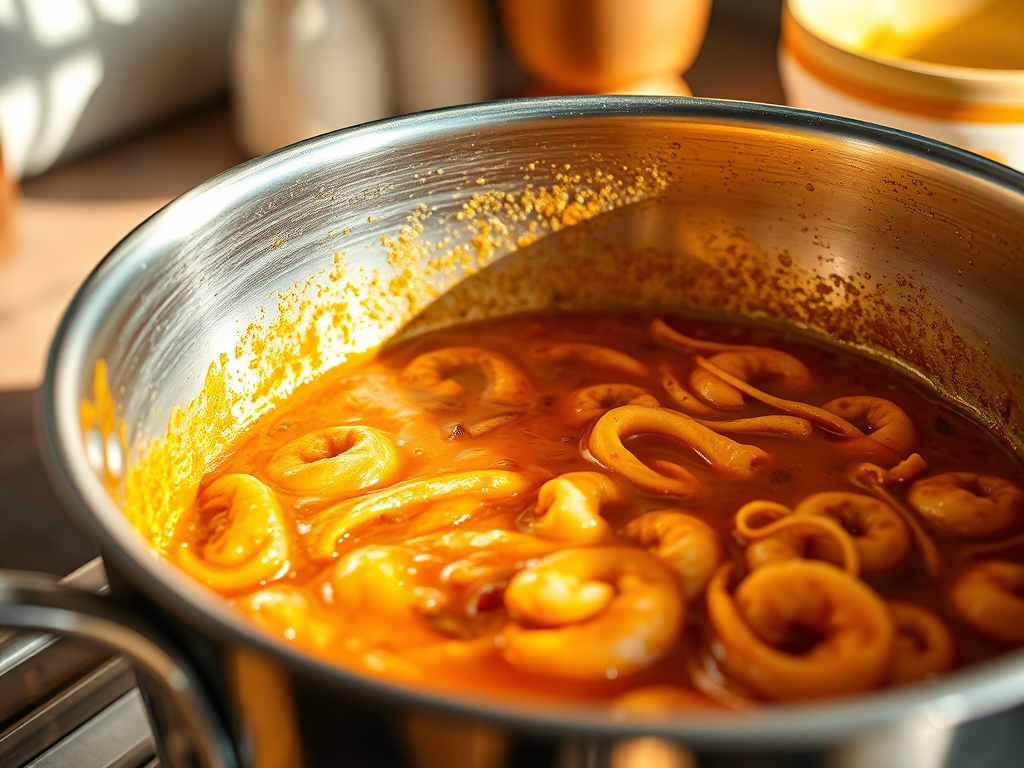
In a heavy-bottomed saucier, combine the olive oil, sliced garlic, and red pepper flakes while the pan is still cold. Gradually increase the heat to medium-low. This allows the oil to infuse with the capsaicin and allicin without scorching the delicate garlic sugars.
Pro Tip: Use a digital scale to measure your red pepper flakes if you are aiming for consistent Scoville delivery across multiple batches. Cold-start infusion prevents the bitter "burnt garlic" profile that ruins delicate seafood.
2. The Protein Sear
Increase the heat to high. Add the shrimp in a single layer. Sear for exactly 60 seconds per side until they render a slight pink hue but remain translucent in the center. Remove and set aside on a warm plate.
Pro Tip: A carbon steel skillet or high-quality saucier provides the thermal mass necessary to sear the shrimp without dropping the surface temperature, preventing the dreaded "stewing" effect.
3. Deglaze and Emulsify
Add the tomato paste to the center of the pan, stirring for 2 minutes until it darkens to a rust color. Pour in the white wine to deglaze, using a bench scraper or wooden spoon to lift the fond (browned bits) from the bottom.
Pro Tip: The alcohol in the wine acts as a solvent, capturing flavor molecules that are neither water nor fat-soluble. This creates a more complex, multi-dimensional flavor profile in the finished sauce.
4. The Shellfish Steam
Add the hand-crushed tomatoes and bring to a simmer. Gently nestle the clams and mussels into the liquid. Cover with a tight-fitting lid for 3 to 5 minutes.
Pro Tip: Use a timer here. As soon as the shells yawn open, the seafood is done. Overcooking causes the proteins to contract and expel their internal juices, turning tender morsels into dry fibers.
5. The Molecular Marriage
Drop your linguine into salted boiling water 2 minutes after the clams go into the sauce. Pull the pasta when it is 2 minutes shy of al dente. Transfer the pasta directly into the sauce using tongs, bringing a small amount of starchy pasta water with it.
Pro Tip: The starch in the water acts as a natural emulsifier, binding the oil and tomato juice into a viscous coating. This is the "mantecatura" phase where the pasta absorbs the sauce's flavor.
Section B: Prep & Timing Fault-Lines:
The most common human error is the "Pasta Wait." If the pasta is ready before the sauce, it will continue to cook in its own residual heat, leading to a mushy texture. Fix: Always have the sauce "waiting" for the pasta, never the other way around. If the sauce reduces too much while waiting, whisk in 30ml of pasta water to aerate and loosen the emulsion. Another fault-line is overcrowding the pan. If you are cooking for more than four people, split the seafood into two batches to maintain high sear temperatures.
THE VISUAL SPECTRUM
Section C: Thermal & Visual Troubleshooting:
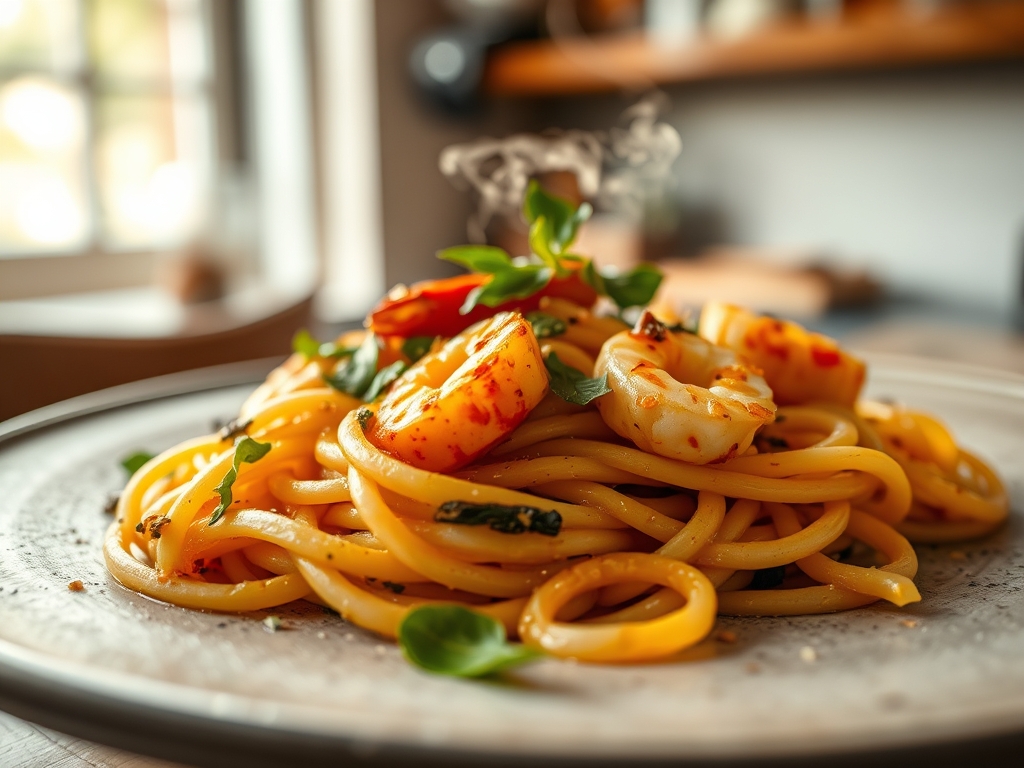
Referencing the Masterclass photo, your Spicy Seafood Linguine should display a vibrant, glossy crimson hue, not a dull brick red. If your sauce looks matte or "broken" (oil separating from the tomato), it lacks sufficient starch or agitation. Fix: Vigorously toss the pasta in the saucier over high heat for the final 60 seconds to force the emulsion.
If your shrimp appear white and curled into tight "O" shapes, they are overcooked. They should ideally form a "C" shape. Dull colors in the herbs suggest they were added too early. Fix: Fold in fresh parsley and lemon zest only at the moment of plating to preserve the volatile oils and bright green chlorophyll. The clams should be fully open, revealing plump, hydrated meat; if they look shriveled, your simmer temperature was too high.
THE DEEP DIVE
Macro Nutrition Profile:
A standard serving provides approximately 550 calories, 12g of healthy fats (primarily monounsaturated from olive oil), 45g of complex carbohydrates, and 35g of high-quality lean protein. It is a powerhouse of Vitamin B12 and Selenium.
Dietary Swaps:
- Vegan: Replace seafood with king oyster mushroom "scallops" and heart of palm. Use a splash of seaweed broth for saline depth.
- Keto: Swap linguine for zucchini noodles or shirataki strands. Increase the olive oil ratio for healthy fats.
- GF: Use high-quality brown rice or corn-based linguine. Ensure the tomato paste has no hidden thickening agents.
Meal Prep & Reheating Science:
Seafood is notoriously difficult to reheat without compromising molecular structure. If you must, store the sauce and pasta separately. Reheat the sauce in a pan first, then drop the pasta in for 60 seconds. Never microwave; the uneven agitation of water molecules will turn the calamari into rubber bands.
THE KITCHEN TABLE
Why is my pasta sticking together in the sauce?
You likely lacked enough pasta water or oil. The starch needs a liquid medium to create a slippery coating. Add a splash of reserved pasta water and toss vigorously to create a smooth, viscous finish.
Can I use canned clams for this recipe?
While possible, you lose the "liquor" released by fresh shells which provides the primary saline backbone. If using canned, add a teaspoon of bottled clam juice to compensate for the missing depth and mineral complexity.
How do I make the sauce spicier without changing the flavor?
Incorporate a fermented chili paste or a drop of chili oil at the very end. This adds "clean" heat that sits on top of the flavor profile rather than cooking into the base and altering the tomato acidity.
Is it necessary to salt the pasta water like the sea?
Absolutely. The pasta is the only component of the dish that cannot be seasoned from the outside. Proper salting ensures the starch molecules are seasoned as they hydrate, providing a structural flavor balance to the piquant sauce.