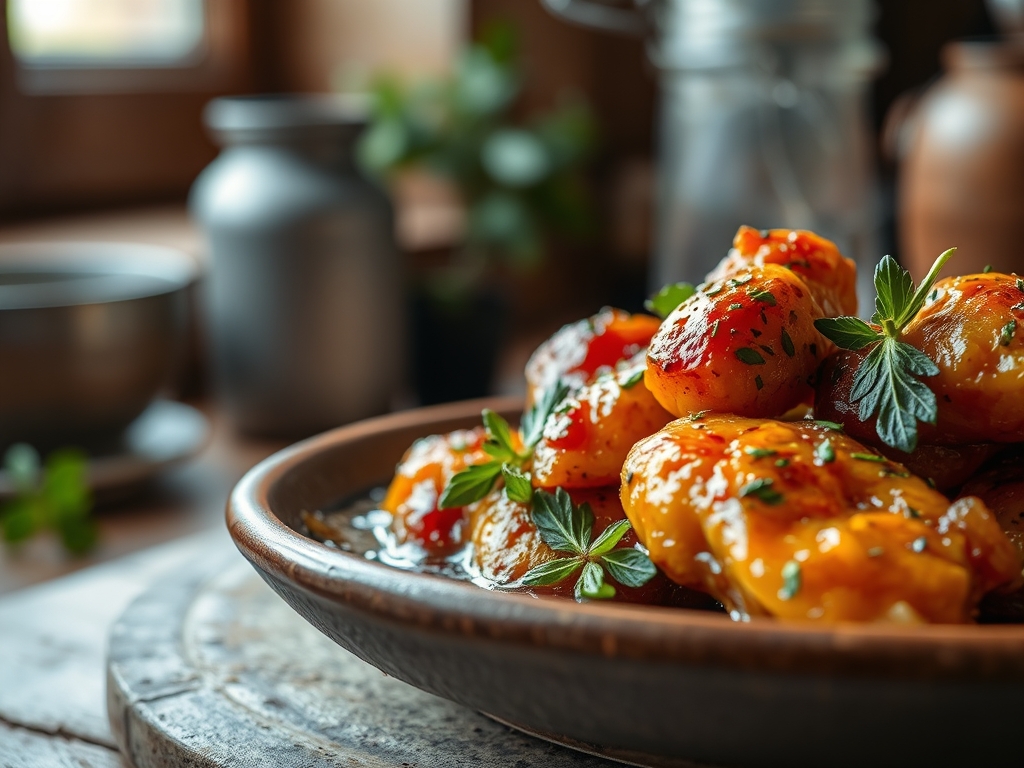
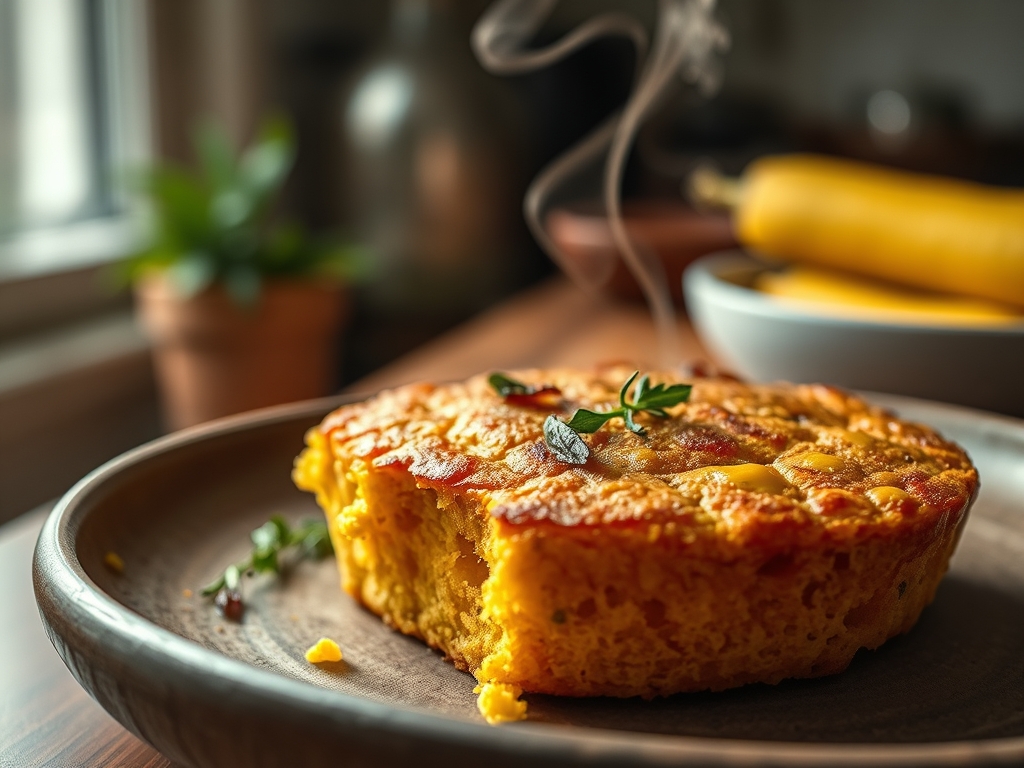
Listen up, culinary architects. We are moving beyond the realm of crumbly, dry rectangles and entering the theater of high-performance crumb structure. When we discuss the technical inclusion of capsicum in a corn-based matrix, we are not just tossing peppers into a bowl; we are managing moisture migration and structural integrity. The goal is a Spicy Cornbread that possesses a piquant punch and a velvet-gold crumb that refuses to shatter upon impact. We want a crumb that is tight yet tender, supported by a chemical lattice of buttermilk acidity and cornmeal grit. This is about the interplay between the capsaicin-loaded oils of the jalapeno and the viscous nature of the batter. If your bread feels like a sponge or a brick, you have failed the structural audit. We are here to ensure that every slice delivers a rhythmic heat that builds without compromising the structural stability of the loaf. Prepare your stations; we are about to engineer the most aggressive, flavor-dense bread in your repertoire.
THE DATA MATRIX
| Metric | Specification |
|---|---|
| Prep Time | 20 Minutes |
| Execution Time | 35 Minutes |
| Yield | 12 Technical Servings |
| Complexity | 4/10 |
| Estimated Cost per Serving | $0.85 USD |
THE GATHERS
Ingredient Protocol:
- 250g / 2 cups Yellow Cornmeal (Stone-ground preferred)
- 125g / 1 cup All-purpose Flour
- 50g / 1/4 cup Granulated Sugar
- 15g / 1 tablespoon Baking Powder
- 5g / 1 teaspoon Kosher Salt
- 350ml / 1.5 cups Full-fat Buttermilk
- 115g / 1/2 cup Unsalted Butter (melted and cooled)
- 2 Large Eggs (Room temperature)
- 3 Fresh Jalapenos (De-seeded and finely diced)
- 115g / 1 cup Sharp Cheddar (Grated)
- 15ml / 1 tablespoon Honey
Section A: Ingredient Quality Audit:
Sub-par raw materials are the silent killers of the Spicy Cornbread experience. If your cornmeal is too fine, you lose the essential aeration and grit that defines the texture. If your buttermilk lacks the proper acidity, the leavening agents will not trigger correctly, resulting in a flat, dense slab. Technical fix: if using low-fat buttermilk, add a teaspoon of lemon juice to increase the acidic profile. Furthermore, ensure your jalapenos are firm; soft peppers indicate a loss of cellular structure and will leach excess water into the batter, creating localized "soggy spots" around the vegetable inclusions. Always use a digital scale for your dry goods; volume measurements are for amateurs who enjoy inconsistent results.
THE MASTERCLASS
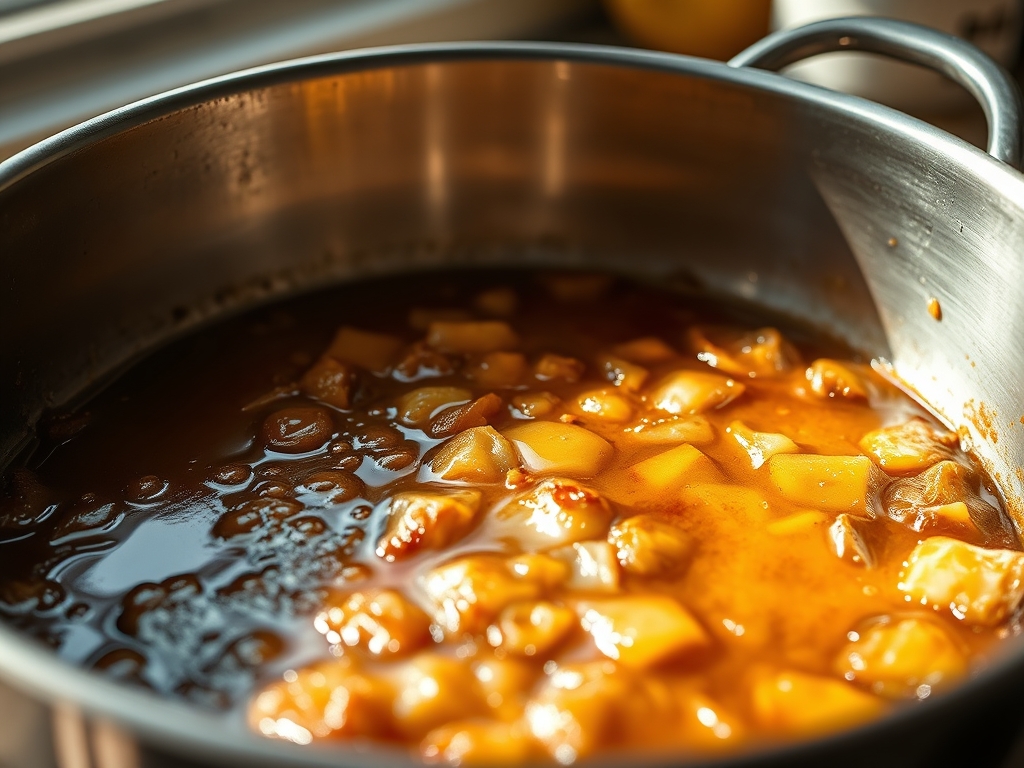
Step-by-Step Execution:
1. The Dry Sifting Phase
Combine the cornmeal, flour, sugar, baking powder, and salt in a large stainless steel mixing bowl. Use a whisk to aerate the mixture, ensuring there are no clumps of leavening agent.
Pro Tip: Use a fine-mesh sieve to sift the flour and baking powder together. This ensures a uniform distribution of the leavening agent, preventing "tunnels" from forming in the crumb during the bake. A bench scraper is excellent for clearing your station of any stray flour dust.
2. The Emulsion Protocol
In a separate saucier or mixing bowl, whisk together the buttermilk, melted butter, eggs, and honey until the mixture is completely homogenous. The butter must be cooled to prevent premature coagulation of the egg proteins.
Pro Tip: Emulsifying the fats into the buttermilk before they hit the dry ingredients prevents the butter from clumping. This creates a more viscous and stable batter that supports the weight of the jalapenos and cheese without them sinking to the bottom.
3. The Capsicum Integration
Fold the diced jalapenos and grated cheddar into the wet mixture. Ensure the peppers are evenly suspended in the liquid phase before the final marriage of ingredients.
Pro Tip: Dusting your jalapeno dice in a small amount of cornmeal before adding them to the batter creates a "friction coat" that helps them stay suspended in the crumb during the initial stages of the thermal rise.
4. The Structural Marriage
Pour the wet ingredients into the dry well. Using a silicone spatula, fold the mixture until just combined. Over-mixing will develop gluten in the flour, turning your tender Spicy Cornbread into a rubbery mess.
Pro Tip: Stop mixing when you see the last streak of flour disappear. A lumpy batter is a successful batter. Use your digital scale to weigh the total batter weight to ensure even distribution if baking in multiple pans.
5. The Thermal Execution
Transfer the batter into a preheated, buttered cast-iron skillet or a 9×9 baking pan. Place in an oven preheated to 200C / 400F and bake for 25 to 30 minutes.
Pro Tip: A cast-iron skillet provides superior heat retention and creates a Maillard reaction on the bottom crust that a glass dish cannot replicate. Use an infrared thermometer to ensure your skillet surface has reached at least 175C before pouring in the batter.
Section B: Prep & Timing Fault-Lines:
The most common failure in this protocol is the "temperature lag." If your eggs and buttermilk are cold, they will cause the melted butter to seize into tiny pellets. This results in an uneven fat distribution and a greasy mouthfeel. Always temper your dairy. Additionally, if you wait too long to put the batter in the oven after mixing, the chemical leavening will exhaust its carbon dioxide production on the counter rather than in the heat of the oven. Speed is a technical requirement.
THE VISUAL SPECTRUM
Section C: Thermal & Visual Troubleshooting:
Observe the reference image. Note the golden-brown "halo" around the edges where the butter has fried the cornmeal against the skillet wall. If your bread is pale, your oven calibration is likely low; increase the temperature by 10 degrees. If the center has a deep fissure or crack, the oven was too hot, forcing a rapid rise before the structure could set. The jalapenos should appear bright green and slightly translucent, indicating they have infused their oils into the surrounding crumb without being charred. If the cheese on top is burnt while the center is raw, move the rack to a lower position to balance the radiant heat.
THE DEEP DIVE
Macro Nutrition Profile
Each serving (approx. 100g) contains roughly 280 calories, 12g of fat, 35g of carbohydrates, and 6g of protein. The inclusion of full-fat buttermilk and cheddar increases the lipid profile, which is essential for the "long-tail" flavor release of the capsaicin.
Dietary Swaps (Vegan/Keto/GF)
- Vegan: Substitute buttermilk with soy milk plus 15ml apple cider vinegar; use a flax egg (15g flax meal + 45ml water) and vegan butter.
- Keto: Replace cornmeal and flour with almond flour and a touch of corn extract for flavor. Use erythritol as the sweetener.
- GF: Utilize a 1:1 gluten-free flour blend and ensure your cornmeal is certified gluten-free to avoid cross-contamination.
Meal Prep & Reheating Science
To maintain the molecular structure, store the bread in an airtight container at room temperature for up to 2 days. For reheating, avoid the microwave as it agitates water molecules and turns the crumb "gummy." Instead, use a toaster oven at 150C to re-crisp the exterior while gently warming the interior lipids.
THE KITCHEN TABLE
Why is my cornbread crumbly and falling apart?
You likely lacked enough "binder" or over-baked the bread, evaporating the essential moisture. Ensure your buttermilk-to-cornmeal ratio is precise and check for doneness 5 minutes early using a wooden skewer.
Can I use pickled jalapenos instead of fresh?
You can, but you must drain and pat them dry. The acetic acid in the brine can interfere with the baking powder, potentially causing a metallic aftertaste or an over-inflated crumb structure.
How do I get those crispy, dark edges?
Preheat your cast-iron skillet in the oven with a tablespoon of butter. Pouring the batter into a sizzling pan initiates an immediate sear, creating a structural "crust-lock" that traps moisture inside.
Is the honey necessary for the structure?
Honey is a humectant; it attracts and holds moisture. While it adds sweetness, its primary technical role is to keep the Spicy Cornbread moist for a longer duration than granulated sugar alone.
My jalapenos all sank to the bottom. Why?
Your batter was too thin. This usually happens if the eggs were too small or the buttermilk was too watery. A thicker, more viscous batter is required to support the density of the pepper inclusions.