The scent hits you before the heat does. It is a violent, aromatic collision of toasted sesame and fermented chili paste that demands immediate attention. We are talking about Spicy Lo Mein; the undisputed heavyweight champion of the Chinese American takeout box, reimagined through the lens of precision culinary engineering. This is not just a pile of noodles tossed in a pan. It is a complex study in soy starch viscosity and the delicate balance of piquant heat against savory depth. When executed correctly, the sauce should cling to every strand with an oily, translucent sheen that reflects the kitchen lights like polished mahogany. Most home versions fail because they lack the thermal velocity required to properly emulsify the fats with the aqueous aromatics. We are here to fix that. We are moving beyond the soggy, over-salted disasters of the amateur kitchen and stepping into the realm of professional-grade noodle architecture. Prepare your palate for a high-velocity infusion of ginger, garlic, and Sichuan peppercorns that will redefine your understanding of the humble noodle.
THE DATA MATRIX
| Metric | Specification |
|---|---|
| Prep Time | 20 Minutes |
| Execution Time | 10 Minutes |
| Yield | 4 Servings |
| Complexity (1-10) | 4 |
| Estimated Cost per Serving | $2.75 USD |
THE GATHERS
Ingredient Protocol:
- 450g / 1 lb Fresh Egg Noodles (or thick spaghetti)
- 30ml / 2 tbsp Neutral Oil (Grapeseed or Peanut)
- 15ml / 1 tbsp Toasted Sesame Oil
- 45ml / 3 tbsp Light Soy Sauce
- 15ml / 1 tbsp Dark Soy Sauce (for color)
- 30g / 2 tbsp Chili Garlic Sauce or Sambal Oelek
- 10g / 2 tsp Granulated Sugar
- 3 Large Cloves Garlic (minced)
- 15g / 1 tbsp Fresh Ginger (grated)
- 100g / 1 cup Shredded Cabbage
- 50g / 1/2 cup Julienne Carrots
- 3 Green Onions (sliced on the bias)
Section A: Ingredient Quality Audit:
The most common failure point in Spicy Lo Mein is the noodle selection. If you use dried pasta, you must undercook it by exactly two minutes to account for the secondary hydration during the stir-fry phase. If your soy sauce tastes like pure brine, it lacks the fermented complexity of a premium brand; swap it for a double-breasted or naturally brewed variety to ensure a deep umami profile. If your ginger is fibrous and dry, do not use it. Fresh ginger should snap cleanly and release an immediate citrus-like aerosol. For sub-par aromatics, a quick soak in room-temperature water can rehydrate the cells, but it is always better to source high-turgor produce for maximum crunch.
THE MASTERCLASS
1. Noodle Hydration and Par-Boiling
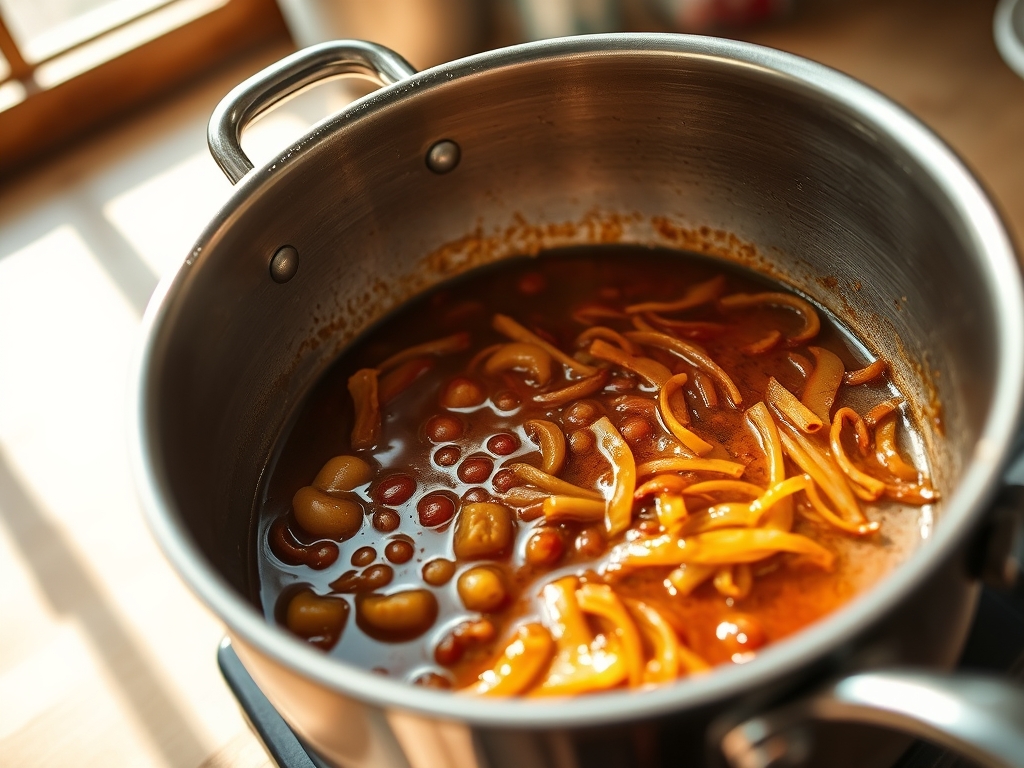
Bring a large pot of salted water to a rolling boil. Use a digital scale to ensure your noodle portions are exact. Drop the fresh egg noodles and boil for 3 to 4 minutes until al dente. Drain immediately and rinse with cold water to stop the carryover cooking.
Pro Tip: Rinsing removes excess surface starch that causes clumping. Toss the cooled noodles with a teaspoon of neutral oil using a bench scraper or tongs to create a protective lipid barrier, preventing the strands from fusing together before they hit the wok.
2. The Sauce Emulsification
In a small stainless steel saucier, whisk together the light soy, dark soy, sugar, and chili garlic sauce. Heat it slightly on the edge of the stove to dissolve the sugar crystals completely. This ensures that when the sauce hits the high-heat environment of the wok, it caramelizes instantly rather than graining out.
Pro Tip: The addition of dark soy sauce is purely for visual depth and viscosity. It contains molasses or caramel color which helps the sauce infuse into the noodle surface, creating that signature dark, glossy aesthetic seen in high-end bistros.
3. Aromatic Infusion
Heat your wok or heavy skillet until a drop of water flicked onto the surface dances and evaporates instantly. Add the neutral oil and swirl to coat. Throw in the garlic, ginger, and the white parts of the green onions. Stir-fry for exactly 30 seconds until the kitchen smells like a fragrant cloud of sulfur and spice.
Pro Tip: This is the "Longyau" technique. By heating the oil first, you create a non-stick surface on a molecular level. Use a high-precision thermometer to ensure the oil is between 350F and 375F before adding aromatics to prevent them from soaking up grease.
4. The High-Heat Vegetable Render
Add the cabbage and carrots to the wok. Use a high-heat spatula to toss them aggressively. You want to render the moisture out of the vegetables quickly so they soften without losing their structural integrity. This should take no more than 60 to 90 seconds.
Pro Tip: Crowding the pan is the enemy of the Maillard reaction. If you are doubling the recipe, cook the vegetables in batches. If the pan temperature drops, the vegetables will steam in their own juices, resulting in a soggy texture rather than a crisp-tender finish.
5. The Final Integration
Add the noodles to the wok, followed immediately by the sauce mixture. Using tongs, lift and fold the noodles repeatedly to ensure every strand is coated. Increase the heat to maximum. The sauce will begin to bubble and reduce, thickening into a viscous glaze that clings to the noodles.
Pro Tip: This is where you aerate the dish. By lifting the noodles high out of the pan as you toss, you allow steam to escape and help the sauce concentrate. Finish with a drizzle of toasted sesame oil and the green onion tops for a final hit of raw, sharp flavor.
Section B: Prep & Timing Fault-Lines:
Timing is the most frequent cause of "mushy noodle syndrome." If you prep your vegetables while the noodles are already boiling, you have already lost. Everything must be chopped and the sauce must be pre-mixed before the first flame is lit. If your wok is not hot enough when the noodles are added, they will stick to the metal; this is a thermal failure. Ensure your burner is at its highest setting and do not be afraid of a little smoke; that is the "Wok Hei" or "Breath of the Wok" developing.
THE VISUAL SPECTRUM
Section C: Thermal & Visual Troubleshooting:
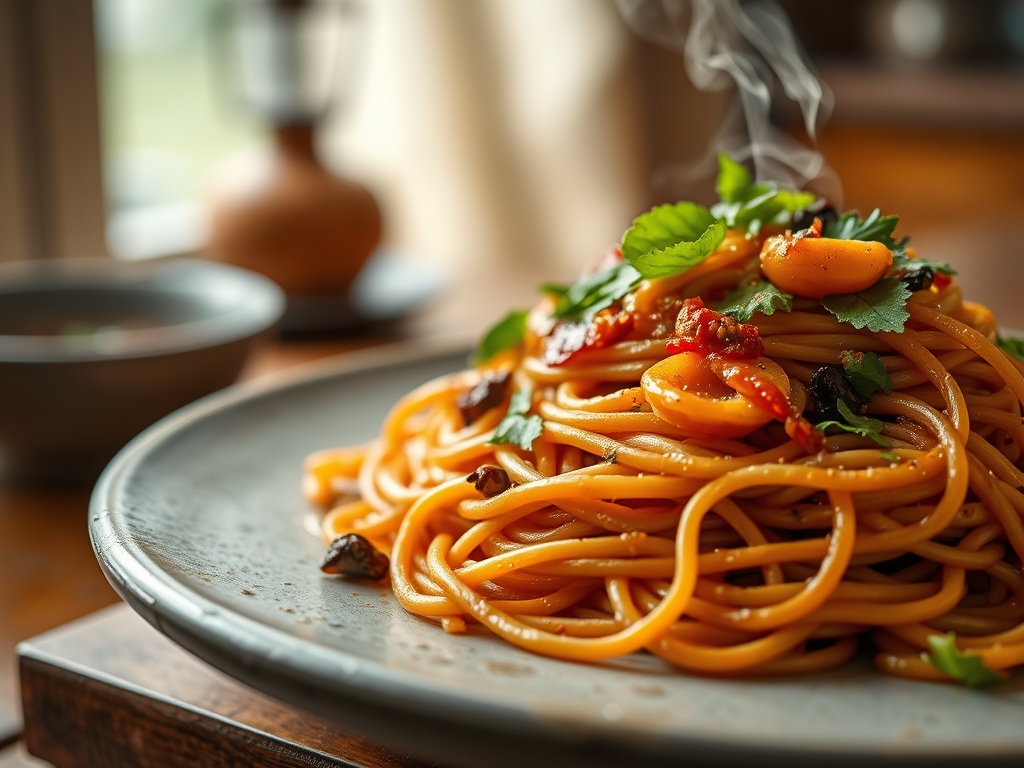
Look at the reference photo. Note the deep, mahogany hue of the noodles; this is achieved through the Dark Soy Sauce. If your Spicy Lo Mein looks pale or yellow, you have under-applied the dark soy or failed to reduce the sauce sufficiently. If the vegetables look dull and gray, they have been overcooked and have lost their chlorophyll and carotenoid vibrancy. To fix this, flash-fry them at a higher temperature for a shorter duration. If there is a pool of liquid at the bottom of the plate, your starch-to-liquid ratio was off; next time, add a half-teaspoon of cornstarch to your sauce mixture to ensure total adhesion.
THE DEEP DIVE
Macro Nutrition Profile:
A standard serving of Spicy Lo Mein provides approximately 450 calories, 12g of protein, 65g of carbohydrates, and 18g of fat. The sodium content is high due to the soy sauce; however, using low-sodium light soy can reduce this by 30% without sacrificing the color profile provided by the dark soy.
Dietary Swaps:
- Vegan: Ensure the egg noodles are substituted for wheat-based "oil noodles" or thick rice noodles.
- Keto: Replace noodles with shirataki (konjac) noodles or spiralized zucchini. Note that shirataki noodles require extensive drying in a hot pan before adding sauce.
- Gluten-Free: Use Tamari in place of soy sauce and choose wide rice noodles or gluten-free spaghetti.
Meal Prep & Reheating Science:
To maintain the molecular structure when reheating, avoid the microwave if possible. The microwave agitates water molecules, which can make the noodles rubbery. Instead, deglaze a pan with a tablespoon of water or broth, add the leftover Lo Mein, and toss over medium heat. This re-emulsifies the oils and restores the sauce's original viscosity.
THE KITCHEN TABLE
Why are my noodles sticking together?
You likely skipped the cold-water rinse or failed to toss them in oil after boiling. Surface starch acts like glue; rinsing it away is mandatory for a professional texture.
Can I make this without a wok?
Yes. Use a large stainless steel skillet or a cast-iron pan. The key is surface area and heat retention. Avoid non-stick pans as they cannot safely reach the temperatures required for proper caramelization.
How do I make it spicier?
Add a teaspoon of red pepper flakes to the oil during the aromatic infusion stage. This allows the capsaicin to dissolve into the fat, distributing the heat more evenly throughout the entire dish.
Why is my sauce so thin?
The sauce needs to reach a simmer in the pan to reduce and thicken. If it remains watery, increase the heat or add a small cornstarch slurry (1 tsp cornstarch to 1 tsp water) to force emulsification.