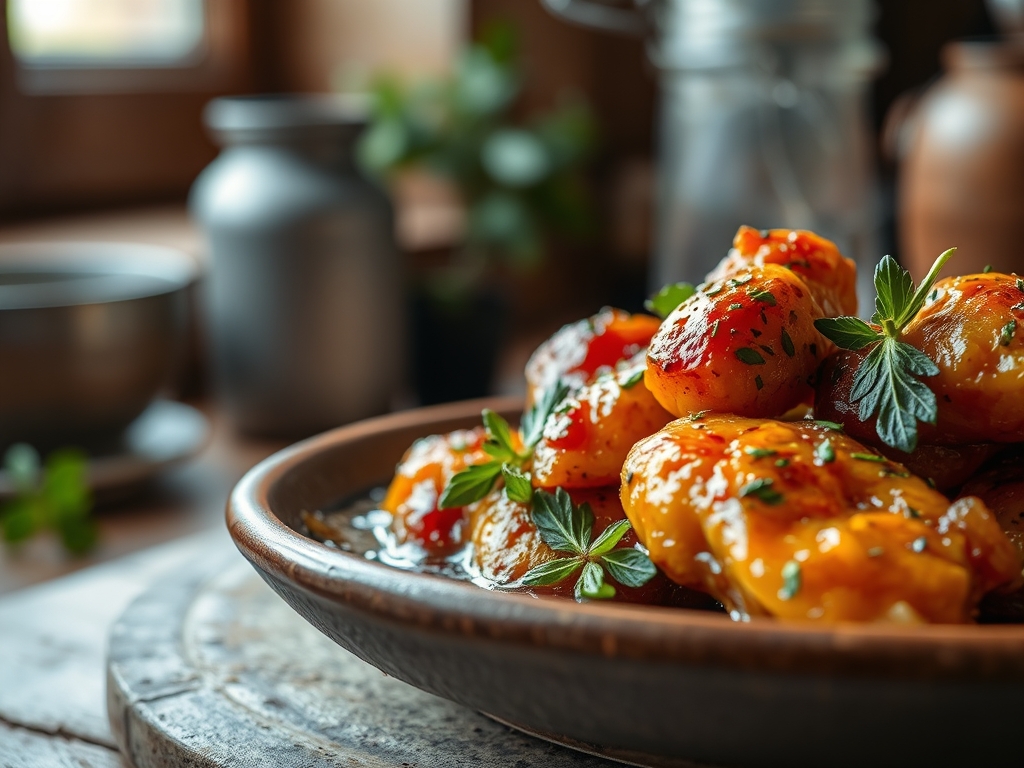
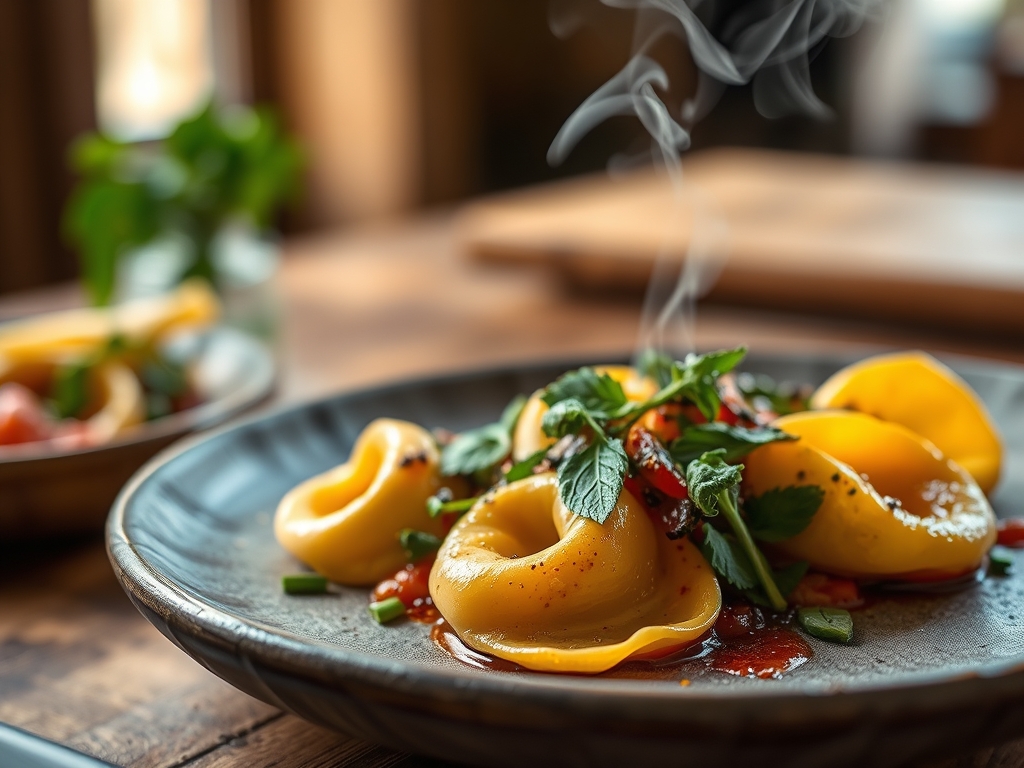
Listen closely because your standard weeknight pasta routine is about to undergo a high-stakes structural overhaul. We are moving beyond the realm of soggy noodles and bland dairy. We are entering the world of Spicy Tortellini; a dish where the pasta envelope acts as a pressurized vessel for a molten, piquant core. This is not just dinner; it is an exercise in culinary infrastructure. Imagine a fork piercing a perfectly al dente barrier, releasing a rush of viscous, heat-infused cheese that coats the palate while the sharp bite of red chili flakes and black pepper cuts through the richness. The goal here is a total sensory takeover. We want high-contrast flavors where the cooling cream meets a slow-burn finish. If you have been settling for lukewarm bowls of mediocrity, consider this your formal eviction notice from the land of the bland. We are building a flavor profile that demands respect, utilizing precise thermal control and high-quality lipids to ensure every bite is a masterclass in texture and intensity.
THE DATA MATRIX
| Metric | Specification |
|---|---|
| Prep Time | 15 Minutes |
| Execution Time | 20 Minutes |
| Yield | 4 Servings |
| Complexity (1-10) | 4 |
| Estimated Cost per Serving | $4.50 USD |
THE GATHERS
Ingredient Protocol:
- 500g / 1.1 lbs Fresh Cheese Tortellini (Refrigerated grade)
- 240ml / 1 cup Heavy Cream (Minimum 36 percent milk fat)
- 115g / 4 oz Salted Butter (High-fat European style)
- 100g / 1 cup Freshly Grated Parmesan Cheese
- 30ml / 2 tbsp Extra Virgin Olive Oil
- 4 cloves Garlic (Mashed into a fine paste)
- 10g / 2 tsp Crushed Red Pepper Flakes (Adjust for heat tolerance)
- 5g / 1 tsp Smoked Paprika (For depth and color)
- 2g / 0.5 tsp Freshly Cracked Black Pepper
- 15g / 1 bunch Fresh Italian Parsley (Finely chiffonaded)
- 5g / 1 tsp Sea Salt (For the pasta water)
Section A: Ingredient Quality Audit:
The primary failure point in Spicy Tortellini is the use of pre-shredded cheese. These products are coated in potato starch or cellulose to prevent clumping; however, these anti-caking agents will sabotage your emulsion, resulting in a grainy, broken sauce. Technical Fix: Always grate your Parmesan from a solid wedge using a microplane to ensure the proteins melt seamlessly into the cream. If your heavy cream appears thin or watery, it likely lacks the necessary fat content to withstand high heat. To fix this, render the butter slowly and whisk it into the cream to bolster the lipid structure before adding the pasta. Finally, if your red pepper flakes lack a pungent aroma, they are oxidized. Toast them in the olive oil for 60 seconds to infuse the fat and reactivate the capsaicin compounds.
THE MASTERCLASS
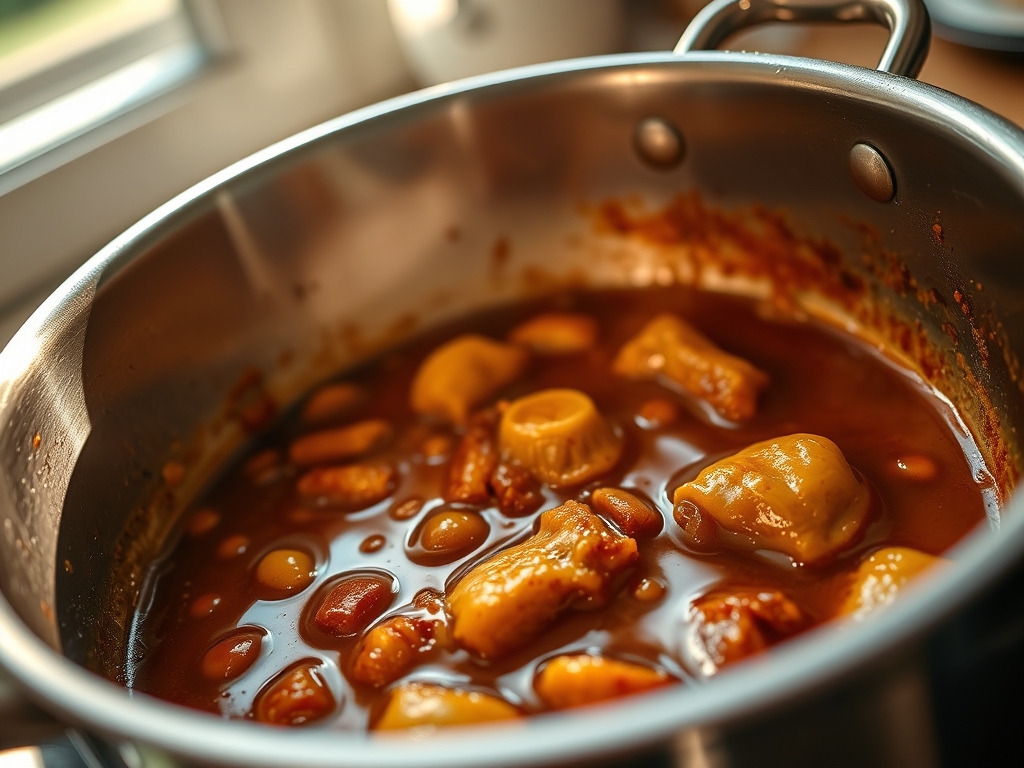
Step-by-Step Execution:
1. The Hydration Phase
Bring 4 liters of water to a rolling boil in a heavy-bottomed stockpot. Use your digital scale to measure the salt precisely. Drop the tortellini and cook for exactly one minute less than the package directions. We are looking for a firm, structural al dente state that can withstand a secondary cook in the sauce.
Pro Tip: The starch released into the water is liquid gold. The science of amylose leaching means this water is a powerful emulsifier. Save 120ml of this cloudy liquid before draining the pasta to help bind your sauce later.
2. The Aromatic Base
While the pasta boils, place a stainless steel saucier over medium-low heat. Add the olive oil and the garlic paste. Sauté until the garlic is fragrant but not browned. Add the crushed red pepper flakes and smoked paprika directly into the oil.
Pro Tip: This process is known as blooming spices. Fat is a superior carrier for flavor compared to water. By heating the spices in oil, you unlock fat-soluble volatile compounds that provide a deeper, more resonant heat throughout the Spicy Tortellini.
3. Lipid Integration
Pour the heavy cream into the saucier and add the butter. Increase the heat to medium and bring the mixture to a gentle simmer. Do not let it reach a hard boil, as this can cause the dairy proteins to denature and clump. Use a silicone whisk to aerate the mixture slightly as it thickens.
Pro Tip: Use a thermometer to keep the sauce between 165 and 175 degrees Fahrenheit. This is the sweet spot where the sauce becomes viscous enough to coat the back of a spoon without breaking the fat-to-protein bond.
4. The Emulsion Event
Add the grated Parmesan in three stages, whisking vigorously between each addition. Once the cheese is fully integrated, toss in the cooked tortellini. Add the reserved pasta water 15ml at a time while tossing the pan with a bench scraper or a wooden spoon to ensure every crevice is coated.
Pro Tip: This is where mechanical shear meets chemistry. The agitation of tossing the pasta helps the starch in the water bridge the gap between the fat in the butter and the liquid in the cream, creating a glossy, stable emulsion.
5. The Final Calibration
Remove from heat immediately. Fold in the fresh parsley and black pepper. Taste for salt balance. The Spicy Tortellini should look vibrant, with a sunset-orange hue from the paprika and red pepper oil.
Pro Tip: Residual heat will continue to thicken the sauce. If the dish looks perfect in the pan, it will be too dry on the plate. Aim for a slightly "looser" consistency than you think you need; it will tighten up within 30 seconds of plating.
Section B: Prep & Timing Fault-Lines:
The most common human error is the "Cold Cheese Collapse." Adding cold cheese to a boiling sauce causes the proteins to seize into rubbery clumps. Ensure your Parmesan is at room temperature before it hits the pan. Another timing disaster is the "Over-Boil." If the tortellini skins break during the boiling phase, the filling will leak out, turning your sauce into a grainy mess. Monitor the pasta's structural integrity constantly. If you see a single envelope burst, drain the entire batch immediately.
THE VISUAL SPECTRUM
Section C: Thermal & Visual Troubleshooting:
Referencing our Masterclass photo, your Spicy Tortellini should exhibit a "High-Gloss Finish." If your dish looks dull or matte, you have likely lost your emulsion; add a splash of hot pasta water and whisk aggressively to restore the shine. If the sauce appears pale yellow instead of the rich, fiery orange seen in the image, your spices did not bloom long enough in the oil. You can fix this by heating a small amount of oil with paprika in a separate ramekin and drizzling it over the top. Finally, if the pasta looks "shriveled," it has been overcooked and has lost its internal moisture. Next time, reduce the initial boil time by 30 seconds to maintain that plump, pressurized look.
THE DEEP DIVE
Macro Nutrition Profile:
A single serving of this Spicy Tortellini packs approximately 650 calories. It is a carbohydrate-heavy fuel source balanced by 28g of fats and 18g of protein. The high fat content provides long-term satiety, while the capsaicin in the peppers offers a minor metabolic boost.
Dietary Swaps:
For a Vegan alternative, substitute the heavy cream with full-fat cashew cream and use nutritional yeast and vegan lactic acid for the Parmesan funk. For Gluten-Free requirements, utilize a high-quality almond-flour based tortellini. Keto enthusiasts should swap the pasta for roasted cauliflower florets while maintaining the spicy cream base.
Meal Prep & Reheating Science:
To maintain molecular structure when reheating, avoid the microwave. The uneven electromagnetic waves will cause the fat to separate from the cream, leaving you with an oily mess. Instead, reheat in a small skillet over low heat, adding 15ml of water or milk to re-hydrate the starch bonds and restore the creamy texture.
THE KITCHEN TABLE
Why is my sauce separating into oil and solids?
Your heat was too high or you lacked enough starch water. The emulsion broke because the proteins seized. Whisk in a tablespoon of warm cream off the heat to bring it back together.
Can I use dried parsley instead of fresh?
Negative. Dried parsley tastes like mown grass and lacks the bright, enzymatic lift needed to cut through the heavy lipids of the Spicy Tortellini. Stick to fresh Italian flat-leaf for the best results.
How do I make it even spicier without ruining the flavor?
Incorporate a teaspoon of Calabrian chili paste during the aromatic phase. It adds a fermented, acidic heat that complements the dairy much better than just adding more dry pepper flakes.
What is the best way to store leftovers?
Place in an airtight glass container immediately after cooling. The glass prevents the fats from absorbing plastic odors. Consume within 48 hours to ensure the pasta envelopes do not become overly mushy.