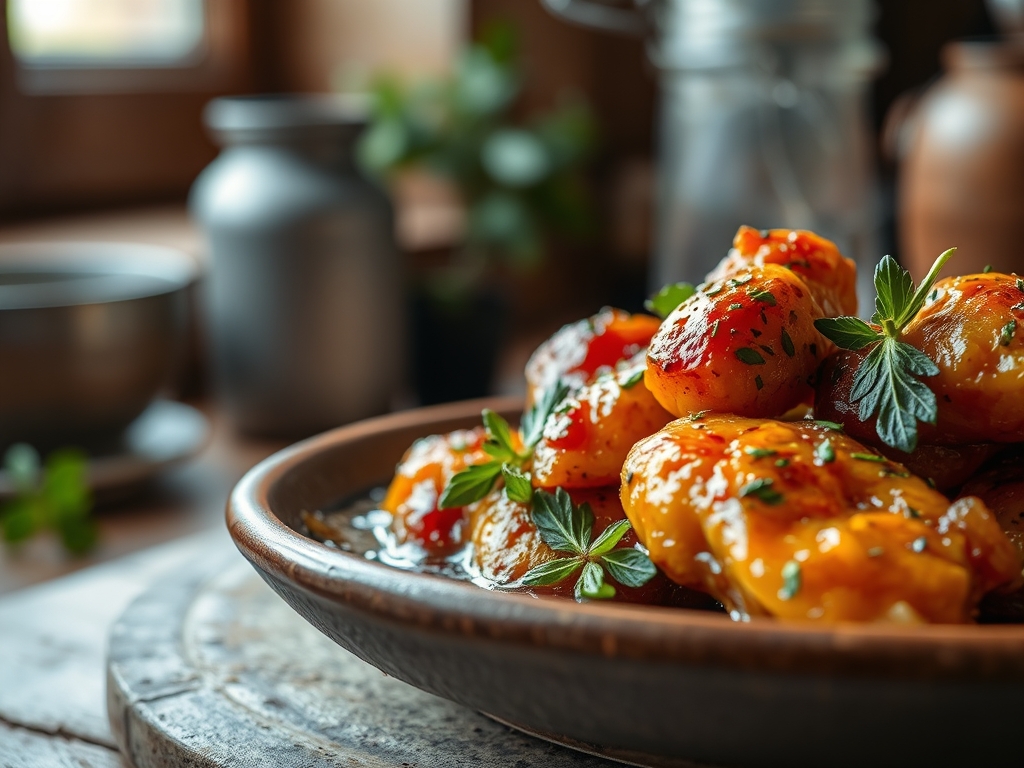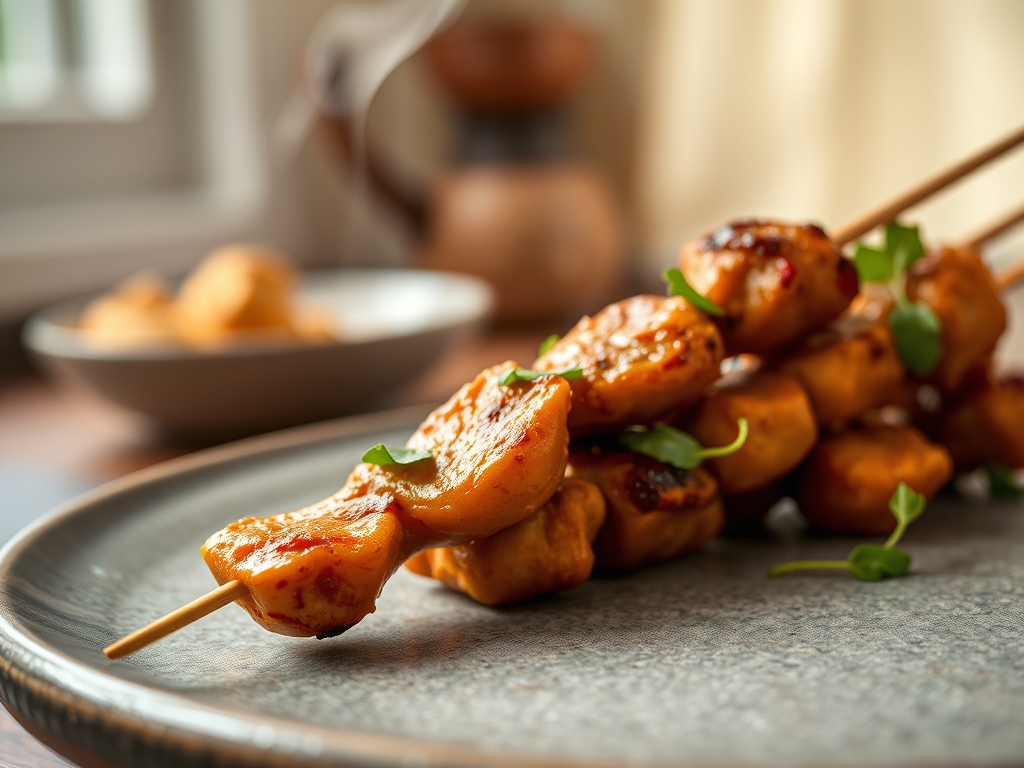
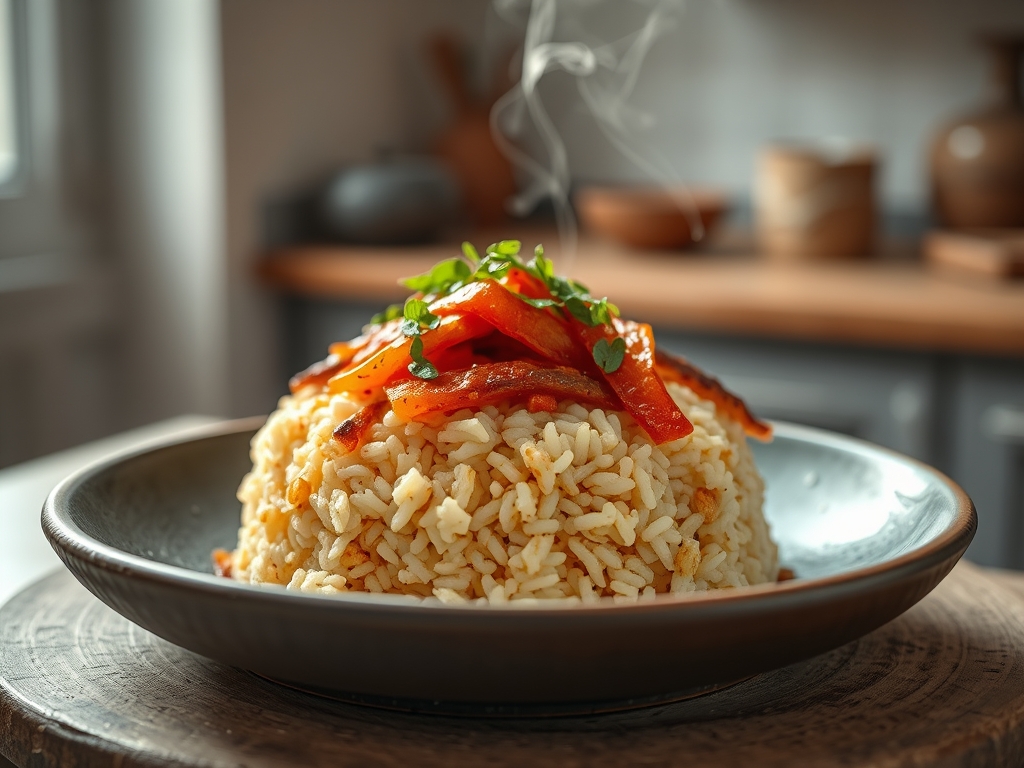
Stop scrolling and drop the takeout menu because we are about to re-engineer your kitchen into a high-output flavor laboratory. The Spicy Rice Bowl is not merely a meal; it is a structural masterpiece of starch suspension and lipid-emulsified heat. We are talking about a visceral collision of textures where the short-grain rice acts as a structural foundation for a piquant architectural build of protein and fermented funk. Imagine the sound of a carbon steel wok screaming at five hundred degrees as it initiates the Maillard reaction on marinated pork or tofu. The air becomes thick with the scent of toasted sesame oil and the sharp, nasal-clearing sting of capsicum. This is culinary infrastructure at its finest. We are not just tossing ingredients into a bowl; we are managing moisture migration and heat transfer to ensure every grain of rice remains distinct yet coated in a viscous, velvet-red glaze. If your previous attempts at home-cooked bowls resulted in a soggy, muted mess, consider this your official audit. We are here to fix the system.
THE DATA MATRIX
| Metric | Specification |
|---|---|
| Prep Time | 25 Minutes |
| Execution Time | 15 Minutes |
| Yield | 4 Standard Servings |
| Complexity (1-10) | 6 (Technical Heat Management) |
| Estimated Cost per Serving | $3.45 USD |
THE GATHERS
Ingredient Protocol:
- Base: 600g / 3 cups cooked Short-Grain Calrose Rice (chilled).
- Protein: 450g / 1 lb Pork Belly or Firm Tofu (cubed 1cm).
- Aromatics: 30g / 2 tbsp Fresh Ginger (minced); 40g / 4 cloves Garlic (microplaned).
- The Glaze: 60ml / 0.25 cup Gochujang; 15ml / 1 tbsp Soy Sauce; 10ml / 2 tsp Toasted Sesame Oil.
- Acid/Sugar: 15ml / 1 tbsp Rice Vinegar; 12g / 1 tbsp Brown Sugar.
- Vegetable Matrix: 100g / 1 cup Shredded Carrots; 150g / 1.5 cups Baby Spinach; 50g / 0.5 cup Scallions (bias-cut).
- Garnish: 5g / 1 tsp Toasted Sesame Seeds; 1 Fried Egg (optional).
Section A: Ingredient Quality Audit:
The most common failure point in a Spicy Rice Bowl is the rice moisture content. If your rice is mushy, you likely over-hydrated the grain during the initial boil. To fix this, spread the rice on a sheet pan and place it under a fan for twenty minutes to dehydrate the surface. If your Gochujang is too thick to pour, do not just dump it in the pan; it will scorch. Instead, whisk it with rice vinegar to lower the viscosity before it hits the heat. Finally, if your ginger is fibrous and woody, use a microplane to create a paste rather than mincing it; this ensures the flavor can infuse the oil without leaving behind unpleasant woody shards.
THE MASTERCLASS
Step 1: The Protein Render
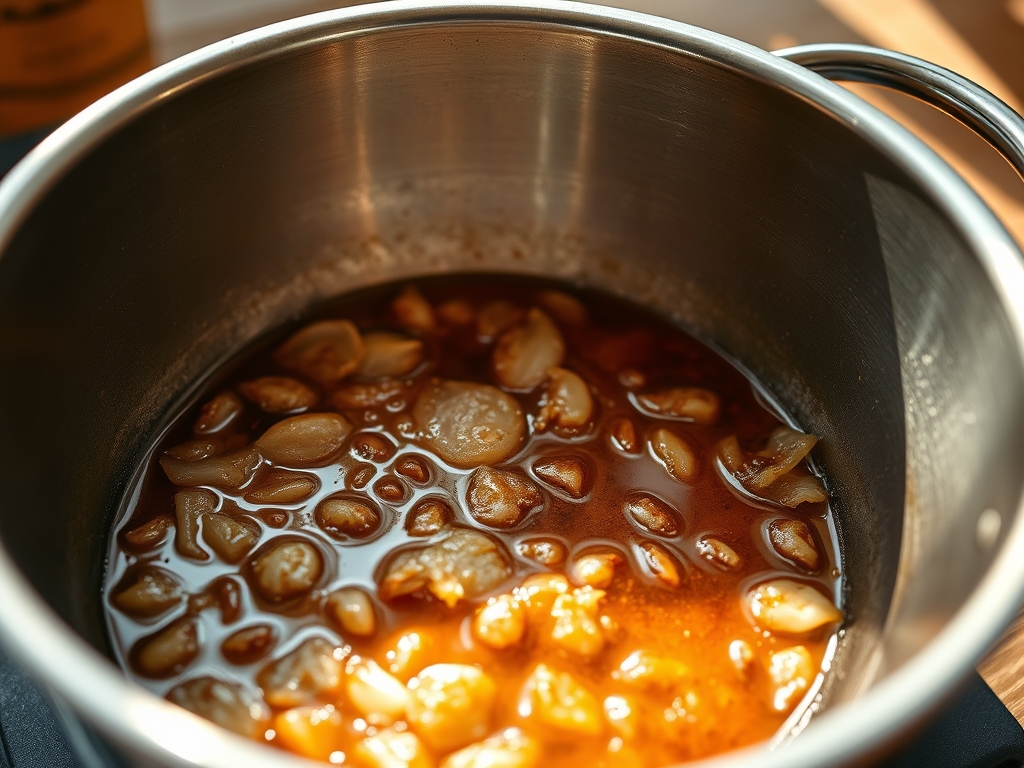
Place your protein of choice into a cold heavy-bottomed saucier or wok. Gradually increase the heat to medium-high to render the intramuscular fat. Do not crowd the pan. Use a bench scraper to keep the surface clear of any sticking bits that could burn before the fat is fully liquefied.
Pro Tip: Starting with a cold pan for fatty proteins like pork belly allows the fat to melt before the exterior sears. This creates a self-basting environment that prevents the meat from becoming tough while maximizing the Maillard reaction.
Step 2: Aromatic Infusion
Once the protein is golden and crisp, push it to the perimeter of the pan. Add your garlic, ginger, and the white parts of the scallions into the center. Use a digital scale to ensure your ratios are exact; too much ginger will overpower the delicate sweetness of the rice. Stir constantly for forty-five seconds until the scent is pervasive.
Pro Tip: Aromatics contain volatile oils that are fat-soluble. By frying them briefly in the rendered protein fat, you infuse the entire lipid base of the dish with flavor before the liquid components are added.
Step 3: The Glaze Emulsification
Pour your pre-mixed Gochujang glaze into the center of the pan. It will bubble aggressively as the sugars begin to caramelize. Use a silicone spatula to deglaze the bottom of the pan, scraping up all the fond (the brown bits). Toss the protein back into the center to coat every millimeter in the red slurry.
Pro Tip: This is the "Starch Suspension" phase. The sugars and starches in the Gochujang act as emulsifiers, binding the fat from the protein to the liquid vinegar, creating a viscous sauce that clings to the ingredients rather than pooling at the bottom of the bowl.
Step 4: The Vegetable Flash
Add the carrots and spinach. You only want to aerate and wilt these, not turn them into a grey sludge. Use high heat and a tossing motion for no more than sixty seconds. The spinach should be bright green and the carrots should still retain a structural "snap."
Pro Tip: Flash-cooking vegetables preserves the cellular integrity and the vibrant chlorophyll. Overcooking leads to water release, which will dilute your sauce and ruin the concentrated flavor profile of the Spicy Rice Bowl.
Step 5: The Assembly
Place a generous mound of rice into a deep ceramic bowl. Use a wide spoon to create a slight well in the center. Top with the spicy protein and vegetable mixture. If using a fried egg, ensure the yolk is runny to provide a secondary, rich sauce upon breaking.
Pro Tip: Use a digital thermometer to ensure the rice is at least 165 degrees Fahrenheit before serving. Temperature contrast between the hot topping and lukewarm rice is a common amateur error that kills the sensory experience.
Section B: Prep & Timing Fault-Lines:
Timing is the silent killer of the Spicy Rice Bowl. If you chop your vegetables while the meat is already searing, you will overcook the protein. This is a "mise en place" mandatory dish. Everything must be measured and cut before the heat is turned on. Another fault-line is the "Cold Rice Syndrome." If you are using day-old rice, you must re-hydrate it slightly in the microwave with a damp paper towel before assembly. Cold, hard rice will not absorb the sauce; it will simply sit there like gravel.
THE VISUAL SPECTRUM
Section C: Thermal & Visual Troubleshooting:
Referencing the Masterclass photo, your goal is a high-contrast color palette. If your dish looks dull or brownish-red rather than vibrant crimson, your heat was likely too low, causing the Gochujang to oxidize rather than caramelize. If the spinach looks black, it was added too early. The visual cue for a perfect Spicy Rice Bowl is the "Glisten Factor." The sauce should have a reflective sheen, indicating a perfect emulsion of oil and sugar. If it looks matte or dry, add a teaspoon of hot water and a dash of sesame oil at the very end to restore the gloss.
THE DEEP DIVE
Macro Nutrition Profile:
A standard serving provides approximately 550 calories, 22g of protein, 75g of carbohydrates, and 18g of fat. The high capsaicin content in the Gochujang can provide a slight metabolic boost, while the fermented paste offers gut-health benefits.
Dietary Swaps:
- Vegan: Substitute pork with extra-firm pressed tofu or tempeh. Ensure your Gochujang brand does not contain shrimp paste.
- Keto: Replace the short-grain rice with riced cauliflower. Reduce the brown sugar in the glaze or use a monk fruit sweetener.
- GF: Ensure you are using Tamari instead of standard soy sauce, as many commercial soy sauces contain wheat.
Meal Prep & Reheating Science:
To maintain molecular structure during reheating, store the rice and the spicy topping in separate airtight containers. When reheating, add a tablespoon of water to the rice to create steam. This prevents the starch from undergoing retrogradation (turning hard and gritty). Reheat the protein separately in a pan to maintain the crisp edges.
THE KITCHEN TABLE
Why is my rice always sticky and clumped together?
You likely skipped the rinsing phase. Always wash your rice under cold water until it runs clear to remove excess surface starch. This ensures each grain remains an individual unit rather than a gummy mass.
Can I use Sriracha instead of Gochujang?
No. Sriracha is vinegar-forward and thin; Gochujang is a fermented soybean paste that provides body and depth. Substituting will result in a watery, overly acidic bowl that lacks the necessary structural viscosity.
How do I get the "crispy" rice texture?
After the rice is cooked, press it into a hot, oiled cast-iron skillet for three minutes without stirring. This creates a "socarrat" or scorched bottom layer that adds an incredible crunch to your Spicy Rice Bowl.
My sauce is too spicy to eat; how do I save it?
Do not add water. Add a fat or an acid. A drizzle of extra sesame oil or a squeeze of lime juice will help neutralize the capsaicin receptors on your tongue without thinning out the sauce's texture.