Forget the watery, saccharine slurries found in local diners. We are here to engineer a masterpiece of thermal dynamics and capsaicin delivery. When we talk about Spicy Pumpkin Soup, we are discussing a delicate equilibrium between the earthy, dense sugars of the Cucurbita family and the volatile oils of high-heat aromatics. Most home cooks treat this as a simple simmer; they are wrong. This is an exercise in Maillard-driven depth and lipid-based flavor transport. We want a bowl that glows with the intensity of a dying star and carries enough heat to stimulate the trigeminal nerve without obliterating the palate. The goal is a texture so viscous it coats the back of a spoon like velvet, yet remains light enough to aerate upon the tongue. We are auditing your kitchen infrastructure today to ensure every molecule of squash is optimized for maximum impact. Prepare your station; we are moving from amateur assembly to professional-grade culinary architecture.
THE DATA MATRIX
| Metric | Specification |
|---|---|
| Prep Time | 25 mins |
| Execution Time | 45 mins |
| Yield | 1.5 Liters (4-6 Servings) |
| Complexity | 6.5 / 10 |
| Estimated Cost per Serving | $2.15 USD |
THE GATHERS
Ingredient Protocol:
- 900g / 2 lbs Sugar Pumpkin (peeled, seeded, and cubed)
- 475ml / 2 cups Vegetable or Chicken Bone Broth
- 400ml / 13.5 oz Full-fat Coconut Milk
- 150g / 1 large Yellow Onion (finely diced)
- 30g / 2 tbsp Fresh Ginger (microplaned)
- 15g / 3 cloves Garlic (minced)
- 10g / 2 tsp Thai Red Curry Paste (or 1 tsp Cayenne)
- 15ml / 1 tbsp Maple Syrup (Grade A Dark)
- 30ml / 2 tbsp Neutral Oil (Avocado or Grapeseed)
- 5g / 1 tsp Toasted Cumin
- 2.5g / 0.5 tsp Sea Salt (adjust to taste)
- 1 Lime (juiced for acidity)
Section A: Ingredient Quality Audit:
If your pumpkin feels light or sounds hollow, it lacks the starch density required for a thick puree. Fix: Roast the cubes at 200C / 400F for 15 minutes before simmering to render excess water and concentrate sugars. If your spices are over six months old, they have lost their essential oils. Fix: "Bloom" them in hot oil for 60 seconds to reactivate the aromatic compounds. If using canned pumpkin, ensure it is not "Pie Filling," which contains stabilizers that ruin the mouthfeel.
THE MASTERCLASS
1. Aromatizing the Foundation
Begin by heating your saucier over medium heat. Add the neutral oil and the diced onions. Sauté until translucent, then add the ginger, garlic, and curry paste. Use a bench scraper to move your prep from the board to the pan efficiently.
Pro Tip: This is the "blooming" phase. The fat-soluble capsaicin in the curry paste requires a lipid medium to fully infuse the base. Skipping this step results in a "flat" heat that bites the throat rather than warming the chest.
2. The Maillard Interaction
Increase the heat slightly and add the pumpkin cubes. Stir constantly for 5 to 7 minutes. You are looking for slight browning on the edges of the squash.
Pro Tip: This browning is the Maillard reaction, creating complex melanoidins that provide a nutty undertone. Use a high-heat silicone spatula to scrape the bottom of the pan; if bits stick, deglaze with a splash of broth immediately to recover those flavor molecules.
3. Liquid Integration and Reduction
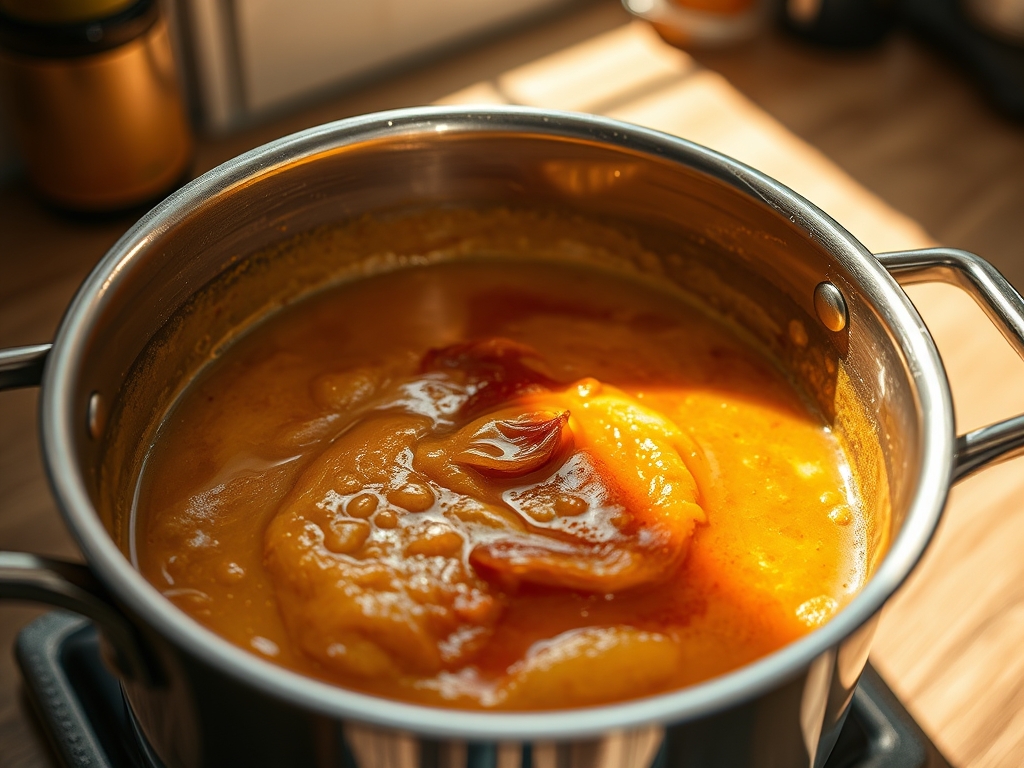
Pour in the broth and maple syrup. Bring the mixture to a boil, then reduce to a simmer. Cover the pot and let the pumpkin soften for approximately 20 minutes. Use a digital scale to measure your liquid exactly; too much broth will destroy the soup's integrity.
Pro Tip: Simmering breaks down the hemicellulose in the pumpkin cell walls. If you boil too vigorously, you risk "breaking" the pectin, leading to a grainy texture rather than a smooth one.
4. Emulsification and Aeration
Once the pumpkin is fork-tender, remove from heat. Use a high-speed immersion blender to process the mixture. While blending, slowly stream in the coconut milk to create a stable emulsion.
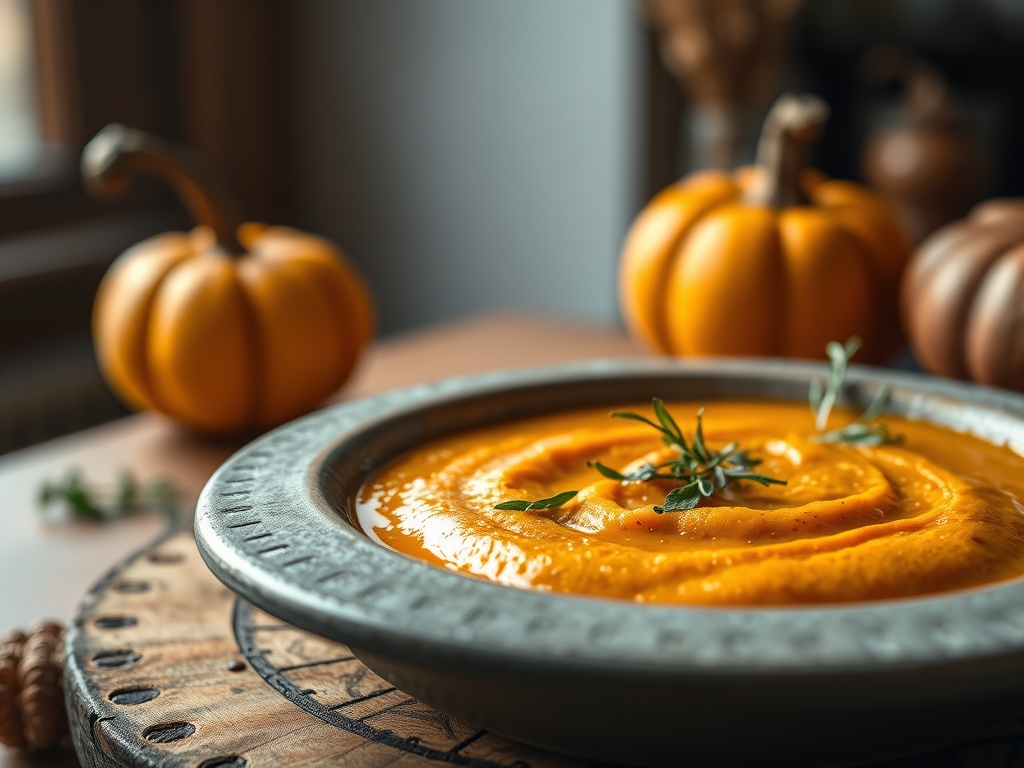
Pro Tip: To achieve the professional "sheen" seen in the photo, you must aerate the liquid. Tilt the blender slightly to incorporate air, which lightens the color and creates a more luxurious mouthfeel.
5. The Acidic Calibration
Stir in the lime juice and salt. Taste the profile. The acidity of the lime acts as a chemical "brightener," cutting through the heavy fats of the coconut milk and the density of the starch.
Pro Tip: Salt does not just add saltiness; it suppresses bitterness. If the pumpkin tastes too "earthy," add a pinch more salt before adding more sugar.
Section B: Prep & Timing Fault-Lines:
The most common failure is the "rushed simmer." If the pumpkin is not fully softened, the blender will produce a gritty "sandstone" texture. If your timing is off and the soup reduces too much, it becomes a mash. Fix: Keep a kettle of hot water nearby to thin the consistency without dropping the temperature.
THE VISUAL SPECTRUM
Section C: Thermal & Visual Troubleshooting:
Look at the Masterclass photo. Notice the deep, burnt-orange hue and the lack of visible oil droplets on the surface. If your soup looks pale or yellow, your pumpkin was under-ripe or you skipped the roasting/sautéing phase. If you see oil "slicking" on top, the emulsification has failed. Fix: Return the soup to the blender and add a teaspoon of soy lecithin or a tablespoon of cold butter while processing at high speed. Dull color can be fixed with a pinch of turmeric, but use it sparingly to avoid an "electric" neon tint.
THE DEEP DIVE
Macro Nutrition Profile:
A standard 350ml serving provides approximately 280 calories. The primary drivers are healthy fats from coconut milk (18g) and complex carbohydrates from the pumpkin (22g). It is a high-fiber powerhouse, offering 6g of dietary fiber per bowl, which aids in slowing the glucose response.
Dietary Swaps:
- Vegan: This recipe is natively vegan.
- Keto: Replace the pumpkin with roasted cauliflower and a dash of pumpkin extract; omit the maple syrup.
- GF: Naturally gluten-free, but ensure your broth concentrate is certified.
Meal Prep & Reheating Science:
Pumpkin soup is starch-heavy. As it cools, the starches undergo retrogradation, causing the soup to thicken into a gel. When reheating, do not use a microwave on high power, as this creates "hot spots" that break the coconut milk emulsion. Reheat on a stovetop over low heat, whisking constantly to re-incorporate the fats and liquids.
THE KITCHEN TABLE
Why is my soup bitter?
You likely scorched the garlic or the curry paste. Over-toasting aromatics creates carbonized compounds that taste acrid. To fix this, add a tiny pinch of baking soda to neutralize the acidity or more maple syrup to mask the bitterness.
Can I use a standard blender?
Yes, but be cautious. Hot liquids expand and release steam. Only fill the blender halfway and hold the lid down with a heavy towel. For the best viscous results, a high-decibel professional blender is superior to an immersion wand.
How do I make it spicier?
Increase the Thai curry paste or add fresh bird's eye chilies during the onion sauté. For a "cleaner" heat, add a few drops of capsaicin extract or habanero hot sauce at the very end of the cooking process.
Why is the texture grainy?
This happens if the pumpkin is undercooked or if you used a low-quality canned puree with additives. To salvage a grainy soup, pass the entire mixture through a chinois or a fine-mesh sieve to remove the larger cellular debris.