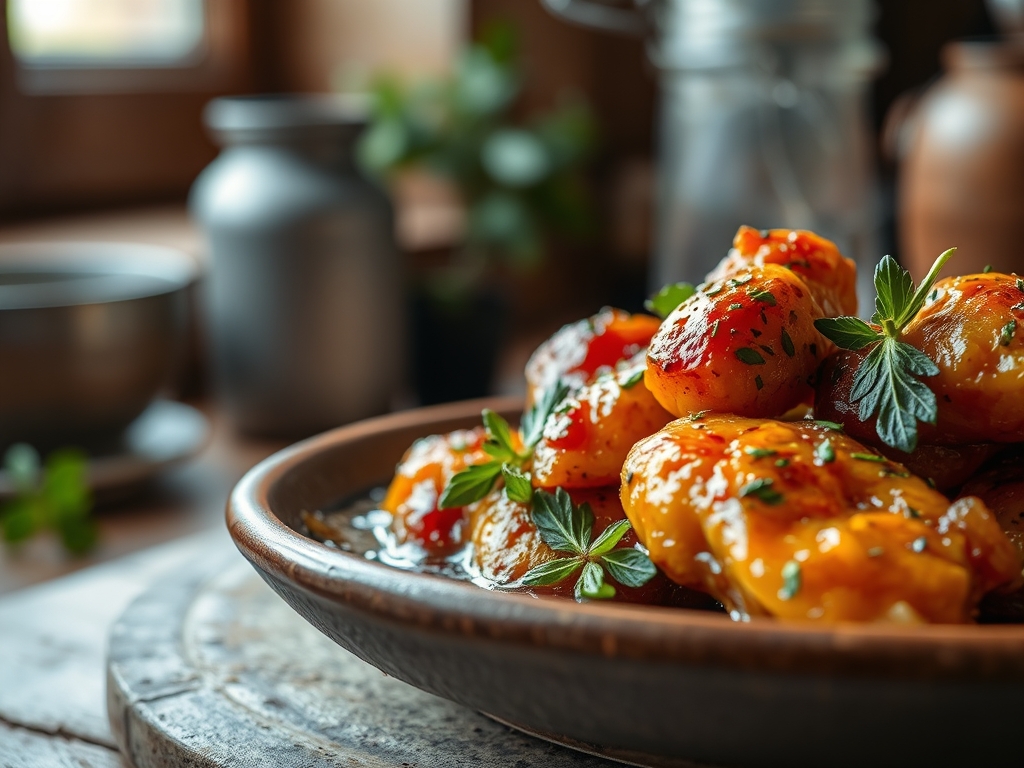
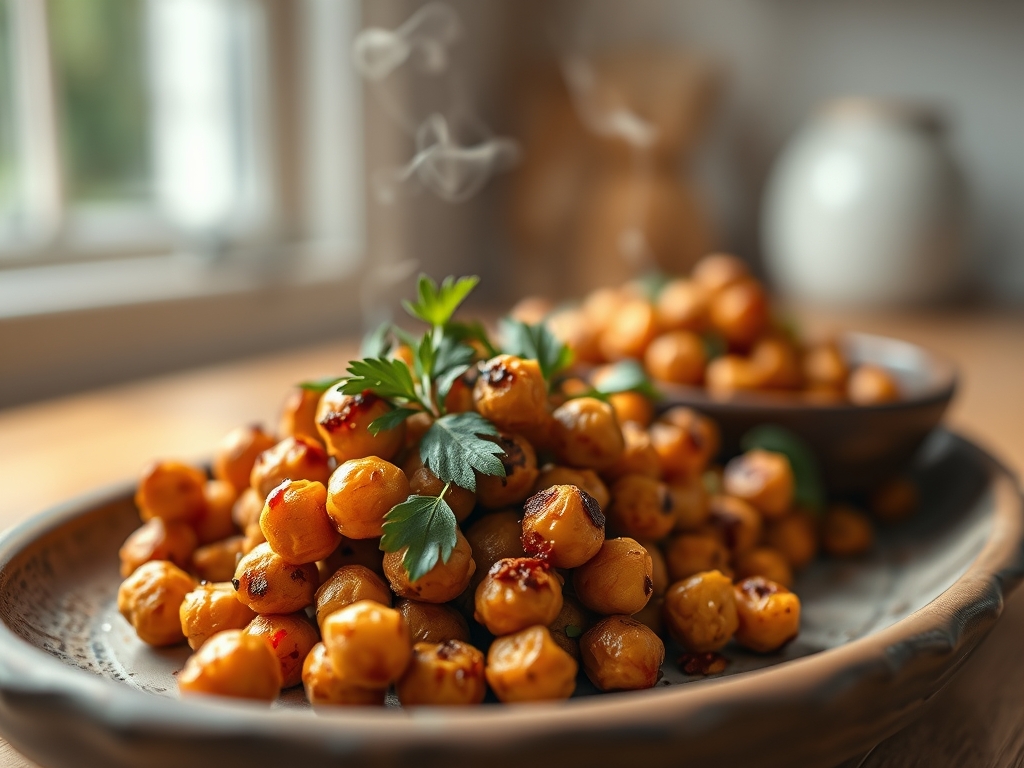
Listen to that sound. It is the rhythmic, percussive rattle of perfection hitting a ceramic bowl. We are not discussing the sad, mushy legumes found in a lukewarm cafeteria salad. We are conducting a high-stakes audit of the Spicy Roasted Chickpeas; a snack that requires the structural integrity of a diamond and the heat profile of a solar flare. If your previous attempts have resulted in a texture resembling wet cardboard, your protocol is flawed. We are here to rectify those systemic failures. We are hunting for that elusive, shattered-glass crunch that only occurs when moisture is violently evicted from the cellular structure of the garbanzo bean. This is a culinary intervention designed to transform a humble pantry staple into a piquant powerhouse of plant-based protein. Prepare your workstation for a rigorous assessment of heat transfer, surface area optimization, and spice adhesion. We are moving beyond basic cooking; we are engaging in a thermal transformation that demands precision, speed, and a total refusal to accept mediocrity.
THE DATA MATRIX
| Metric | Specification |
|---|---|
| Prep Time | 10 Minutes |
| Execution Time | 35 to 45 Minutes |
| Yield | 4 Servings |
| Complexity (1-10) | 3 |
| Estimated Cost per Serving | $0.85 USD |
THE GATHERS
Ingredient Protocol:
- Legume Base: 850g / 2 cans (15 oz each) Chickpeas (Garbanzo Beans), thoroughly rinsed.
- Lipid Carrier: 30ml / 2 tbsp Extra Virgin Olive Oil or Avocado Oil.
- Saline Component: 5ml / 1 tsp Fine Sea Salt.
- The Heat Matrix: 5ml / 1 tsp Smoked Paprika, 2.5ml / 0.5 tsp Cayenne Pepper, 2.5ml / 0.5 tsp Garlic Powder.
- Aromatic Finish: 1.25ml / 0.25 tsp Cumin, 1.25ml / 0.25 tsp Ground Black Pepper.
Section A: Ingredient Quality Audit:
The primary failure point in most Spicy Roasted Chickpeas is the moisture content of the raw material. If using canned legumes, the aquafaba (the viscous canning liquid) acts as a barrier to crisping. You must rinse until the water runs clear. If your chickpeas feel "slimy," the starch has begun to retrograde; use a bench scraper to move them onto a lint-free towel and rub vigorously. Furthermore, check the age of your spices. If your paprika smells like dust rather than smoke, the volatile oils have evaporated. Replace them. For those using dried beans, ensure a full 12-hour soak followed by a simmer in alkaline water (add a pinch of baking soda) to weaken the pectin in the skins, allowing for better heat penetration later.
THE MASTERCLASS
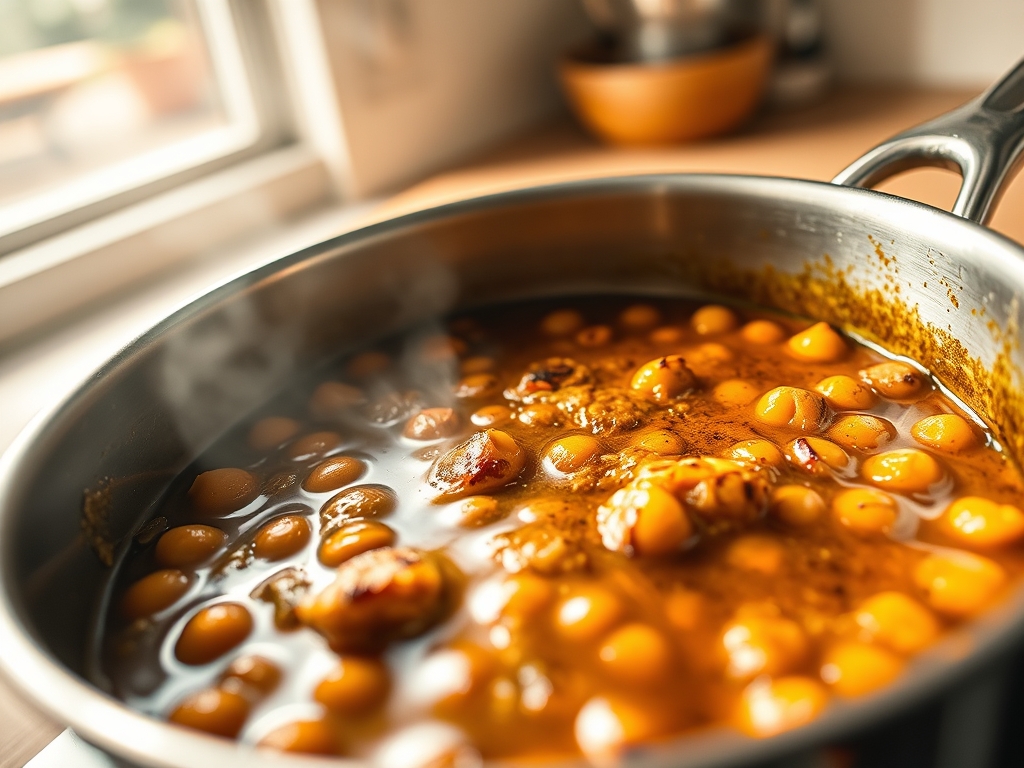
Step 1: The Dehydration Phase
Preheat your convection oven to 200C / 400F. Spread the rinsed chickpeas across a heavy-duty half-sheet pan. Use a clean kitchen towel to roll them around, removing every trace of surface water. Any remaining moisture will create steam, which is the mortal enemy of the crunch.
Pro Tip: Use your digital scale to ensure even distribution. The science of evaporation dictates that surface area is king; if the chickpeas are crowded, they will merely poach in their own vapors rather than roasting.
Step 2: The Initial Thermal Blast
Slide the naked chickpeas into the oven for 15 minutes without any oil or seasoning. This "dry roast" phase forces internal moisture to migrate to the surface and evaporate before the lipids seal the exterior.
Pro Tip: A bench scraper is the ideal tool here to periodically agitate the legumes, ensuring the underside of each bean makes contact with the hot metal of the pan.
Step 3: The Lipid and Spice Infusion
Remove the pan. Transfer the hot chickpeas into a stainless steel saucier or mixing bowl. Drizzle with the oil and toss with the salt and spices. The heat of the beans will bloom the spices, allowing the oils to infuse with the piquant aromatics.
Pro Tip: Do not add spices at the beginning of the roast. High-heat exposure for 40 minutes will burn the delicate compounds in the garlic and paprika, resulting in a bitter, acrid aftertaste.
Step 4: The Final Cauterization
Return the seasoned chickpeas to the pan in a single layer. Roast for another 15 to 20 minutes. You are looking for a deep mahogany hue and a sound that resembles rolling marbles when the pan is shaken.
Pro Tip: Use an infrared thermometer to verify the pan surface temperature. Consistent heat ensures the Maillard reaction occurs uniformly across the entire batch.
Section B: Prep & Timing Fault-Lines:
The most common human error is the "Premature Extraction." If the chickpeas are soft in the center, you have failed to reach the target moisture threshold. If the oven temperature fluctuates, the exterior will char while the interior remains viscous. Ensure your oven is calibrated. If you find the spices are clumping, you likely failed Step 1; moisture on the skin causes the spice matrix to aggregate into paste rather than a fine, even coating.
THE VISUAL SPECTRUM
Section C: Thermal & Visual Troubleshooting:
Referencing the Masterclass photo, observe the "blistered" appearance of the skins. This indicates the cellular walls have fractured under steam pressure, creating a light, airy texture. If your chickpeas look dull and matte, you likely skimped on the oil or the heat was too low. If they appear black rather than deep red, your sugar-heavy spices (like garlic powder) were added too early. The ideal visual cue is a slight "shrivel" in the bean's diameter; this signifies that the water mass has been replaced by air pockets, guaranteeing a structural snap upon mastication.
THE DEEP DIVE
Macro Nutrition Profile:
One serving (approximately 60g) provides 140 calories, 6g of fiber, and 7g of plant-based protein. The low glycemic index makes this an elite fuel source for sustained cognitive performance.
Dietary Swaps:
- Vegan: Naturally compliant.
- Keto: Legumes are generally avoided on strict Keto; however, a smaller 30g portion can fit into some "Dirty Keto" macros due to high fiber content.
- GF: Ensure your spices are certified gluten-free to avoid cross-contamination from anti-caking agents.
Meal Prep & Reheating Science:
To maintain molecular structure, do not store in plastic containers while warm. This traps residual steam and will turn your crunchy masterpiece into mush within minutes. Store in a glass jar with a desiccant pack if possible. To revive, a 3-minute blast in an air fryer at 180C will aerate the structure and restore the crunch.
THE KITCHEN TABLE
Why are my chickpeas still chewy after 40 minutes?
Residual moisture is the culprit. You likely skipped the dry-roasting phase or crowded the pan. Ensure they are bone-dry before the oil hits the skin. Airflow is mandatory for the dehydration process.
Can I use an air fryer for this protocol?
Yes. Reduce the temperature to 190C and shake the basket every 5 minutes. The high-velocity air in an air fryer excels at moisture removal, often cutting your execution time by 30 percent.
Why did my spices burn and taste bitter?
Spices were applied too early. The delicate oils in paprika and garlic cannot withstand 400F for long durations. Always apply seasonings during the final 15 minutes of the roasting cycle.
How do I get the spices to actually stick?
The oil acts as a molecular glue. By tossing the chickpeas in a separate bowl with oil and spices while they are hot, you create a thin, even emulsion that adheres to the textured surface.