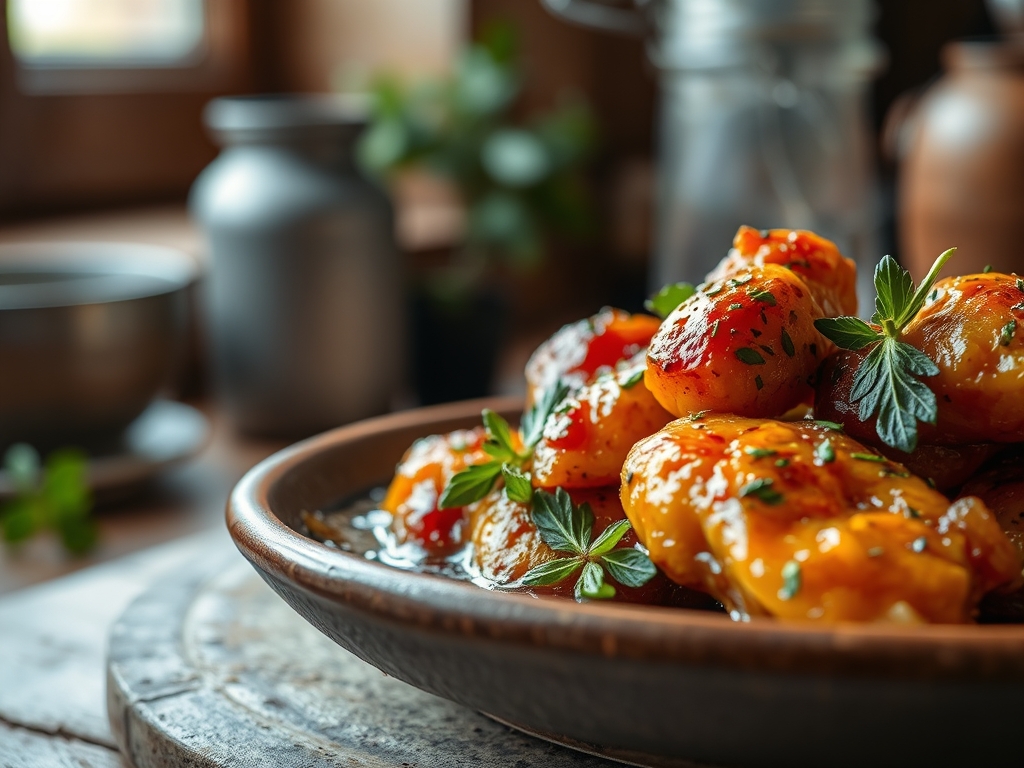
Stop treating your food processor like a garbage disposal and start treating it like a high-performance centrifuge. We are not here to produce a gritty, beige sludge that tastes like a missed opportunity. We are here to conduct a rigorous Spicy Hummus Audit. The goal is a texture so silken it defies the laws of physics; a viscous, aerated cloud of legume protein infused with a piquant heat that lingers just long enough to demand another bite. This is about the molecular marriage of chickpea starches and the hydrophobic nature of sesame fats. If your current hummus has the structural integrity of wet sand, you have failed the audit. We are looking for a glossy sheen, a vibrant hue, and a flavor profile that balances the earthy depth of toasted tahini with the sharp, acidic bite of lemon and the slow-burn radiation of capsaicin. Prepare your station. We are moving from amateur snacking to professional culinary infrastructure.
THE DATA MATRIX
| Metric | Specification |
|---|---|
| Prep Time | 20 Minutes (Excluding Soak) |
| Execution Time | 15 Minutes |
| Yield | 750ml / 3 Cups |
| Complexity (1-10) | 4 |
| Estimated Cost per Serving | $0.85 USD |
THE GATHERS
Ingredient Protocol:
- 500g / 2 cups Dried Chickpeas (Heirloom preferred)
- 240ml / 1 cup Premium Tahini (Stone-ground)
- 120ml / 0.5 cup Fresh Lemon Juice (Filtered)
- 4 Large Garlic Cloves (Microplaned)
- 15g / 1 tbsp Aleppo Pepper or Chili Flakes
- 10g / 2 tsp Sea Salt
- 5g / 1 tsp Baking Soda (For pH adjustment)
- 100ml / 0.4 cup Ice-Cold Water (For aeration)
- 60ml / 0.25 cup Extra Virgin Olive Oil (Cold-pressed)
Section A: Ingredient Quality Audit:
The primary failure point in most hummus iterations is the chickpea skin. If your legumes are old, they will remain stubborn and fibrous. Technical fix: Add baking soda to the soaking and boiling water. This raises the pH level, breaking down the hemicellulose in the skins and allowing them to disintegrate into the puree. Secondly, check your tahini. If it has separated into a concrete block at the bottom of the jar, you must emulsify it back to a fluid state before measuring. Sub-par tahini tastes like bitter cardboard; source a brand that uses Ethiopian Nigra seeds for a buttery, nutty finish. Finally, if your lemon juice is bottled, discard it immediately. The oxidation in bottled juice creates a metallic aftertaste that ruins the delicate balance of the Spicy Hummus Audit.
THE MASTERCLASS
1. The Alkaline Boil
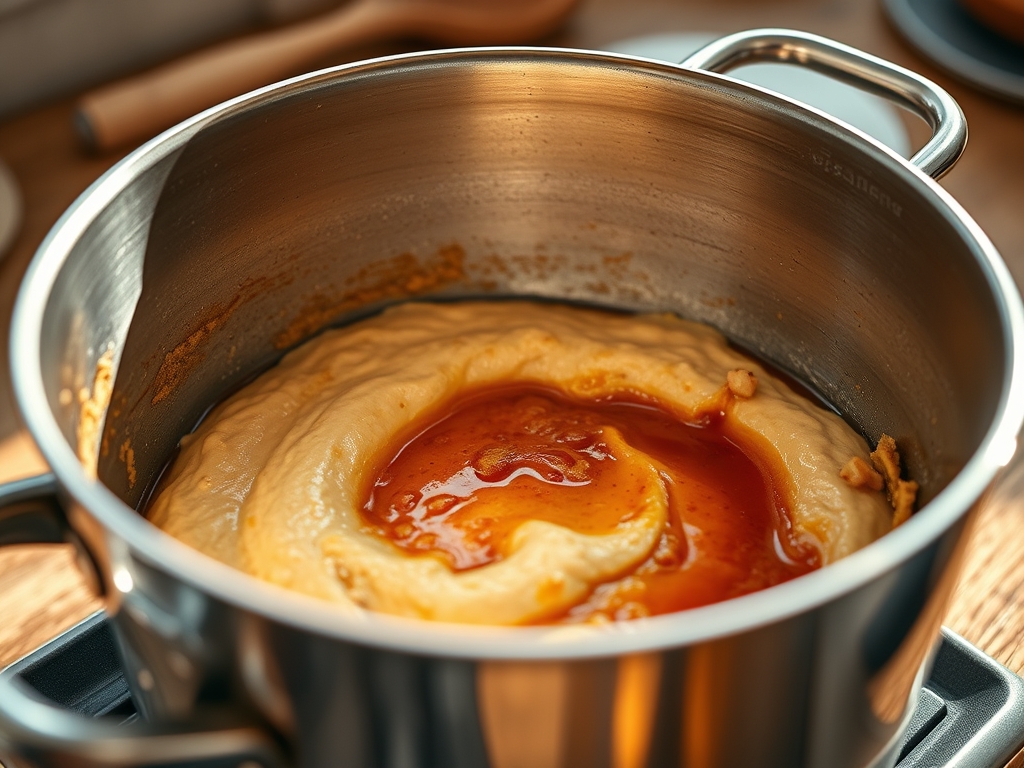
Place your soaked chickpeas in a heavy-bottomed saucier or stockpot. Cover with water and add the baking soda. Boil until the chickpeas are practically falling apart; they should be softer than you think is reasonable. Pro Tip: Over-cooking the chickpeas is the secret to a viscous texture. The starches must be fully gelatinized to create a smooth suspension. Use a bench scraper to clear any stray skins from your workspace during the process.
2. The Garlic-Lemon Infusion
While the chickpeas boil, combine the lemon juice and microplaned garlic in a small bowl. Let this sit for ten minutes. Pro Tip: This is a chemical "cook" for the garlic. The acidity of the lemon juice neutralizes the enzyme alliinase, which is responsible for the harsh, pungent bite of raw garlic. This ensures a mellow, integrated flavor rather than a sharp, aggressive one.
3. The Tahini Aeration
Drain the chickpeas. In a high-speed food processor, combine the tahini and the garlic-lemon mixture. Process until the mixture turns pale and thick. Slowly drizzle in the ice-cold water while the motor is running. Pro Tip: This is the most critical stage of the Spicy Hummus Audit. The cold water causes the tahini to aerate and whiten, creating a light, whipped base before the heavy solids are introduced.
4. The High-Shear Integration
Add the warm chickpeas to the processor. Process for at least five minutes. Yes, five minutes. Use a digital scale to measure out your chili oil or Aleppo pepper and incorporate it during the final sixty seconds of blending. Pro Tip: The heat from the warm chickpeas helps the fats in the tahini and the starches in the beans to form a stable emulsion. A long processing time ensures every particle is pulverized to a sub-micron level.
Section B: Prep & Timing Fault-Lines:
Temperature control is your greatest ally or your worst enemy. If you blend cold chickpeas, the fats will seize, resulting in a grainy, curdled texture. Always blend while the legumes are hot or at least warm. Conversely, if your food processor motor begins to overheat, it can "cook" the tahini, turning it bitter. If you smell the motor straining, stop, scrape down the sides, and add one more ice cube to the mix to regulate the internal temperature.
THE VISUAL SPECTRUM
Section C: Thermal & Visual Troubleshooting:
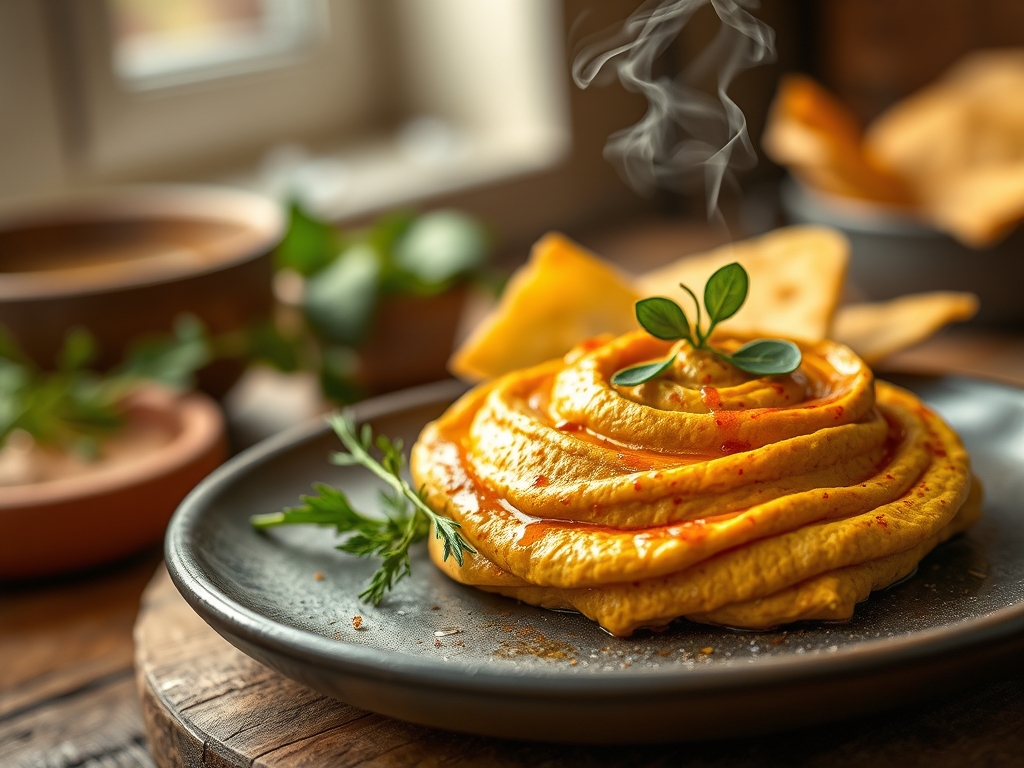
Referencing the Masterclass photo above, observe the "crater" effect in the center of the bowl. This is achieved by using the back of a spoon to create a circular well while rotating the plate. If your hummus is too runny to hold this shape, you have added too much liquid; fix this by adding more tahini. If the color is dull or grey, you likely skipped the Aleppo pepper or used low-quality oil. A successful Spicy Hummus Audit results in a vibrant, sunset-orange swirl from the infused chili oil. If you see lumps, your chickpeas were undercooked. There is no fix for lumps other than a fine-mesh sieve, which is a labor-intensive punishment for poor prep.
THE DEEP DIVE
Macro Nutrition Profile:
Per 100g serving, expect approximately 166 calories, 8g protein, 14g healthy fats (mostly monounsaturated), and 6g fiber. It is a nutrient-dense powerhouse with a low glycemic index.
Dietary Swaps:
- Vegan: Already compliant.
- Keto: Replace 50 percent of the chickpeas with steamed cauliflower to lower the net carb count while maintaining the viscous mouthfeel.
- GF: Naturally gluten-free, but ensure your tahini is processed in a certified facility.
Meal Prep & Reheating Science:
Hummus firms up in the refrigerator as the starches retrogress. To restore the original texture, do not microwave it. Instead, let it reach room temperature and whisk in a teaspoon of warm water or olive oil to re-emulsify the fats. This maintains the molecular structure without causing the oils to render and separate.
THE KITCHEN TABLE
Why is my hummus bitter?
Over-processing the garlic or using low-quality tahini are the usual suspects. Ensure you "cook" your garlic in lemon juice first and always taste your tahini solo before adding it to the processor to check for rancidity.
Can I use canned chickpeas?
You can, but the audit will reflect the compromise. If you must, simmer the canned beans with baking soda for 20 minutes to soften the skins before processing. Never use them straight from the can.
How do I get that restaurant-style sheen?
The secret is the final drizzle of high-quality Extra Virgin Olive Oil and the inclusion of ice water during the blending phase. The ice water creates a stable, white emulsion that reflects light more effectively.
How long does it stay fresh?
Store in an airtight container for up to five days. The flavors actually peak on day two as the chili and garlic continue to infuse into the chickpea matrix. Do not freeze; it destroys the emulsion.