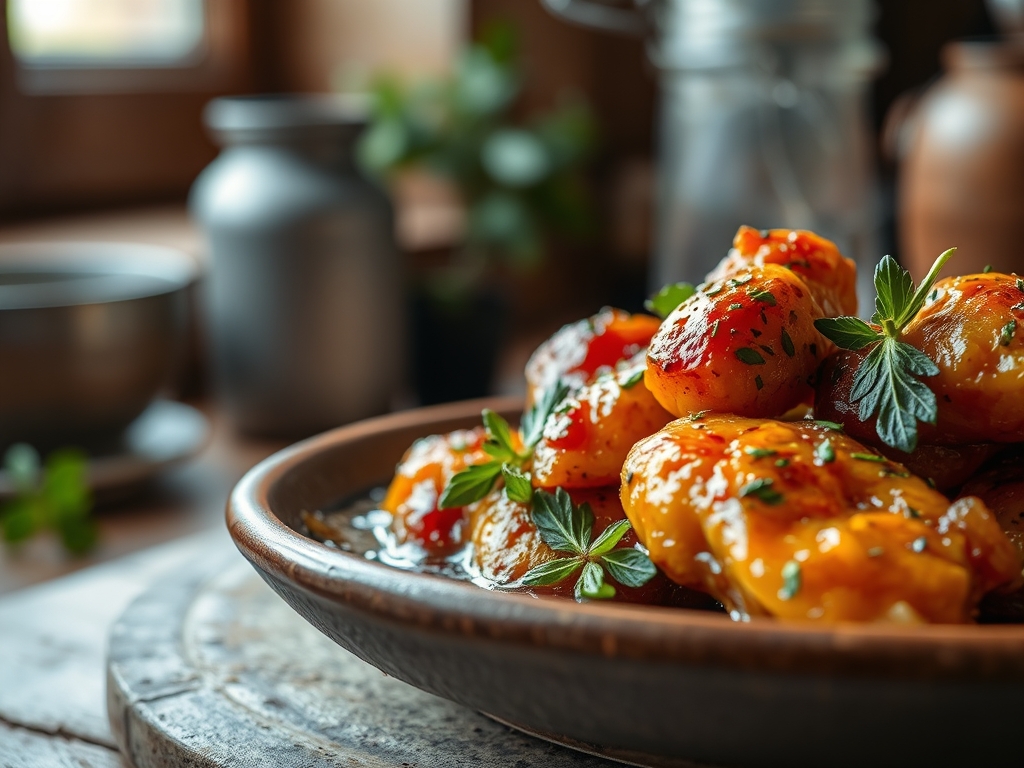
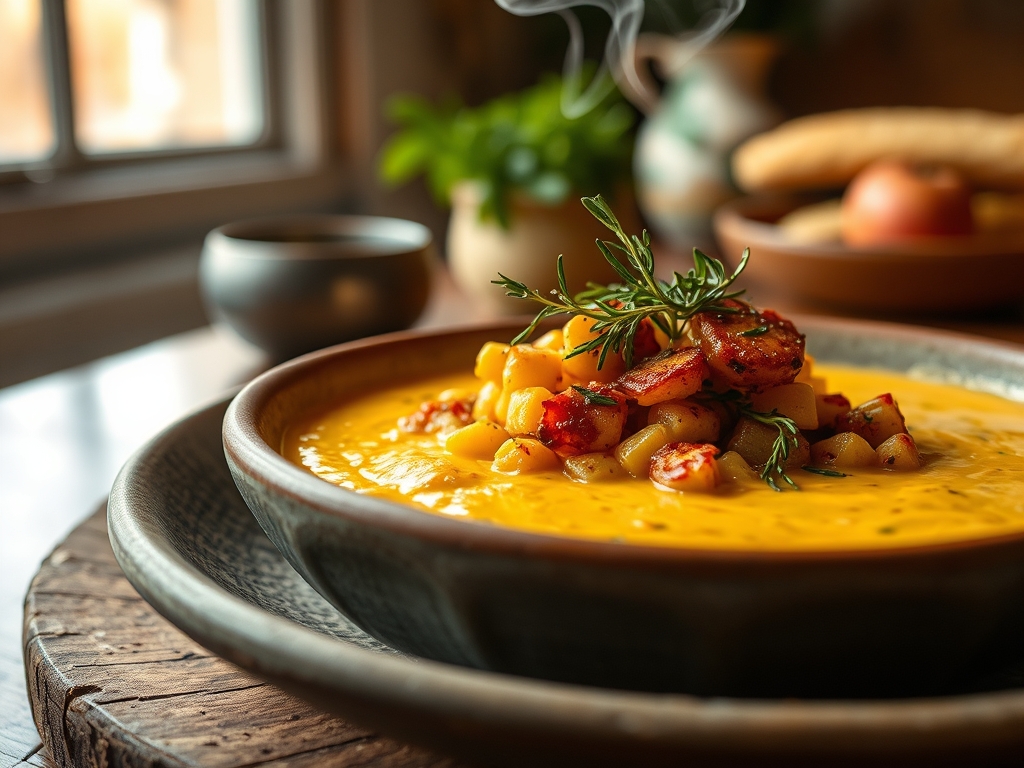
Imagine a liquid landscape where the sweetness of the sun meets the aggressive heat of the earth. We are not merely discussing a soup; we are architecting a Spicy Corn Chowder that defies the laws of standard viscosity. Most amateur attempts result in a watery mess or a gloopy paste that coats the tongue like industrial sealant. We demand better. We want a piquant depth that vibrates against the palate while maintaining a luxurious, velvety suspension of starch. This is about the precise manipulation of corn solids and the careful rendering of fats to create a medium that carries heat without incinerating your taste buds. Every kernel must be a burst of sugar to counter the smoky burn of charred peppers. The aroma alone should act as a sensory wake-up call; it is the scent of toasted lipids and aerated cream. If you are looking for a bland, beige bowl of disappointment, turn back now. We are here to build a masterpiece of liquid density and bold flavor.
THE DATA MATRIX
| Metric | Specification |
|---|---|
| Prep Time | 25 minutes |
| Execution Time | 45 minutes |
| Yield | 6 Servings (approx. 2L) |
| Complexity | 6 / 10 |
| Estimated Cost per Serving | $2.75 USD |
THE GATHERS
Ingredient Protocol:
- Fresh Sweet Corn: 6 ears / 900g (removed from cob)
- Smoked Bacon: 170g / 6 oz (diced into lardons)
- Yellow Onion: 1 large / 300g (finely diced)
- Red Bell Pepper: 1 large / 200g (small dice)
- Jalapenos: 2 medium / 40g (minced, seeds optional for heat)
- Garlic: 4 cloves / 20g (microplaned)
- Smoked Paprika: 10ml / 2 tsp
- Cayenne Pepper: 1.25ml / 1/4 tsp
- Gold Potatoes: 450g / 1 lb (peeled and 1cm cubed)
- Chicken or Vegetable Stock: 950ml / 4 cups
- Heavy Cream: 240ml / 1 cup
- Fresh Lime Juice: 15ml / 1 tbsp
- Kosher Salt: To taste
- Black Pepper: To taste
- Fresh Cilantro: 15g / 1/2 cup (chopped for garnish)
Section A: Ingredient Quality Audit:
The primary failure point in a Spicy Corn Chowder is the corn itself. If using out-of-season ears that feel starchy and dull, you must supplement the natural sugars. A technical fix involves adding 5ml of honey during the sauté phase to mimic the missing sweetness. If your potatoes are overly floury (like Russets), they may disintegrate and muddy the broth. Ensure you use waxy Gold potatoes to maintain structural integrity. Finally, if your spices lack aromatic punch, toast them in a dry pan for 30 seconds before introducing them to the fats. This awakens the essential oils and ensures a piquant profile rather than a dusty one.
THE MASTERCLASS
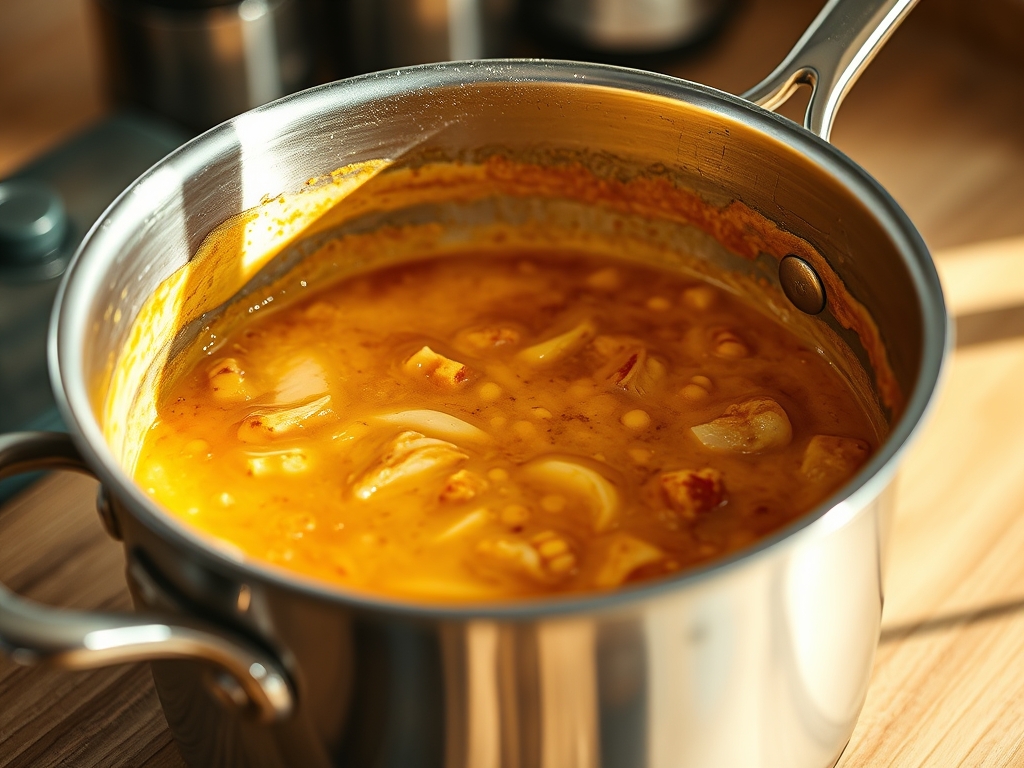
Step-by-Step Execution:
1. The Lipid Extraction
Place your diced bacon into a cold saucier and set the heat to medium. Allow the fat to render slowly until the bacon is crisp and golden. Use a slotted spoon to remove the solids, leaving the liquid gold behind.
Pro Tip: Starting with a cold pan allows the fat to liquefy before the proteins sear; this creates a more stable base for your roux and prevents the bacon from becoming bitter.
2. The Aromatics Infusion
Increase the heat slightly and add the onion, bell pepper, and jalapenos to the bacon fat. Use a bench scraper to clear your cutting board efficiently. Sauté until the onions are translucent and the peppers have softened.
Pro Tip: This stage is about building the "flavor floor." The moisture from the vegetables will begin to deglaze the brown bits (fond) left by the bacon, integrating deep umami into the base.
3. The Starch Integration
Add the corn kernels and cubed potatoes to the pot. Stir in the smoked paprika, cayenne, and garlic. Cook for three minutes to allow the heat to infuse the vegetables. Pour in the stock and bring to a simmer.
Pro Tip: Use a digital scale to ensure your potato-to-liquid ratio is exact. Too many potatoes will absorb the broth and turn your chowder into a mash; too few will leave it thin and uninspired.
4. The Mechanical Suspension
Once the potatoes are fork-tender, transfer two cups of the mixture to a high-speed blender. Process until completely smooth, then pour back into the saucier. Add the heavy cream and simmer for an additional five minutes.
Pro Tip: This is the secret to "Starch Suspension." By blending a portion of the corn and potatoes, you create a natural thickener that doesn't require excessive flour, resulting in a cleaner flavor and a more viscous mouthfeel.
5. The Acidic Balance
Remove from heat and stir in the lime juice and the reserved crispy bacon. Season aggressively with salt and pepper.
Pro Tip: The lime juice provides a necessary bright note that cuts through the heavy lipids of the cream and bacon. It acts as a chemical contrast to the heat of the peppers.
Section B: Prep & Timing Fault-Lines:
Timing is the silent killer of texture. If you add the garlic too early, it will burn and turn the entire pot acrid. If you boil the chowder after adding the cream, you risk breaking the emulsion, leading to a grainy appearance. Always maintain a gentle simmer (approx. 190F / 88C) rather than a rolling boil. If your potatoes are unevenly cut, some will be mush while others remain crunchy. Use precise knife work to ensure every cube is exactly 1cm to guarantee a uniform cook time.
THE VISUAL SPECTRUM
Section C: Thermal & Visual Troubleshooting:
In the Masterclass photo, observe the vibrant contrast between the golden corn and the flecks of red pepper. If your chowder looks dull or grey, you likely overcooked the vegetables or used old spices. To fix a "flat" visual profile, add a pinch of turmeric for color or a handful of fresh green herbs at the very end. If the surface looks oily, you failed to properly emulsify the fats; use an immersion blender for ten seconds to re-incorporate the lipids. A perfect chowder should have a glossy sheen, indicating that the starch and fats are in a harmonious suspension.
THE DEEP DIVE
Macro Nutrition Profile
A standard serving contains approximately 320 calories, 18g of fat, 35g of carbohydrates, and 8g of protein. The high fiber content from the corn and potatoes provides significant satiety, while the capsaicin in the peppers offers a minor metabolic boost.
Dietary Swaps
- Vegan: Replace bacon with smoked tempeh and use coconut cream and vegetable broth. The coconut adds a tropical undertone that pairs beautifully with corn.
- Keto: Swap potatoes for cauliflower florets and omit the corn (though this technically makes it a "Spicy Cream Soup"). Use heavy cream and extra bacon for fat macros.
- GF: This recipe is naturally gluten-free as we use vegetable starch for thickening rather than a flour-based roux.
Meal Prep & Reheating Science
To maintain the molecular structure when reheating, avoid the microwave. The uneven waves can cause the cream to separate. Instead, warm the chowder in a small saucepan over low heat, adding a splash of stock or milk to loosen the starch suspension. This prevents the "pudding effect" that occurs when starches retrograde in the fridge.
THE KITCHEN TABLE
Why is my chowder thin even after blending?
You may have used too much stock. Simmer the liquid uncovered for ten minutes to reduce the volume and concentrate the starches. Alternatively, blend an additional cup of the solids to increase the density of the suspension.
Can I use frozen corn for this recipe?
Yes, but ensure it is fully thawed and patted dry. Frozen corn often carries excess moisture which can dilute the flavor profile. For best results, char the frozen corn in a dry pan before adding it to the pot.
How do I make it spicier without changing the flavor?
Add a few drops of a vinegar-based habanero hot sauce at the end. The vinegar provides acidity while the habanero adds a clean, sharp heat that complements the sweetness of the corn without adding bulk.
My chowder turned out grainy. What happened?
This usually occurs if the cream is added to a boiling liquid or if the potatoes were overcooked to the point of total cellular collapse. Always add cream at a low simmer and stir constantly to maintain the emulsion.