Forget everything you know about the soggy, uninspired bean mashes of the past. We are entering the realm of high-performance plant protein where the humble legume undergoes a total structural overhaul. When we talk about Spicy Lentil Tacos, we are not just discussing a meal; we are auditing a complex system of fiber, heat, and moisture management. The goal is a texture that rivals ground brisket: a crumbly, savory, and deeply piquant filling that holds its own against the sharp acidity of a lime-drenched slaw. We are looking for that perfect Maillard reaction on the surface of every single pulse. We want a bite that shatters the myth of the mushy vegan taco. By leveraging precise thermal control and specific hydration ratios, we transform a pantry staple into a culinary powerhouse. This is about the physics of the crunch and the chemistry of the spice. Strap in; we are about to recalibrate your kitchen's output for maximum flavor density and structural integrity.
THE DATA MATRIX
| Metric | Specification |
|---|---|
| Prep Time | 15 Minutes |
| Execution Time | 30 Minutes |
| Yield | 6 Servings (approx. 12-14 tacos) |
| Complexity (1-10) | 4 |
| Estimated Cost per Serving | $1.25 USD |
THE GATHERS
Ingredient Protocol:
- 400g / 2 cups Brown or Pardina Lentils (dry)
- 950ml / 4 cups Vegetable Stock (low sodium)
- 150g / 1 large Yellow Onion (finely diced)
- 30g / 3 cloves Garlic (minced)
- 30ml / 2 tbsp Avocado Oil (high smoke point)
- 15g / 1 tbsp Tomato Paste (double concentrated)
- 10g / 2 tsp Smoked Paprika
- 5g / 1 tsp Ground Cumin
- 2g / 0.5 tsp Cayenne Pepper
- 15ml / 1 tbsp Soy Sauce or Tamari (for umami depth)
- 10ml / 2 tsp Fresh Lime Juice
- 12-14 Small Corn Tortillas
Section A: Ingredient Quality Audit:
The primary failure point in this protocol is the age of the lentils. Old legumes develop a hydrophobic skin that resists softening regardless of boil time. If your lentils remain gritty after 30 minutes, they are likely past their shelf life. To fix this, add 1.25g (1/4 tsp) of baking soda to the simmering liquid to increase the pH level; this weakens the pectin in the cell walls and encourages even hydration. Furthermore, avoid using pre-ground cumin that has sat in a transparent jar for six months. The volatile oils have likely evaporated. For maximum impact, toast whole seeds in a dry pan until they aerate the room with their scent, then pulverize them manually.
THE MASTERCLASS
1. The Hydration Phase
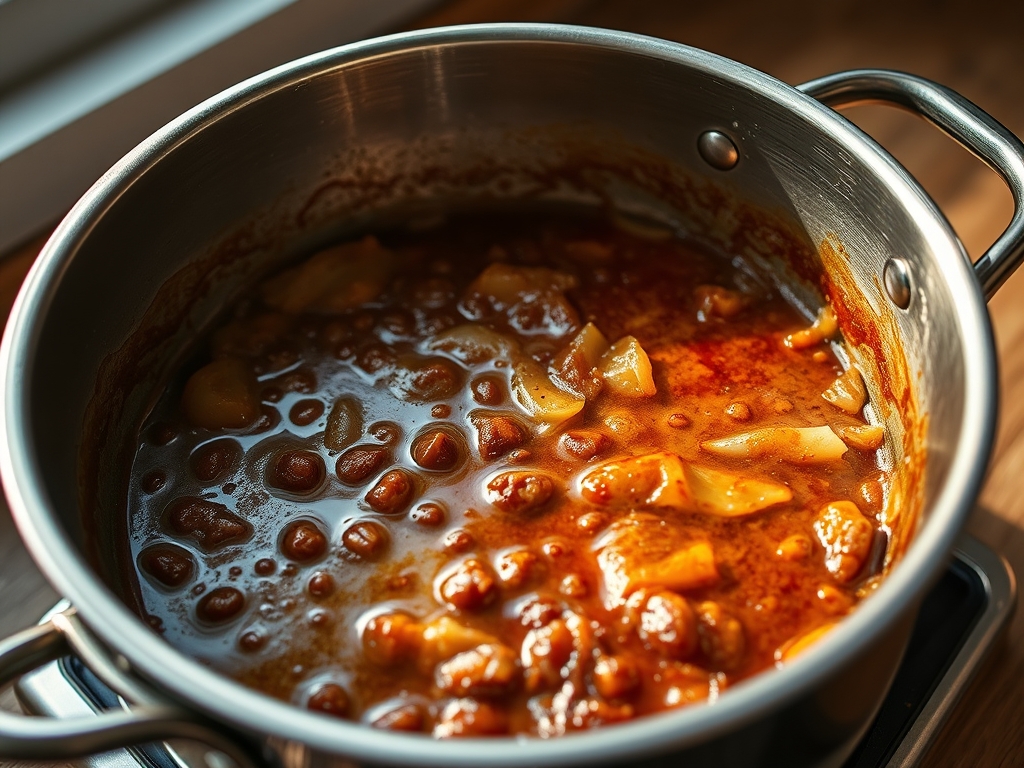
Rinse your lentils under cold water using a fine-mesh strainer until the runoff is clear. Place them in a large saucier with the vegetable stock. Bring to a rapid boil, then immediately drop to a low simmer. Cover and cook for 20 to 25 minutes. You are looking for an "al dente" texture; the lentils must be tender but retain their individual spherical geometry.
Pro Tip: Use a digital scale to measure your liquid-to-solid ratio. Evaporation rates vary based on pot surface area, but a precise 2.3:1 ratio by weight ensures the lentils absorb the flavor without becoming a saturated sludge.
2. The Aromatic Base
While the lentils simmer, heat your avocado oil in a heavy-bottomed cast iron skillet over medium heat. Add the onions. Use a bench scraper to move them efficiently from the cutting board to the pan. Sauté until translucent, then add the garlic and tomato paste.
Pro Tip: This is where you render the water out of the aromatics. By "frying" the tomato paste until it turns a dark rust color, you are caramelizing the sugars and intensifying the savory profile through a controlled Maillard reaction.
3. The Spice Infusion
Add the paprika, cumin, and cayenne directly into the oil and onion mixture. Stir constantly for 60 seconds. Once the lentils are cooked, drain any excess liquid (reserve 60ml / 1/4 cup) and fold them into the spiced skillet.
Pro Tip: Spices are fat-soluble. By toasting them in the oil before adding the wet lentils, you infuse the fat with flavor molecules that will later coat the surface of each lentil, ensuring a more consistent heat profile across the palate.
4. The Deglaze and Reduction
Pour the reserved cooking liquid and the soy sauce into the skillet. Increase the heat to medium-high. Use a wooden spoon to scrape the bottom of the pan to deglaze the concentrated brown bits (fond). Simmer until the liquid has reduced into a viscous glaze that clings to the lentils.
Pro Tip: The soy sauce provides the necessary glutamates to mimic the "meaty" depth of traditional taco fillings. The reduction phase is critical for "tightening" the mixture so it doesn't leak moisture into the tortilla.
5. The Acidic Finish
Remove from heat and stir in the fresh lime juice. Taste and adjust salinity. Serve immediately on charred corn tortillas with your choice of high-contrast toppings like pickled red onions or radishes.
Pro Tip: Acid is volatile and heat-sensitive. Adding lime juice at the very end preserves its bright, enzymatic bite, which cuts through the earthy density of the lentils and the richness of the oil.
Section B: Prep & Timing Fault-Lines:
The most common human error is the "Over-Simmer." If you walk away from the stove and the lentils lose their structural integrity, you have created a dahl, not a taco filling. Use a kitchen timer set for 5 minutes less than the package directions to check for doneness. Another fault-line is temperature control during the spice toast. If the heat is too high, the paprika will burn and turn bitter in seconds. If you see wisps of acrid blue smoke, remove the pan from the heat immediately and start the aromatic base over. Precision is cheaper than a ruined meal.
THE VISUAL SPECTRUM
Section C: Thermal & Visual Troubleshooting:
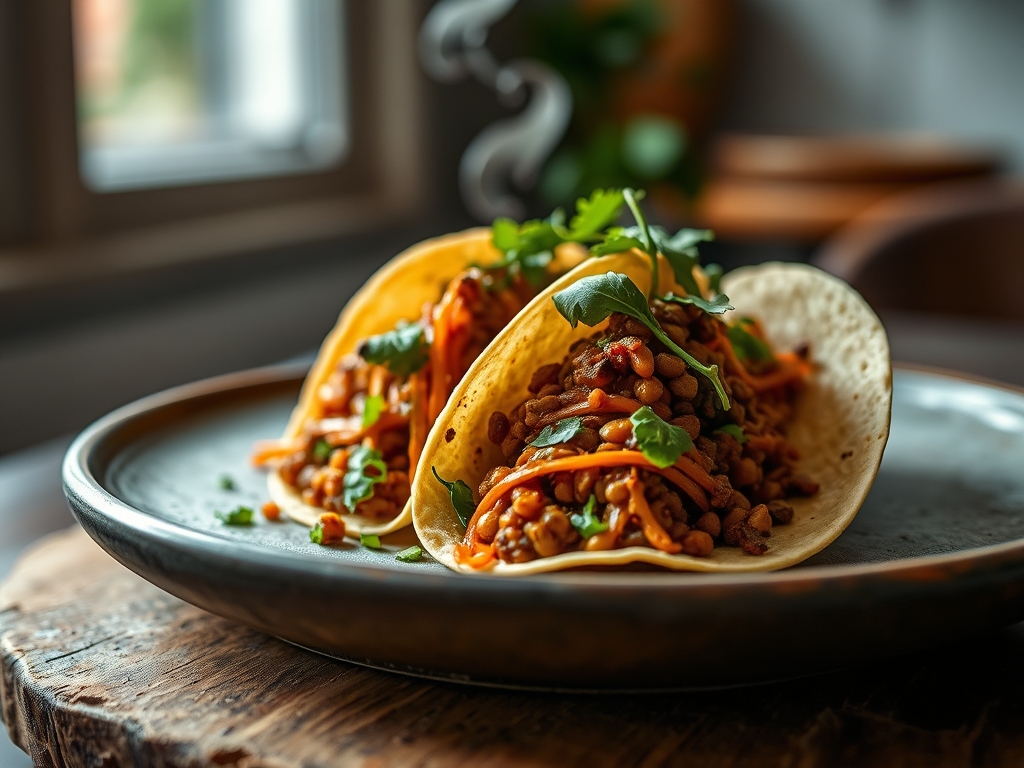
Referencing the Masterclass photo, your Spicy Lentil Tacos should exhibit a variegated color palette ranging from deep mahogany to vibrant orange. If your filling looks grey or monochromatic, you likely skipped the tomato paste caramelization or used "yellow" lentils instead of brown. Yellow and red lentils lack the seed coat necessary for this application and will disintegrate into a paste. If the lentils appear "wet" or are dripping, the reduction phase was insufficient. The goal is a "dry-moist" consistency where the lentils are coated in a thick, shimmering lacquer of spice and oil, not swimming in a broth. Ensure your tortillas have distinct charred spots (leopard spotting) from a direct flame to provide the necessary visual and textural contrast.
THE DEEP DIVE
Macro Nutrition Profile:
A standard two-taco serving provides approximately 320 calories, 14g of protein, 12g of fiber, and 6g of healthy fats. The high fiber content ensures a low glycemic index, providing sustained energy without the post-meal insulin spike associated with refined flour or high-fat meats.
Dietary Swaps:
- Vegan: This recipe is inherently vegan. Ensure your vegetable stock is certified.
- Keto: Replace the lentils with chopped walnuts and mushrooms; substitute corn tortillas with large lettuce cups or jicama wraps.
- GF: Ensure your soy sauce is replaced with Tamari or coconut aminos to avoid gluten contamination.
Meal Prep & Reheating Science:
Lentils are remarkably stable for meal prep. When reheating, the starches will have retrograded, making the mixture appear dry. To restore the molecular structure, add 15ml (1 tbsp) of water per serving before microwaving or reheating in a pan. This creates a steam environment that re-hydrates the protein matrix without making it mushy.
THE KITCHEN TABLE
How do I make the lentils even crispier?
After the reduction phase, spread the lentils on a baking sheet and broil for 3 to 5 minutes. This creates a "carnitas" style texture with crispy edges and a tender interior.
Can I use canned lentils for this?
Yes, but you must rinse them thoroughly to remove excess sodium and starchy canning liquid. Reduce the simmering time in the skillet by half, as canned lentils are already fully hydrated and prone to breaking.
My filling is too spicy. How do I fix it?
Do not add water; it only spreads the capsaicin. Instead, increase the acidity with more lime juice or add a dollop of vegan sour cream or avocado. The fats and acids neutralize the heat perception on the tongue.
What is the best way to warm the tortillas?
Avoid the microwave. Use a dry cast iron skillet or an open gas flame. Charring the tortillas for 15 seconds per side creates a structural barrier that prevents the lentil moisture from tearing the bread.