Stop settling for flaccid, waterlogged fungi that collapse under the slightest pressure of a cocktail fork. We are here to re-engineer the appetizer landscape with Spicy Stuffed Mushrooms that possess structural integrity and a flavor profile that bites back. This is not a casual assembly; it is a high-stakes deployment of cap and cavity. We are looking for a specific architectural synergy where the earthy, umami-rich base of the mushroom acts as a reinforced bunker for a molten, piquant payload. The goal is a texture that is firm yet yielding, a filling that is creamy but punctuated by the sharp heat of capsaicin, and a golden-brown crust that provides the necessary tactile contrast. When you serve these, you aren't just feeding guests; you are conducting a masterclass in thermal dynamics and flavor layering. Forget the soggy breadcrumbs of the past. We are optimizing for a viscous, emulsified interior that clings to the fungal walls while the surface undergoes a glorious Maillard transformation. Prepare your station; the audit of your culinary infrastructure begins now.
THE DATA MATRIX
| Metric | Specification |
|---|---|
| Prep Time | 20 Minutes |
| Execution Time | 25 Minutes |
| Yield | 24 Units |
| Complexity (1-10) | 4 |
| Estimated Cost per Serving | $0.85 |
THE GATHERS
Ingredient Protocol:
- 24 Large Cremini Mushrooms (approx. 500g / 1.1 lbs)
- 225g / 8 oz Full-fat Cream Cheese, softened
- 115g / 4 oz Italian Sausage, casing removed
- 50g / 0.5 cup Freshly grated Parmesan cheese
- 2 cloves Garlic, microplaned
- 10g / 2 tsp Red pepper flakes (adjust for piquant intensity)
- 15ml / 1 tbsp Extra virgin olive oil
- 5g / 1 tsp Smoked paprika
- 30g / 0.25 cup Panko breadcrumbs
- 15g / 2 tbsp Fresh chives, finely minced
Section A: Ingredient Quality Audit:
The primary failure point in Spicy Stuffed Mushrooms is moisture management. If your mushrooms feel slimy or "bouncy" before you start, they have already absorbed too much ambient humidity. Fix this by dry-brushing them with a dedicated mushroom brush or a clean paper towel; never submerge them in water. If your cream cheese is grainy, it has likely undergone temperature shock. Whisk it vigorously with a silicone spatula to re-emulsify the fats before adding other components. For the sausage, ensure it is high-quality with a 70/30 meat-to-fat ratio. If the meat is too lean, the filling will become chalky. Supplement with a teaspoon of cold butter if you suspect the protein is too dry.
THE MASTERCLASS
1. Cavity Preparation and Stem Extraction
Begin by removing the stems from the mushrooms. Do not discard them. Use a small spoon or a melon baller to scrape out the gills, creating a larger, cleaner vessel for the filling. Finely dice the stems using a sharp chef knife or a bench scraper to gather the fragments.
Pro Tip: Removing the gills is a strategic move to reduce moisture. Gills hold water and can turn your filling gray. By clearing the cavity, you allow the heat to penetrate the fungal flesh more evenly, ensuring a firm bite.
2. Rendering the Piquant Base
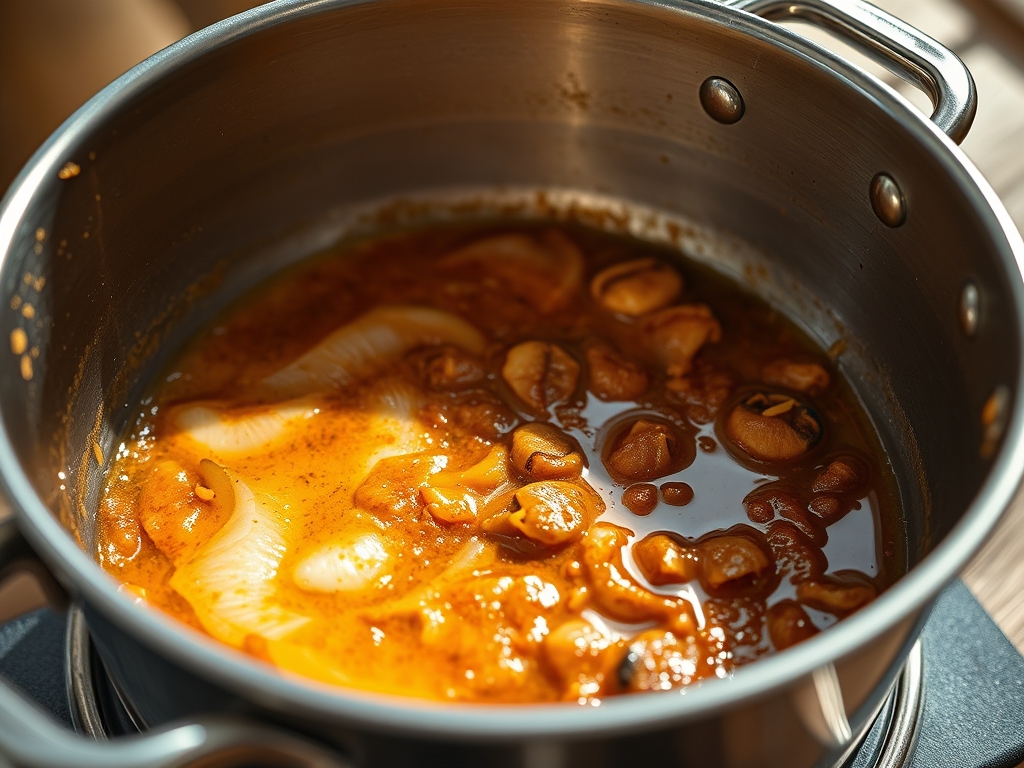
Place a stainless steel saucier over medium-high heat. Add the olive oil and the crumbled sausage. Use a stiff spatula to break the meat into the smallest possible granules. Once the fat begins to render, add the finely diced mushroom stems and the red pepper flakes. Sauté until the moisture from the stems has evaporated and the meat is browned.
Pro Tip: This is where we infuse the fat. Capsaicin is fat-soluble. By sautéing the pepper flakes directly in the rendering sausage fat, you distribute the heat across the entire batch rather than creating "hot spots" of spice.
3. Emulsifying the Filling Matrix
In a stainless steel mixing bowl, combine the softened cream cheese, the browned sausage mixture, the microplaned garlic, and the Parmesan cheese. Use a digital scale to ensure your ratios are exact. Fold the ingredients together until the mixture is homogenous and viscous.
Pro Tip: The carry-over heat from the sausage will slightly melt the cream cheese, creating a temporary emulsion. This makes the filling easier to pipe or spoon into the cavities, ensuring no air pockets remain in the base of the mushroom.
4. Precision Loading and Surface Engineering
Arrange the mushroom caps on a parchment-lined baking sheet. Using a small spoon or a piping bag, fill each cavity until the mixture is slightly mounded above the rim. In a small ramekin, toss the panko breadcrumbs with smoked paprika and a drizzle of oil. Press the top of each stuffed mushroom into the breadcrumbs.
Pro Tip: Compacting the filling is essential. If the filling is loose, it will expand and weep during the thermal cycle. The breadcrumb topping acts as a sacrificial layer, absorbing excess moisture while browning into a crisp crust.
5. Thermal Execution
Slide the tray into a preheated oven at 200C / 400F. Bake for 20 to 25 minutes. You are looking for the mushroom caps to appear slightly wrinkled and darkened, while the tops achieve a deep, golden-brown hue.
Pro Tip: Use an infrared thermometer to check the surface temperature. You want the topping to reach at least 160F to ensure the proteins in the cheese and meat have fully set, creating a stable internal structure.
Section B: Prep & Timing Fault-Lines:
The most common timing error is pulling the mushrooms too early because the tops look done while the mushroom base is still raw. If the breadcrumbs are browning too fast, tent the tray with foil. Conversely, if the mushrooms are leaking liquid onto the tray, your oven temperature is too low. Low heat causes the cell walls of the fungi to collapse and release water before the filling can set. Increase the heat by 15 degrees and ensure you are using the convection setting to aerate the environment and drive off steam.
THE VISUAL SPECTRUM
Section C: Thermal & Visual Troubleshooting:
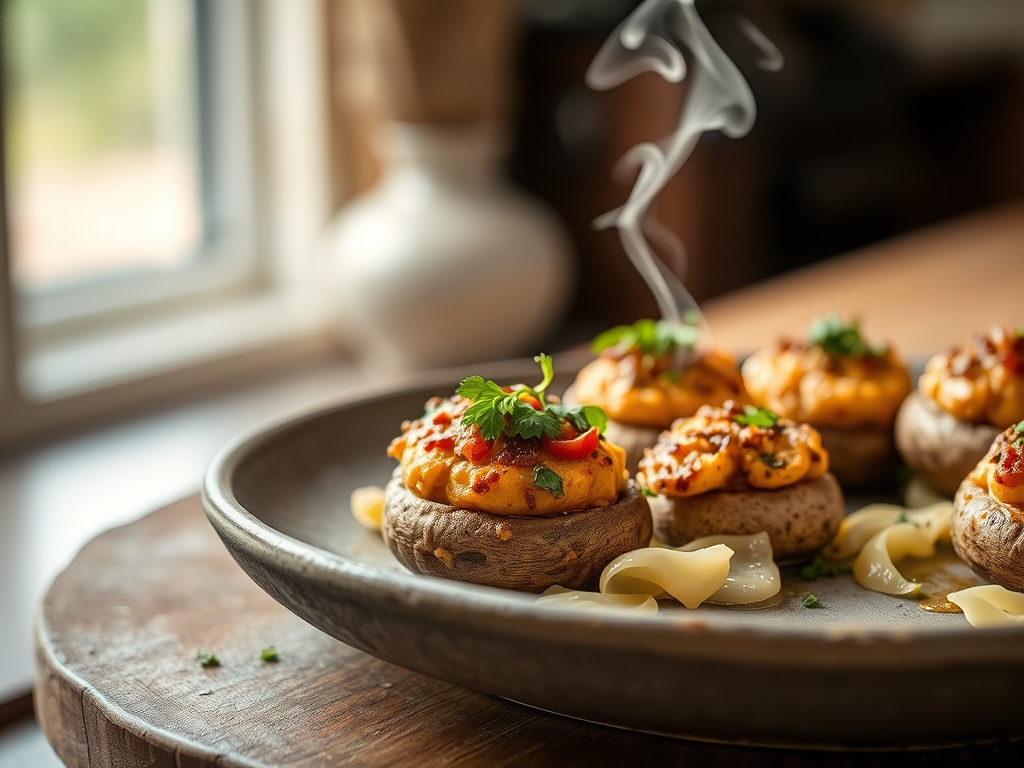
Referencing the Masterclass photo, observe the "golden halo" where the filling meets the mushroom rim. If your mushrooms look pale, they lack the necessary oil coating to facilitate browning. Lightly brush the exterior of the caps with olive oil before stuffing. If the filling looks "broken" or oily, the cream cheese was likely a low-fat or "spreadable" variety which contains too many stabilizers and water. Always use block-style, full-fat cream cheese for a dense, professional finish. If the panko looks white and dry, it wasn't properly hydrated with oil or fat before baking.
THE DEEP DIVE
Macro Nutrition Profile:
Each unit provides approximately 85 calories, 7g of fat, 3g of protein, and 2g of carbohydrates. This makes them an ideal high-fat, low-carb option for modern dietary protocols.
Dietary Swaps:
- Vegan: Replace cream cheese with a cashew-based ferment and use a plant-based sausage crumble. Swap Parmesan for nutritional yeast.
- Keto: Omit the panko breadcrumbs and use crushed pork rinds for the topping to maintain the crunch without the glycemic load.
- Gluten-Free: Ensure your sausage is certified GF and utilize gluten-free breadcrumbs or almond meal for the crust.
Meal Prep & Reheating Science:
To maintain molecular structure, do not freeze raw stuffed mushrooms; the ice crystals will rupture the fungal cells, resulting in a mushy mess upon thawing. Instead, prep the filling and the caps separately. When reheating cooked mushrooms, avoid the microwave. Use an air fryer or toaster oven at 175C / 350F for 5 minutes to re-crisp the topping and gently warm the interior without overcooking the mushroom base.
THE KITCHEN TABLE
Can I use white button mushrooms instead of Cremini?
Yes; however, Cremini (Baby Bellas) offer a denser cellular structure and more umami. White mushrooms have a higher water content and may shrink more during the thermal process. Adjust your timing accordingly to prevent a soggy base.
Why is there a puddle of water on my baking sheet?
This indicates "weeping." It happens when the mushrooms aren't dried properly or the oven temperature is too low. The salt in the filling draws water out of the mushroom; high heat is required to evaporate that moisture instantly.
How do I make them even spicier?
Infuse the sausage with minced habanero or add a teaspoon of cayenne pepper to the breadcrumb topping. The fat in the cream cheese will buffer the heat, so you can be more aggressive with spices than you might think.
How long can I store the assembled, unbaked mushrooms?
You can store them in an airtight container in the refrigerator for up to 24 hours. Any longer and the salt in the filling will begin to macerate the mushroom caps, leading to a loss of structural integrity.