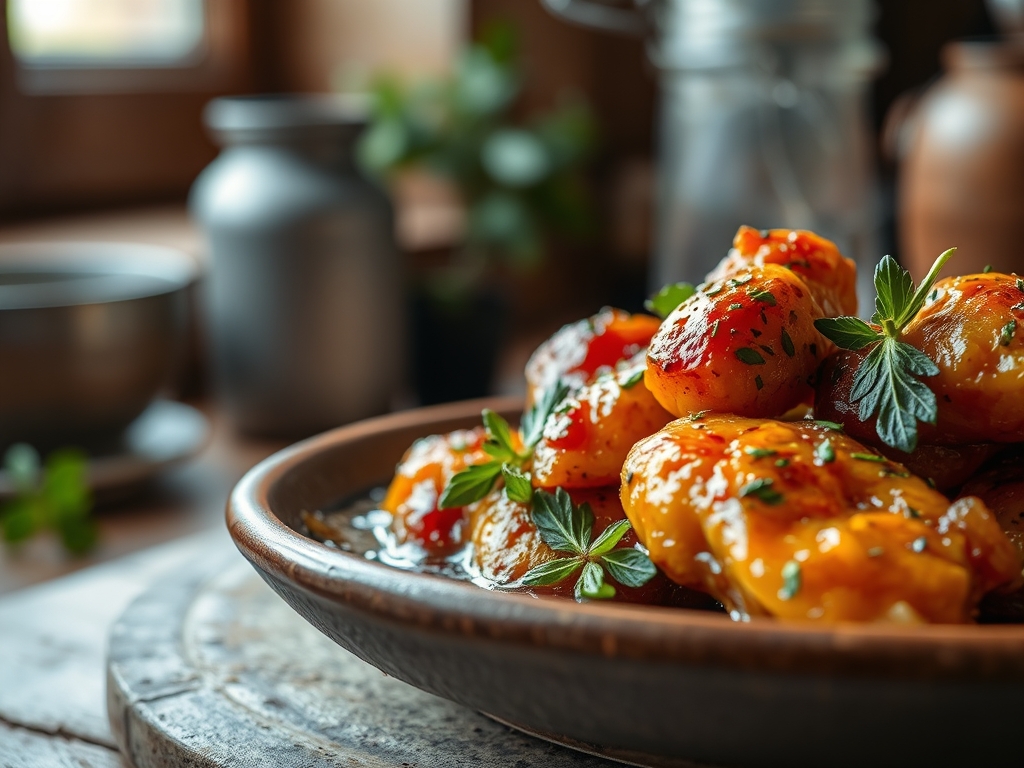
Forget everything you know about watery, cafeteria-style slop. We are entering the realm of high-density flavor architecture. When you commit to a true Hungarian Goulash, you are not just making a soup; you are managing a complex chemical reaction involving collagen breakdown and pigment suspension. This is the gold standard of comfort food, a dish where the humble onion is transformed into a viscous, structural binder through the magic of slow-heat reduction. We are looking for a deep, mahogany hue that glows with the intensity of high-grade paprika. The beef should be tender enough to yield to a dull spoon but structurally sound enough to hold its shape. Every bite must deliver a piquant punch that warms the back of the throat without scorching the palate. This is a game of patience and thermal precision. We are building a foundation of rendered fat and toasted spices that will serve as the infrastructure for a legendary meal. If you are ready to audit your kitchen skills and upgrade your culinary hardware, let us begin the deployment.
THE DATA MATRIX
| Metric | Specification |
|---|---|
| Prep Time | 45 Minutes |
| Execution Time | 3.5 Hours |
| Yield | 6 Servings |
| Complexity (1-10) | 7 |
| Estimated Cost per Serving | $4.50 |
THE GATHERS
Ingredient Protocol:
- 1 kg / 2.2 lbs Beef Chuck (cubed into 4cm pieces)
- 800g / 1.75 lbs Yellow Onions (finely diced)
- 60g / 4 tbsp Sweet Hungarian Paprika
- 10g / 2 tsp Smoked Paprika
- 500ml / 2 cups Beef Bone Broth (low sodium)
- 30ml / 2 tbsp Tomato Paste
- 3 Garlic Cloves (minced)
- 5g / 1 tsp Caraway Seeds (toasted and crushed)
- 60ml / 4 tbsp Lard or Neutral Oil
- 2 Bay Leaves
- 15ml / 1 tbsp Red Wine Vinegar
- Salt and Black Pepper (to taste)
Section A: Ingredient Quality Audit:
The primary failure point in most stews is the Paprika Quality. If your spice has been sitting in a cabinet since the last lunar eclipse, it has lost its essential oils and will taste like bitter sawdust. Audit your spice rack: the powder should be vibrant red, not brick-brown. If it lacks aroma, double the quantity or, preferably, buy a fresh tin of authentic Kalocsa or Szeged variety. Another common issue is the Fat-to-Lean Ratio of the beef. Lean cuts like round or sirloin will turn into dry, fibrous wood. You need the connective tissue found in chuck or shank. If you accidentally purchased lean meat, you must compensate by adding a teaspoon of unflavored gelatin to your broth to mimic the mouthfeel of rendered collagen. Finally, if your onions are too watery, increase your initial sauté time to ensure the sugars properly caramelize.
THE MASTERCLASS
1. The Maillard Foundation
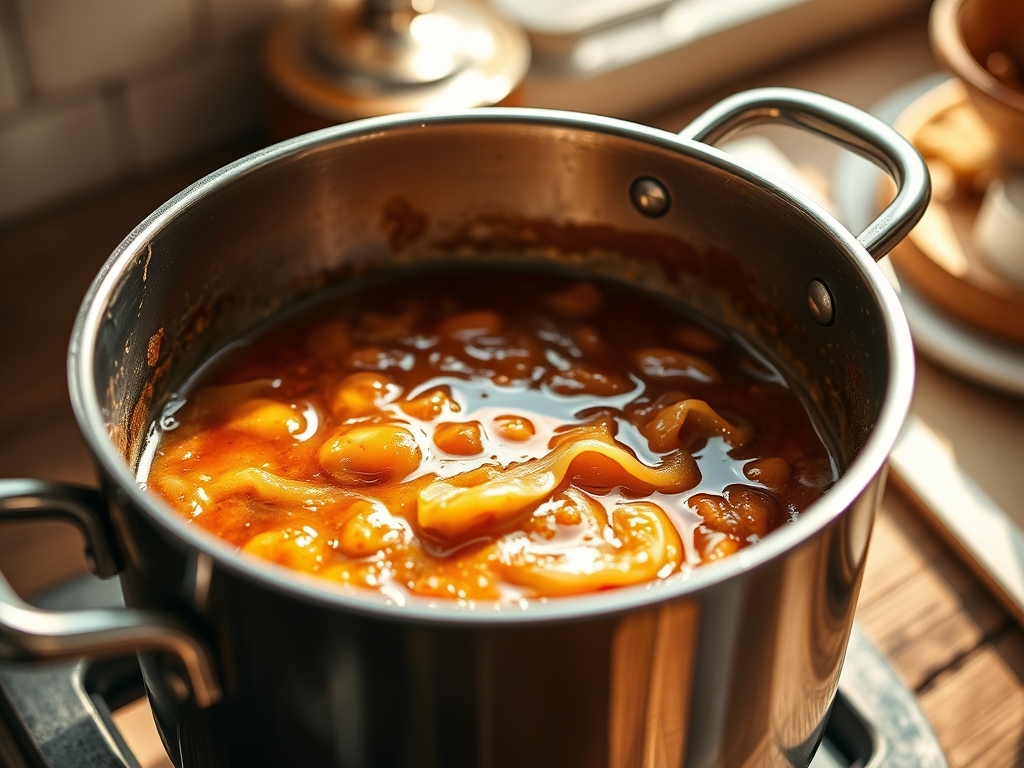
Heat your heavy-bottomed saucier or Dutch oven over medium-high heat. Add the lard and, working in batches, sear the beef cubes until a dark crust forms on all sides. Do not crowd the pan; crowding causes the temperature to drop and the meat to steam in its own juices rather than brown. Use a bench scraper to keep the bottom of the pan clear of any sticking bits.
Pro Tip: This browning process creates melanoidins, which provide the savory backbone of the stew. Use a digital scale to ensure your meat portions are uniform for even searing.
2. The Onion Reduction
Remove the meat and add the diced onions to the residual fat. Lower the heat to medium. You are not just softening these; you are melting them. Sauté for at least 20 minutes, stirring frequently, until they are translucent and starting to turn golden brown. If the pan gets too dry, add a splash of water to deglaze the surface.
Pro Tip: The onions act as the primary thickening agent. As they break down, they release cellular fluids that, when combined with the fat, create a natural emulsion.
3. The Spice Infusion
Add the tomato paste, garlic, and caraway seeds. Cook for 2 minutes. Now, remove the pot from the heat entirely before adding the paprika. Stir the paprika into the warm fat for 30 seconds to infuse the oil with color and flavor.
Pro Tip: Paprika contains high levels of sugar and can burn in seconds, turning the entire dish bitter. Off-heat integration is a critical safety protocol for your flavor profile.
4. The Long Simmer
Return the beef to the pot along with any accumulated juices. Add the beef broth, bay leaves, and vinegar. The liquid should just barely cover the meat. Bring to a faint simmer, then cover and reduce heat to the lowest setting. Maintain this state for 2.5 to 3 hours.
Pro Tip: Use an infrared thermometer to ensure the liquid stays between 85C and 95C (185F-205F). This is the "sweet spot" where collagen converts to gelatin without boiling the muscle fibers into toughness.
Section B: Prep & Timing Fault-Lines:
The most frequent human error is "The Rush." If you attempt to boil the goulash to save time, the meat will seize and become rubbery. If your sauce is too thin at the 2-hour mark, do not add flour. Instead, remove the lid for the final 45 minutes to allow for evaporation and concentration. If you find the flavor is "flat" despite the long cook, your acid balance is likely off. A final teaspoon of red wine vinegar just before serving will brighten the heavy fats and aerate the flavor profile.
THE VISUAL SPECTRUM
Section C: Thermal & Visual Troubleshooting:
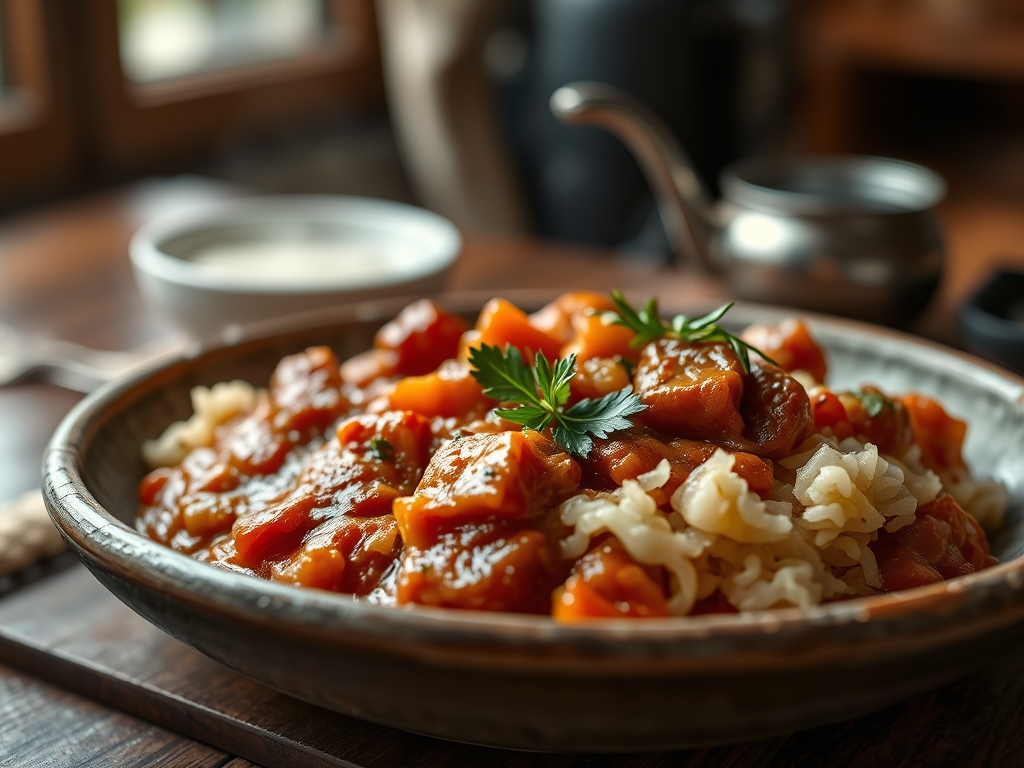
Referencing the Masterclass photo, your finished Hungarian Goulash should exhibit a "broken" sauce appearance where small droplets of red-tinted fat glisten on the surface. This indicates a successful extraction of fat-soluble carotenoids from the paprika. If your dish looks dull or orange, you likely under-browned the onions or used old spices. If the sauce is grey, you skipped the Maillard sear on the beef. For uneven browning, ensure your heat source is centered and your cookware has a thick base to prevent hot spots. The texture should be viscous enough to coat the back of a spoon without looking like paste.
THE DEEP DIVE
Macro Nutrition Profile:
A standard serving provides approximately 450 calories, 35g of protein, 22g of fat, and 12g of carbohydrates. It is a high-iron, nutrient-dense meal that excels in bioavailable minerals.
Dietary Swaps:
- Vegan: Swap beef for king oyster mushrooms and use vegetable stock with a dash of liquid smoke.
- Keto: This dish is naturally keto-friendly; simply serve over cauliflower mash instead of traditional noodles or potatoes.
- GF: Naturally gluten-free as long as you avoid using flour as a thickener.
Meal Prep & Reheating Science:
Goulash is a "day-after" dish. As it cools, the flavors continue to marry and the gelatin sets. When reheating, do so slowly over low heat. Adding a tablespoon of water will help maintain the molecular structure of the emulsion and prevent the fat from separating into an oily mess.
THE KITCHEN TABLE
Why is my goulash bitter?
You likely scorched the paprika or the garlic. Always add paprika off-heat and ensure your garlic only cooks until fragrant, never brown. A pinch of sugar can sometimes neutralize minor bitterness.
Can I use a slow cooker?
Yes, but you must perform the searing and onion reduction in a skillet first. Dumping raw ingredients into a crockpot will result in a flat, oxidized flavor profile lacking depth.
What is the best side dish?
Traditionally, Nokedli (Hungarian dumplings) or boiled potatoes are used. The goal is to provide a neutral, starchy vehicle to soak up the high-intensity, viscous sauce.
How do I store leftovers?
Store in an airtight container for up to 4 days. For long-term storage, goulash freezes exceptionally well for up to 3 months due to its high fat and liquid content.