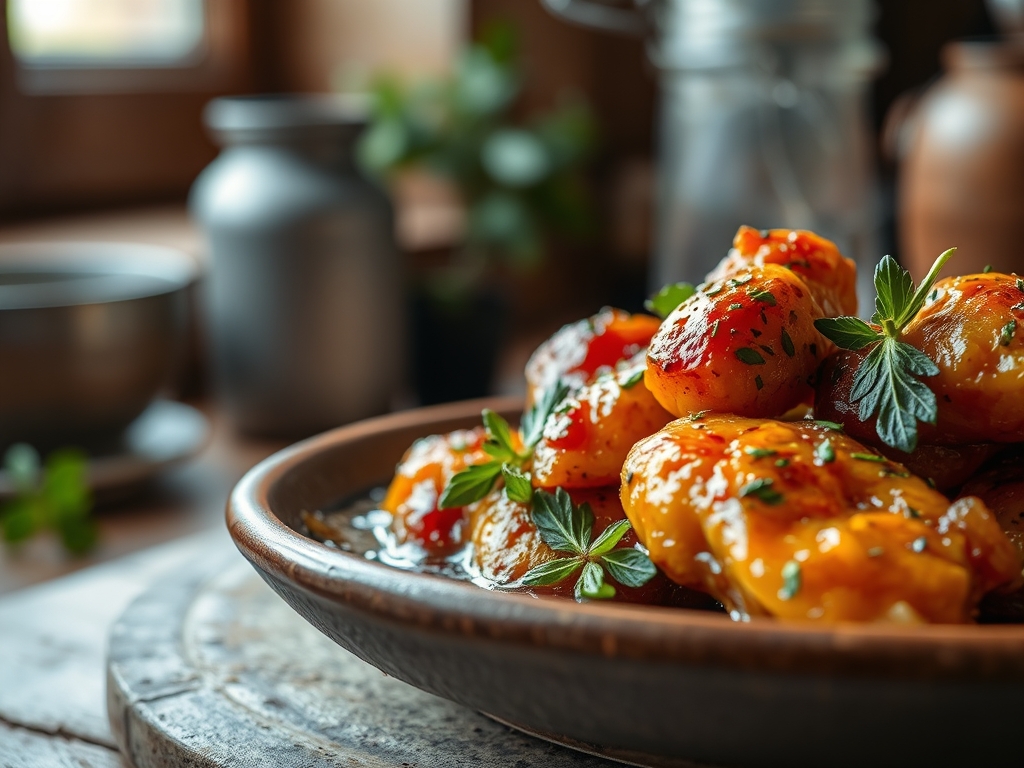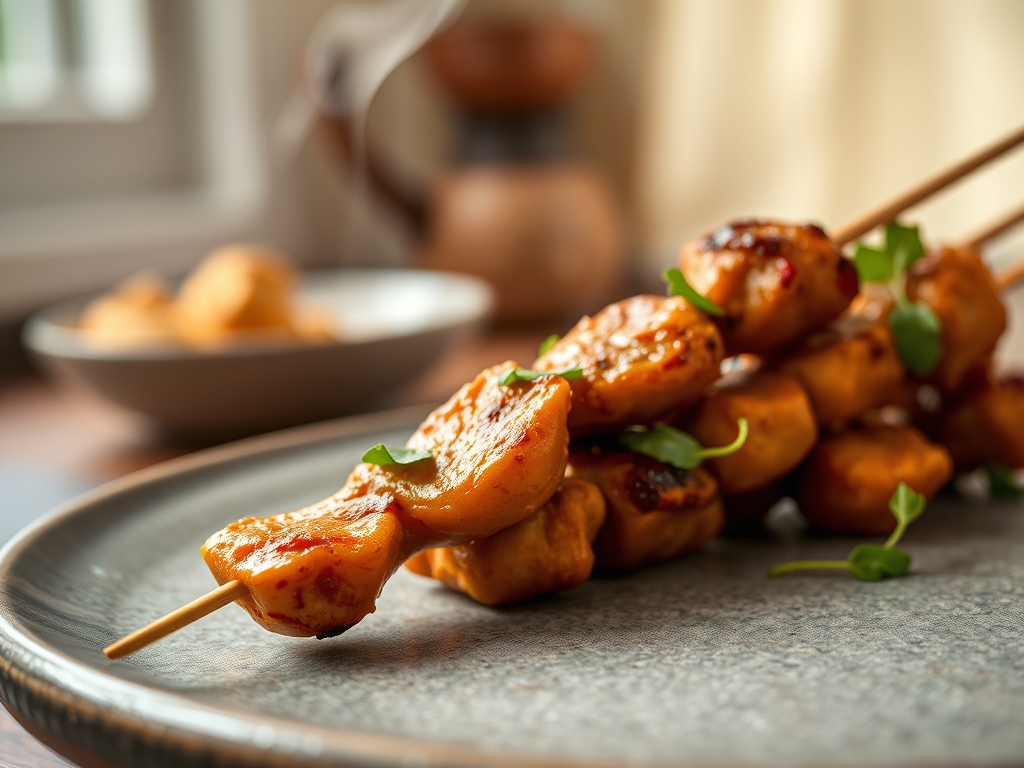
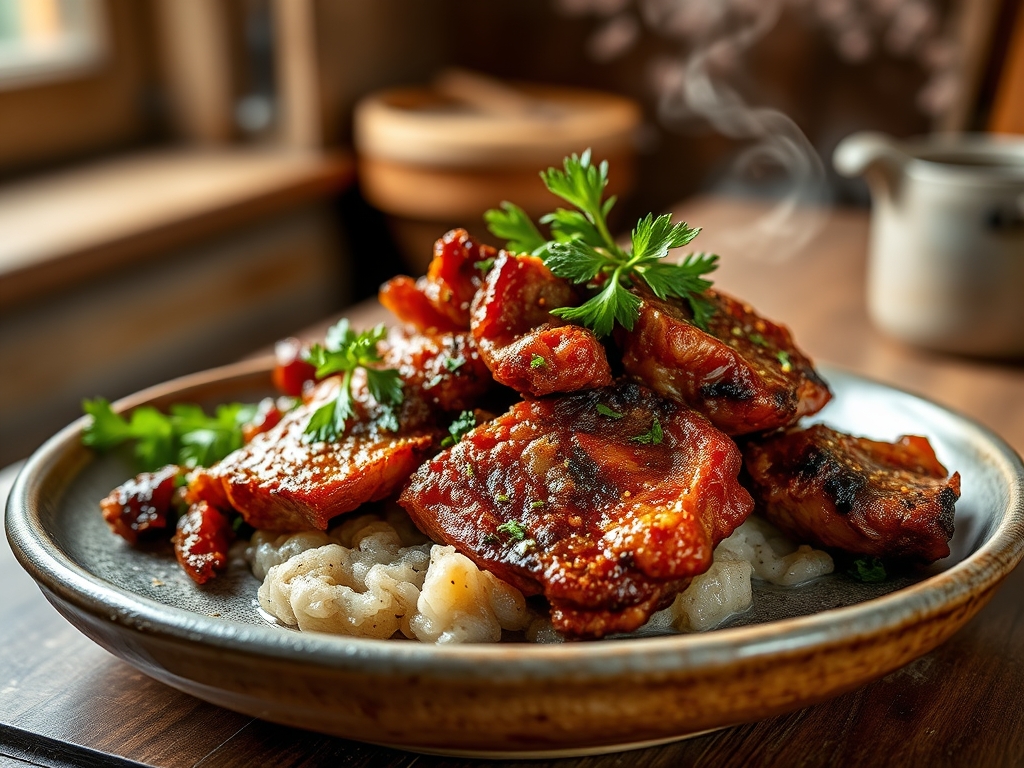
Listen to the crackle. That sound is not just fat hitting fire; it is the structural collapse of collagen and the birth of a flavor profile so aggressive it borders on the medicinal. We are talking about authentic Jamaican Jerk Pork. This is not a casual weekend barbecue; it is a high-stakes engineering project involving capsaicin-induced euphoria and the woody, clove-like aromatic density of Pimenta dioica. When you bite into a properly executed piece of jerk, you should experience a three-stage sensory assault. First comes the charred, piquant crust, followed by the viscous, fat-rendered interior, and finally, a slow-burn heat that lingers in the back of your throat like a warm memory of the Caribbean sun. To achieve this, we must move beyond the superficial. We are auditing the very infrastructure of flavor. We are balancing the volatile oils of Scotch Bonnet peppers against the earthy grounding of allspice and thyme. This is the gold standard of island soul food, rebuilt for the precision-minded culinary architect.
THE DATA MATRIX
| Metric | Specification |
|---|---|
| Prep Time | 45 Minutes (Active) |
| Execution Time | 4 to 6 Hours (Slow Roast) |
| Yield | 8 to 10 Servings |
| Complexity (1-10) | 7.5 |
| Estimated Cost per Serving | $4.25 – $5.50 |
THE GATHERS
Ingredient Protocol:
- 2.25 kg / 5 lbs Pork Shoulder (Boston Butt), bone-in.
- 120 ml / 0.5 cup Allspice Berries, freshly ground.
- 6 to 8 Scotch Bonnet Peppers, deseeded for safety or whole for heat.
- 115 g / 4 oz Fresh Ginger, peeled and roughly chopped.
- 10 to 12 Garlic Cloves, smashed.
- 1 bundle / 100 g Scallions (Green Onions), white and green parts.
- 30 ml / 2 tbsp Fresh Thyme Leaves.
- 60 ml / 4 tbsp Dark Soy Sauce.
- 60 ml / 4 tbsp Fresh Lime Juice.
- 30 ml / 2 tbsp Brown Sugar.
- 15 ml / 1 tbsp Ground Cinnamon.
- 15 ml / 1 tbsp Ground Nutmeg.
- 15 ml / 1 tbsp Coarse Sea Salt.
- 15 ml / 1 tbsp Black Peppercorns.
Section A: Ingredient Quality Audit:
The most common failure point in Jamaican Jerk Pork is the use of stale, pre-ground allspice. If your allspice smells like dusty wood rather than a pungent mix of cloves and cinnamon, your infrastructure is compromised. Fix: Toast whole berries in a dry skillet until they aerate their volatile oils, then pulverize them in a dedicated spice grinder. Another critical failure is substituting Habaneros for Scotch Bonnets. While they share a heat range, Habaneros lack the fruity, apricot-like undertones essential for the jerk profile. If you must use Habaneros, add a teaspoon of apricot preserves to the marinade to mimic that specific sweetness. Finally, ensure your pork has a significant fat cap. Lean cuts will dry out during the long thermal exposure required to render the connective tissue.
THE MASTERCLASS
1. The Marinade Synthesis
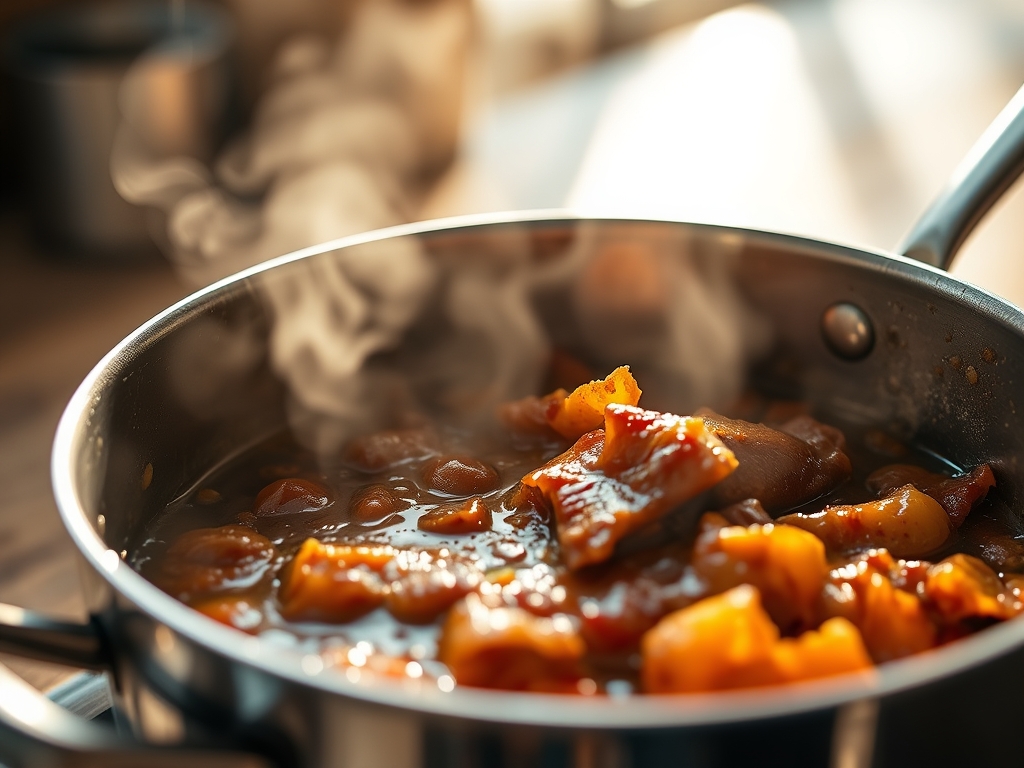
Place all ingredients except the pork into a high-speed blender or food processor. Pulse until the mixture reaches a viscous, slightly chunky consistency. Do not over-process into a smooth liquid; you want small fragments of aromatics to cling to the meat and form a crust.
Pro Tip: Use a digital scale to measure your aromatics by weight rather than volume. The density of chopped ginger and garlic varies wildly; weight-based precision ensures the capsaicin-to-allspice ratio remains consistent across every batch you produce.
2. Structural Scoring and Infusion
Take your pork shoulder and use a sharp boning knife to score the fat cap in a crosshatch pattern, cutting about 1 inch deep. Rub the marinade aggressively into these fissures. Place the meat in a non-reactive glass container or a heavy-duty vacuum bag.
Pro Tip: This is where osmotic pressure comes into play. Use a bench scraper to help move the thick marinade into the deep scores. Refrigerating for at least 24 hours allows the salt to penetrate the protein strands, seasoning the meat from the inside out rather than just on the surface.
3. Thermal Calibration
Prepare your smoker or oven for indirect heat at 135 degrees Celsius (275 degrees Fahrenheit). If using a grill, set up a two-zone fire. Place the pork fat-side up. If you have access to pimento wood chips, use them to infuse the meat with the traditional smoky signature of Jamaican pit cooking.
Pro Tip: Use a dual-probe digital thermometer to monitor both the ambient pit temperature and the internal protein temperature. Maintaining a steady thermal environment prevents the exterior from carbonizing before the interior collagen has reached its melting point.
4. The Maillard Finish
Once the internal temperature hits 88 degrees Celsius (190 degrees Fahrenheit), increase the heat or move the pork directly over the coals. Sear for 5 to 10 minutes per side until the exterior develops a dark, "blackened" bark. This is not burnt meat; it is a concentrated layer of caramelized sugars and toasted spices.
Pro Tip: At this stage, use a saucier to reduce any leftover marinade with a splash of apple cider vinegar. Brush this glaze over the meat during the final sear to create a tacky, high-gloss finish that amplifies the piquant flavor profile.
5. The Rest and Recovery
Transfer the pork to a cutting board and tent loosely with foil. Allow it to rest for at least 30 minutes. This allows the muscle fibers to relax and reabsorb the rendered fats and juices.
Pro Tip: Skipping the rest period is a catastrophic error. Cutting too early causes the internal moisture to flash-evaporate, leaving you with dry, stringy pork. Patience is a technical requirement, not a suggestion.
Section B: Prep & Timing Fault-Lines:
The most frequent human error is "The Heat Spike." If the grill gets too hot too fast, the sugar in the marinade will undergo pyrolysis (burning) before the pork is cooked. Fix: Keep a spray bottle of water and apple juice nearby to douse flare-ups and maintain a humid environment. If you find you are behind schedule, do not raise the temperature; instead, wrap the pork in butcher paper. This "Texas Crutch" method uses steam to accelerate the cooking process without ruining the texture.
THE VISUAL SPECTRUM
Section C: Thermal & Visual Troubleshooting:
Referencing the Masterclass photo, your final product should exhibit a "deep mahogany to obsidian" bark. If your pork looks pale or grey, you likely lacked enough soy sauce or sugar to trigger the Maillard reaction. Fix: Brush with a honey-soy mixture and broil for 3 minutes. If the meat looks "shaggy" or falls apart like pulled pork, you have over-rendered the collagen. True Jamaican Jerk Pork should be sliceable but tender. To prevent this, pull the meat at an internal temperature of 90 degrees Celsius (195 degrees Fahrenheit) rather than the 95 degrees (203 degrees) used for Carolina-style barbecue.
THE DEEP DIVE
Macro Nutrition Profile:
A standard 170g (6 oz) serving contains approximately 420 calories, 32g of protein, 28g of fat, and 8g of carbohydrates. The high fat content is essential for carrying the fat-soluble compounds in the peppers and spices.
Dietary Swaps:
- Vegan: Substitute pork with firm blocks of Jackfruit or thick-cut Cauliflower steaks. Reduce roasting time by 70%.
- Keto: Eliminate the brown sugar and use a monk fruit sweetener or simply rely on the natural sweetness of the onions and peppers.
- GF: Ensure the soy sauce is replaced with Tamari or Coconut Aminos to maintain the savory depth without gluten interference.
Meal Prep & Reheating Science:
To maintain molecular structure, reheat sliced jerk pork in a vacuum-sealed bag in a water bath (Sous Vide) at 70 degrees Celsius. This prevents the fat from separating and keeps the meat from becoming "warmed-over" in flavor.
THE KITCHEN TABLE
Can I use a slow cooker for this?
You can, but you will lose the "bark." Use the slow cooker for the initial tenderizing phase, then finish the pork under a high-heat broiler or on a hot grill to achieve the necessary caramelization and texture.
Is the Scotch Bonnet seed removal necessary?
Only if you want to control the "scorch." Most of the heat is in the pith and seeds. Removing them allows the fruity flavors of the pepper to shine through without overwhelming the palate with pure capsaicin.
Why is my jerk pork bitter?
Bitterness usually stems from burnt garlic or too much nutmeg. Ensure the garlic is processed into the paste so it doesn't sit on the surface as individual pieces that can char and turn acrid during the long roast.
What is the best wood for smoking?
Pimento wood is the authentic choice, but it is hard to find. Allspice berries thrown onto charcoal or using pecan and apple wood provides a similar sweet, nutty smoke profile that complements the pork without overpowering it.