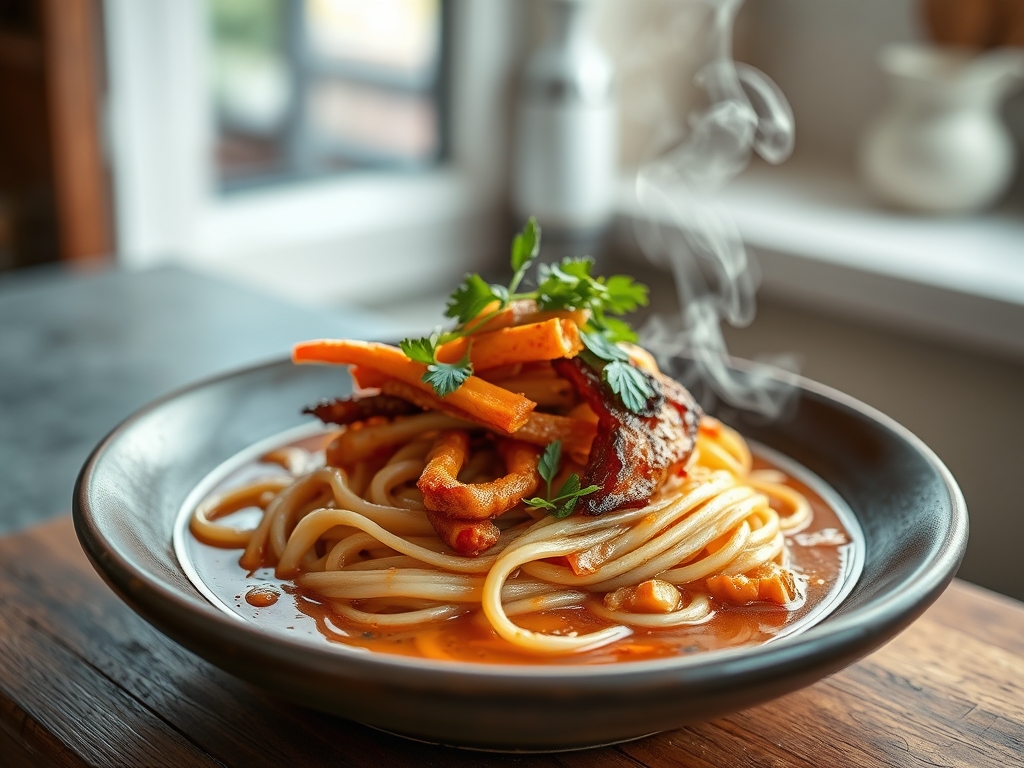
Listen to the sound of a structural failure. It is the wet, apologetic slide of breading slipping off a vegetable surface. In the high stakes world of appetizers, there is no greater sin than the naked cucumber. We are here to perform a full system audit on Spicy Fried Pickles; a dish that demands a violent crunch followed by a piquant, acidic punch. This is not about tossing snacks in a bowl. This is a study in adhesion chemistry and moisture management. We are engineering a barrier that survives the thermal shock of 375 degree oil while maintaining a viscous internal brine. If your batter is weeping or your crust is crumbling, your culinary infrastructure is compromised. We will utilize high-heat stability and specific gravity to ensure every slice is a gold-plated tank of flavor. Forget what you know about casual frying. We are moving into precision execution where the goal is a shattering exterior and a tongue-scorching, spicy interior that refuses to quit.
THE DATA MATRIX
| Metric | Specification |
|---|---|
| Prep Time | 15 Minutes |
| Execution Time | 10 Minutes |
| Yield | 4 Servings |
| Complexity (1-10) | 4 |
| Estimated Cost per Serving | $1.15 |
THE GATHERS
Ingredient Protocol:
- 500g / 16 oz Dill Pickle Slices (Crinkle-cut for maximum surface area)
- 125g / 1 cup All-Purpose Flour
- 60g / 1/2 cup Yellow Cornmeal (Fine grind)
- 5g / 1 tsp Cayenne Pepper (Adjust for heat index)
- 5g / 1 tsp Smoked Paprika
- 2g / 1/2 tsp Garlic Powder
- 240ml / 1 cup Buttermilk (Full fat for protein adhesion)
- 1 Large Egg (Room temperature)
- 15ml / 1 tbsp Hot Sauce (Vinegar-based)
- 1L / 4 cups Neutral Frying Oil (Peanut or Grapeseed)
Section A: Ingredient Quality Audit:
The primary failure point in Spicy Fried Pickles is residual surface moisture. If your pickles are dripping, the steam generated during frying will create a vapor barrier that pushes the batter away from the fruit. Technical fix: Blot the slices between triple-layered paper towels for five minutes before the flour dredge. If your buttermilk is too thin, it will not carry enough flour to build a substantial crust. To fix this, whisk in a teaspoon of cornstarch to increase the viscosity. Finally, check your spices. If your cayenne has lost its vibrant red hue, it has oxidized and lost its piquant edge. Always use fresh, high-volatility spices for a true thermal kick.
THE MASTERCLASS
1. The Desiccation Protocol
The first step is a rigorous drying phase. Lay your pickle slices in a single layer on a clean kitchen towel. Use a second towel to press firmly. We are removing the surface brine to ensure the starch can bond directly to the cellulose.
Pro Tip: Use a digital scale to weigh your flour and cornmeal. Volume measurements are notoriously inaccurate; a "cup" of flour can vary by 20 percent depending on how it is packed. Precision weight ensures a consistent batter thickness every single time.
2. The Dry-Wet-Dry Sequence
Set up three stations. Station one is seasoned flour. Station two is the buttermilk, egg, and hot sauce mixture. Station three is the flour and cornmeal blend. Dredge the pickle in station one to create a "primer" coat. Dip into the liquid to infuse the surface with moisture, then drop into station three for the final structural layer.
Pro Tip: Use a bench scraper to keep your workstation clean between batches. This prevents the "club hand" effect where batter builds up on your fingers, ensuring you maintain a clean, thin coating on the pickles rather than a thick, doughy mess.
3. Thermal Calibration
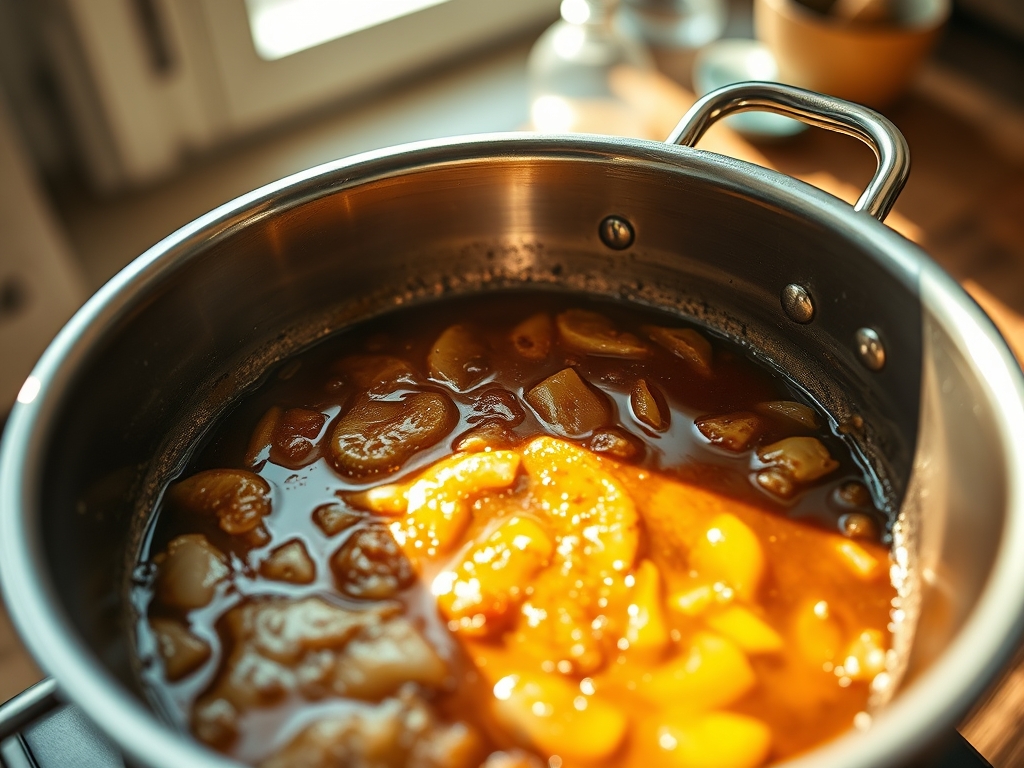
Fill a heavy-bottomed saucier or cast iron skillet with oil. Heat to exactly 375 degrees Fahrenheit. Do not guess. If the oil is too cool, the batter will absorb fat and become greasy. If it is too hot, the exterior will undergo the Maillard reaction too quickly, leaving the pickle raw and cold inside.
Pro Tip: Use an infrared thermometer or a clip-on probe to monitor the oil. When you add the pickles, the temperature will drop. You must adjust your heat source to compensate and bring the oil back to the target range immediately.
4. The Aeration Fry
Drop the pickles in small batches. Do not overcrowd the vessel. Use a slotted spoon to move them gently, ensuring the oil can aerate around each slice. This prevents the pickles from sticking together and ensures a 360-degree crunch.
Pro Tip: Use a spider strainer to remove the pickles once they reach a deep amber color. This tool allows oil to drain instantly, preventing the "pooling" effect that leads to soggy bottoms.
Section B: Prep & Timing Fault-Lines:
The most common human error is the "Batch Lag." If you bread all your pickles at once and let them sit while the oil heats, the salt in the brine will draw moisture out, turning your beautiful breading into a gummy paste. Technical fix: Only bread what you can fry immediately. Another timing error is the "Cold Center." If your pickles come straight from a 34 degree refrigerator into the fryer, the thermal delta is too high. Let the pickles sit at room temperature for 10 minutes post-blotting to narrow the temperature gap.
THE VISUAL SPECTRUM
Section C: Thermal & Visual Troubleshooting:
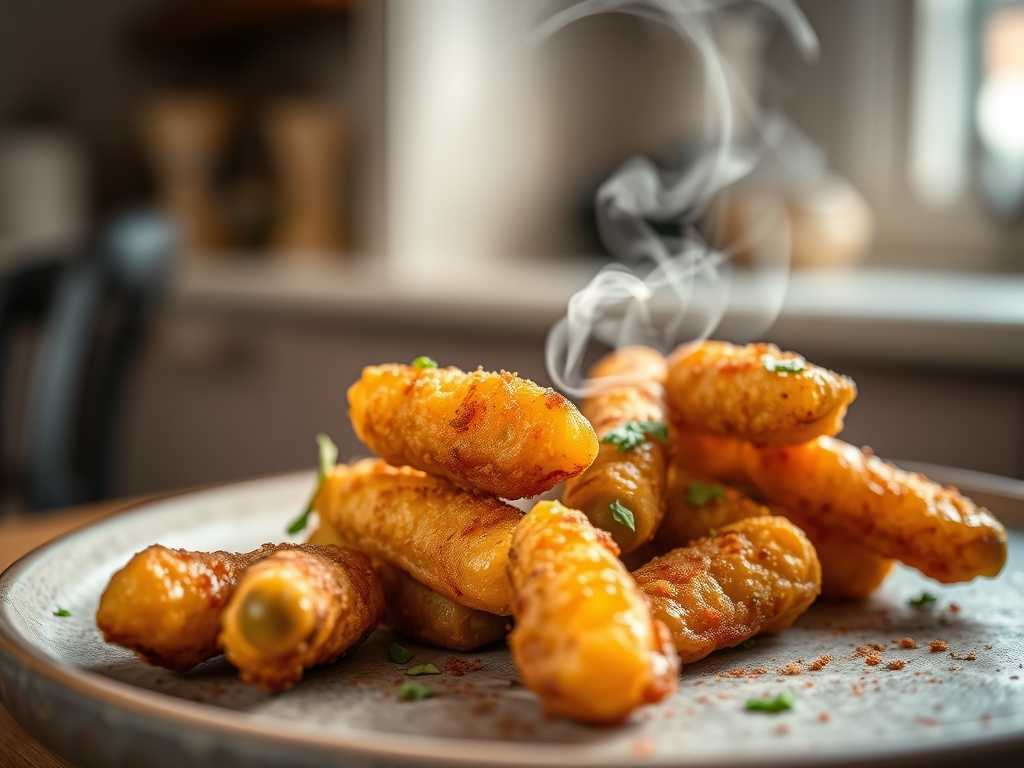
Look closely at the reference image. The pickles should exhibit a rugged, craggy topography with visible flecks of black pepper and paprika. If your pickles look smooth and pale, you have neglected the cornmeal or failed to aerate the batter. If you see dark brown spots but the rest is light, your oil level was too low, causing the pickles to touch the bottom of the pan. If the breading is shattering and falling off in large flakes, you skipped the "primer" flour dredge. A successful audit results in a uniform, golden-bronze shell that clings to every ridge of the crinkle-cut slice.
THE DEEP DIVE
Macro Nutrition Profile:
A standard serving of Spicy Fried Pickles (approx. 100g) contains roughly 220 calories, 12g of fat, 24g of carbohydrates, and 4g of protein. The sodium content is high due to the brining process; expect upwards of 800mg per serving.
Dietary Swaps:
- Vegan: Replace buttermilk with soy milk mixed with 1 tsp of apple cider vinegar. Use a "flax egg" or simply increase the viscosity of the milk with more flour.
- Keto: Swap all-purpose flour for almond flour and use crushed pork rinds instead of cornmeal for the final crunch.
- GF: Utilize a 1:1 gluten-free flour blend and ensure your cornmeal is certified gluten-free.
Meal Prep & Reheating Science:
Fried foods are notoriously difficult to store because the internal moisture migrates to the crust over time. To maintain the molecular structure, do not microwave. Reheat in an air fryer or oven at 400 degrees for 4 minutes. This forces the moisture back into the center and re-crisps the external fats.
THE KITCHEN TABLE
Why is my breading falling off?
This is usually caused by surface moisture. If the pickle is wet when it hits the flour, it creates a layer of steam that detaches the crust. Blot your pickles aggressively before starting the dredging process to ensure a dry surface.
Can I use an air fryer for this?
Yes, but the texture will be different. Spray the breaded pickles heavily with oil to facilitate heat transfer. Without the oil, the flour will remain dry and powdery rather than turning into a crisp, golden shell.
What is the best pickle cut?
Crinkle-cut slices are superior to spears. The ridges provide more surface area for the batter to grip, resulting in a better ratio of crunch to brine. Spears often hold too much internal heat and can cause burns.
How do I make them extra spicy?
Do not just add more cayenne to the flour. Infuse the buttermilk with habanero hot sauce and add a pinch of red pepper flakes to the final breading layer. This creates multiple "layers" of heat that hit at different times.