Welcome to the sensory front lines where the difference between a soggy green spear and a charred masterpiece is measured in microns and seconds. We are moving beyond the amateur realm of "tossing some greens in a pan." This is a full scale Spicy Asparagus Audit designed to optimize the structural integrity and flavor profile of the Asparagus officinalis. When high heat meets the fibrous cellulose of a fresh stalk, we are hunting for that perfect equilibrium: a crisp, snappy exterior transition into a tender, succulent core. We are not just cooking; we are managing a chemical reaction. The goal is to maximize the Maillard reaction on the surface while ensuring the piquant infusion of chili and garlic penetrates the vascular tissue of the vegetable. If your current vegetable game feels sluggish or lacks the punch of a high performance engine, you are in the right place. We are about to recalibrate your kitchen protocols to ensure every bite delivers a sharp, capsaicin-driven kick backed by the earthy sweetness of perfectly caramelized sugars.
THE DATA MATRIX
| Metric | Specification |
|---|---|
| Prep Time | 12 Minutes |
| Execution Time | 8 Minutes |
| Yield | 4 Servings |
| Complexity (1-10) | 4 |
| Estimated Cost per Serving | $2.15 USD |
THE GATHERS
Ingredient Protocol:
- Asparagus Spears: 450g / 1 lb (Trimmed of woody ends).
- Extra Virgin Olive Oil: 30ml / 2 tbsp (High smoke point preferred).
- Red Chili Flakes: 5g / 1 tsp (Adjust for piquant intensity).
- Fresh Garlic: 3 Cloves / 15g (Microplaned for maximum surface area).
- Lemon Juice: 15ml / 1 tbsp (Freshly squeezed for acidity).
- Smoked Paprika: 2g / 0.5 tsp (For depth and color).
- Kosher Salt: 6g / 1 tsp (Diamond Crystal preferred for grain size).
- Black Pepper: 2g / 0.5 tsp (Freshly cracked).
Section A: Ingredient Quality Audit:
The primary failure point in any Spicy Asparagus Audit is the raw material itself. If your stalks are limp before they hit the heat, the cellular walls have already collapsed; no amount of thermal energy can restore that snap. To fix "tired" asparagus, trim the bottom 2cm and submerge the stalks vertically in 50ml of ice water for thirty minutes to rehydrate the xylem. Furthermore, if your garlic has developed a green germ in the center, remove it. That germ contains compounds that turn bitter when exposed to high heat, which will clash with your spice profile. Finally, ensure your oil is fresh. Rancid lipids will oxidize rapidly at high temperatures, leaving a metallic aftertaste that ruins the delicate balance of the piquant rub.
THE MASTERCLASS
1. Structural Preparation and Trimming
Begin by aligning the spears on a heavy duty cutting board. Use a sharp chef knife or a bench scraper to ensure the ends are uniform. Do not rely on the "snap test" as it is inconsistent and wastes edible material. Instead, trim where the green fades into white. Weigh your trimmed yield on a digital scale to ensure your seasoning ratios remain precise.
Pro Tip: Uniformity is the soul of consistency. By ensuring every spear is of equal length and diameter, you prevent the smaller stalks from turning to mush while the thicker ones remain raw and fibrous.
2. The Piquant Emulsion
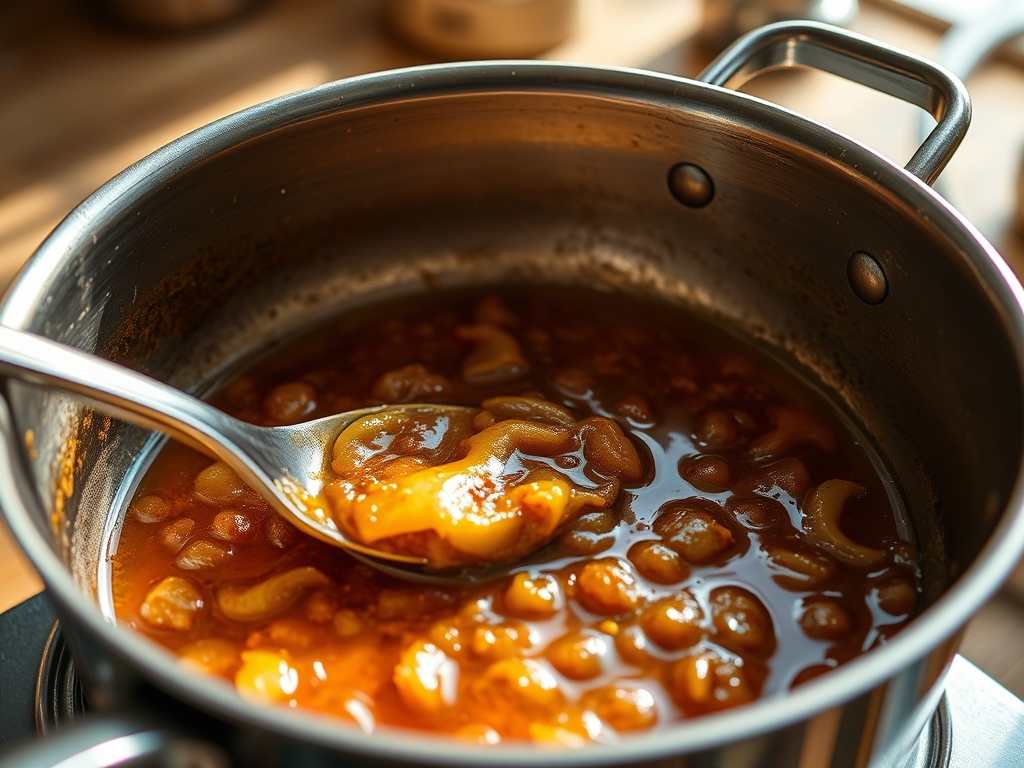
In a small stainless steel saucier, whisk together the olive oil, microplaned garlic, chili flakes, and smoked paprika. Apply low heat for sixty seconds just to infuse the oil with the aromatics. You are not looking to brown the garlic yet; you are simply mobilizing the fat-soluble capsaicin molecules to ensure even distribution across the vegetables.
Pro Tip: This pre-infusion step ensures that the spice is integrated into the oil. This prevents "hot spots" where one bite is bland and the next is an overwhelming blast of heat.
3. Thermal Application and Searing
Heat a heavy cast iron skillet or carbon steel pan until it reaches 200C (400F). Add the asparagus in a single layer. Do not overcrowd the pan, as this causes the temperature to drop and the vegetables to steam in their own moisture rather than sear. Use tongs to rotate the spears every two minutes.
Pro Tip: The goal here is the Maillard reaction. This chemical reaction between amino acids and reducing sugars creates the brown, savory crust. If the pan is too cool, you get "boil-in-the-bag" textures instead of grilled excellence.
4. Deglazing and Finishing
Once the spears show charred "leopard spots," add the lemon juice and a final pinch of salt. The liquid will immediately turn to steam. Toss the spears rapidly to deglaze the pan, picking up any caramelized garlic bits stuck to the bottom. Remove from heat immediately to prevent the residual thermal energy from overcooking the core.
Pro Tip: Adding acidity at the very end brightens the flavor profile without breaking down the chlorophyll, which keeps the asparagus a vibrant, appetizing green.
Section B: Prep & Timing Fault-Lines:
The most common human error in this protocol is "The Crowded Pan Syndrome." When you dump too much mass into the skillet, the thermal mass of the pan cannot recover fast enough. The result is a gray, limp vegetable. If cooking for a large group, execute the audit in batches. Another timing fault occurs with garlic application. If you add raw garlic too early, it burns into bitter carbon before the asparagus is tender. Always use the infused oil method or add garlic in the final 90 seconds of the sear.
THE VISUAL SPECTRUM
Section C: Thermal & Visual Troubleshooting:
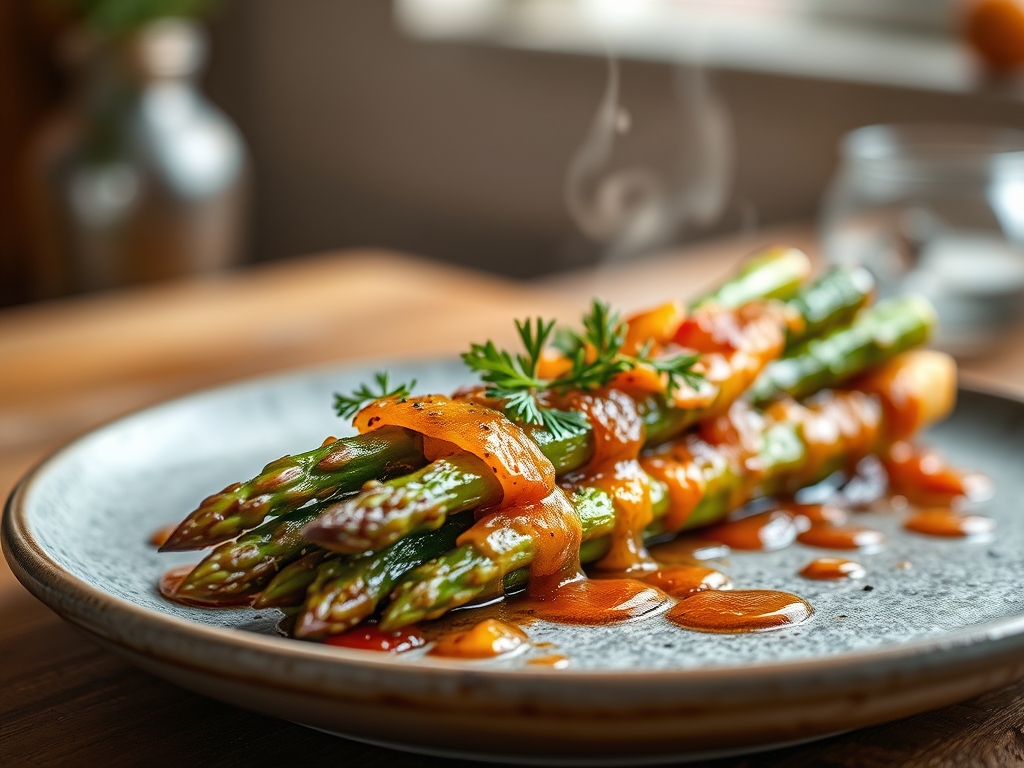
Look closely at the reference image. Notice the high contrast between the bright green flesh and the dark, blistered char marks. If your asparagus looks dull or olive-drab, you have overcooked it, causing the magnesium atom in the center of the chlorophyll molecule to be replaced by hydrogen. This results in a "canned" appearance. If the spears are bright green but have no char, your pan temperature was insufficient. For uneven browning, ensure your spears were completely dry before hitting the oil. Water on the surface of the vegetable acts as a thermal buffer that prevents the temperature from rising above 100C until it evaporates, delaying the sear and overcooking the interior.
THE DEEP DIVE
Macro Nutrition Profile:
Per serving, this dish provides approximately 85 calories, 7g of healthy fats, 4g of fiber, and 3g of protein. It is a micronutrient powerhouse, loaded with Vitamin K, Folate, and Vitamin C. The capsaicin from the chili flakes provides a minor metabolic boost while acting as a natural preservative for the vibrant flavors.
Dietary Swaps:
- Vegan: Already compliant. Ensure your "butter" substitutes (if used) have a high smoke point.
- Keto: High fiber and low net carbs make this an ideal side. Increase olive oil for higher fat macros.
- GF: Naturally gluten-free. Always check that your smoked paprika is not bulked with flour-based anti-caking agents.
Meal Prep & Reheating Science:
To maintain molecular structure for later consumption, undercook the asparagus by 60 seconds and immediately shock in an ice bath to stop the carryover cooking. When reheating, avoid the microwave. The microwave agitates water molecules, which will steam the vegetable from the inside out, resulting in a rubbery texture. Instead, flash-sear the spears in a hot pan for 90 seconds to re-crisp the exterior.
THE KITCHEN TABLE
Why is my asparagus stringy?
This is usually a failure to trim the woody base. The bottom of the stalk contains high concentrations of lignin, which is indigestible and tough. Always trim until you reach the succulent, hydrated portion of the stem.
Can I use frozen asparagus?
Technically yes, but the results will be sub-optimal. Freezing creates ice crystals that puncture cellular walls. When thawed, the asparagus loses its structural turgor pressure, making it impossible to achieve that signature snap.
How do I make it even spicier?
Incorporate the seeds of the chili or add a dash of cayenne pepper to the initial oil infusion. The oil acts as a carrier for the heat, ensuring the capsaicin coats every fiber of the spear.
What if I don't have a cast iron pan?
A stainless steel skillet works, but you must be more vigilant with your oil levels. Stainless steel lacks the non-stick properties of seasoned cast iron, meaning the sugars in the asparagus are more likely to tear.