Listen closely because we are about to dismantle the myth that comfort food must be bland. We are diving into the molecular architecture of the perfect Spicy Mushroom Risotto; a dish that demands respect for its starch structure while delivering a piquant punch that wakes up every dormant taste bud in your mouth. Forget the mushy, uninspired rice of your past. We are targeting a specific texture: the elusive wave of creaminess that occurs when amylopectin is agitated into a silky emulsion. This is not just a meal; it is a high-stakes negotiation between heat, fat, and fungal earthiness. We are looking for that deep, umami-rich foundation provided by roasted mushrooms, sliced thin and seared until they reach the edge of caramelization. Then, we introduce the heat. It is a slow burn that builds at the back of the throat, cutting through the richness of the butter and cheese. This is the audit of your culinary life. If you cannot handle the precision, step away from the stove.
THE DATA MATRIX
| Metric | Specification |
|---|---|
| Prep Time | 20 Minutes |
| Execution Time | 35 Minutes |
| Yield | 4 Servings |
| Complexity | 7/10 |
| Estimated Cost per Serving | $4.50 – $6.00 |
THE GATHERS
Ingredient Protocol:
- 320g / 1.5 cups Arborio or Carnaroli Rice
- 450g / 1 lb Mixed Mushrooms (Cremini, Shiitake, Oyster)
- 1.2L / 5 cups Low-Sodium Vegetable or Chicken Stock
- 150ml / 0.6 cup Dry White Wine (Pinot Grigio or Sauvignon Blanc)
- 2 Large Shallots, finely minced
- 4 Garlic Cloves, microplaned
- 15g / 1 tbsp Calabrian Chili Paste or Red Pepper Flakes
- 60g / 4 tbsp Unsalted Butter, cubed and chilled
- 50g / 0.5 cup Freshly Grated Parmigiano-Reggiano
- 30ml / 2 tbsp Extra Virgin Olive Oil
- 5g / 1 tsp Fresh Thyme leaves
- Fine Sea Salt and Cracked Black Pepper to taste
Section A: Ingredient Quality Audit:
The primary failure point in a Spicy Mushroom Risotto is the moisture content of the fungi. If your mushrooms look slimy or bruised, they will refuse to render their water and will instead steam in the pan. This results in a rubbery texture rather than a crisp, concentrated umami bite. To fix sub-par mushrooms, slice them thinner than usual and sear them in smaller batches. If your rice lacks the chalky white center (the pearl), it is likely old and will shatter during the stirring process, leading to a gluey mess. Always audit your stock before starting; if it tastes like salted water, reduce it by one-third with a dried porcini mushroom to infuse it with necessary depth before it ever touches the rice.
THE MASTERCLASS
1. The Fungal Sear and Maillard Reaction
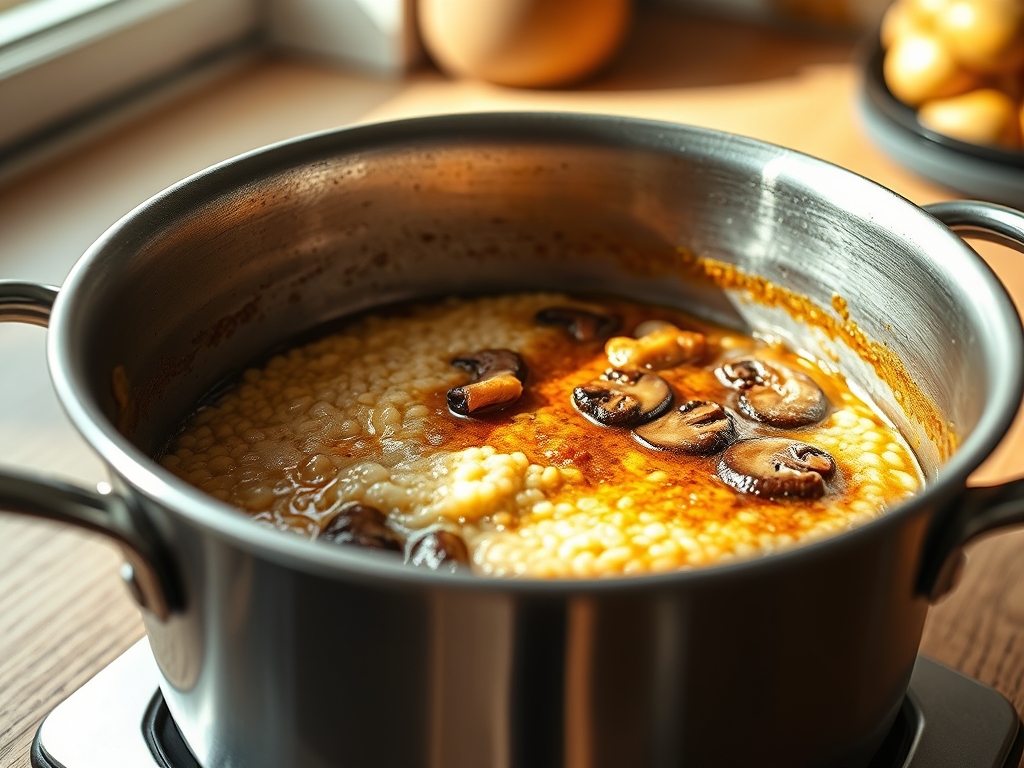
Begin by heating your olive oil in a wide saucier over medium-high heat. Add the mushrooms in a single layer. Do not crowd the pan. Season with salt only after they have browned to avoid premature moisture release. Once they are golden and crisp, remove half for garnish and leave the rest to integrate into the rice.
Pro Tip: Using a heavy-bottomed pan ensures even heat distribution, preventing hot spots that burn the delicate edges of the mushrooms. This phase is about the Maillard reaction, creating complex flavor compounds that cannot be replicated later.
2. The Aromatics and Toasting Phase
Lower the heat to medium and add the minced shallots. Use a bench scraper to ensure all your prep is neatly moved into the pan. Once the shallots are translucent, add the rice. Stir constantly for two minutes until the edges of the grains become translucent but the center remains opaque.
Pro Tip: This "tostatura" phase coats each grain in fat, which helps the rice maintain its structural integrity. If you skip this, the rice will absorb liquid too quickly and lose its "al dente" bite.
3. Deglazing and the Spice Infusion
Incorporate the garlic and Calabrian chili paste, stirring for 30 seconds until fragrant. Immediately deglaze the pan with the white wine, scraping the bottom to release all the browned bits (fond). Stir until the wine has been almost entirely absorbed.
Pro Tip: Use a digital scale to measure your chili paste if you are sensitive to heat. The acidity in the wine is crucial; it balances the viscous nature of the starch and brightens the overall flavor profile.
4. The Gradual Hydration Process
Begin adding the warm stock one ladle at a time. Stir frequently but not violently. Wait until the liquid is 80 percent absorbed before adding the next ladle. This friction between the grains is what releases the starch into the cooking liquid.
Pro Tip: Keeping the stock at a low simmer in a separate pot is non-negotiable. Adding cold stock shocks the rice and halts the cooking process, leading to an unevenly cooked grain with a hard center.
5. The Mantecatura (The Finish)
Once the rice is tender but firm, remove the pan from the heat. This is the most critical stage. Vigorously beat in the chilled butter and Parmigiano-Reggiano. This process, known as mantecatura, creates a stable emulsion between the fats and the starchy liquid.
Pro Tip: Use a wooden spoon or a heat-resistant spatula to aerate the risotto as you stir in the fat. This creates a light, creamy texture rather than a heavy, oily one.
Section B: Prep & Timing Fault-Lines:
The most common human error is the "dump and simmer" mistake. Risotto is not a set-it-and-forget-it dish. If you add all the liquid at once, you are simply boiling rice. Another fault-line is temperature control; if the heat is too high, the liquid evaporates before the starch can gelatinize. If it is too low, the rice becomes bloated. Use an infrared thermometer to ensure your pan stays between 190 and 210 degrees Fahrenheit during the simmering phase.
THE VISUAL SPECTRUM
Section C: Thermal & Visual Troubleshooting:
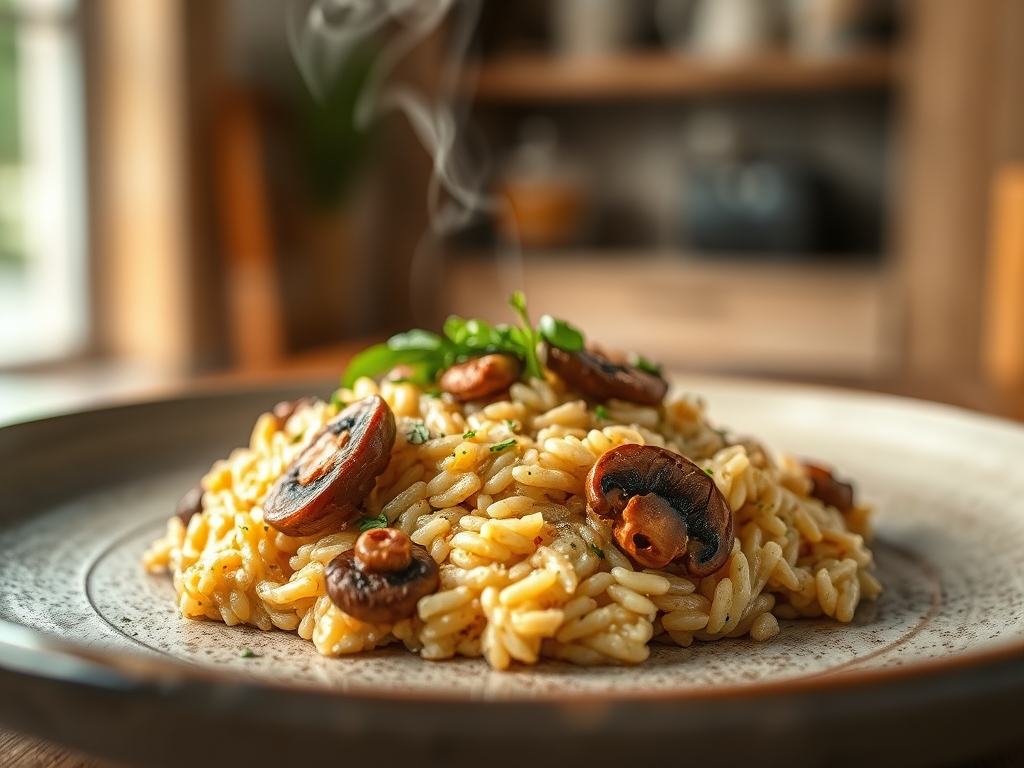
Referencing the Masterclass photo, your Spicy Mushroom Risotto should exhibit a vibrant, golden-red hue from the chili infusion, not a muddy brown. If your dish looks dull, you likely scorched the shallots or used oxidized wine. The texture should be "all'onda," meaning it moves like a wave when you shake the plate. If it stands still like a mountain, it is too dry; whisk in a splash of warm stock immediately. If the mushrooms look grey, you crowded the pan during the sear. To fix this visually, garnish with the reserved crispy mushrooms and a flurry of fresh green herbs to provide a color contrast against the rich, spicy sauce.
THE DEEP DIVE
Macro Nutrition Profile:
A standard serving contains approximately 450 calories, 18g of fat, 62g of carbohydrates, and 12g of protein. The mushrooms provide a significant dose of Vitamin D and selenium, while the chili paste boosts metabolism via capsaicin.
Dietary Swaps:
- Vegan: Replace butter with a high-quality cashew cream and use nutritional yeast or a vegan parmesan alternative.
- Keto: This is a grain-based dish, but you can mimic the profile using riced cauliflower. Reduce the stock significantly and use heavy cream to achieve the emulsion.
- GF: Naturally gluten-free, but always audit your stock brand for hidden wheat thickeners.
Meal Prep & Reheating Science:
Risotto is notorious for thickening into a solid block when cooled. To reheat, add a splash of water or stock and heat gently over low power in a microwave or on the stovetop. Do not boil it, or you will break the emulsion and end up with oily rice.
THE KITCHEN TABLE
Why is my risotto crunchy even after 30 minutes?
You likely had the heat too high, evaporating the liquid before it could penetrate the grain. Or, your stock was not hot enough. Add more liquid and slow down the process.
Can I use regular button mushrooms?
You can, but the flavor profile will be flatter. Button mushrooms have higher water content and less umami. If using them, sear them longer to concentrate the sugars.
What if I made it too spicy?
Do not panic. Add an extra tablespoon of unsalted butter or a dollop of mascarpone. Fat is the molecular "off-switch" for capsaicin, coating the tongue and dulling the heat.
Do I really have to stir the whole time?
Not every second, but frequent stirring is required to create the friction that releases starch. Without it, you will have rice in broth, not a creamy risotto.