Imagine the olfactory equivalent of a high voltage surge hitting your central nervous system. We are not just making soup; we are architecting a liquid equilibrium where the aggressive acidity of lime collides with the earthy, medicinal punch of galangal. Thai Tom Yum Soup is the gold standard of culinary infrastructure. It is a dish that demands respect for the pH scale. One wrong move and you have a muddy, lackluster broth that tastes like wet hay. Do it right, and you achieve a viscous, shimmering elixir that balances the five pillars of Thai flavor: sour, spicy, salty, sweet, and funky. This is high stakes cooking where the volatile aromatics of lemongrass must be trapped before they evaporate into the kitchen vent. We are looking for a broth that is translucent yet deep in character, shimmering with droplets of chili oil that act as tiny flavor grenades. If your pulse isn't quickening at the thought of that first piquant sip, you might be in the wrong kitchen. Let us begin the audit.
THE DATA MATRIX
| Metric | Specification |
|---|---|
| Prep Time | 25 mins |
| Execution Time | 15 mins |
| Yield | 4 Servings |
| Complexity | 7/10 |
| Estimated Cost per Serving | $4.50 |
THE GATHERS
Ingredient Protocol:
- 1 Liter / 4.2 Cups: High quality shrimp stock or filtered water.
- 450g / 1 lb: Large prawns (Head-on, shell-on for maximum flavor).
- 3 Stalks / 60g: Fresh lemongrass (Lower third only, bruised).
- 40g / 1.5 oz: Fresh galangal (Sliced into thin rounds).
- 6 to 8: Kaffir lime leaves (Torn to release essential oils).
- 5 to 10: Thai bird's eye chilies (Crushed based on pain tolerance).
- 200g / 7 oz: Straw mushrooms or oyster mushrooms.
- 30ml / 2 tbsp: Roasted chili paste (Nam Prik Pao).
- 45ml / 3 tbsp: Premium fish sauce (Look for high nitrogen content).
- 60ml / 4 tbsp: Freshly squeezed lime juice (Never bottled).
- 10g / 2 tsp: Coconut sugar or palm sugar.
- 15g / 0.5 oz: Fresh cilantro (Coriander) for garnish.
Section A: Ingredient Quality Audit:
The primary failure point in Thai Tom Yum Soup is the substitution of ginger for galangal. They are not cousins; they are strangers. Ginger is sharp and peppery while galangal is piney and citrusy. If your galangal is woody and dry, double the quantity and increase the infusion time by five minutes. If your prawns lack the "head-on" requirement, your broth will lack the necessary lipids and deep orange hue. To fix a thin, flavorless stock, deglaze your pot with a splash of Thai rice wine or dry sherry before adding the main liquid volume. Finally, if your lime juice tastes bitter, you have over-squeezed the pith. Use a hand-held citrus press and stop before you hit the white membrane.
THE MASTERCLASS
Step-by-Step Execution:
1. The Aromatic Foundation
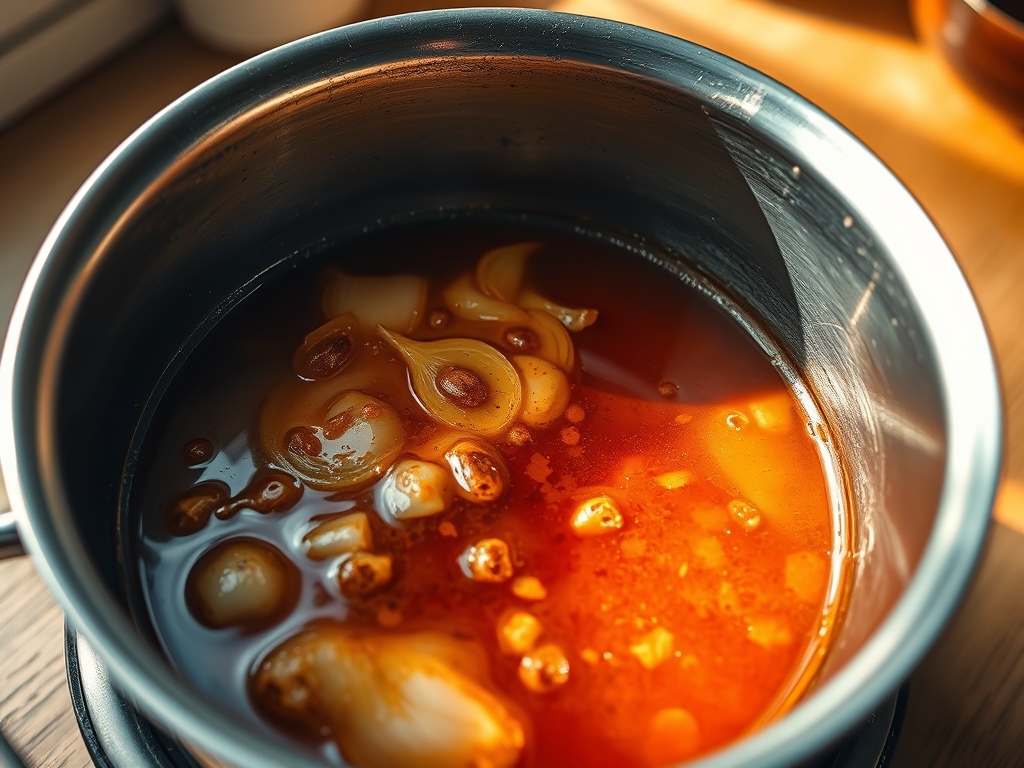
Place your saucier over medium heat. Add the shrimp shells and heads (if detached) with a teaspoon of oil. Render the fat from the heads until the oil turns a bright, sunset orange. Add the bruised lemongrass, galangal, and torn kaffir lime leaves.
Pro Tip: Use a heavy bench scraper or the back of a chef's knife to smash the lemongrass stalks. This ruptures the internal cell walls, allowing the citral compounds to migrate into the fat more efficiently than slicing alone.
2. The Liquid Infusion
Pour in your 1 liter of stock. Bring the mixture to a vigorous boil, then immediately drop to a simmer. Add the crushed chilies. Let the aromatics infuse for exactly eight minutes.
Pro Tip: Use a digital scale to measure your liquid volume. Precision prevents the dilution of the volatile oils released by the galangal. If the liquid reduces too fast, cover the pot to maintain the hydrostatic pressure.
3. The Protein and Fungi Integration
Increase the heat to medium-high. Add the mushrooms and the prawns. Cook until the prawns turn opaque and curl into a "C" shape. This should take no more than 2 to 3 minutes depending on the BTU output of your range.
Pro Tip: Overcooked prawns become rubbery as the proteins tightly cross-link. Use an instant-read thermometer to pull the prawns when they hit 120 degrees Fahrenheit; the carryover heat will finish the job perfectly.
4. The pH Balancing Act
Turn off the heat entirely. This is critical. Stir in the roasted chili paste, fish sauce, and sugar. Finally, whisk in the lime juice. Taste for the "Zesty Equilibrium."
Pro Tip: High heat causes lime juice to turn bitter and destroys the delicate ascorbic acid profile. By adding it off-heat, you preserve the bright, piquant top notes that define the dish's infrastructure.
Section B: Prep & Timing Fault-Lines:
The most common human error is the "Rolling Boil Disaster." If you boil the broth after adding the lime juice and chili paste, the emulsion will break. The chili oil will separate into unsightly greasy slicks rather than integrated droplets. Another timing error is prepping the aromatics too far in advance. Lemongrass and lime leaves begin to lose their aromatic potency the moment they are cut. Prep your vegetables no more than 15 minutes before they hit the heat. If your prawns are frozen, ensure they are fully thawed and patted dry; excess ice crystals will drop the pot temperature and ruin your timing.
THE VISUAL SPECTRUM
Section C: Thermal & Visual Troubleshooting:
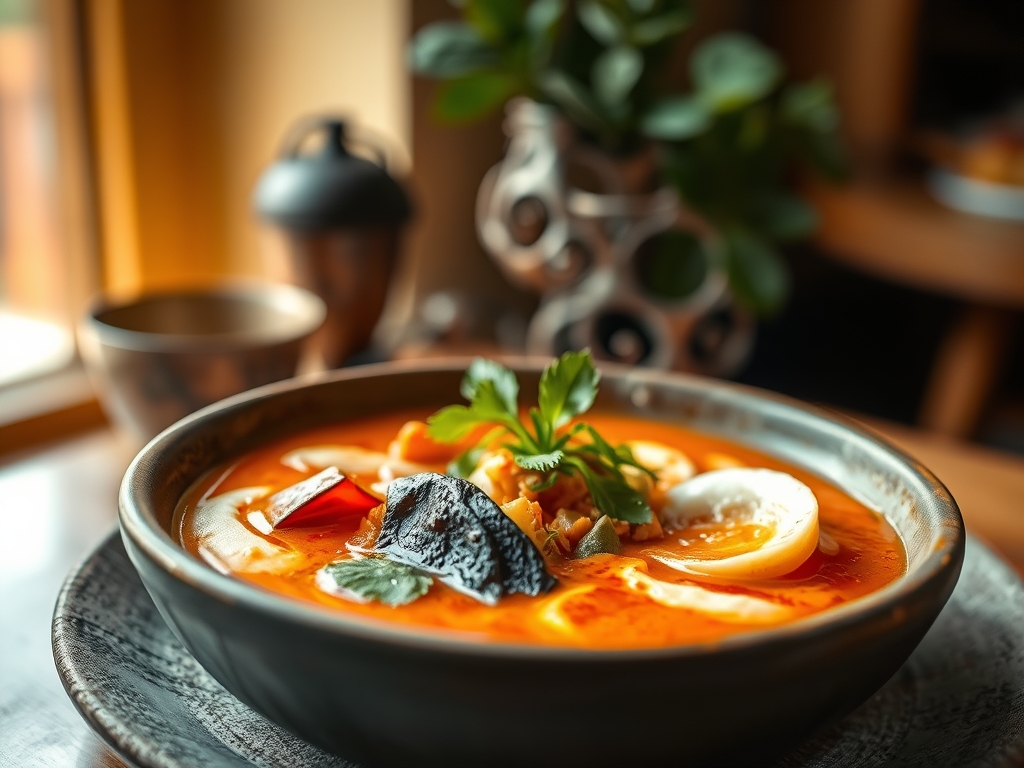
Referencing the Masterclass photo, your broth should possess a vibrant, reddish-orange clarity. If your soup looks "muddy" or brown, you likely scorched the chili paste or used low-quality fish sauce. If the mushrooms look shriveled, they were added too early and have lost their cellular integrity. For a dull color, increase the Nam Prik Pao by 5 grams to re-introduce those rich carotenoids. The prawns should stand proud in the bowl, not submerged; this indicates proper buoyancy and correct broth density. If the lime leaves look brown rather than emerald, they were boiled too long.
THE DEEP DIVE
Macro Nutrition Profile:
A standard serving contains approximately 180 calories, 18g Protein, 6g Fat, and 12g Carbohydrates. It is an electrolyte powerhouse, though the sodium content can be high. To manage this, use a low-sodium base and compensate with extra lime and chili for flavor depth.
Dietary Swaps:
- Vegan: Replace prawns with firm tofu or king oyster mushrooms. Use "No-Fish Sauce" (made from fermented seaweed and soy) and mushroom bouillon.
- Keto: The recipe is naturally low carb; simply ensure the chili paste does not contain added cornstarch or excessive sugar.
- GF: Ensure the fish sauce and chili paste are certified gluten-free, as some brands use wheat as a thickening agent.
Meal Prep & Reheating Science:
To maintain molecular structure, store the broth and the prawns separately. Reheat the broth to a simmer, then drop the cold prawns in for 60 seconds. This prevents the "rubber texture" syndrome. Do not microwave; the uneven dielectric heating will toughen the seafood.
THE KITCHEN TABLE
Why is my soup not spicy enough?
You likely didn't bruise the chilies. The heat lives in the placental tissue and seeds. Use a mortar and pestle to lightly crush them before adding to the pot to ensure the capsaicin is fully released into the liquid.
Can I eat the lemongrass and galangal?
Technically yes, but they are incredibly fibrous. In professional settings, they are left in the bowl for visual authenticity but are considered "structural aromatics" rather than edible components. Think of them as the flavor-giving scaffolding of the soup.
What if I can't find kaffir lime leaves?
There is no perfect substitute. However, a mix of lime zest and a tiny drop of Persian lime oil can mimic the terpene profile. Avoid using "dried" leaves; they taste like dusty cardboard and offer zero aromatic value.
Why did my broth turn cloudy?
Cloudiness usually results from a "hard boil" which emulsifies the fats and proteins into the water. Keep the heat at a gentle simmer to ensure the broth remains clear, vibrant, and aesthetically professional.