Listen up, kitchen operatives. We are not here to stir-fry some soggy leftovers; we are here to engineer a masterpiece of fermented aggression and starch-based structural integrity. Kimchi Fried Rice is the ultimate stress test for your culinary infrastructure. It demands a violent collision of high-heat thermodynamics and the funky, acidic complexity of aged cabbage. When the cold, desiccated grains of rice hit a shimmering film of rendered pork fat, you are witnessing a molecular transformation. The goal is a dish that screams with piquant intensity while maintaining a distinct, chewy grain separation. We are hunting for that elusive socarrat, the scorched bottom layer that provides the crunch to counter the viscous, spicy sauce. This is a high-stakes audit of your ability to manage moisture, heat, and timing. If you fail, you end up with a lukewarm bowl of porridge. If you succeed, you create a bowl of Kimchi Fried Rice so bold it could restart a stalled heart. Prepare your stations.
THE DATA MATRIX
| Metric | Specification |
|---|---|
| Prep Time | 15 Minutes |
| Execution Time | 10 Minutes |
| Yield | 2 Servings |
| Complexity (1-10) | 4 |
| Estimated Cost per Serving | $3.50 |
THE GATHERS
Ingredient Protocol:
- 400g / 3 cups: Day-old cooked jasmine rice (chilled)
- 200g / 1 cup: Aged napa cabbage kimchi (chopped)
- 60ml / 0.25 cup: Kimchi brine (strained)
- 15ml / 1 tbsp: Gochujang (Korean chili paste)
- 30ml / 2 tbsp: Neutral high-smoke point oil or lard
- 100g / 3.5 oz: Pork belly or thick-cut bacon (diced)
- 2 large: Farm-fresh eggs
- 15ml / 1 tbsp: Toasted sesame oil
- 5g / 1 tsp: Toasted sesame seeds
- 2 stalks: Scallions (finely bias-cut)
- 1 sheet: Roasted gim (seaweed), shredded
Section A: Ingredient Quality Audit:
The primary failure point in this operation is the rice. If you use freshly steamed rice, the residual internal moisture will turn your wok into a steam chamber, resulting in a gummy mess. You must use rice that has undergone retrogradation in the refrigerator for at least 12 hours. This process recrystallizes the starches, making the grains firm and easy to aerate. If your kimchi is "fresh," it lacks the lactic acid necessary for that signature punch. Fix this by adding a teaspoon of rice vinegar to the brine to simulate the fermented tang. Finally, ensure your Gochujang is not dried out. If it is too thick, whisk it with the kimchi brine before it hits the pan to ensure it can infuse the rice evenly without clumping.
THE MASTERCLASS
1. The Fat Rendering Phase
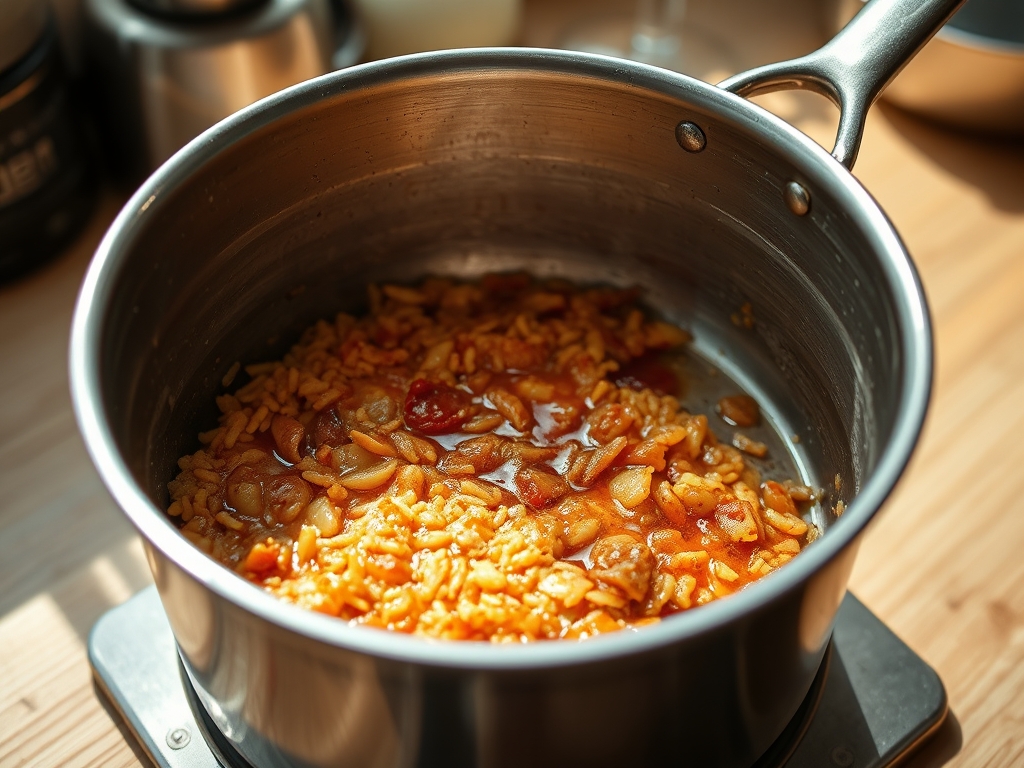
Place your diced pork belly into a cold carbon steel wok or heavy-bottomed saucier. Turn the heat to medium-high. As the pan warms, the fat will render out, creating the lipid base for our fry. We want the pork to be golden and crispy.
Pro Tip: Using a digital scale to measure your proteins ensures consistent fat-to-starch ratios. The rendered fat acts as a thermal conductor, ensuring the rice grains fry rather than steam.
2. The Aromatics and Kimchi Integration
Once the pork is crisp, toss in the chopped kimchi. Sauté for 3 to 4 minutes until the edges begin to caramelize. This is the Maillard reaction in action. Add the Gochujang and stir rapidly to prevent burning.
Pro Tip: Use a stainless steel bench scraper to clear the bottom of the pan if bits start to stick. This ensures you keep those concentrated flavor compounds in the mix rather than lost to carbonization.
3. The Starch Injection
Increase the heat to maximum. Add the cold rice. Use your spatula to break up any clumps, ensuring every single grain is coated in the spicy, fatty emulsion. Pour the kimchi brine around the edges of the pan to deglaze any stuck bits.
Pro Tip: High heat is non-negotiable here. You need the moisture in the brine to evaporate almost instantly, leaving behind only the concentrated flavor and color on the rice.
4. The Emulsion and Finish
Fold in the sesame oil and half of the scallions. Toss vigorously for 60 seconds to aerate the mixture. In a separate non-stick pan, fry your eggs sunny-side up until the whites are set but the yolks remain viscous.
Pro Tip: A heavy-duty spatula is your best friend here. It allows you to press the rice against the hot metal to develop that charred, smoky flavor known as "wok hei."
Section B: Prep & Timing Fault-Lines:
Timing is the silent killer of great Kimchi Fried Rice. If you add the rice before the kimchi has properly caramelized, you lose the depth of flavor. If you wait too long after adding the sesame oil, the delicate volatile aromatics will evaporate, leaving you with a flat finish. Use a kitchen timer to ensure your pork renders for at least five minutes. This creates the necessary thermal reservoir in the pan. If the pan temperature drops too low when the rice is added, stop stirring for 30 seconds to allow the heat to recover before continuing the toss.
THE VISUAL SPECTRUM
Section C: Thermal & Visual Troubleshooting:
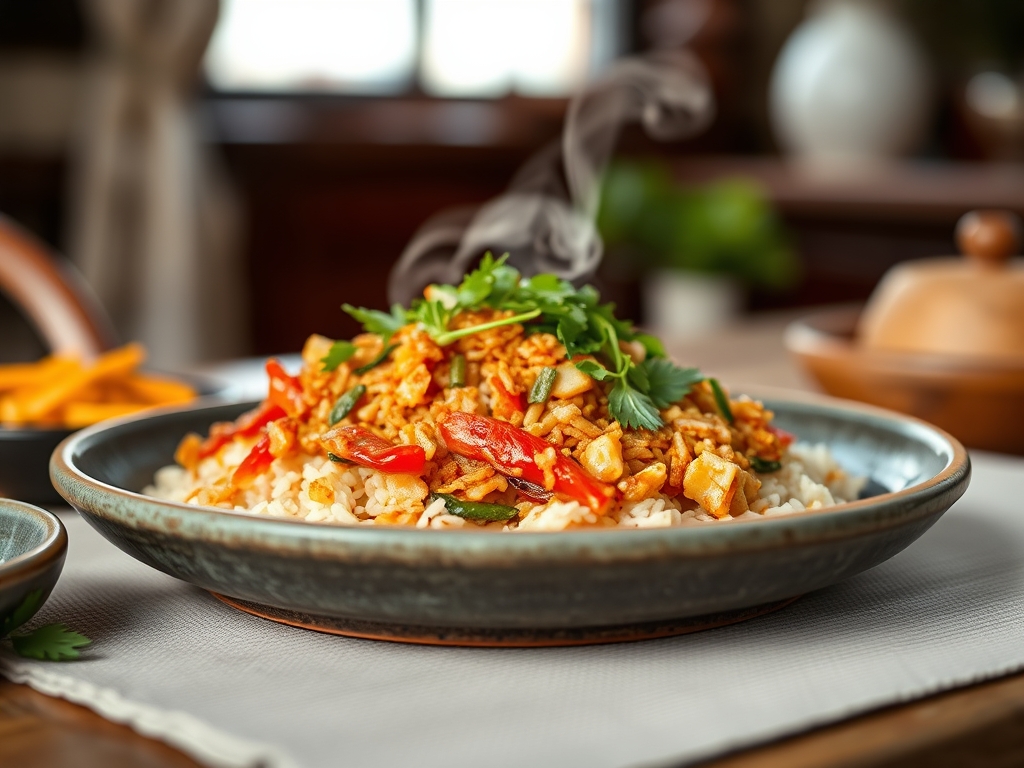
Referencing the Masterclass photo, your final product should exhibit a vibrant, sunset-orange hue, not a dull brown. If your rice looks pale, your Gochujang-to-rice ratio is off or your brine was too diluted. If the rice looks greasy rather than glossy, you likely didn't have enough heat to drive off the moisture, or you used too much oil. Look for the "leopard spotting" on the rice grains; these are tiny charred marks that indicate successful high-heat contact. If the egg yolk is broken or cloudy, your frying temperature was too high or your eggs weren't fresh. A perfect yolk should act as a rich, golden sauce that breaks over the spicy rice upon service.
THE DEEP DIVE
Macro Nutrition Profile:
A standard serving provides approximately 550 calories. You are looking at 18g of protein, 70g of carbohydrates, and 22g of fats. The fermented kimchi provides a significant dose of probiotics, though some are neutralized by high heat. It remains a powerhouse of Vitamin K and riboflavin.
Dietary Swaps:
- Vegan: Replace pork belly with smoked extra-firm tofu and use a vegan-certified kimchi (no shrimp paste). Use a "flax egg" or omit the egg entirely.
- Keto: Swap the jasmine rice for riced cauliflower. Note: Cauliflower has a much higher water content, so you must sauté it longer to achieve a dry texture.
- GF: Ensure your Gochujang is labeled gluten-free, as many commercial brands use barley malt.
Meal Prep & Reheating Science:
To maintain molecular structure when reheating, avoid the microwave if possible. The microwave agitates water molecules, often making the rice mushy. Instead, use a hot skillet with a teaspoon of water and a lid. The steam will revive the grain's interior while the skillet preserves the exterior fry.
THE KITCHEN TABLE
Why is my rice always mushy?
You likely used fresh rice. Fresh rice is saturated with moisture. Use day-old, refrigerated rice to ensure the grains stay separate and firm during the high-heat frying process.
Can I use any type of kimchi?
Technically yes, but aged "sour" kimchi is superior. The increased acidity and softened texture of older kimchi provide a much more complex flavor profile when subjected to caramelization.
What if I don't have a wok?
A heavy cast-iron skillet or a stainless steel saucier works perfectly. The key is heat retention. You need a vessel that won't lose its temperature the moment the cold rice hits the surface.
Is Gochujang mandatory?
It provides the essential backbone of heat and sweetness. If you lack it, a mix of red pepper flakes (Gochugaru) and a touch of honey can work in a pinch, but the texture will differ.