Forget the limp, lukewarm takeout of your past. We are entering the realm of high-viscosity culinary engineering where the humble Spicy Peanut Noodles are transformed into a structural masterpiece. This is not just dinner; it is a study in fluid dynamics and the delicate balance of piquant heat against lipid-rich emulsions. When you execute this dish correctly, you are managing a complex matrix of proteins and sugars undergoing rapid transformation. The air in your kitchen should vibrate with the scent of toasted legumes and fermented chili paste. We are looking for a coating that clings with structural integrity, a sauce that refuses to break, and a heat profile that builds with systematic precision. If you are tired of watery sauces and soggy starch, you have come to the right audit. We are here to optimize your kitchen infrastructure and ensure that every strand of pasta is a conduit for flavor. Let us begin the calibration of your stovetop and the synchronization of your prep station.
THE DATA MATRIX
| Metric | Specification |
|---|---|
| Prep Time | 15 Minutes |
| Execution Time | 10 Minutes |
| Yield | 4 Servings |
| Complexity | 4/10 |
| Estimated Cost per Serving | $2.45 |
THE GATHERS
Ingredient Protocol:
- 340g / 12oz Dry Wheat Noodles (Linguine or Lo Mein)
- 125ml / 0.5 cup Creamy Peanut Butter (Natural, unsweetened)
- 60ml / 0.25 cup Low-Sodium Soy Sauce
- 30ml / 2 tbsp Chili Garlic Sauce or Sambal Oelek
- 15ml / 1 tbsp Toasted Sesame Oil
- 15ml / 1 tbsp Fresh Ginger (Grated)
- 3 cloves Garlic (Microplaned)
- 15ml / 1 tbsp Rice Vinegar
- 10ml / 2 tsp Brown Sugar or Honey
- 120ml / 0.5 cup Reserved Pasta Water (The "Liquid Gold")
- 100g / 1 cup Crushed Roasted Peanuts (For garnish)
- 2 Scallions (Thinly sliced on the bias)
Section A: Ingredient Quality Audit:
The primary failure point in Spicy Peanut Noodles is often the peanut butter itself. If you use a commercial brand loaded with palm oil and stabilizers, your sauce will feel waxy rather than viscous. The fix: Use a "natural" variety where the only ingredients are peanuts and salt. If the oil has separated in the jar, do not just pour it off. Use a high-speed immersion blender to re-incorporate the lipids before measuring.
Second, the acidity. If your rice vinegar has been sitting in the pantry since the last decade, its acetic acid concentration may have degraded. This results in a flat, muddy flavor profile. Taste your vinegar; if it does not provide a sharp, bright snap, double the measurement or supplement with a squeeze of fresh lime juice to infuse the dish with necessary brightness. Finally, ensure your ginger is firm. Shriveled ginger indicates a loss of essential oils, which means your sauce will lack that characteristic zing.
THE MASTERCLASS
1. Hydration and Starch Management
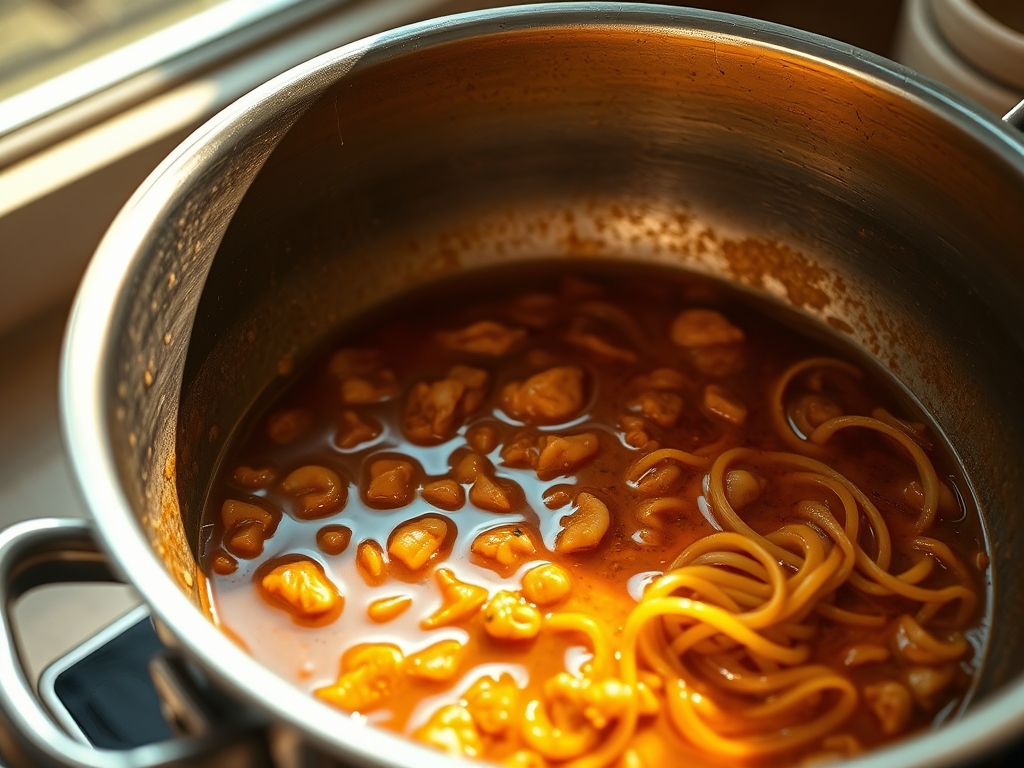
Bring a large pot of salted water to a rolling boil. Add your noodles and cook according to the package instructions, but stop exactly sixty seconds before the "al dente" mark. Use a digital scale to ensure your noodle-to-water ratio is correct. Before draining, use a heat-proof measuring cup to salvage at least 250ml of the starchy pasta water.
Pro Tip: This water is a saturated starch solution. It acts as the primary emulsifier that allows the fats in the peanut butter to bond with the aqueous soy sauce and vinegar. Without it, your sauce will slide off the noodles like rain off a windshield.
2. The Emulsion Matrix
While the noodles boil, grab a stainless steel saucier or a deep mixing bowl. Combine the peanut butter, soy sauce, chili garlic sauce, sesame oil, ginger, garlic, vinegar, and sugar. Use a balloon whisk to aerate the mixture. It will initially look broken and grainy; this is normal. Slowly drizzle in the hot pasta water while whisking vigorously until the mixture transforms into a smooth, glossy, and viscous lacquer.
Pro Tip: The mechanical action of whisking breaks the fat globules into smaller droplets, while the starch from the pasta water coats them to prevent re-coalescence. This is the same principle used in high-end French saucemaking.
3. Thermal Integration
Return the drained noodles to the warm pot or a wide skillet over low heat. Pour the peanut emulsion over the noodles. Use a pair of silicone-tipped tongs or a bench scraper to toss the noodles, ensuring every millimeter of surface area is coated. The residual heat will cause the sauce to thicken and tighten around the pasta.
Pro Tip: Do not overcook at this stage. You are not frying the noodles; you are simply using thermal energy to encourage the sauce to "set." If the sauce becomes too thick, add a tablespoon more of the reserved pasta water to adjust the flow rate.
4. The Final Garnish Architecture
Plate the noodles in deep bowls to retain thermal mass. Top aggressively with crushed peanuts, sliced scallions, and an extra drizzle of chili oil if you desire a higher piquant intensity. The contrast between the soft, yielding noodles and the crunch of the roasted legumes is vital for sensory satisfaction.
Pro Tip: Use a sharp chef knife to slice scallions on a steep 45-degree bias. This increases the surface area for aroma release and provides a professional, "high-infrastructure" visual appeal.
Section B: Prep & Timing Fault-Lines:
The most common human error is the "Cold Sauce Collapse." If you add cold peanut sauce to cold noodles, the fats congeal instantly, creating a gummy mess. You must ensure the noodles are hot and the pasta water is near boiling when the emulsion is formed.
Another fault-line is the "Garlic Burn." If you choose to sauté your garlic and ginger before adding the liquids, do not let them brown. Burnt garlic introduces a bitter alkaloid profile that ruins the sweetness of the peanuts. Use a heavy-bottomed pan to distribute heat evenly and render the aromatics translucent, never carbonized.
THE VISUAL SPECTRUM
Section C: Thermal & Visual Troubleshooting:
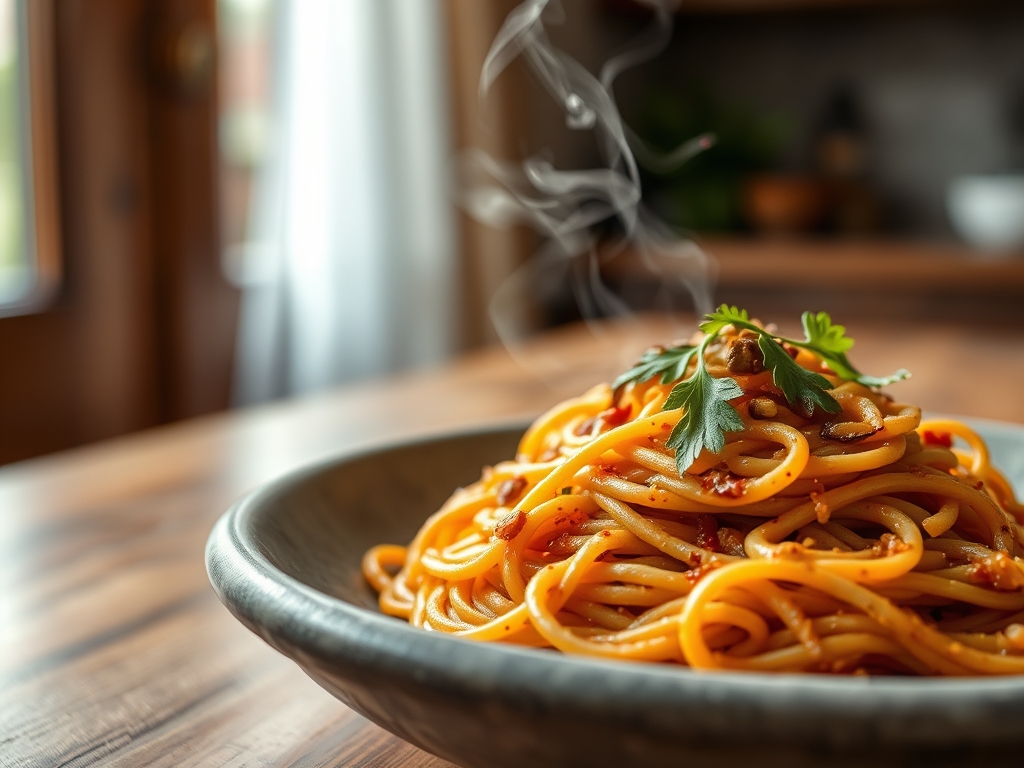
Referencing the Masterclass photo, your Spicy Peanut Noodles should exhibit a deep, ochre hue with visible flecks of chili and herbs. If your dish looks pale or "beige," you likely skimped on the soy sauce or the chili paste. To fix this, add a teaspoon of dark soy sauce for color depth without over-salting.
If the noodles appear dry or matte rather than glossy, the emulsion has broken or the noodles have absorbed too much moisture. To restore the "photo-ready" sheen, whisk a teaspoon of neutral oil with a splash of hot water and toss it through the noodles just before serving. This restores the lipid barrier and gives that professional, high-viscosity glow. If your scallions look wilted, you added them too early; they should always be the final structural addition to maintain their vibrant chlorophyll green.
THE DEEP DIVE
Macro Nutrition Profile
A standard serving provides approximately 450 calories, 15g of protein, 55g of carbohydrates, and 22g of healthy fats. The high protein content from the peanuts makes this a surprisingly satiating vegetarian option.
Dietary Swaps
- Vegan: This recipe is naturally vegan if using maple syrup or brown sugar.
- Keto: Replace wheat noodles with shirataki (konjac) noodles or zucchini ribbons. Note that shirataki noodles require a "dry fry" in a pan to remove excess moisture before saucing.
- Gluten-Free: Swap soy sauce for Tamari or liquid aminos and use rice stick noodles.
Meal Prep & Reheating Science
Peanut sauce undergoes "retrogradation" when cooled; the starches and fats solidify. To reheat, do not use a microwave on high power. Instead, place the noodles in a skillet with a splash of water or milk. Heat gently while stirring to re-emulsify the sauce and restore its original molecular structure.
THE KITCHEN TABLE
Why is my peanut sauce grainy?
This usually happens if the peanut butter contains added sugar that hasn't dissolved or if the garlic wasn't microplaned finely enough. Whisking in hotter pasta water usually resolves the texture by fully dissolving the solids.
Can I use crunchy peanut butter?
Technically, yes, but it disrupts the "silkiness" of the emulsion. For the best structural results, use creamy peanut butter and add fresh crushed peanuts at the end for a controlled, superior crunch.
How do I make it spicier without ruining the flavor?
Avoid adding more vinegar-based hot sauces which can throw off the pH. Instead, infuse your sesame oil with dried red pepper flakes or add a spoonful of high-quality Sichuan chili crisp for pure heat.
What are the best noodles to use?
Fresh alkaline noodles (ramen style) offer the best "chew" and structural integrity. However, standard dried linguine is an excellent pantry-stable substitute because its flat surface area maximizes sauce adhesion.