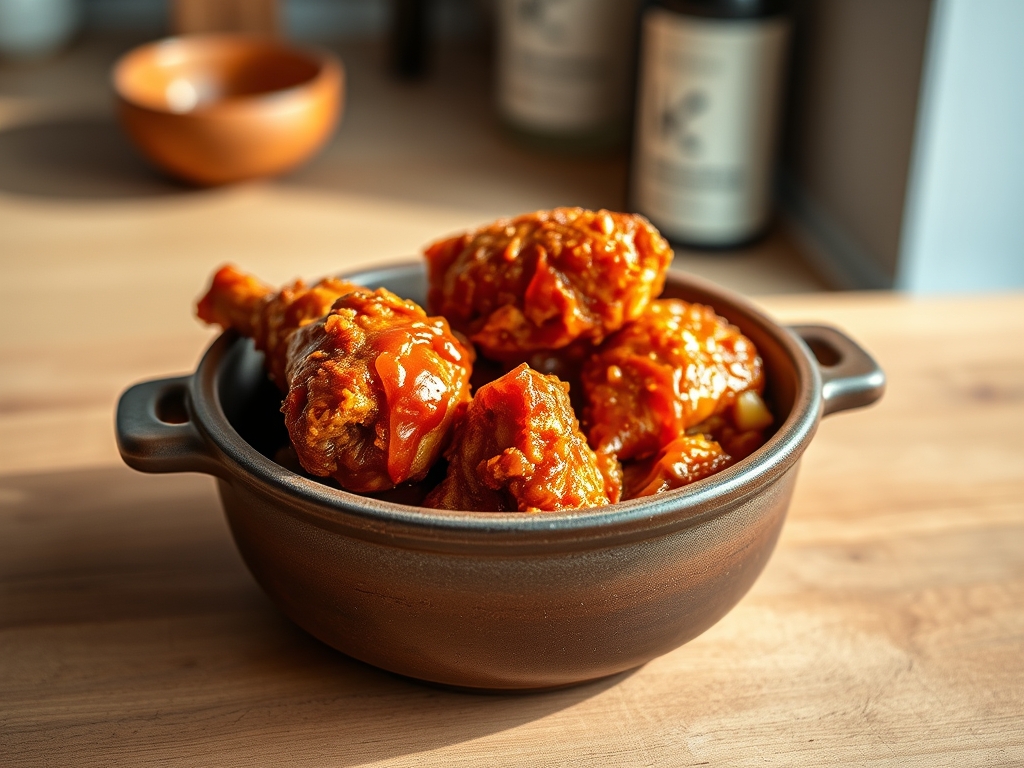
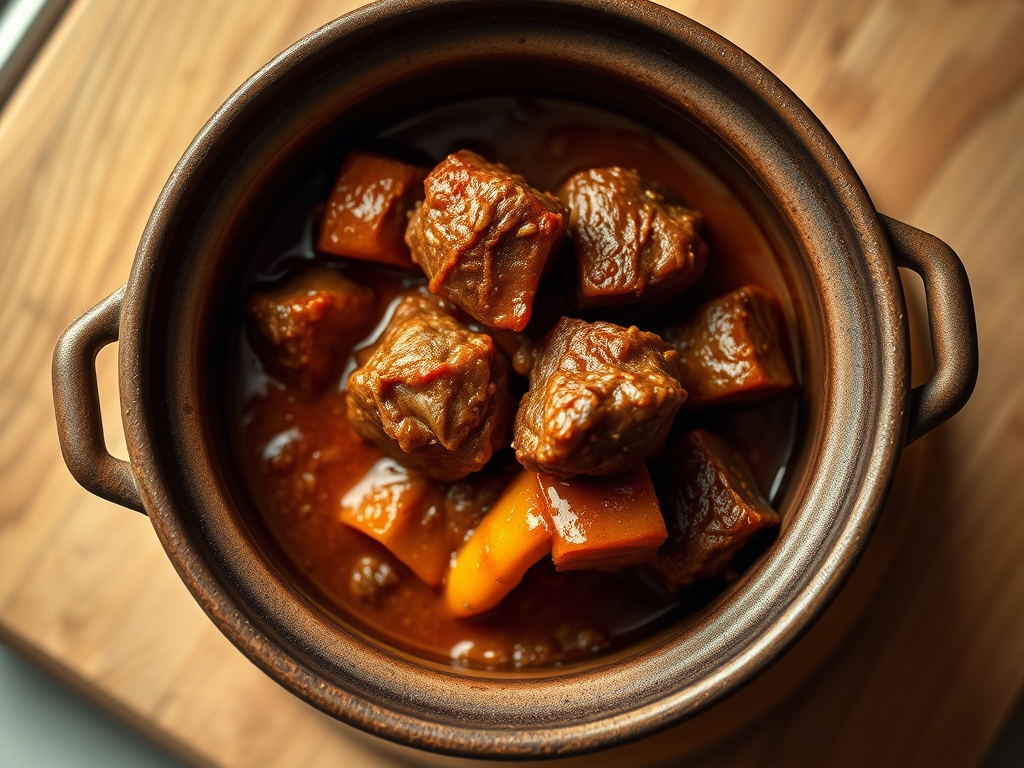
Listen to the sound of fat rendering in a heavy-bottomed pot. It is the percussion of high-stakes chemistry. When you commit to a Spicy Lamb Vindaloo, you are not just making dinner; you are orchestrating a violent yet beautiful collision of acetic acid and capsaicin. The air in your kitchen should turn thick and piquant, carrying the scent of toasted cumin and the sharp, bright sting of vinegar. This is a dish that demands respect for the Maillard reaction. We are looking for that deep, mahogany crust on the protein that signals a complex flavor profile. The lamb must be tender enough to yield to a spoon but resilient enough to hold its structural integrity against a tidal wave of spice. We are building layers here. It starts with the pungent bite of garlic and ginger, moves through the earthy warmth of turmeric, and finishes with the slow, creeping heat of dried chilies. This is the aromatic blueprint of a legend. Strap in, because we are about to turn your kitchen into a high-performance flavor laboratory.
THE DATA MATRIX
| Metric | Specification |
|---|---|
| Prep Time | 45 Minutes |
| Execution Time | 2.5 Hours |
| Yield | 6 Servings |
| Complexity | 8 / 10 |
| Estimated Cost per Serving | $6.50 – $8.50 |
THE GATHERS
Ingredient Protocol:
- Protein: 1.5kg / 3.3 lbs Boneless Lamb Shoulder, cubed into 3cm pieces.
- The Acid: 120ml / 0.5 cup Apple Cider Vinegar or White Wine Vinegar.
- Aromatic Base: 3 Large Yellow Onions (approx. 500g), finely diced.
- The Heat: 10-12 Dried Kashmiri Chilies (soaked and ground) or 15g / 1 tbsp Cayenne.
- Fat Source: 60ml / 4 tbsp Ghee or Neutral Oil.
- Spice Matrix: 10g / 2 tsp Cumin Seeds; 5g / 1 tsp Black Peppercorns; 5g / 1 tsp Turmeric Powder; 5g / 1 tsp Mustard Seeds; 3g / 0.5 tsp Ground Cinnamon.
- Fresh Aromatics: 50g / 1.7 oz Fresh Ginger; 8-10 Garlic Cloves.
- Liquid: 500ml / 2 cups Beef or Lamb Bone Broth.
- Seasoning: 15g / 1 tbsp Kosher Salt (adjust to taste).
Section A: Ingredient Quality Audit:
If your lamb lacks significant intramuscular fat, the dish will turn out lean and stringy. Render the fat properly by selecting shoulder over leg. If your spices are older than six months, they have lost their volatile oils. Revive them by dry-toasting in a stainless steel skillet until they aerate the room with their scent. If your vinegar is too harsh, balance the pH with a teaspoon of jaggery or dark brown sugar during the final simmer. Never use pre-peeled garlic; the sulfurous compounds degrade quickly, leaving a bitter aftertaste that ruins the delicate balance of the vindaloo paste.
THE MASTERCLASS
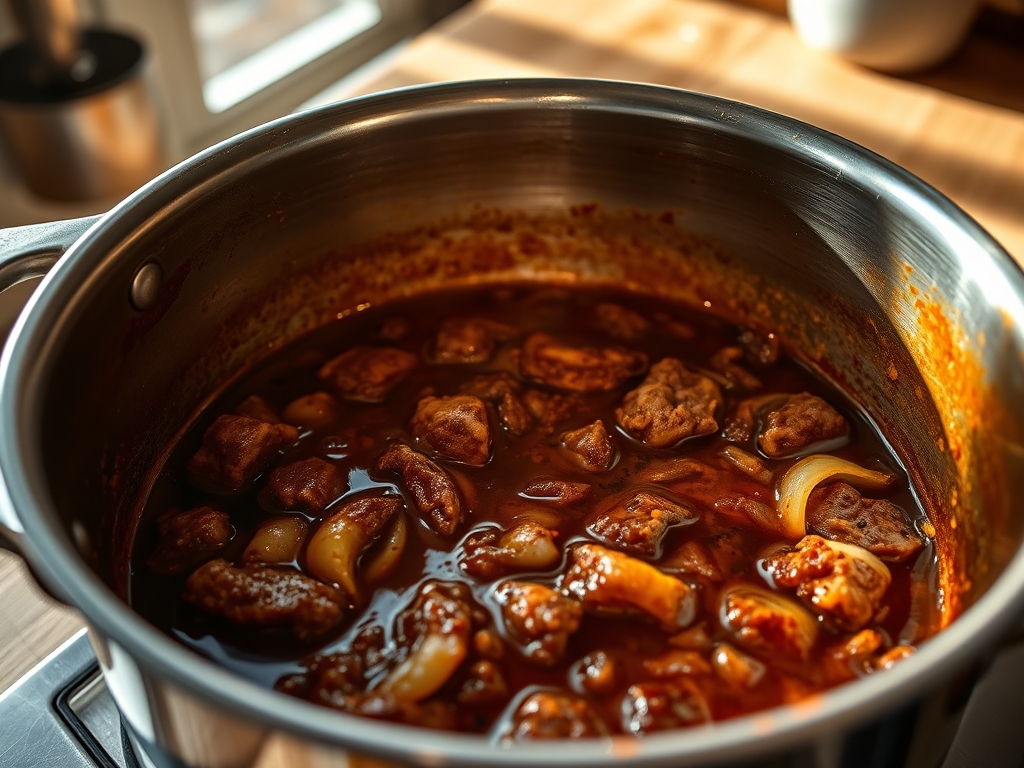
Step-by-Step Execution:
1. The Acidic Infusion
Create a marinade by blending the soaked chilies, ginger, garlic, vinegar, and ground spices into a smooth, viscous paste. Toss the cubed lamb in this mixture. Use a digital scale to ensure spice ratios are exact. Let this sit for at least four hours, though overnight is preferred for cellular penetration.
Pro Tip: The acetic acid in the vinegar acts as a chemical tenderizer, breaking down tough connective tissues before the heat even touches the meat. Using a vacuum sealer can accelerate this process by forcing the marinade into the muscle fibers.
2. The Maillard Foundation
Heat your ghee in a heavy saucier or Dutch oven until it reaches the shimmering point. Remove the lamb from the marinade, scraping off excess paste. Sear the meat in batches. Do not crowd the pan; crowding drops the temperature and causes the meat to steam rather than sear.
Pro Tip: Achieving a deep brown crust is essential for umami. Use a bench scraper to clear any stuck bits between batches to prevent burning, but keep the fond; that caramelized residue is gold.
3. The Allium Reduction
Remove the meat and add the onions to the remaining fat. Sauté on medium-low heat for 20 minutes. You are looking for a deep jammy consistency. Once caramelized, add the remaining marinade paste and cook until the oil begins to separate from the solids.
Pro Tip: This separation, known as "splitting the oil," is a visual cue that the water has evaporated and the spices are now frying in the fat, unlocking fat-soluble flavor compounds.
4. The Slow Braise
Return the lamb to the pot. Add the bone broth to deglaze the bottom, scraping up every bit of flavor. Bring to a gentle simmer, then cover and reduce heat to low. Cook for 90 to 120 minutes until the lamb is fork-tender.
Pro Tip: Use a probe thermometer to monitor the internal liquid temperature. You want a steady 90C (195F) to slowly convert collagen into gelatin without boiling the life out of the protein.
5. The Final Reduction
Uncover the pot for the last 20 minutes. Increase the heat slightly to reduce the sauce until it coats the back of a spoon. Taste for salt and acidity. A final splash of vinegar might be needed to brighten the heavy fats.
Pro Tip: If the sauce is too thin, do not use a starch slurry. Instead, blend a small portion of the cooked onions and lamb and stir it back in to create a natural, rich emulsion.
Section B: Prep & Timing Fault-Lines:
The most common failure is rushing the onion caramelization. If the onions are raw, the sauce will be grainy and overly pungent. If you find the lamb is still tough after two hours, your simmer was likely too low; increase the heat slightly and check every 15 minutes. Temperature control is your primary lever for success. Use a heavy lid to prevent excessive evaporation, which can lead to a salty, burnt bottom.
THE VISUAL SPECTRUM
Section C: Thermal & Visual Troubleshooting:
Look at the Masterclass photo. Notice the deep, brick-red hue and the glossy sheen on the sauce. If your dish looks pale or orange, you likely skimped on the Kashmiri chilies or under-toasted your spices. If the oil is not pooling slightly at the edges, the emulsion has not fully formed or the sauce hasn't reduced enough. The meat should have dark, craggy edges from the initial sear, contrasting with the smooth, thick gravy. If the sauce looks broken or curdled, whisk in a tablespoon of warm water vigorously to re-emulsify the fats.
THE DEEP DIVE
Macro Nutrition Profile:
A standard serving contains approximately 450 calories, 35g Protein, 28g Fat, and 12g Carbohydrates. The high fat content comes primarily from the lamb shoulder and ghee, which provides sustained satiety.
Dietary Swaps:
- Vegan: Swap lamb for extra-firm tofu or seitan; use coconut oil instead of ghee.
- Keto: This dish is naturally keto-friendly; serve with cauliflower rice.
- GF: Naturally gluten-free, but ensure your broth is certified.
Meal Prep & Reheating Science:
Vindaloo is notoriously better the next day. As it cools, the spice molecules continue to infuse into the fat, and the flavors mellow and meld. When reheating, avoid the microwave as it can turn the lamb rubbery. Reheat on the stovetop over low heat, adding a splash of water or broth to loosen the sauce and maintain its molecular structure.
THE KITCHEN TABLE
Why is my Vindaloo too sour?
You likely used a high-acid vinegar or didn't cook the onions long enough to provide a sweet counterpoint. Add a teaspoon of sugar or honey to balance the pH level without thinning the sauce.
Can I use lamb leg instead of shoulder?
Leg is leaner and tougher. If using leg, shorten the searing time and increase the braising time by 30 minutes. Be careful, as it lacks the gelatinous mouthfeel provided by the shoulder's connective tissue.
What if I can't find Kashmiri chilies?
Use a mix of paprika for color and cayenne for heat. Kashmiri chilies are prized for their vibrant red hue and mild-to-medium heat; substituting with pure cayenne will result in a much spicier, less colorful dish.
How do I get that glossy restaurant finish?
The gloss comes from the emulsification of fat and collagen. Ensure you reduce the sauce sufficiently at the end. A cold knob of ghee stirred in at the very end (monter au beurre style) adds extra shine.