Listen to the sound of a structural collapse. It is the distinct, rhythmic crunch of sourdough yielding to the pressure of a serrated blade; a sound that precedes the tectonic shift of molten fats. We are not merely making a sandwich; we are orchestrating a high-stakes thermal event known as the Spicy Grilled Cheese. The air in the kitchen should be thick with the scent of fermented grain and the sharp, piquant sting of capsaicin. This is the intersection of lipid science and heat management. When you bite through that golden, butter-saturated crust, you are encountering the Maillard reaction in its most aggressive form. The interior is a viscous landscape of emulsified proteins, punctuated by the bright, acidic bite of pickled peppers. It is a sensory assault that demands precision. If your cheese is oily rather than creamy, or if your bread is burnt before the core reaches its melting point, you have failed the audit. We are here to ensure that every molecule of fat and every fiber of gluten performs at peak efficiency.
THE DATA MATRIX
| Metric | Specification |
|---|---|
| Prep Time | 10 Minutes |
| Execution Time | 8 Minutes |
| Yield | 1 Serving |
| Complexity (1-10) | 4 |
| Estimated Cost per Serving | $3.50 |
THE GATHERS
Ingredient Protocol:
- 2 slices Sourdough Bread (approx. 2cm / 0.75 inch thick)
- 60g / 2 oz Sharp White Cheddar (aged 12 months)
- 40g / 1.5 oz Monterey Jack (for meltability)
- 15g / 1 tbsp Pickled Jalapeno slices (drained and patted dry)
- 5g / 1 tsp Red Pepper Flakes (to infuse the butter)
- 30g / 2 tbsp Unsalted Butter (room temperature)
- 10g / 2 tsp Dijon Mustard (to emulsify the interior)
Section A: Ingredient Quality Audit:
The primary failure point in a Spicy Grilled Cheese is moisture mismanagement. If your sourdough is too fresh, the high water content will steam the interior, resulting in a soggy structural failure. Use bread that is at least 48 hours old to ensure a lower hydration level. If your cheese "oils out" instead of melting into a smooth ribbon, your heat is too high or your cheese is too young. Aged cheddars have less moisture and can break; always balance them with a high-moisture "bridge" cheese like Monterey Jack or Havarti to maintain a viscous texture. Finally, if your peppers are straight from the jar, they will leak brine into the cheese, causing the emulsion to split. Always press your peppers between paper towels to remove excess acetic acid before assembly.
THE MASTERCLASS
1. The Lipid Infusion
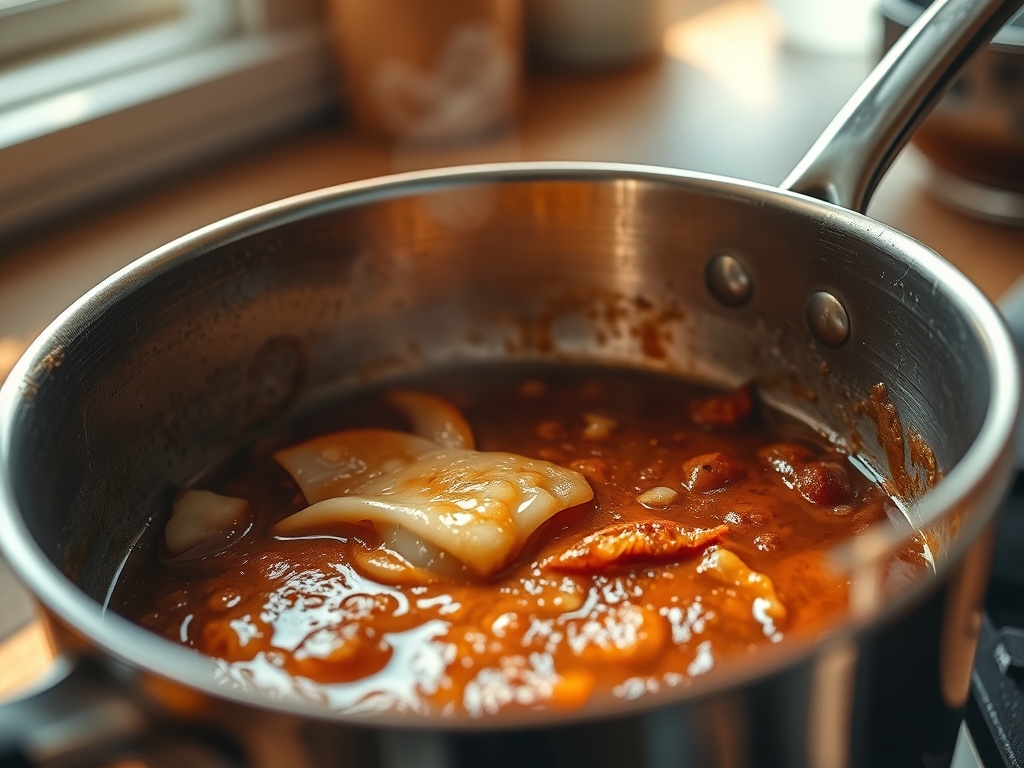
Begin by placing your room-temperature butter in a small saucier or bowl. Incorporate the red pepper flakes and a pinch of sea salt. Use a small offset spatula to cream the mixture until the fats are aerated and the pigments from the peppers begin to infuse the butter with a pale orange hue.
Pro Tip: Aerating the butter increases the surface area, which allows for a more even distribution of heat during the initial contact with the pan. This ensures the Maillard reaction occurs uniformly across the grain of the bread.
2. The Structural Assembly
Lay your sourdough slices on a clean workstation. Use a digital scale to ensure you are distributing exactly 50 percent of the cheese blend on each side. Spread a thin layer of Dijon mustard on the interior faces; this acts as an emulsifier and provides a sharp counterpoint to the heavy fats. Place the peppers in a single, non-overlapping layer.
Pro Tip: Overlapping the peppers creates "cold spots" where the cheese cannot penetrate. A single layer allows the molten cheese to act as a thermal conductor, heating the peppers through to their core.
3. The Thermal Contact
Heat a heavy-bottomed cast iron skillet over medium-low heat. Place the sandwich in the center. Use a bench scraper to periodically press down on the crust, ensuring maximum surface contact. Cover the pan with a lid for the first 120 seconds to trap latent steam, which accelerates the internal melt without scorching the exterior.
Pro Tip: The lid creates a mini-convection environment. This ensures the internal temperature of the cheese reaches the 150 degree Fahrenheit threshold (the "melt point") at the same moment the bread reaches peak caramelization.
4. The Flip and Finish
Once the bottom is a deep, mahogany gold, flip the sandwich. Increase the heat slightly to render out any remaining moisture in the bread. The second side will cook faster because the internal mass is already energized. Remove from heat and let it rest on a wire rack for 60 seconds.
Pro Tip: Resting on a solid surface causes steam to collect under the bread, destroying the crunch you just worked to achieve. A wire rack allows air to circulate, preserving the structural integrity of the crust.
Section B: Prep & Timing Fault-Lines:
The most common human error is "The Flash Burn." This occurs when the cook grows impatient and cranks the dial to high. You end up with blackened carbon on the outside and a cold, unmelted slab of cheese in the middle. Use a laser thermometer to verify your pan surface is between 325 and 350 degrees Fahrenheit. If the butter begins to smoke, you have exceeded the smoke point; wipe the pan and start over. Another fault-line is the "Uneven Shred." Never use pre-shredded cheese from a bag. Those products are coated in potato starch or cellulose to prevent clumping, which interferes with the molecular bonding required for a perfect melt. Always grate your own cheese using a box grater for maximum surface area and purity.
THE VISUAL SPECTRUM
Section C: Thermal & Visual Troubleshooting:
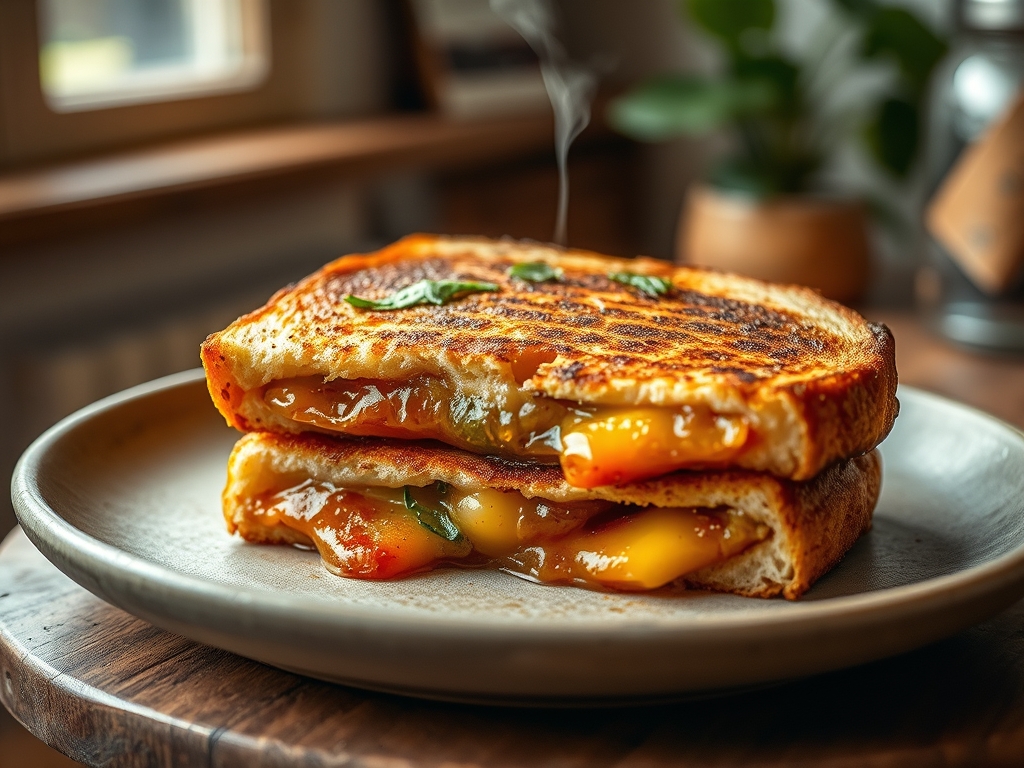
Referencing the Masterclass photo, your Spicy Grilled Cheese should exhibit a "Lace Edge." This is where small amounts of cheese have escaped the bread and fried directly on the pan, creating a crispy, translucent perimeter. If your sandwich looks pale or "blonde," you have pulled it too early; the sugars in the sourdough have not yet fully caramelized. If the cheese looks "shaggy" or separated, you have overheated the proteins, causing them to tighten and squeeze out the fat. The ideal visual cue is a slow, rhythmic "ooze" from the center when sliced. The color should be a vibrant contrast between the dark gold of the toast and the bright green or red of the peppers. If the peppers look dull or grey, they were overcooked; ensure they are tucked deeply within the cheese to protect them from direct pan heat.
THE DEEP DIVE
Macro Nutrition Profile:
A standard execution of this protocol yields approximately 580 calories. This includes 34g of fat, 42g of carbohydrates, and 22g of protein. The high fat content provides significant satiety, while the capsaicin in the peppers provides a minor metabolic spike.
Dietary Swaps:
- Vegan: Substitute the butter with a high-quality cashew-based spread and use a fermented nut-cheese. These do not melt as traditionally, so a lid is mandatory to trap moisture.
- Keto: Replace the sourdough with a "chaffle" (cheese-waffle) or a high-fiber keto bread. Note that keto breads often have higher protein content and burn faster.
- GF: Use a dense, gluten-free artisan loaf. These often lack structural "chew," so increase the cheese volume to act as a secondary binder.
Meal Prep & Reheating Science:
To maintain the molecular structure when reheating, avoid the microwave at all costs. The microwave excites water molecules, turning your crust into a rubbery mess. Instead, use an air fryer at 350 degrees Fahrenheit for 3 minutes. This re-activates the fats in the crust and restores the viscous interior without further dehydrating the bread.
THE KITCHEN TABLE
Why is my grilled cheese oily?
You likely used a high-fat cheese without an emulsifier or cooked it at too high a temperature. The protein matrix collapsed, releasing the butterfat. Use a lower heat and ensure you include a younger, "stretchy" cheese to hold the emulsion.
Can I use fresh peppers instead of pickled?
Yes, but you must render them first. Sauté fresh slices in the saucier until soft before adding them to the sandwich. Raw peppers contain too much water and will prevent the cheese from adhering to the bread.
What is the best bread thickness?
The "Sweet Spot" is 2cm. Anything thinner lacks the structural integrity to hold the molten cheese; anything thicker creates a thermal barrier that prevents the center from melting before the exterior burns.
Why add mustard to a spicy sandwich?
The vinegar and mustard flour act as a chemical bridge. They cut through the heavy lipids of the cheese and butter, brightening the flavor profile and helping to stabilize the melt during the heating process.