Stop treating your kitchen like a hobbyist playground and start treating it like a high-performance laboratory. When the clock hits 9:00 PM and your metabolic reserves are hitting the red line, you do not need a three-hour simmer; you need a 10 Min Spicy Ramen that functions as a precision-engineered delivery system for heat and salt. We are talking about a broth so viscous it clings to the noodle like a velvet shroud. This is not just soup. This is a structural intervention for your hunger. The goal is a piquant profile that hits the back of the palate with the force of a hydraulic press while maintaining a creamy, emulsified base that rounds out the sharp edges of the chili. We are looking for immediate gratification through superior chemistry. By leveraging high-heat aromatics and lipid-based flavor carriers, we can bypass the traditional time-intensive reduction process. This is the ultimate audit of your pantry efficiency. Prepare to calibrate your stove for maximum output.
THE DATA MATRIX
| Metric | Specification |
|---|---|
| Prep Time | 3 Minutes |
| Execution Time | 7 Minutes |
| Yield | 1 Serving |
| Complexity (1-10) | 3 |
| Estimated Cost per Serving | $2.45 |
THE GATHERS
Ingredient Protocol:
- 1 pack Instant Ramen Noodles (discard the flavor packet or save for a dry rub).
- 15ml / 1 tbsp Neutral Oil (Grapeseed or Avocado).
- 2 cloves Garlic (minced).
- 10g / 1 tbsp Fresh Ginger (grated).
- 15ml / 1 tbsp Gochujang or Chili Crisp.
- 15ml / 1 tbsp Soy Sauce (low sodium preferred).
- 5ml / 1 tsp Toasted Sesame Oil.
- 1 Large Egg (Room temperature).
- 30g / 2 tbsp Kewpie Mayonnaise.
- 500ml / 2 cups Water or Low-Sodium Chicken Stock.
- 1 Scallion (finely biased).
Section A: Ingredient Quality Audit:
If your garlic is sprouting green hearts, discard it immediately; that bitterness will compromise the entire infusion process. If your Gochujang has crystallized into a hard paste, whisk it with a teaspoon of warm water before adding it to the pan to ensure an even distribution of heat. For those using sub-par instant noodles, the "fry" on the noodle matters. Look for air-dried varieties if you want a cleaner broth, or standard fried noodles if you require additional rendered fats to thicken the liquid. If the broth feels thin, your mayonnaise-to-liquid ratio is likely skewed toward the aqueous.
THE MASTERCLASS
1. The Aromatic Ignition
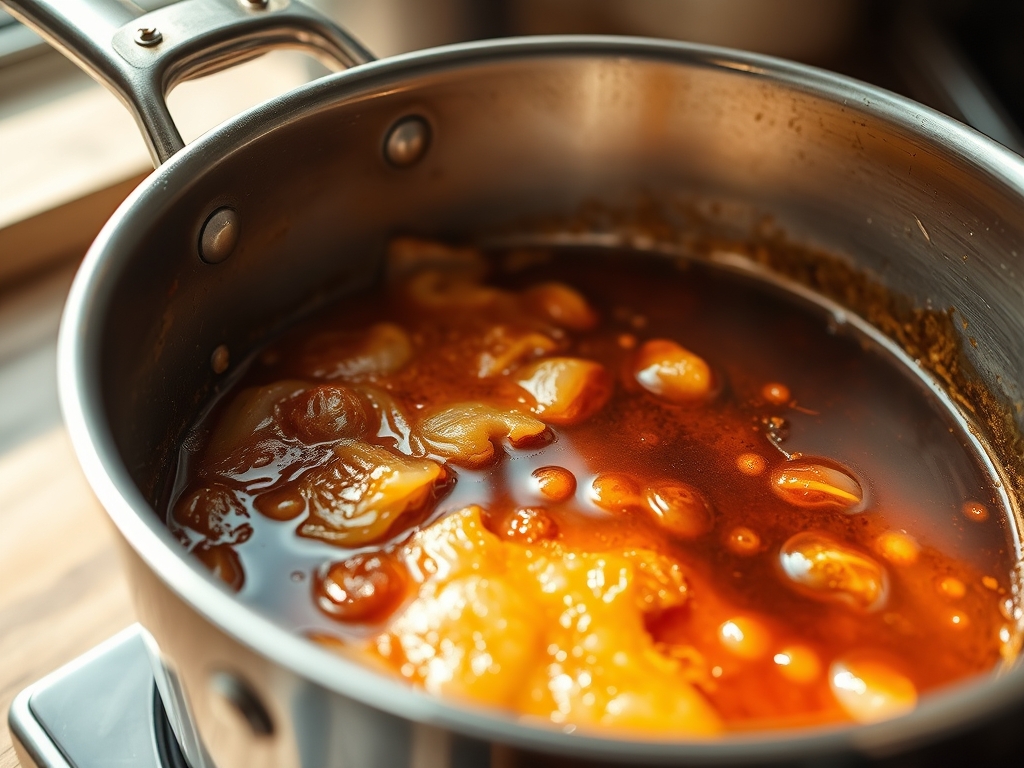
Place your saucier over medium-high heat. Add the neutral oil and immediately introduce the garlic and ginger. You are looking for a rapid sizzle but not a burn. The goal here is to render the aromatic oils into the fat.
Pro Tip: Use a digital scale to measure your ginger and garlic. Consistency is the hallmark of a professional; guessing by "clove size" is a recipe for flavor instability.
2. The Pigment and Piquant Base
Add the Gochujang or chili crisp to the hot oil. Stir vigorously for 45 seconds. This step toasts the peppers and sugar in the paste, initiating a rapid Maillard reaction that deepens the color from bright red to a dark, savory crimson.
Pro Tip: Use a high-heat silicone spatula or a bench scraper to keep the paste moving. If the sugars in the chili paste scorch, the broth will turn acrid.
3. The Emulsion Core
In your serving bowl, whisk the Kewpie mayonnaise, the raw egg, and the soy sauce until the mixture is completely homogenous. This is the secret to a 10 Min Spicy Ramen that tastes like it spent twelve hours on a rolling boil.
Pro Tip: This is a cold-start emulsion. Whisking the egg into the mayo creates a protein-fat matrix that will aerate and thicken once the boiling liquid hits it.
4. The Hydration Phase
Pour the water or stock into the saucier with the aromatics. Bring to a violent boil. Add the noodles and cook for exactly two minutes; they should be slightly underdone, as they will continue to hydrate in the serving bowl.
Pro Tip: Use a timer. Overcooking the noodles by even thirty seconds releases excess starch that will turn your broth into a slurry rather than a refined liquid.
5. The Final Integration
Slowly stream the boiling broth and noodles into the egg and mayo mixture while whisking the bowl contents. This tempers the egg, preventing it from scrambling while creating a creamy, viscous texture.
Pro Tip: Do not dump the broth in all at once. A slow stream allows the proteins to stabilize, ensuring a silk-like mouthfeel.
Section B: Prep & Timing Fault-Lines:
The most common failure in a 10 Min Spicy Ramen is the "Scrambled Egg Syndrome." This occurs when the broth is added to the egg mixture without constant agitation. If you see white flecks of cooked egg, your whisking speed was insufficient. Another critical error is failing to deglaze the bottom of the pan with the stock; those browned bits of chili and garlic contain the highest concentration of umami. Ensure you scrape the bottom of the saucier thoroughly before pouring.
THE VISUAL SPECTRUM
Section C: Thermal & Visual Troubleshooting:
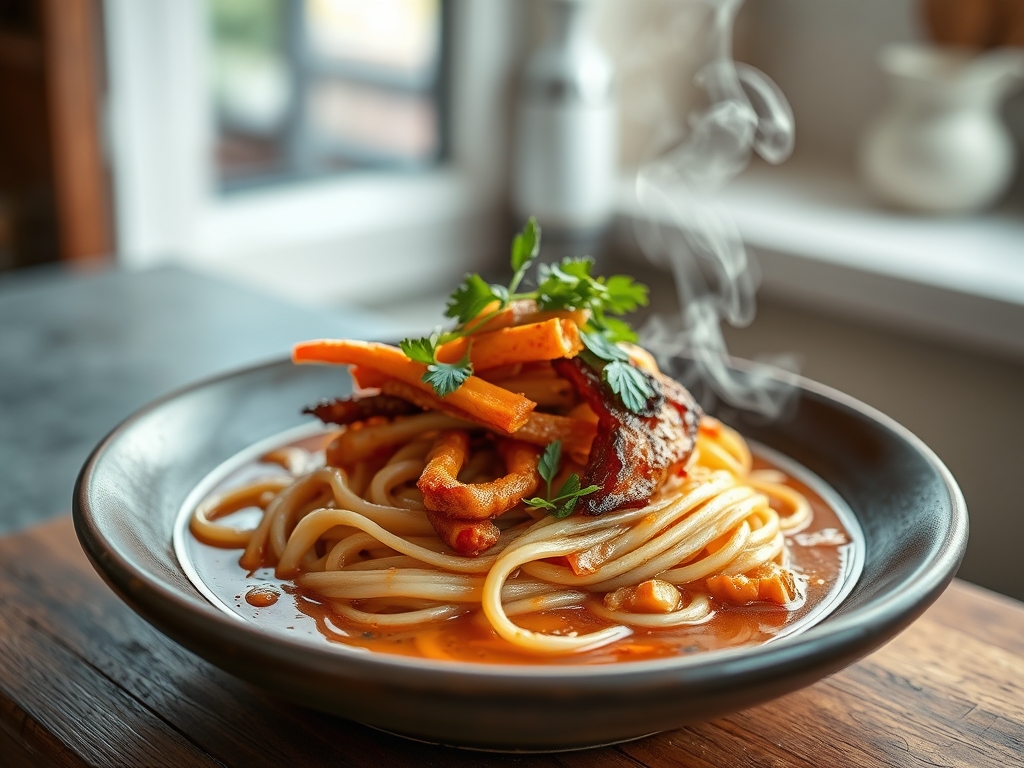
Referencing the Masterclass photo, your broth should exhibit a vibrant orange-red hue with visible droplets of red oil floating on the surface. If your broth looks pale or "milky," you likely over-emulsified or used too much mayonnaise. If the noodles look translucent, they are overcooked and have lost their structural integrity. The scallions should be added at the very last second to provide a sharp green contrast against the deep red of the broth. If your bowl lacks that glossy sheen, a final drizzle of toasted sesame oil will provide the necessary refractive index to make the dish pop.
THE DEEP DIVE
Macro Nutrition Profile:
A standard serving of this 10 Min Spicy Ramen contains approximately 480 calories. You are looking at 14g of Protein (primarily from the egg and noodle wheat), 22g of Fat (from the mayo and oil), and 56g of Carbohydrates. Sodium levels are high; this is a recovery meal, not a low-sodium therapeutic diet.
Dietary Swaps:
- Vegan: Swap the egg and Kewpie for a tablespoon of tahini and a splash of unsweetened soy milk.
- Keto: Replace the wheat noodles with shirataki or zucchini noodles and omit the Gochujang (use sugar-free chili flakes).
- GF: Use tamari instead of soy sauce and opt for brown rice ramen noodles.
Meal Prep & Reheating Science:
To maintain molecular structure, do not store the noodles in the broth. If meal prepping, store the "flavor base" (the emulsified egg/mayo/spice mix) separately from the liquid. When reheating, heat the liquid to a boil first, then whisk it into the base to re-establish the emulsion. Reheating noodles in the microwave is a crime against texture; always use a stovetop for thermal consistency.
THE KITCHEN TABLE
How do I make the broth even thicker?
Reduce the water volume by 50ml or add an extra egg yolk to the emulsion base. The lecithin in the yolk acts as a powerful thickening agent, creating a heavy, luxurious mouthfeel that coats the noodles perfectly.
Can I use regular mayo instead of Kewpie?
You can, but you will lose the specific MSG-driven umami and the slight sweetness that Kewpie provides. If using standard mayo, add a pinch of sugar and a dash of rice vinegar to balance the acidity.
Why is my garlic burning so fast?
Your pan is likely too thin or the heat is too high. Start the garlic in cold oil to allow the flavors to infuse gradually as the temperature rises, rather than shocking the aromatics in a searing hot pan.
My broth separated. What happened?
The broth was likely added too quickly or was not at a rolling boil. A stable emulsion requires the heat to be high enough to partially cook the egg proteins while they are being dispersed by the whisk.