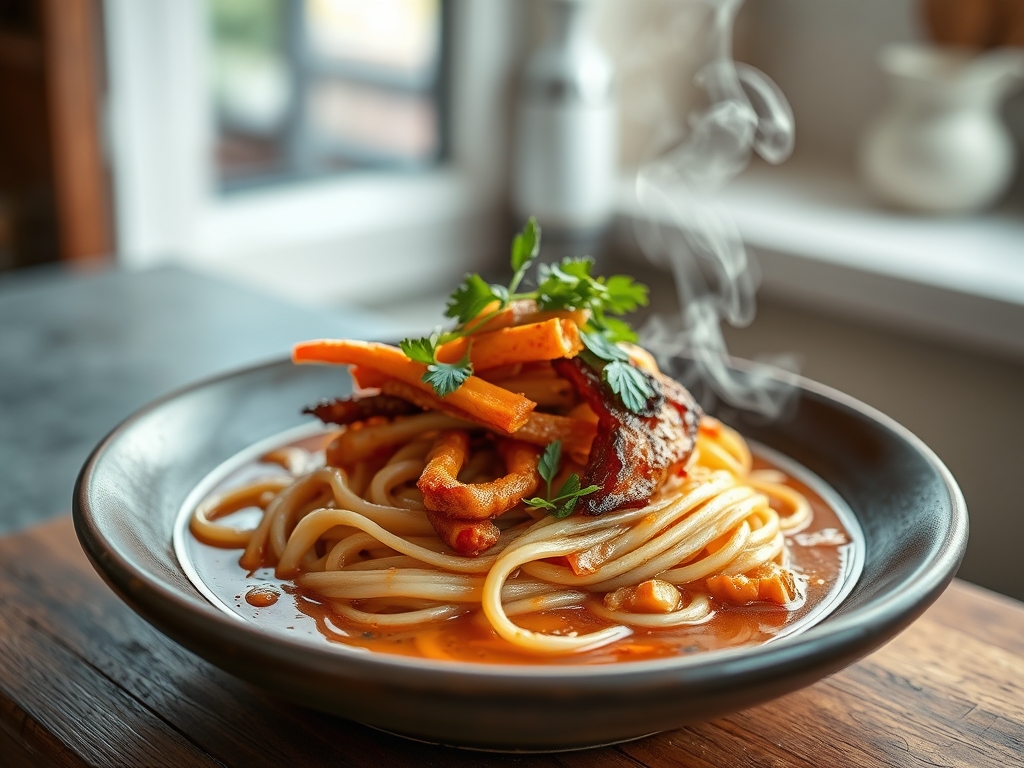
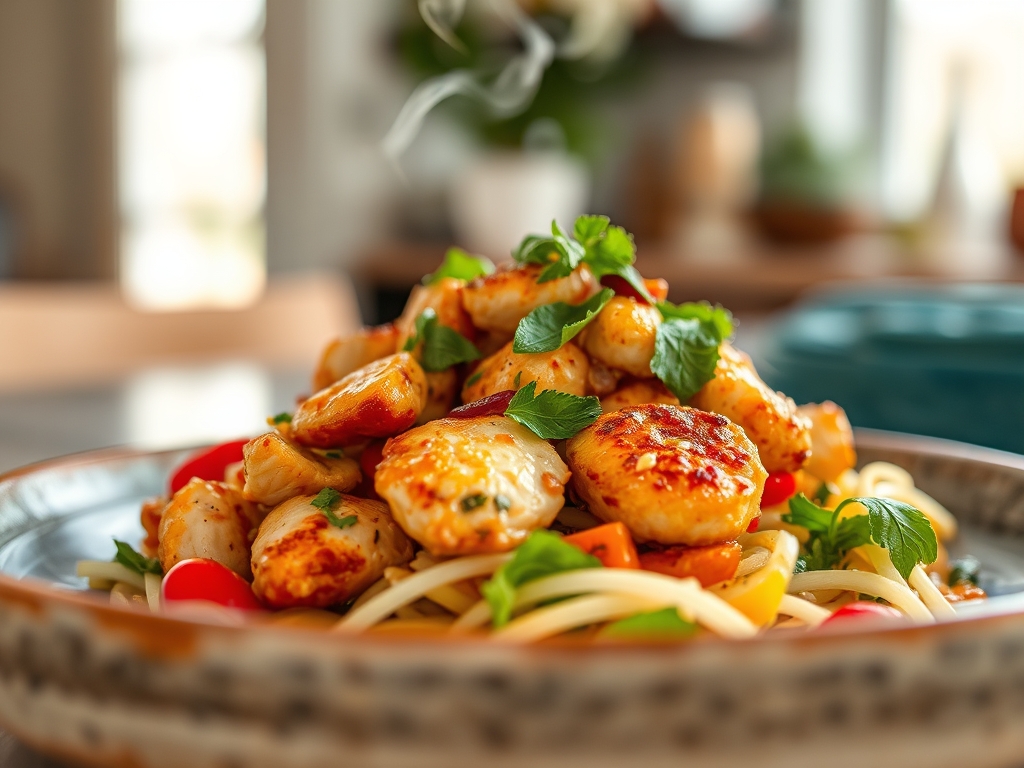
Your kitchen is a structural system; your palate is the ultimate auditor. Forget the soggy, mayonnaise laden tragedies of deli counters past. We are here to engineer a Spicy Chicken Salad that functions as high performance fuel while delivering a piquant sensory overload. This is not just a lunch; it is a study in fiber spice interaction and the precise application of thermal energy to poultry proteins. We are looking for a structural integrity that withstands the fork while offering a viscous, capsaicin infused dressing that clings to every fiber. The goal is a profile where the heat does not just burn; it vibrates against the sweetness of crisp celery and the savory depth of roasted chicken. If your current salad resembles a beige slurry, your infrastructure has failed. It is time for a total system reboot. We are moving from chaotic assembly to disciplined culinary execution. Brace yourself for a masterclass in texture, heat, and nutritional density.
THE DATA MATRIX
| Metric | Specification |
|---|---|
| Prep Time | 15 Minutes |
| Execution Time | 10 Minutes |
| Yield | 4 Servings |
| Complexity (1-10) | 3 |
| Estimated Cost per Serving | $3.25 |
THE GATHERS
Ingredient Protocol:
- Protein: 500g / 1.1 lbs Cooked Chicken Breast (shredded or cubed)
- Aromatics: 120g / 1 cup Celery (finely diced)
- The Heat: 15ml / 1 tbsp Sriracha or fermented chili paste
- Acid: 30ml / 2 tbsp Fresh Lime Juice
- Lipid Base: 120ml / 0.5 cup Greek Yogurt (full fat for stability)
- Fiber: 50g / 0.5 cup Red Onion (minced)
- Seasoning: 5g / 1 tsp Smoked Paprika
- Seasoning: 2g / 0.5 tsp Cayenne Pepper
- Herbs: 15g / 0.25 cup Fresh Cilantro (chopped)
- Crunch: 30g / 0.25 cup Toasted Pepitas or Sunflower Seeds
Section A: Ingredient Quality Audit:
If your chicken is dry and stringy, you have likely over-rendered the proteins during the initial cook. To fix this, infuse the meat with a quick 10 minute soak in a warm saline solution (brine) before assembly. If your Greek yogurt is too watery, it will compromise the viscosity of the dressing. Use a cheesecloth to strain excess whey for 20 minutes; this ensures the sauce remains thick enough to coat the chicken without pooling at the bottom of the bowl. If your spices lack punch, they are likely oxidized. Toast your dry spices in a small saucier for 30 seconds until fragrant to awaken the essential oils before integrating them into the lipid base.
THE MASTERCLASS
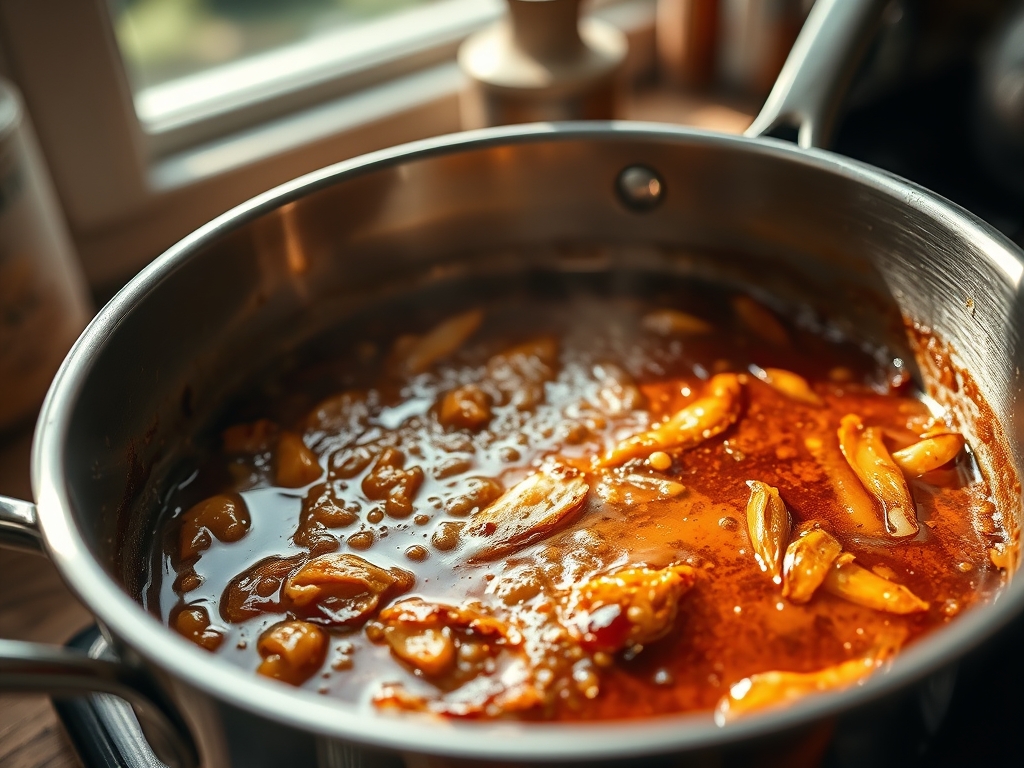
Step 1: The Lipid Emulsification
In a stainless steel mixing bowl, combine the Greek yogurt, lime juice, Sriracha, smoked paprika, and cayenne. Use a balloon whisk to aerate the mixture until it reaches a uniform, creamy consistency.
Pro Tip: Use a digital scale to measure your liquids by weight for absolute consistency. The science here is simple; emulsifying the acid into the fats creates a stable suspension that prevents the dressing from breaking when it hits the salt in the chicken.
Step 2: Precision Aromatic Integration
Add the finely diced celery and minced red onion to the dressing. Use a bench scraper to transfer your knife work from the cutting board to the bowl to ensure no loss of cellular moisture or flavor.
Pro Tip: Cutting your aromatics into a precise 3mm brunoise ensures that every bite has a uniform distribution of fiber. This creates a consistent "crunch" profile that contrasts with the soft protein.
Step 3: Protein Incorporation
Fold in the shredded chicken using a silicone spatula. Ensure every fiber of the meat is coated in the spicy dressing. This is where the viscous nature of the yogurt base becomes critical; it must act as a delivery vehicle for the heat.
Pro Tip: If using freshly cooked chicken, ensure it has cooled to exactly 4 degrees Celsius (40 degrees Fahrenheit). Adding warm chicken to a yogurt base will cause the fats to liquefy, resulting in a broken, greasy texture.
Step 4: Final Texture Calibration
Gently fold in the fresh cilantro and toasted pepitas. Taste for salt and acidity, adjusting with a final squeeze of lime if the heat is too dominant.
Pro Tip: Adding the seeds last preserves their crunch. If they are added too early, the moisture in the dressing will penetrate the seed coat, leading to a loss of structural integrity.
Section B: Prep & Timing Fault-Lines:
The most common failure in Spicy Chicken Salad production is temperature mismanagement. If the salad is left at room temperature for more than 20 minutes, the vegetable fibers will begin to weep water through osmosis. This dilutes the dressing and ruins the mouthfeel. Always chill your mixing bowl in the freezer for five minutes before assembly. Furthermore, do not over-mix. Excessive agitation breaks down the chicken fibers into a mushy paste; use a folding motion to maintain the "chunk" factor that defines a premium salad.
THE VISUAL SPECTRUM
Section C: Thermal & Visual Troubleshooting:
Look at the reference image above. Notice the vibrant orange hue of the dressing; this is achieved through the suspension of paprika and chili oil in the white yogurt base. If your salad looks pale or "muddy," you have likely under-seasoned or used old spices. The chicken should appear as distinct, coated fragments rather than a singular mass. If you see liquid pooling at the edges of the plate, your vegetables were not properly dried after washing. Use a salad spinner or high-absorbency towels to ensure all produce is bone-dry before it enters the system. The green of the cilantro should be bright; if it looks dark or bruised, your knife was dull, causing cellular collapse during the chop.
THE DEEP DIVE
Macro Nutrition Profile:
A single serving of this Spicy Chicken Salad infrastructure delivers approximately 32g of protein, 8g of healthy fats, and 6g of net carbohydrates. The high protein density combined with the thermogenic properties of the cayenne pepper makes this an ideal metabolic catalyst.
Dietary Swaps:
- Vegan: Replace chicken with pressed, cubed extra-firm tofu and swap Greek yogurt for a thick cashew-based cream.
- Keto: Ensure the yogurt is full-fat and increase the pepitas for a higher lipid-to-protein ratio.
- GF: This recipe is naturally gluten-free; however, verify that your chili paste does not contain malt-based thickeners.
Meal Prep & Reheating Science:
Do not reheat this dish. The molecular structure of the yogurt base will collapse under thermal stress, causing the fats to separate and the vegetables to turn limp. For meal prep, store the chicken and dressing separately from the crunch elements (pepitas). Combine them no more than 4 hours before consumption to maintain the optimal fiber spice interaction.
THE KITCHEN TABLE
Why is my salad watery the next day?
Salt draws moisture out of the celery and onions via osmosis. To prevent this, salt your vegetables lightly and let them drain in a colander for 10 minutes before adding them to the final mix.
Can I use chicken thighs instead of breast?
Absolutely. Thighs contain more connective tissue and fat, which provides a richer mouthfeel. However, you must trim excess skin to ensure the dressing adheres properly to the muscle fibers.
How do I make it spicier without ruining the flavor?
Incorporate finely minced habanero or bird's eye chilies. These provide a "clean" heat that cuts through the creaminess of the yogurt without the vinegary tang that excessive hot sauce might introduce.
What is the best way to shred the chicken?
Use two forks or a stand mixer with the paddle attachment while the chicken is still slightly warm. This allows the muscle fibers to separate cleanly before they are chilled for the final assembly.