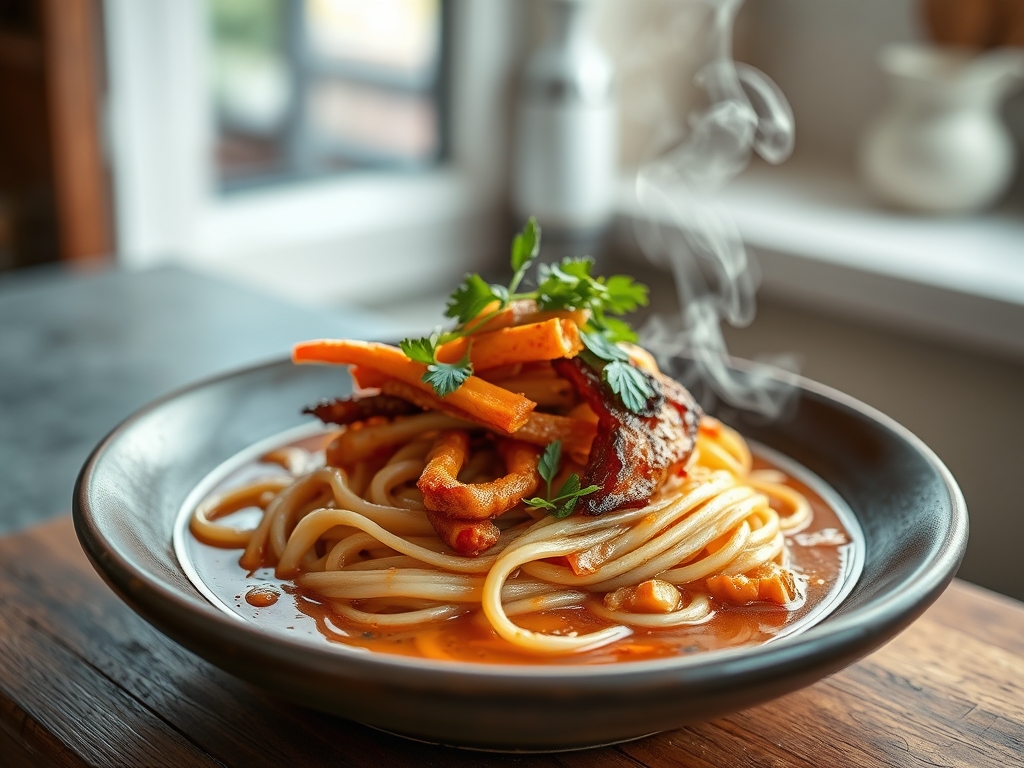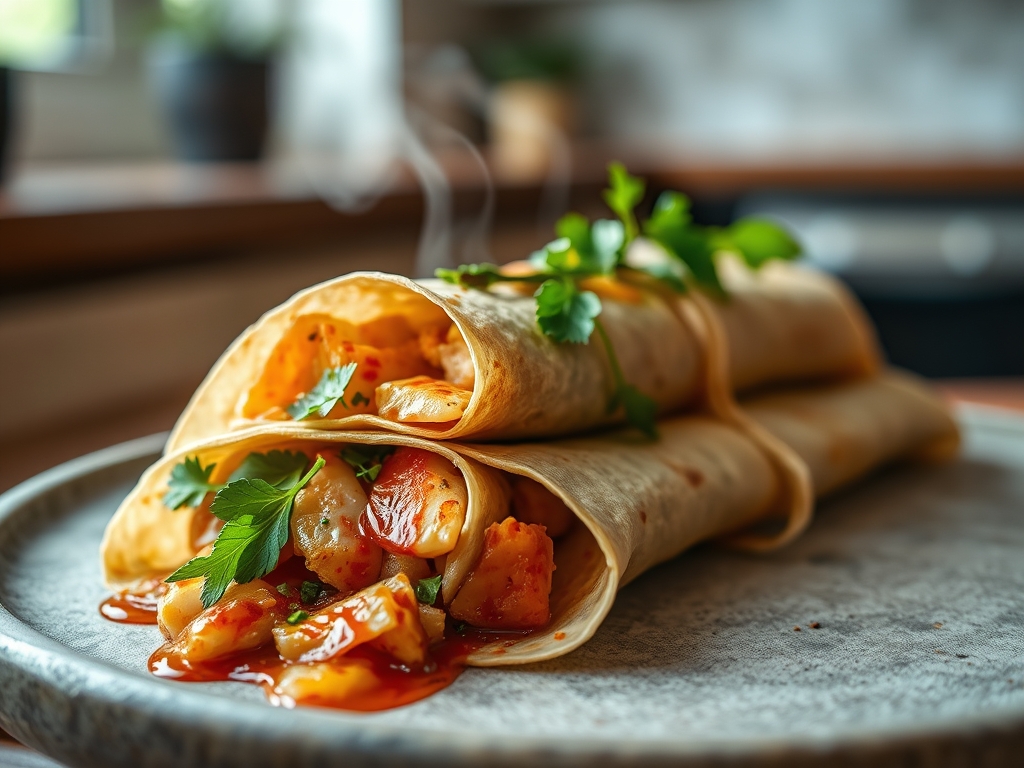
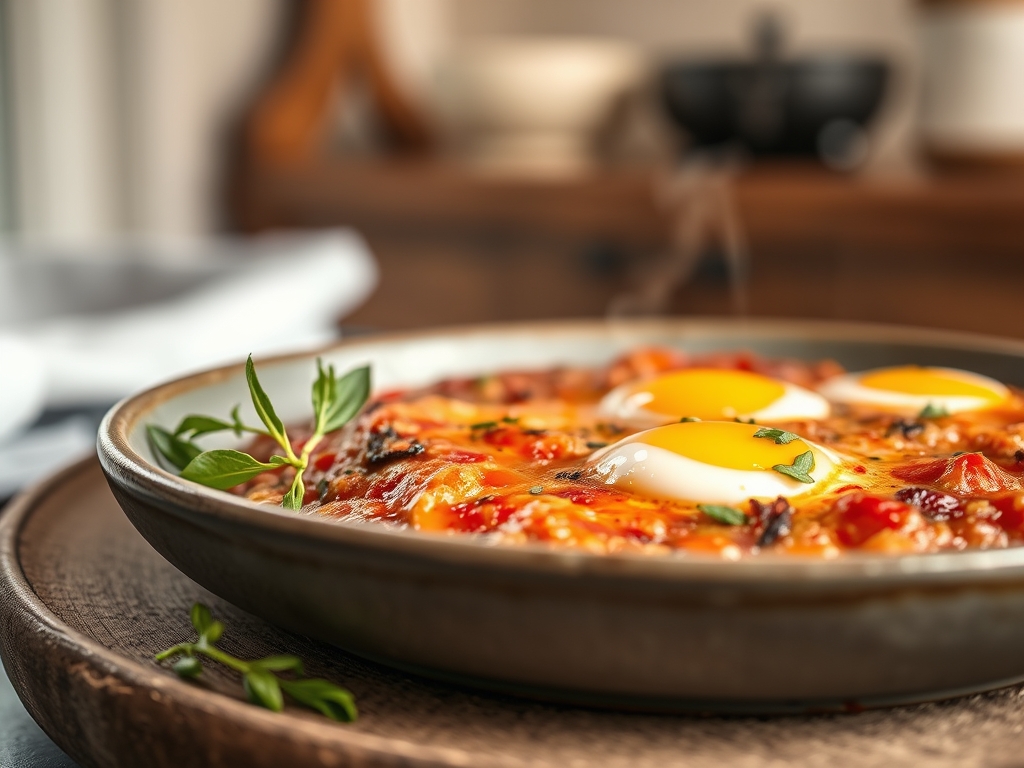
Your kitchen is a high-stakes laboratory where the difference between a masterpiece and a soggy failure is measured in milliseconds and degrees Celsius. We are not just making breakfast; we are engineering a Quick Spicy Shakshuka that demands structural integrity and thermal precision. Imagine the scent of piquant peppers hitting a searing pan, the immediate release of capsaicin molecules, and the hiss of tomatoes undergoing rapid evaporation. This is a culinary audit of your morning infrastructure. If your eggs are rubbery or your sauce is watery, your system has failed. We are here to recalibrate your workflow, ensuring that every bite delivers a viscous, rich tomato base contrasted by the silkiness of a perfectly poached yolk. We are optimizing for speed without sacrificing the complex chemical reactions that define a world-class brunch. Forget the leisurely Sunday simmer. We are deploying high-heat techniques and strategic ingredient layering to achieve a flavor profile that tastes like it spent three hours on the range, but actually took less time than a standard software update.
THE DATA MATRIX
| Metric | Specification |
|---|---|
| Prep Time | 8 Minutes |
| Execution Time | 12 Minutes |
| Yield | 2 Standard Units (Servings) |
| Complexity | 4 / 10 |
| Estimated Cost per Serving | $2.45 USD |
THE GATHERS
Ingredient Protocol:
- 30ml / 2 tbsp Extra Virgin Olive Oil
- 150g / 1 medium White Onion, finely diced
- 100g / 1 Red Bell Pepper, julienned
- 3 cloves Garlic, microplaned
- 15g / 1 tbsp Tomato Paste (Triple concentrated)
- 400g / 14 oz Canned San Marzano Tomatoes (Crushed)
- 5g / 1 tsp Smoked Paprika
- 2g / 0.5 tsp Cumin Seeds (Toasted)
- 1g / 0.25 tsp Cayenne Pepper
- 4 Large Eggs (Grade A, Room Temperature)
- 50g / 2 oz Feta Cheese, crumbled
- 10g / 0.25 cup Fresh Cilantro, torn
Section A: Ingredient Quality Audit:
Sub-par raw materials are the primary cause of systemic dish failure. If your canned tomatoes are overly acidic, do not attempt to mask it with excess sugar; instead, infuse a pinch of baking soda to neutralize the pH levels instantly. If your spices lack potency, they have likely oxidized. To fix this, render them in the hot oil for sixty seconds before adding liquids to "wake up" the fat-soluble flavor compounds. Finally, if using cold eggs directly from the refrigerator, they will plummet the thermal mass of your sauce, leading to uneven cooking. Temper them in a bowl of warm water for five minutes to ensure the whites set while the yolks remain viscous.
THE MASTERCLASS
1. Thermal Priming and Aromatics
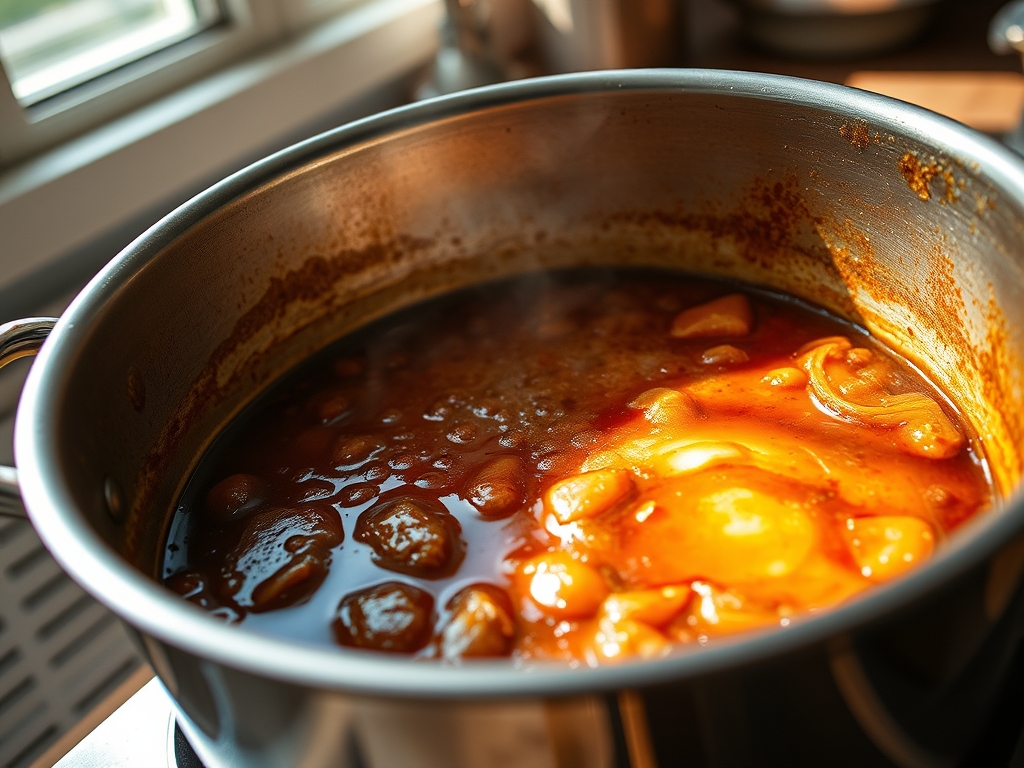
Heat a heavy-bottomed saucier or cast-iron skillet over medium-high heat. Add the olive oil and onion. Sauté until translucent, then add the peppers. You are looking for the Maillard reaction to begin on the edges of the onions.
Pro Tip: Use a digital scale to weigh your aromatics. Consistency in mass ensures consistency in moisture release, preventing your Quick Spicy Shakshuka from becoming a soup.
2. Spice Encapsulation and Deglazing
Push the vegetables to the perimeter and add the tomato paste and dry spices to the center. Let the paste darken to a brick-red hue. This caramelizes the sugars and removes the "raw" metallic taste. Deglaze the pan with a splash of water or vegetable stock if the residue begins to scorch.
Pro Tip: A stainless steel bench scraper is the ideal tool for clearing the "fond" (browned bits) from the bottom of the pan, integrating those deep flavors back into the sauce.
3. Emulsifying the Base
Pour in the crushed tomatoes. Reduce heat to medium and stir vigorously to aerate the sauce slightly and ensure the oil and tomato solids are fully emulsified. Simmer for five minutes until the sauce thickens and can hold a "trench" when a spoon is drawn through it.
Pro Tip: If the sauce looks broken (oil separating), add a tablespoon of water and whisk rapidly. The water acts as a bridge to re-bind the fats and solids.
4. Precision Poaching
Use the back of a large spoon to create four distinct wells in the sauce. Crack an egg into a small ramekin first to check for shell fragments, then gently slide each egg into a well. Cover the pan with a tight-fitting lid for 3 to 4 minutes.
Pro Tip: Use an infrared thermometer to check the sauce temperature before adding eggs. It should be exactly 85C (185F). Anything higher will toughen the egg whites into a rubbery texture.
Section B: Prep & Timing Fault-Lines:
The most common "fault-line" in Shakshuka production is the "Yolk Over-Solidification Crisis." This occurs when the residual heat of the pan continues to cook the eggs after they are removed from the burner. To mitigate this, pull the pan off the heat when the whites are 90 percent opaque but the yolks still jiggle like gelatin. The "carry-over" heat will finish the job during the walk to the table. Another failure point is poor knife work; unevenly sized peppers will result in some being mushy while others are unpleasantly crunchy. Aim for a uniform 5mm dice.
THE VISUAL SPECTRUM
Section C: Thermal & Visual Troubleshooting:
Referencing the Masterclass photo, your finished product should exhibit a vibrant, "lava-red" sauce, not a dull orange. Dullness indicates under-cooked tomato paste or insufficient fat to carry the pigments. If your eggs are "disappearing" into the sauce, your wells were not deep enough or your sauce was too thin. The feta should be added at the very end; if it melts completely, you have lost the visual contrast of the white against the red. If you see pools of clear liquid on top, your tomatoes were not reduced sufficiently. Increase the heat and use a wide-bottomed pan next time to maximize the surface area for evaporation.
THE DEEP DIVE
Macro Nutrition Profile:
A standard serving provides approximately 280 calories, 18g of fat, 14g of protein, and 12g of net carbohydrates. It is a high-density, low-glycemic start to the day that provides sustained cognitive energy.
Dietary Swaps:
- Vegan: Replace eggs with firm silken tofu blocks or a chickpea flour "scramble" mixture. Use vegan feta or a sprinkle of nutritional yeast.
- Keto: This dish is naturally keto-friendly. Increase the fat content by adding avocado slices as a garnish.
- GF: Naturally gluten-free. Ensure your spices are certified to avoid cross-contamination fillers.
Meal Prep & Reheating Science:
To meal prep, produce the sauce in bulk and refrigerate. Do not add the eggs. When ready to consume, reheat the sauce in a small pan until it reaches a simmer, then drop in fresh eggs. Reheating cooked eggs in a microwave will destroy their molecular structure, resulting in a "sulfur" smell and a texture reminiscent of a pencil eraser.
THE KITCHEN TABLE
Why is my Shakshuka sauce so watery?
You likely skipped the reduction phase. Ensure you simmer the tomatoes until the sauce is thick enough to support the weight of an egg. If using fresh tomatoes, you must remove the watery seeds before dicing.
Can I use a lid to cook the eggs faster?
Yes, a lid creates a convection chamber, cooking the tops of the eggs with steam. However, monitor closely; thirty seconds too long under a lid will result in a hard-cooked yolk, ruining the "dip-ability" of the dish.
What is the best bread for dipping?
A high-hydration sourdough or a thick Challah is optimal. You need a bread with a robust crumb structure that can absorb the viscous sauce and runny yolk without disintegrating upon contact.
My spices taste bitter, what happened?
You likely scorched them. Spices should be toasted until fragrant (about 30-60 seconds), not until they turn black. If they burn, discard the batch and start over; the bitterness cannot be masked by seasoning.