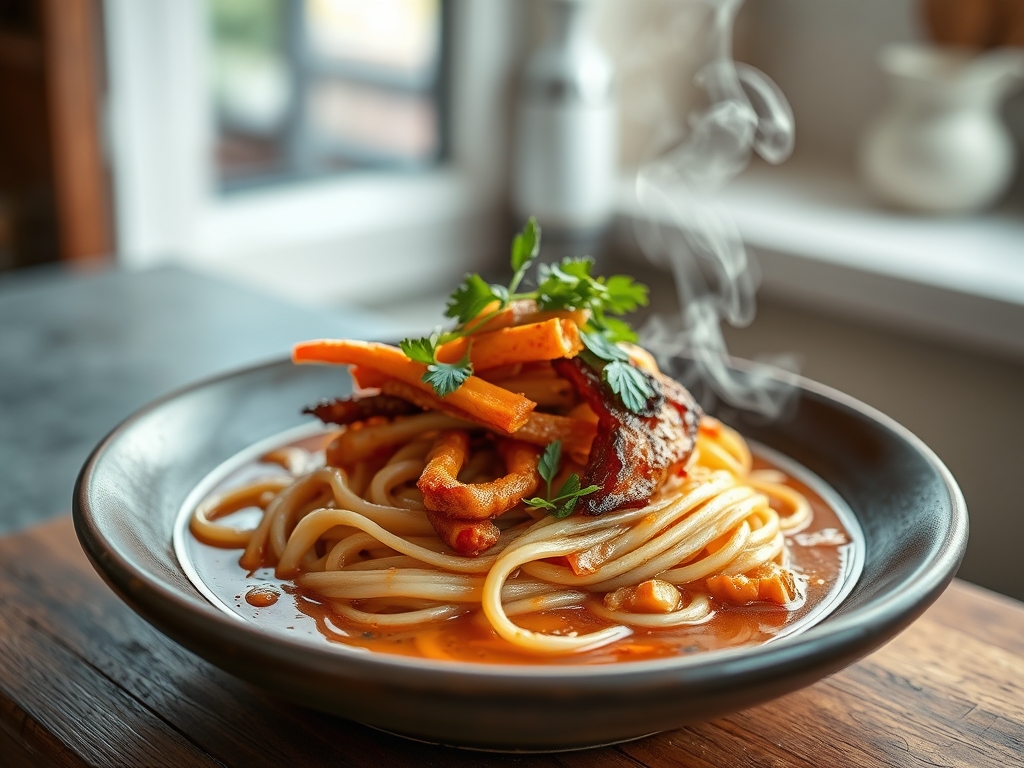
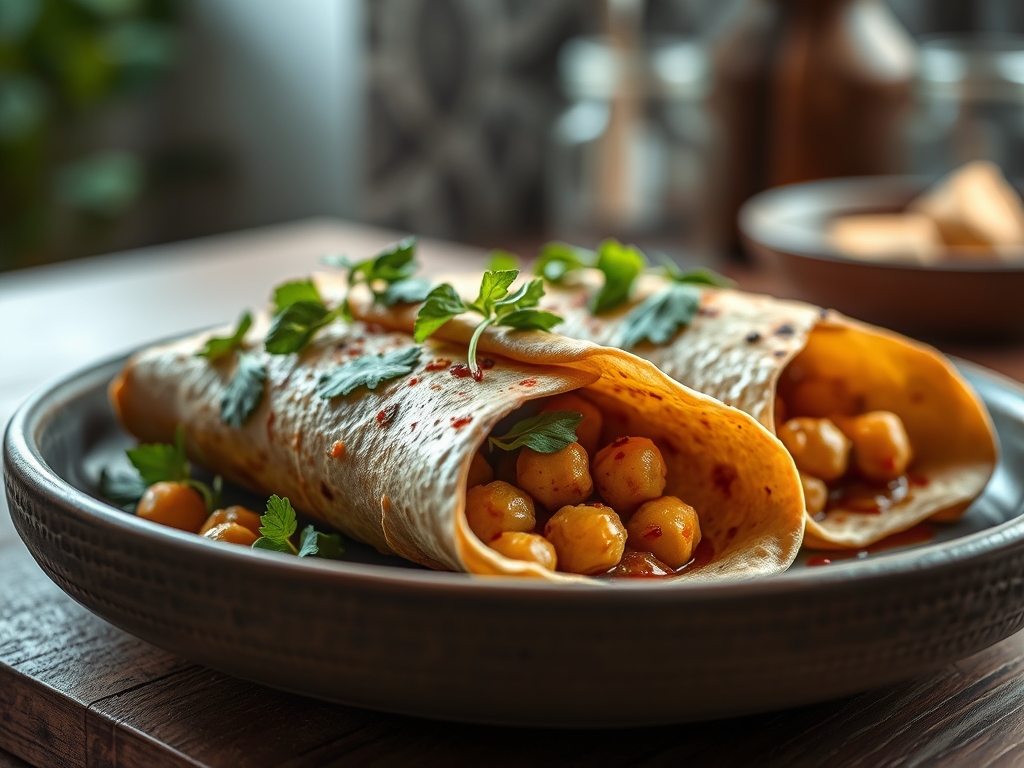
The kitchen is a high-stakes laboratory where the difference between a soggy mess and a culinary masterpiece is measured in microns and seconds. We are not just making lunch; we are engineering a delivery system for capsaicin and plant-based protein. Imagine the tactile snap of a toasted flour tortilla yielding to a core of chickpeas that have been transformed into a piquant, textured marvel. This is the architecture of Spicy Chickpea Wraps. The aroma of toasted cumin and cayenne must permeate the air, signaling that the Maillard reaction is currently restructuring the carbohydrates and proteins at a molecular level. We are looking for a specific structural integrity here. The chickpeas must be crushed enough to provide surface area for the sauce to cling to, yet whole enough to offer a toothsome resistance. If your current wrap game feels like a limp, flavorless tragedy, you are suffering from a systemic failure in your culinary infrastructure. It is time to audit your process, recalibrate your heat levels, and deploy a recipe that demands respect from your palate.
THE DATA MATRIX
| Metric | Specification |
|---|---|
| Prep Time | 12 Minutes |
| Execution Time | 15 Minutes |
| Yield | 4 Robust Wraps |
| Complexity (1-10) | 3 (Logistical Simplicity) |
| Estimated Cost per Serving | $1.85 USD |
THE GATHERS
Ingredient Protocol:
- 425g / 15oz Canned Chickpeas (Rinsed and thoroughly dried)
- 120ml / 0.5 cup Buffalo Hot Sauce (Vinegar-based for acidity)
- 30ml / 2 tbsp Avocado Oil (High smoke point is non-negotiable)
- 5g / 1 tsp Smoked Paprika (For depth and earthiness)
- 3g / 0.5 tsp Garlic Powder (Dehydrated for even distribution)
- 4 Large Flour Tortillas (High elasticity required)
- 200g / 2 cups Shredded Romaine Lettuce (For thermal contrast)
- 1 Large Avocado (Sliced for lipid-based cooling)
- 60ml / 0.25 cup Vegan Ranch or Blue Cheese Dressing
Section A: Ingredient Quality Audit:
If your chickpeas feel "mushy" straight from the can, they have been over-processed in the brine. To fix this, spread them on a lint-free cloth and apply pressure to remove excess moisture; this allows them to fry rather than steam. If your hot sauce lacks body, it is likely too thin. You can emulsify the sauce by whisking in a teaspoon of cold vegan butter or tahini to create a viscous coating that adheres to the legumes. Check your tortillas for "leathery" textures. This is a sign of starch retrogradation. A quick 10-second burst of steam or a direct flame hit will re-gelatinize those starches and restore flexibility.
THE MASTERCLASS
1. The Desiccation Phase
Empty the chickpeas onto a clean workstation and use a bench scraper to move them around while patting them dry with paper towels. Moisture is the enemy of the Maillard reaction. If the chickpeas are wet, the energy from your pan will be wasted on evaporating water rather than browning the exterior.
Pro Tip: Use a digital scale to ensure your spice ratios are exact. Precision in seasoning prevents the capsaicin from overwhelming the subtle nuttiness of the legume.
2. The Structural Compression
Place the dried chickpeas in a large mixing bowl. Use a potato masher or the back of a heavy spoon to crush approximately 30 percent of the chickpeas. This creates a varied texture where the smashed bits act as a thickener for the sauce, while the whole units provide the necessary "bite."
Pro Tip: Do not over-process into a paste. We are aiming for a rustic, fractured geometry that maximizes the surface area for the sauce to infuse every crevice.
3. Thermal Activation
Heat your saucier or a heavy-bottomed cast iron skillet over medium-high heat. Add the avocado oil. Once the oil begins to shimmer, add the chickpeas. Do not stir immediately. Let them sit for 2 minutes to develop a golden-brown crust. Toss with a silicone spatula and add the dry spices.
Pro Tip: Toasting the spices in oil is a process called blooming. It releases fat-soluble flavor compounds that would otherwise remain trapped in the cellular structure of the dried herbs.
4. The Buffalo Glaze
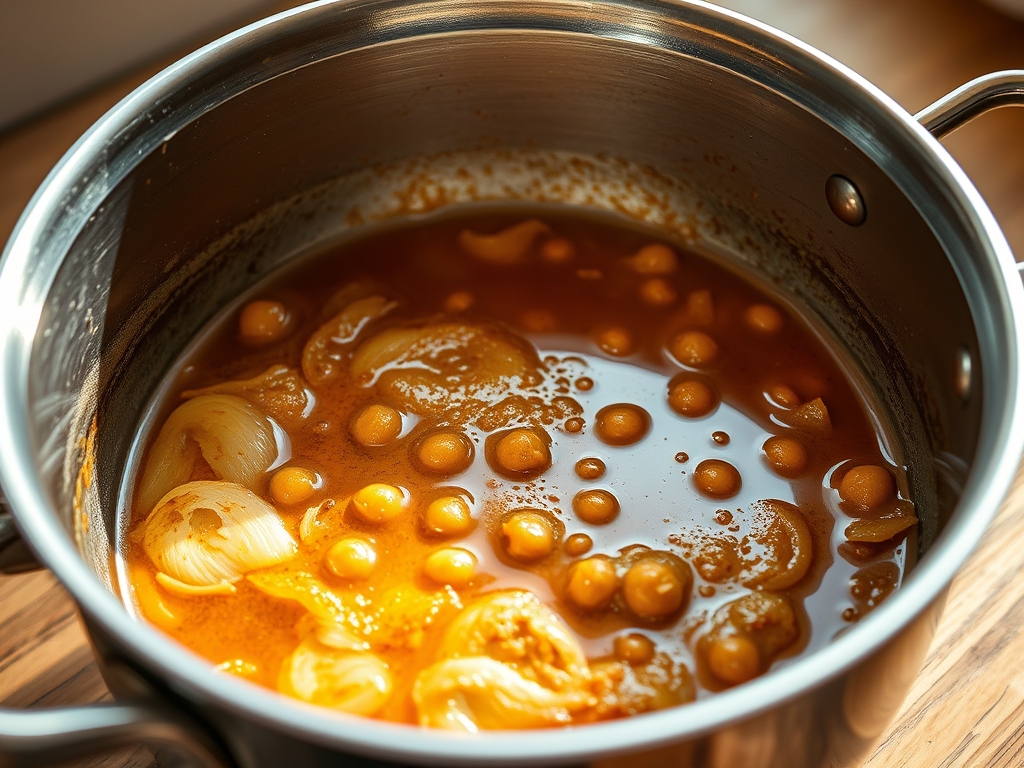
Lower the heat to medium and pour in the buffalo sauce. Use the liquid to deglaze the bottom of the pan, scraping up any browned bits (the fond) which contain concentrated flavor. Stir constantly until the sauce has reduced and thickened, coating the chickpeas in a glossy, vibrant orange sheen.
Pro Tip: If the sauce breaks or looks oily, add a tablespoon of water and whisk vigorously. This re-establishes the emulsification and ensures a smooth mouthfeel.
5. The Assembly Logic
Lay your tortilla on a flat surface. Apply a thin layer of dressing as a moisture barrier. Layer the shredded romaine, followed by the hot chickpea mixture, and finally the avocado slices. Folding is a geometric exercise: tuck the sides in first, then roll tightly from the bottom to create a pressurized cylinder.
Pro Tip: Use a heavy pan to press the finished wrap for 30 seconds per side. This "seals" the seam and adds a final layer of crunch to the exterior.
Section B: Prep & Timing Fault-Lines:
The most common failure is the "Thermal Collapse." This occurs when hot chickpeas are placed directly onto cold lettuce for too long before serving, causing the greens to wilt and release water. To prevent this, ensure your chickpeas have rested for 2 minutes post-pan to drop slightly below boiling point. Another fault-line is the "Tortilla Tear." If your wrap is cold, it will crack. Always warm the wrap to at least 110 degrees Fahrenheit to ensure the gluten network is pliable.
THE VISUAL SPECTRUM
Section C: Thermal & Visual Troubleshooting:
Look at the Masterclass photo above. Notice the "Char Points" on the tortilla; these are localized areas of carbonization that provide a smoky contrast. If your wrap looks pale and anaemic, your pan temperature was too low. The chickpeas should exhibit a "Matte-to-Gloss Transition." They start matte when dry and should finish with a high-gloss sheen once the sauce has reduced. If the color is a dull brown rather than a vibrant orange-red, your spices have likely oxidized from age or over-toasting. Ensure your avocado slices are a vivid green; if they are browning, a quick spritz of lime juice will provide the acidity needed to halt enzymatic browning.
THE DEEP DIVE
Macro Nutrition Profile:
Each Spicy Chickpea Wrap provides approximately 480 calories. The macronutrient breakdown is optimized for sustained energy: 18g of plant-based protein, 55g of complex carbohydrates, and 22g of healthy fats (primarily monounsaturated from the avocado). The high fiber content (12g) ensures a low glycemic response, preventing the "sugar crash" associated with refined flour meals.
Dietary Swaps:
- Vegan: This recipe is natively vegan provided you use a plant-based ranch and butter-free buffalo sauce.
- Keto: Replace the flour tortilla with large collard green leaves or a high-fiber, low-carb flax wrap. Swap chickpeas for roasted cauliflower florets to drop the net carb count.
- GF: Utilize a certified gluten-free wrap. Ensure the buffalo sauce does not contain malt vinegar, which contains gluten.
Meal Prep & Reheating Science:
To maintain molecular structure during meal prep, store the buffalo chickpea mixture separately from the fresh components. When reheating, use a toaster oven rather than a microwave. Microwaves vibrate water molecules, which can turn the chickpea skins rubbery. A dry, convective heat source will re-crisp the exterior while warming the core.
THE KITCHEN TABLE
How do I keep the wraps from falling apart?
The secret is the "Sear Seal." Once rolled, place the wrap seam-side down on a hot, dry skillet for 30 seconds. This fuses the starch layers together, creating a structural bond that holds the contents securely.
Can I use dried chickpeas instead of canned?
Absolutely. Soak them for 12 hours and boil until tender. Dried chickpeas often have a superior "snap" to their skin, which enhances the final texture of your Spicy Chickpea Wraps significantly.
My sauce is way too spicy, how do I fix it?
Do not add water; it will only spread the capsaicin. Instead, increase the fat content. Add more avocado or a heavier dollop of vegan ranch. Lipids bind to capsaicin molecules and wash them away from your pain receptors.
Why is my lettuce getting soggy so fast?
This is caused by "Steam Trapping." If you wrap the tortilla too tightly while the chickpeas are steaming hot, the moisture has nowhere to go but into the greens. Let the filling "off-gas" for sixty seconds before rolling.