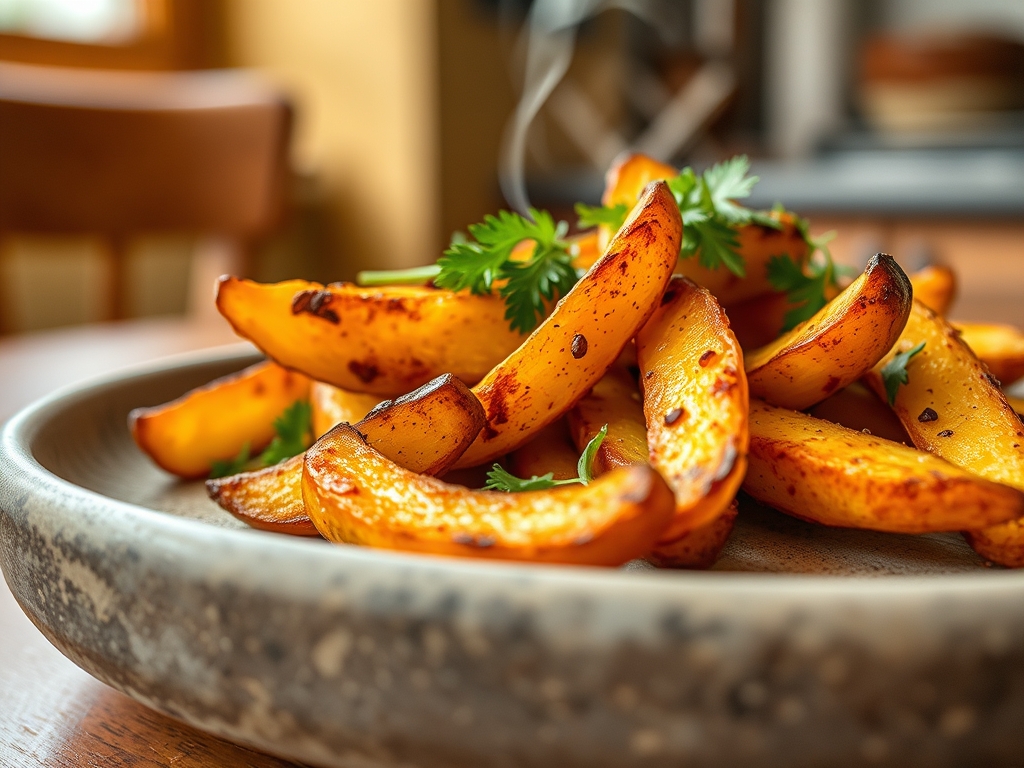
Listen up, kitchen operatives. We are moving beyond the realm of soggy, uninspired side dishes and entering the theater of high-velocity thermal engineering. When we talk about Spicy Potato Wedges, we are not just discussing a snack; we are analyzing a structural masterpiece of starch and heat. Imagine the sensory impact: a jagged, crystalline exterior that shatters upon contact, giving way to a cloud-like, aerated interior that melts like savory buttercream. This is the result of precise Maillard reactions and moisture management. The piquant punch of cayenne and smoked paprika does more than just tickle the palate; it creates a chemical bridge between the earthy sugars of the tuber and the rendered fats of the roasting pan. We are hunting for that perfect oven char, that deep mahogany hue that signals a complex flavor profile. If your potatoes lack the structural integrity to stand up to a dip, or if the spice profile is a muted whisper instead of a bold declaration, you have failed the audit. Let us recalibrate your technique.
THE DATA MATRIX
| Metric | Specification |
|---|---|
| Prep Time | 15 Minutes |
| Execution Time | 35 Minutes |
| Yield | 4 Servings |
| Complexity | 4/10 |
| Estimated Cost per Serving | $0.85 USD |
THE GATHERS
Ingredient Protocol:
- 900g / 2 lbs Russet Potatoes (Scrubbed and dried)
- 60ml / 4 tbsp Extra Virgin Olive Oil
- 10g / 2 tsp Smoked Paprika
- 5g / 1 tsp Cayenne Pepper (Adjust for piquant intensity)
- 5g / 1 tsp Garlic Powder
- 5g / 1 tsp Onion Powder
- 8g / 1.5 tsp Kosher Salt
- 3g / 0.5 tsp Freshly Cracked Black Pepper
- 15g / 2 tbsp Cornstarch (The secret to the "Glass-Crunch" factor)
- 30g / 0.25 cup Freshly Grated Parmesan (Optional for savory infusion)
Section A: Ingredient Quality Audit:
If your potatoes feel soft or have sprouted "eyes," the starch-to-sugar ratio has shifted. This results in a limp, greasy wedge that burns before it crisps. Use high-starch Russets for the best results; waxy potatoes like Red Bliss will fail to aerate properly. If your spices smell like dusty cardboard, their volatile oils have evaporated. Toast dull spices in a dry saucier for 30 seconds before mixing to awaken any remaining aromatic compounds. Finally, if your olive oil has a metallic aftertaste, it is oxidized. Switch to a fresh bottle or use avocado oil, which has a higher smoke point for aggressive roasting.
THE MASTERCLASS
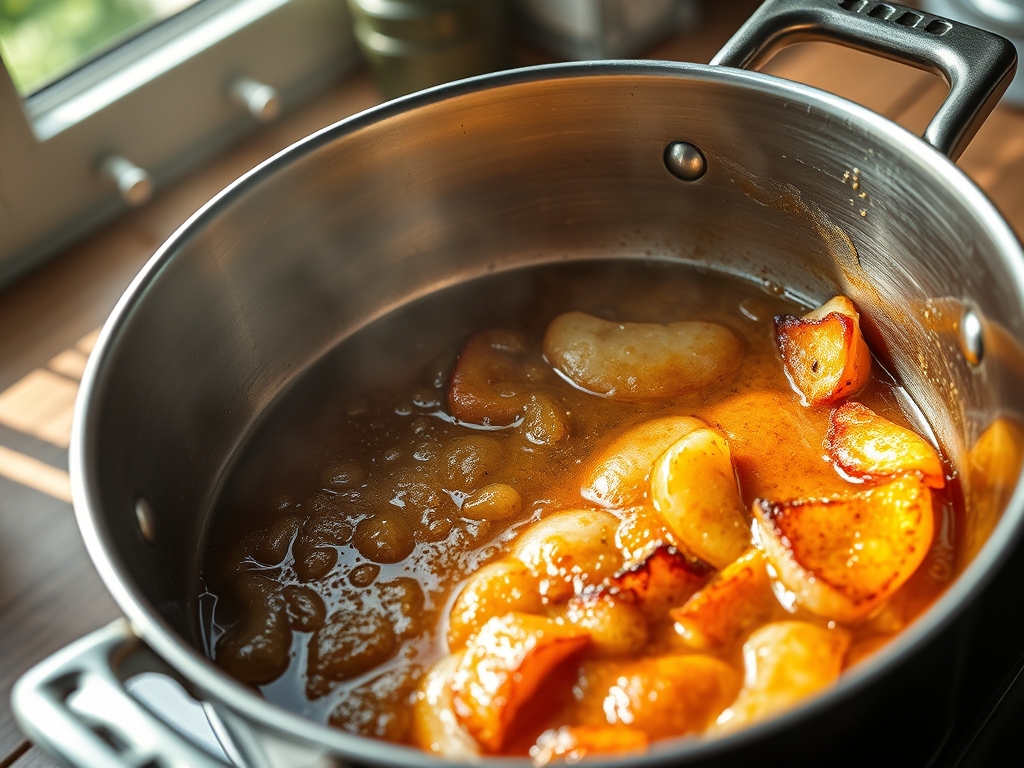
1. The Geometric Excavation
Slice each potato lengthwise into uniform wedges. Aim for eight segments per tuber to ensure consistent thermal penetration. Use a sharpened chef knife and a bench scraper to move your units efficiently.
Pro Tip: Uniformity is not just for aesthetics. If your wedges vary in thickness, the thin ones will carbonize while the thick ones remain raw and dense. Use a digital scale to ensure your total batch weight matches your seasoning ratios.
2. The Starch Extraction Rinse
Submerge the wedges in a bowl of ice-cold water for ten minutes. This removes excess surface starch that causes sticking and premature browning.
Pro Tip: This cold-water bath prevents the exterior from becoming "gummy." When you remove them, you must use a clean lint-free towel to ensure they are bone-dry. Moisture is the enemy of the Maillard reaction.
3. The Dry-Brine Infusion
In a large mixing bowl, combine the oil, spices, and cornstarch. Toss the dried wedges until every millimeter of surface area is coated in a viscous slurry.
Pro Tip: The cornstarch acts as a secondary "skin." As the heat hits the potato, the starch dehydrates and forms a microscopic lattice that traps fat, creating an ultra-crisp shell that stays crunchy even as the potato cools.
4. The Thermal Blast
Arrange the wedges on a heavy-gauge baking sheet, ensuring they do not touch. Overcrowding creates steam, which leads to a flaccid texture. Roast at 220C / 425F for 30 to 35 minutes.
Pro Tip: Flip the wedges halfway through using a thin metal spatula. This ensures the side in contact with the pan—the highest heat zone—receives equal exposure, leading to that signature oven char.
Section B: Prep & Timing Fault-Lines:
The most common failure is the "Crowded Pan Syndrome." If the wedges are huddling together, they are boiling in their own moisture rather than roasting. This destroys the crispness. Another timing error is pulling the pan too early because the spices look dark. Remember: smoked paprika is already dark red. Trust your digital thermometer or the "shatter test" rather than color alone. If the interior is not at least 95C / 203F, the starch has not fully gelatinized, and the center will be waxy.
THE VISUAL SPECTRUM
Section C: Thermal & Visual Troubleshooting:
Observe the reference photo: note the "blistered" texture on the skin and the deep, amber-orange hue. If your wedges look pale and "sweaty," your oven temperature is likely calibrated incorrectly. Use an oven thermometer to verify you are hitting 220C. If the edges are black but the centers are hard, you sliced them too thick or placed the rack too close to the heating element. For a dull color, increase the paprika or add a pinch of turmeric to infuse a golden glow. If the wedges look "dusty," you used too much cornstarch; ensure the oil-to-starch ratio creates a smooth coating, not a paste.
THE DEEP DIVE
Macro Nutrition Profile:
A standard serving (approx. 200g) provides roughly 280 calories, 42g of carbohydrates, 12g of fat, and 4g of protein. The high potassium content in the Russet skins helps offset the sodium from the salt, making this a functional fuel source for high-intensity recovery.
Dietary Swaps:
- Vegan: This recipe is naturally vegan if you omit the optional Parmesan. Use nutritional yeast for a "cheesy" hit.
- Keto: Replace potatoes with jicama or daikon radish. Note that these require a longer roasting time and will not achieve the same fluffiness.
- GF: The recipe is gluten-free as written, provided your cornstarch is certified.
Meal Prep & Reheating Science:
To maintain the molecular structure, do not microwave leftovers. Microwaves vibrate water molecules, which turns the crisp crust into a soggy mess. Instead, use an air fryer or a toaster oven at 200C / 400F for five minutes. This flash-reheats the fats and re-crisps the cornstarch lattice without overcooking the interior.
THE KITCHEN TABLE
Why are my wedges sticking to the pan?
You likely skipped the drying phase or didn't use enough oil. Ensure the pan is preheated before adding the wedges; this creates an immediate steam barrier that prevents the starch from bonding to the metal surface.
Can I use sweet potatoes instead?
Yes, but sweet potatoes have higher sugar content and lower starch. They will brown much faster and will never get as "crunchy" as a Russet. Reduce the oven temperature by 10 degrees to prevent scorching.
What is the best dipping sauce for these?
A viscous garlic aioli or a cooling Greek yogurt dip balances the piquant heat. The acidity in lemon juice or vinegar cuts through the richness of the roasted fats, cleansing the palate between bites.
How do I get that "restaurant" look?
Finish the wedges with a flourish of fresh parsley and a final dusting of flaky sea salt immediately after they exit the oven. The residual heat will infuse the herb aromatics into the crust for a professional finish.