Listen up, kitchen operatives. We are not just making dinner; we are executing a high-velocity structural audit on the most iconic handheld vessel in the culinary canon. The mission is simple: Spicy Beef Tacos delivered with the precision of a Swiss watch and the soul of a street-side cantina. We have exactly fifteen minutes to transform cold, raw infrastructure into a piquant, steaming masterpiece of protein and crunch. Forget the soggy, lackluster shells of your childhood. We are targeting a specific Maillard reaction profile that ensures every bite is a calculated explosion of flavor. This is about thermal management, rapid-fire seasoning, and the structural integrity of the tortilla under the pressure of juicy, rendered fats. We are looking for that perfect balance where the heat of the chili flakes meets the cooling acidity of a lime-infused garnish. If you cannot feel the heat radiating from the cast iron before the first pound of beef hits the surface, you are already behind the curve. Gear up. We are going in fast, hot, and uncompromising.
THE DATA MATRIX
| Metric | Specification |
|---|---|
| Prep Time | 5 Minutes |
| Execution Time | 10 Minutes |
| Yield | 4 Servings (12 Tacos) |
| Complexity (1-10) | 3 |
| Estimated Cost per Serving | $3.50 USD |
THE GATHERS
Ingredient Protocol:
- 500g / 1.1 lbs Ground Beef (80/20 lean-to-fat ratio)
- 30ml / 2 tbsp Neutral Oil (Avocado or Grapeseed)
- 15g / 1 tbsp Chili Powder
- 5g / 1 tsp Cumin
- 5g / 1 tsp Smoked Paprika
- 2g / 0.5 tsp Cayenne Pepper
- 10g / 2 tsp Kosher Salt
- 60ml / 0.25 cup Water or Beef Bone Broth
- 12 Small Corn or Flour Tortillas
- 100g / 1 cup Shredded Sharp Cheddar
- 1 Large Lime (quartered)
- 50g / 0.5 cup Fresh Cilantro (minced)
Section A: Ingredient Quality Audit:
If your ground beef looks gray or leathery in the package, the myoglobin has oxidized; this results in a metallic aftertaste that no amount of cumin can mask. Solution: Pat the meat dry with a paper towel to ensure immediate contact with the pan surface. If your spices are more than six months old, they have lost their volatile oils. Technical fix: Toast the dry spices in a small saucier for 60 seconds before adding them to the fat to "wake up" the aromatic compounds through thermal activation.
THE MASTERCLASS
1. Thermal Priming and Searing
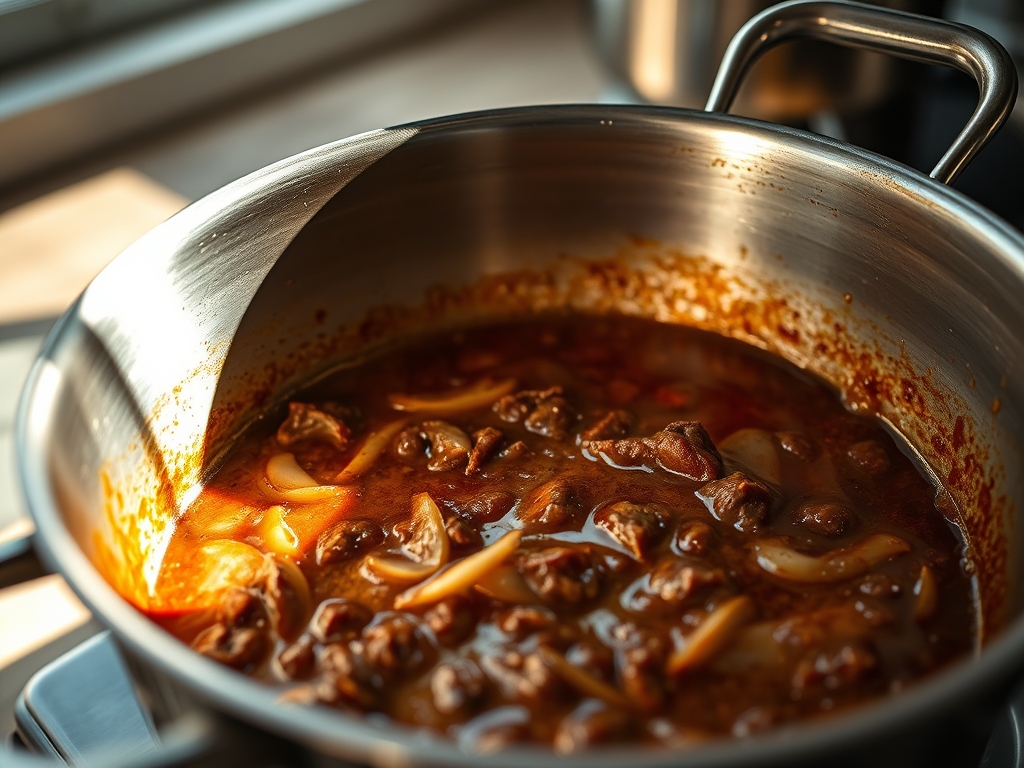
Place your heavy-bottomed skillet or cast iron over high heat. Add the neutral oil and wait for the first wisps of smoke. Add the beef in one solid block, pressing down firmly with a bench scraper or heavy spatula to maximize surface area contact. Do not move it for three minutes.
Pro Tip: This creates a deep Maillard reaction, a chemical reaction between amino acids and reducing sugars that gives browned food its distinctive flavor. Using a digital scale to portion the beef ensures even cooking across the pan.
2. Fragmentation and Rendering
Once a dark brown crust has formed, use your spatula to break the beef into small, uniform crumbles. As the fat begins to render, it will liquefy and coat the protein. This is the stage where you introduce your salt and dry spice blend.
Pro Tip: The fat acts as a flavor carrier. By breaking the meat into smaller fragments, you increase the surface area available for the spices to adhere to, ensuring every morsel is sufficiently infused with heat.
3. Deglazing and Emulsification
Pour in your 60ml of water or bone broth. Use the liquid to deglaze the pan, scraping up the "fond" (the stuck brown bits) from the bottom. Stir vigorously until the liquid reduces and forms a viscous sauce that clings to the beef.
Pro Tip: This step creates a light emulsification between the rendered beef tallow and the added liquid. A professional saucier is ideal here for its rounded edges, which prevent spices from scorching in the corners of the pan.
4. Tortilla Infrastructure
While the beef rests, flash-heat your tortillas directly over a gas flame or in a dry skillet for 15 seconds per side. They should be pliable and slightly charred but not brittle.
Pro Tip: Heating the starch molecules in the tortilla causes them to gelatinize, making the shell more durable. Use a digital infrared thermometer to ensure your pan is at least 400 degrees Fahrenheit for the perfect blister.
Section B: Prep & Timing Fault-Lines:
The most common failure in Spicy Beef Tacos is the "Soggy Shell Syndrome." This occurs when the beef is too watery or the assembly takes too long. If your beef is swimming in liquid, increase the heat to rapidly evaporate the excess moisture until the sauce is thick. If your timing is off, keep the tortillas wrapped in a clean kitchen towel to trap the steam and maintain flexibility.
THE VISUAL SPECTRUM
Section C: Thermal & Visual Troubleshooting:
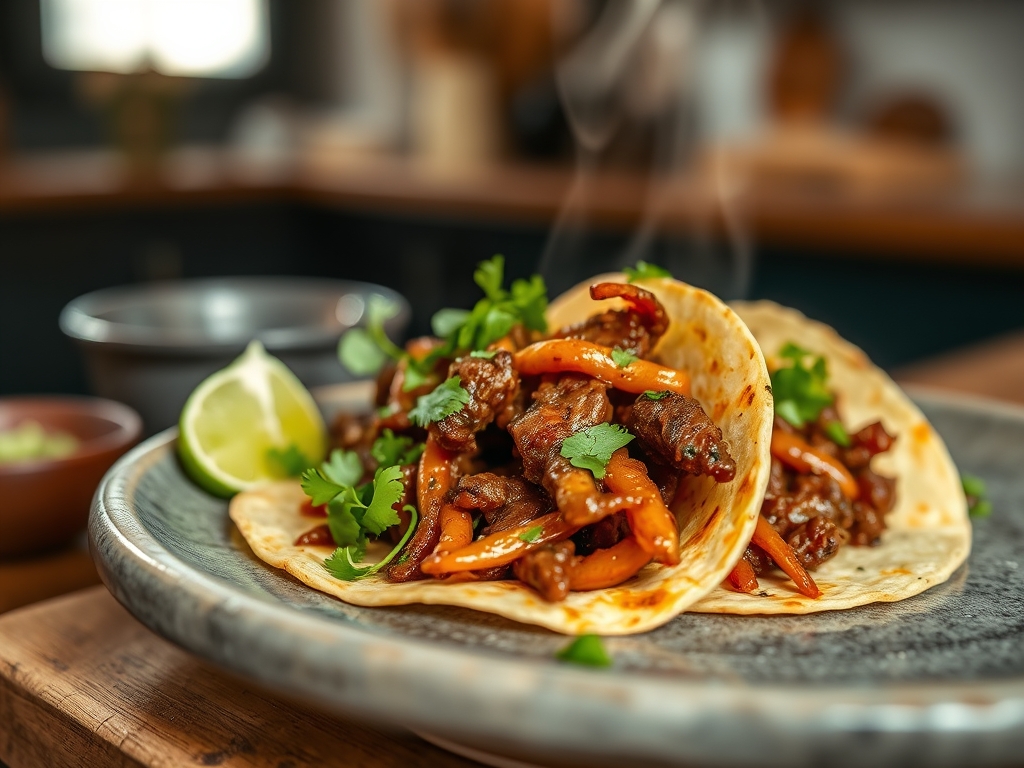
Examine the Masterclass photo above. Notice the deep mahogany color of the beef; this indicates a successful sear. If your meat looks pale or "boiled," your pan was not hot enough or was overcrowded. The cilantro should be vibrant green, not wilted. If your cheese is not melting, your beef temperature has dropped below the 150 degree Fahrenheit threshold. To fix dull colors, add a final squeeze of lime juice; the acid brightens the pigments and cuts through the heavy fats. If the texture feels "mushy," you likely over-processed the meat during the fragmentation stage. Aim for distinct, pebble-sized crumbles.
THE DEEP DIVE
Macro Nutrition Profile:
A standard serving of three Spicy Beef Tacos provides approximately 450 calories, 28g of protein, 22g of fat, and 35g of carbohydrates. The protein density makes this an excellent post-workout recovery meal, provided you manage the sodium levels in your spice blend.
Dietary Swaps:
- Vegan: Substitute ground beef with crumbled firm tofu or tempeh. Increase the smoked paprika to mimic the "meaty" depth.
- Keto: Eliminate the tortillas and serve the spicy beef over shredded romaine lettuce or in "boats" made of hollowed-out bell peppers.
- GF: Ensure your corn tortillas are certified gluten-free and check your taco seasoning for hidden flour-based anti-caking agents.
Meal Prep & Reheating Science:
To maintain molecular structure during reheating, store the beef and tortillas separately. Reheat the beef in a skillet with a tablespoon of water to re-emulsify the sauce. Microwaving often toughens the protein fibers, leading to a rubbery texture. Tortillas should always be reheated via dry heat (pan or flame) to restore their structural "snap."
THE KITCHEN TABLE
Why is my taco meat always dry?
You likely used beef that was too lean or cooked it too long after the liquid evaporated. Aim for 80/20 fat content and stop the heat once the sauce reaches a viscous, coating consistency.
Can I use pre-packaged taco seasoning?
You can, but you sacrifice control. Pre-packaged blends often contain high levels of cornstarch and sodium. Mixing your own allows you to aerate the spices and customize the piquant levels to your specific tolerance.
How do I keep the shells from breaking?
Moisture and heat are key. Briefly steaming the tortillas or hitting them with a quick flame makes the starch chains flexible. If they are cold, they will snap under the weight of the beef infrastructure.
What is the best way to chop cilantro?
Use a very sharp chef knife and a single-pass technique. Repeatedly hacking at the herbs bruises the cell walls, leading to a "grassy" or soapy taste rather than a fresh, citrusy finish.
Why add water to the beef?
The water allows the spices to distribute evenly and helps create a pan sauce. Without it, the spices just sit on the surface of the meat and can taste gritty or burnt.