Imagine a world where your palate is a high performance engine and the sauce is the premium synthetic oil keeping the gears turning without a hitch. We are not just talking about a condiment; we are discussing the architectural integrity of a Spicy Mayo Emulsion. This is the viscous, piquant masterpiece that bridges the gap between a mundane sandwich and a culinary structural marvel. When executed with precision, this sauce offers a velvet mouthfeel that carries the sharp, fermented heat of sriracha directly to your neural pathways. It is the gold standard of the modern pantry. If your current mayo resembles a weeping puddle of oil rather than a proud, aerated mountain of cream, you are operating at sub-optimal efficiency. We are here to recalibrate your kitchen infrastructure. We will dismantle the physics of fat globules and rebuild them into a stable, permanent suspension that defies gravity and elevates every protein it touches. Strap in; we are about to optimize your flavor profile with surgical accuracy.
THE DATA MATRIX
| Metric | Specification |
|---|---|
| Prep Time | 5 Minutes |
| Execution Time | 3 Minutes |
| Yield | 300ml / 1.25 Cups |
| Complexity (1-10) | 4 |
| Estimated Cost per Serving | $0.18 |
THE GATHERS
Ingredient Protocol:
- Large Egg Yolk (Room Temperature): 1 unit (approx. 18g)
- Neutral Oil (Grapeseed or Canola): 240ml / 1 cup
- Sriracha Chili Sauce: 45ml / 3 tablespoons
- Fresh Lemon Juice: 15ml / 1 tablespoon
- Dijon Mustard: 5ml / 1 teaspoon
- Fine Sea Salt: 2g / 0.25 teaspoon
- Garlic Powder (Optional): 1g / 0.25 teaspoon
Section A: Ingredient Quality Audit:
The most common failure point in a Spicy Mayo Emulsion is the temperature of the lipid and protein components. If your egg yolk is straight from the refrigerator, the proteins are too tightly coiled to effectively bond with the oil molecules. Technical Fix: Submerge cold eggs in warm water for five minutes to reach an internal temperature of 20 degrees Celsius. Furthermore, check the age of your oil. Rancid oil has a broken molecular chain that produces a "cardboard" aftertaste and inhibits a stable bond. Always use a neutral oil with a high smoke point to ensure the sriracha remains the dominant flavor profile. If your lemon juice is bottled, the lack of citric acidity will fail to properly denature the egg proteins; always use fresh citrus to ensure the pH level is low enough to facilitate a tight bind.
THE MASTERCLASS
1. Establish the Foundation
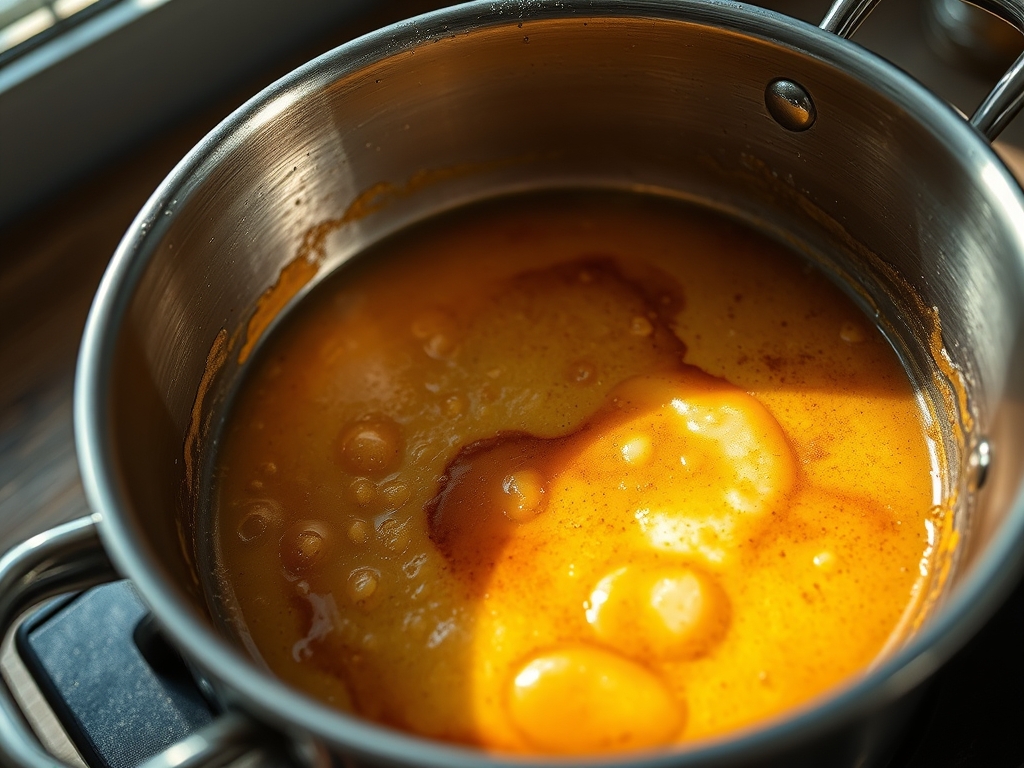
Place your room temperature egg yolk, Dijon mustard, and lemon juice into a stainless steel bowl or a high sided beaker. Use a digital scale to ensure your measurements are precise to the gram. The mustard acts as a secondary emulsifier, containing mucilage that helps trap oil droplets.
Pro Tip: Use a damp kitchen towel rolled into a "nest" around the base of your bowl. This stabilizes your workstation, allowing you to use both hands for pouring and whisking without the bowl sliding across the counter.
2. The Critical Drip Phase
Begin whisking the yolk mixture vigorously to aerate the base. Slowly, and we mean one drop at a time, introduce the neutral oil. This is the moment of maximum risk. If you pour too fast, the oil will overwhelm the yolk and the emulsion will "break," resulting in a greasy soup.
Pro Tip: Use a narrow-spout squeeze bottle for the oil. This gives you hydraulic control over the flow rate, ensuring you do not exceed the absorption capacity of the egg yolk during the initial bonding phase.
3. Achieving Viscous Stability
Once the mixture begins to thicken and turn pale, you can increase the oil flow to a thin, steady stream. Continue whisking in a figure-eight motion to ensure even distribution of the lipid molecules. The mixture should become increasingly viscous and hold its shape against the side of the bowl.
Pro Tip: If the mixture becomes too thick to whisk comfortably, add a few drops of warm water. This thins the continuous phase and allows you to incorporate the remaining oil without the emulsion becoming "over-set" or rubbery.
4. Infusing the Piquant Profile
Now that the base mayo is stable, fold in the sriracha, salt, and garlic powder. Use a bench scraper or a silicone spatula to scrape the sides of the bowl, ensuring every milligram of the base is infused with the chili heat. The color should shift to a vibrant, sunset orange.
Pro Tip: Do not add the sriracha at the beginning. The vinegar and solids in the hot sauce can interfere with the initial protein bonding. Adding it at the end protects the structural integrity of your Spicy Mayo Emulsion.
Section B: Prep & Timing Fault-Lines:
Timing is the silent killer of emulsions. If you whisk too slowly, the oil droplets will coalesce before they can be coated by the lecithin in the egg yolk. Conversely, if you leave the finished sauce at room temperature for more than two hours, the molecular vibration increases, causing the fat to separate. Technical Fix: If your emulsion breaks, do not panic. Take a clean bowl, add a teaspoon of warm water and a fresh yolk, then slowly whisk your "broken" sauce into the new base as if it were the oil. This restarts the mechanical bond and saves your materials from the waste bin.
THE VISUAL SPECTRUM
Section C: Thermal & Visual Troubleshooting:
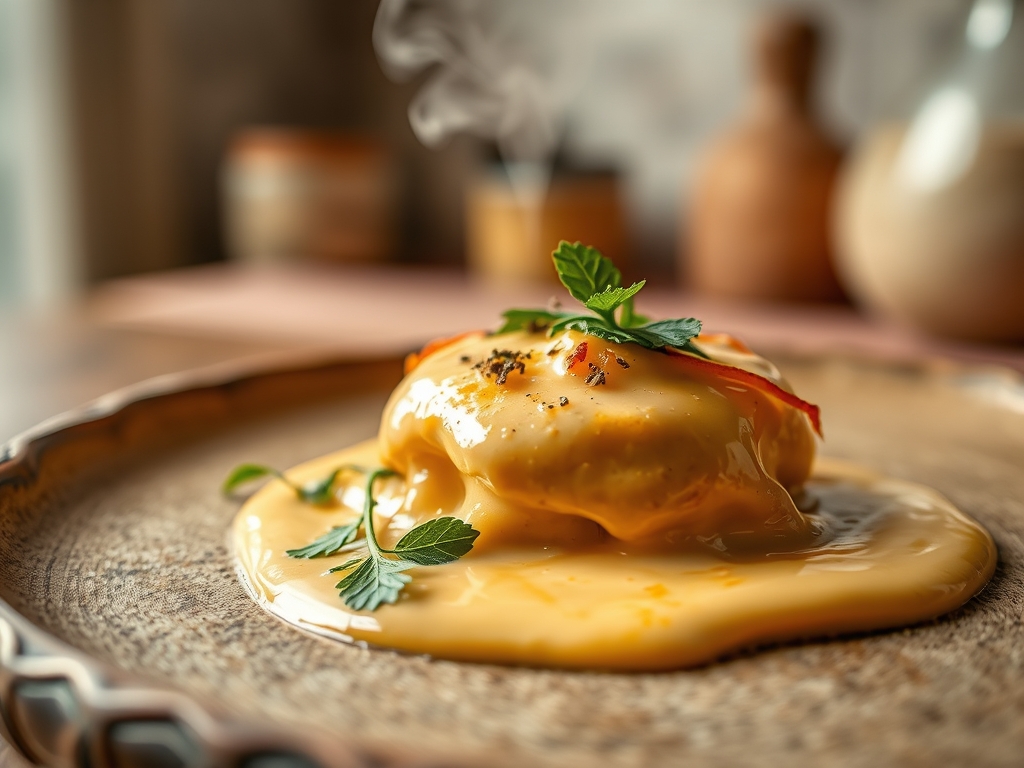
Referencing the Masterclass photo above, a perfect Spicy Mayo Emulsion should exhibit a glossy, reflective surface with zero visible oil beads. If your sauce looks dull or matte, it is likely "under-whisked" and lacks the necessary air incorporation. If you see tiny orange flecks rather than a smooth, uniform color, your sriracha was not fully integrated. Technical Fix: Use an immersion blender for sixty seconds to achieve a perfectly homogenous texture. If the sauce appears too pale, your yolk-to-oil ratio was off; adding a pinch of smoked paprika can correct the hue while adding a subtle depth to the flavor profile. The final texture should be thick enough to hold a "peak" when the whisk is lifted, yet fluid enough to be piped through a fine nozzle for plating precision.
THE DEEP DIVE
Macro Nutrition Profile:
A standard 15ml (1 tablespoon) serving contains approximately 95 calories, 10g of fat, 1g of carbohydrates, and 0g of protein. While calorie dense, the high fat content provides significant satiety.
Dietary Swaps:
- Vegan: Replace the egg yolk with 30ml of aquafaba (chickpea brine). It contains similar proteins that allow for a stable, plant-based emulsion.
- Keto: This recipe is naturally keto-friendly. Ensure your sriracha does not contain added sugars or high-fructose corn syrup.
- GF: Ensure your Dijon mustard is certified gluten-free, as some brands use wheat-based thickeners.
Meal Prep & Reheating Science:
Never reheat this emulsion in a microwave. High heat will cause the proteins to coagulate and the oil to render out, leaving you with a broken mess. To maintain molecular structure, store in an airtight glass container in the coldest part of the refrigerator (usually the back of the bottom shelf). It will remain stable for up to seven days. If the sauce firms up too much in the cold, allow it to sit at room temperature for ten minutes and give it a quick whisk before serving to restore its original elasticity.
THE KITCHEN TABLE
Why did my mayo turn out thin and runny?
You likely added the oil too quickly or used a cold egg. The yolk could not encapsulate the oil droplets fast enough. Try whisking in a teaspoon of boiling water to tighten the protein bonds.
Can I use olive oil instead of neutral oil?
Extra virgin olive oil contains polyphenols that can turn bitter when agitated at high speeds by a whisk or blender. If you insist on olive oil, use a "light" refined version for a smoother flavor profile.
How do I make it even spicier without breaking the sauce?
Instead of adding more liquid sriracha, which can thin the emulsion, fold in a teaspoon of dried cayenne or red pepper flakes. This increases the heat index without compromising the viscous structural integrity of the sauce.
Is it safe to use raw egg yolks?
For the highest safety standards, use pasteurized eggs found in the refrigerated section of your grocer. This eliminates the risk of foodborne illness while providing the same emulsification properties required for a professional grade sauce.